Banana Bread Nutrition Facts: Dietitian Insights on Benefits and Concerns
Banana bread remains one of America’s most beloved comfort foods, gracing kitchen counters and coffee shop displays across the country. Yet despite its wholesome banana base, many people wonder whether this classic treat aligns with their nutritional goals. As a registered dietitian nutritionist, I’ve fielded countless questions about banana bread’s nutritional profile, and the answers are more nuanced than a simple “healthy” or “unhealthy” label allows.
Understanding banana bread nutrition data requires examining both the benefits bananas provide and the added ingredients that transform them into a baked good. This comprehensive guide breaks down the macronutrients, micronutrients, and practical dietary considerations you need to make informed choices about including banana bread in your eating pattern.
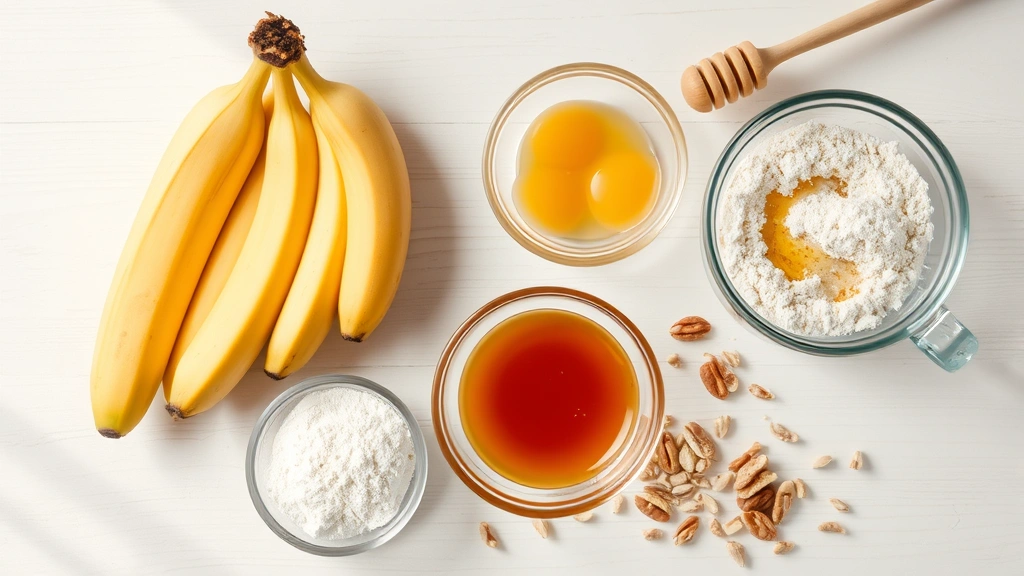
Banana Bread Nutrition Breakdown by Serving
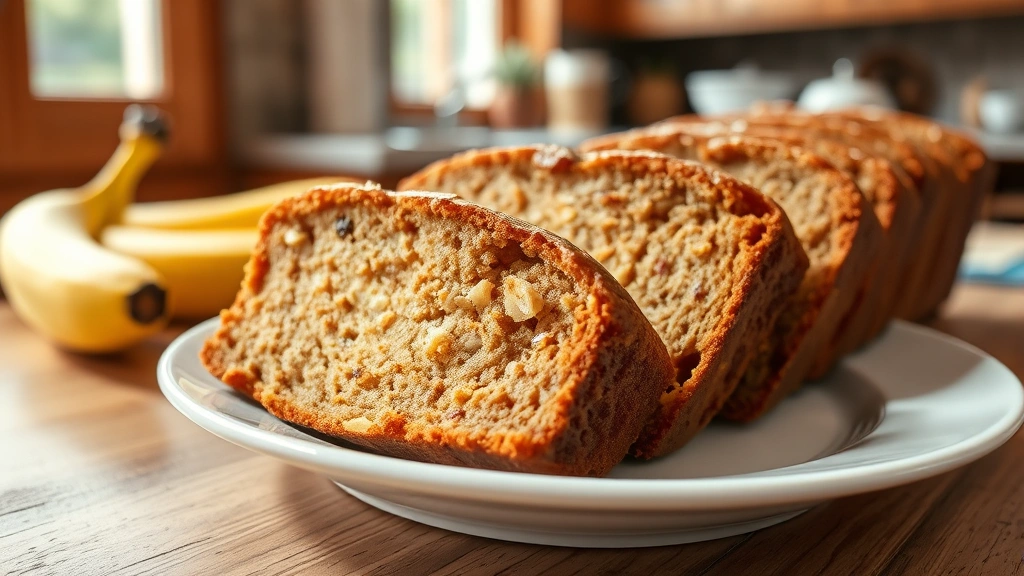
A typical slice of homemade banana bread (approximately 60 grams or 2 ounces) contains roughly 195-220 calories, depending on recipe variations and ingredient ratios. The macronutrient distribution reveals why banana bread occupies a middle ground in nutritional analysis:
- Carbohydrates: 28-32 grams per slice (primarily from flour, sugar, and bananas)
- Protein: 2-3 grams (modest contribution from eggs and flour)
- Fat: 8-10 grams (from butter, oil, or eggs)
- Dietary Fiber: 1-1.5 grams (varies significantly by recipe)
These figures demonstrate that banana bread functions more as a dessert or sweet bread than as a nutritious staple. The carbohydrate-to-protein ratio heavily favors carbs, which impacts blood sugar response and satiety duration. When examining nutrition information across recipes, you’ll notice considerable variation based on ingredient choices, which we’ll explore in detail.
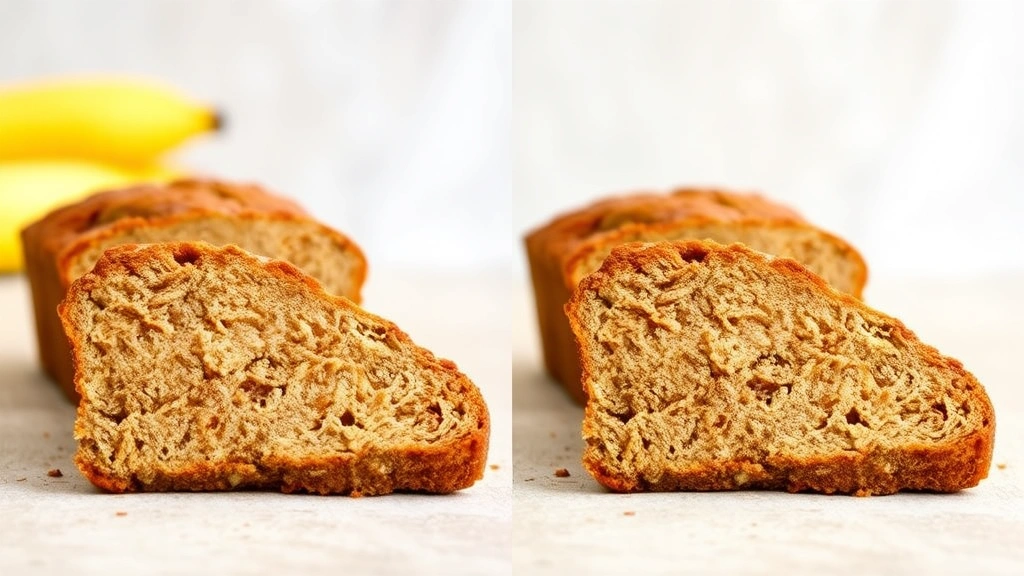
Calorie Content and Portion Awareness
Caloric density represents one of the most significant nutritional considerations for banana bread consumption. A standard loaf (approximately 12 slices) contains 2,340-2,640 calories total, meaning that consuming two slices delivers roughly 390-440 calories—equivalent to a light meal for many individuals.
This caloric concentration matters because banana bread’s pleasant, mild sweetness and soft crumb structure encourage larger portions than people anticipate. Research from the Pew Research Center on portion size awareness indicates that Americans consistently underestimate baked good servings by 20-30 percent. When you’re reaching for banana bread, one slice often becomes two before you’ve consciously registered the decision.
For individuals managing weight or caloric intake, portion control strategies prove essential. Pre-slicing and individually wrapping portions immediately after baking creates natural stopping points. Pairing a single slice with protein-rich foods like Greek yogurt or nuts can improve satiety without excessive calorie accumulation.
Sugar Content: The Primary Concern
Sugar represents the most nutritionally problematic component of conventional banana bread recipes. A typical slice contains 16-20 grams of added sugar from granulated sugar, brown sugar, or both. This quantity represents 32-40 percent of the American Heart Association’s recommended daily sugar intake for women and 21-27 percent for men.
The concern extends beyond simple calorie contribution. Added sugars in baked goods like banana bread trigger rapid blood glucose elevation, followed by insulin spikes and subsequent energy crashes. This metabolic pattern can contribute to afternoon fatigue, increased hunger signals, and over-consumption throughout the day. For individuals with prediabetes or diabetes, banana bread in traditional recipes poses particular challenges.
Complicating the picture further, bananas themselves contribute natural sugars—approximately 12-14 grams per medium fruit. While natural sugars include beneficial fiber and micronutrients absent in refined sugar, they still impact blood glucose regulation. A slice of banana bread therefore delivers roughly 28-34 grams total sugar (added plus natural), creating a significant glycemic load.
External research from the American Heart Association demonstrates that frequent refined sugar consumption correlates with increased cardiovascular disease risk, dental problems, and metabolic dysfunction. These findings underscore why sugar reduction in banana bread recipes merits serious consideration.
Fiber Benefits From Bananas
Despite the sugar concerns, bananas contribute meaningful dietary fiber that shouldn’t be overlooked. A medium banana provides approximately 3 grams of fiber, with roughly 2 grams reaching your intestinal tract in banana bread form (some loss occurs during baking and mixing).
This fiber content matters because dietary fiber supports digestive health in multiple ways. Soluble fiber in bananas (primarily pectin) slows gastric emptying, moderating blood sugar response and extending satiety. Insoluble fiber promotes regular bowel movements and supports beneficial gut bacteria populations. Together, these fiber types contribute to the modest nutritional value banana bread provides.
The practical implication is that banana bread containing whole wheat flour or additional fiber-rich ingredients offers superior nutritional profiles compared to white flour versions. Recipes incorporating oat flour, ground flaxseed, or chia seeds can increase fiber content to 2.5-3.5 grams per slice, substantially improving the carbohydrate-to-fiber ratio.
For individuals seeking to improve digestion, banana bread with enhanced fiber content provides a more functional food option than conventional recipes, though it remains primarily a treat rather than a primary fiber source.
Micronutrients and Mineral Content
Beyond macronutrients, banana bread delivers several important micronutrients, primarily derived from bananas and eggs:
- Potassium: 200-250 mg per slice (approximately 6-7% daily value)
- Manganese: 0.3-0.4 mg per slice (15-20% daily value)
- Vitamin B6: 0.3-0.4 mg per slice (15-20% daily value)
- Folate: 20-25 mcg per slice (5-6% daily value)
- Choline: 25-35 mg per slice (from eggs)
Potassium deserves special attention because Americans typically consume insufficient amounts, contributing to elevated blood pressure and cardiovascular disease risk. Bananas represent one of the most accessible potassium sources, and banana bread preserves this mineral through the baking process. A single slice contributes meaningfully toward the 2,600 mg daily recommendation for adult women and 3,400 mg for men.
The B vitamins present in banana bread support energy metabolism and neurological function. Vitamin B6 and folate, in particular, play critical roles in mood regulation and cognitive function. Choline from eggs contributes to acetylcholine production, supporting memory and learning.
However, these micronutrient benefits must be contextualized. The same nutrients appear in whole bananas without accompanying sugar and refined carbohydrates, making whole fruit a superior choice for micronutrient acquisition when possible.
Comparing Recipes and Variations
Not all banana bread recipes are created equal. Nutritional variation between homemade and commercial versions can be substantial. A bakery banana bread slice (typically 90-100 grams) might contain 300-350 calories and 22-28 grams of sugar, whereas a carefully crafted home recipe could deliver 160-180 calories with 12-14 grams of sugar.
Key recipe variables affecting nutrition include:
- Flour type: White all-purpose flour versus whole wheat, spelt, or ancient grain blends dramatically impact fiber content and micronutrient density
- Sweetener choice: Granulated sugar, brown sugar, honey, maple syrup, and sugar substitutes create different glycemic responses
- Fat source: Butter, coconut oil, avocado oil, or applesauce alter saturated fat content and overall caloric density
- Egg quantity: Recipes range from two to four eggs, affecting protein and choline content
- Add-ins: Nuts, seeds, chocolate chips, or dried fruit substantially modify nutrient profiles
A banana bread recipe incorporating whole wheat flour (instead of white), reduced added sugar (using ripe bananas for sweetness), applesauce (instead of butter), and ground flaxseed represents a significantly more nutritious option than traditional recipes. Such modifications might reduce calories to 160-180 per slice while increasing fiber to 2.5-3 grams and reducing added sugar to 8-10 grams.
Making Healthier Banana Bread Choices
For individuals wanting to enjoy banana bread while optimizing nutritional value, several evidence-based strategies prove effective:
Recipe Modifications: Replace 25-50 percent of all-purpose flour with whole wheat flour, rolled oats, or almond flour. Substitute one-third of the added sugar with mashed ripe banana or unsweetened applesauce. Replace half the butter with Greek yogurt or mashed avocado. These changes preserve texture and flavor while meaningfully improving the nutritional profile.
Ingredient Upgrades: Add one tablespoon of ground flaxseed or chia seeds per slice’s worth of batter. Include chopped walnuts or pecans, which contribute omega-3 fatty acids and additional fiber. A pinch of cinnamon adds flavor complexity without calories while providing anti-inflammatory compounds.
Portion Control Strategies: Make banana bread in mini-loaf pans to establish smaller standard portions. Freeze portions immediately after cooling, which prevents mindless consumption and allows portion-controlled thawing. Pair banana bread with protein sources like cottage cheese, hard-boiled eggs, or nuts to improve satiety and blood sugar stability.
Consumption Timing: Enjoy banana bread with meals rather than as standalone snacks. The presence of other macronutrients (protein and fat) slows carbohydrate absorption and moderates glycemic response. Pairing with black coffee or unsweetened tea prevents additional sugar intake.
Integrating Into a Balanced Diet
Rather than viewing banana bread as inherently “good” or “bad,” the most evidence-based approach positions it within the context of overall dietary patterns. A healthy nutrition plan accommodates occasional treats when they’re balanced by nutrient-dense choices elsewhere in the diet.
For individuals consuming 2,000 calories daily, a 200-calorie slice of banana bread represents 10 percent of daily intake—entirely reasonable when the remaining 1,800 calories emphasize vegetables, lean proteins, whole grains, and healthy fats. The challenge emerges when banana bread consumption becomes frequent (multiple slices weekly) or when it displaces nutrient-dense foods.
Research on dietary psychology indicates that rigid food restriction typically backfires, leading to increased cravings and eventual overconsumption. Conversely, flexible approaches that accommodate preferred foods in reasonable portions support long-term adherence and psychological well-being. From this perspective, enjoying a slice of well-crafted banana bread once or twice weekly aligns perfectly with sustainable healthy eating.
The relationship between dietary choices and mental health deserves consideration as well. Nutrition and mental health are deeply interconnected, with rigid dietary rules sometimes contributing to anxiety and disordered eating patterns. Permission to enjoy banana bread without guilt supports both physical health and psychological well-being.
For individuals with specific health conditions (diabetes, heart disease, obesity), consultation with a registered dietitian ensures that banana bread consumption aligns with personalized health goals. A dietitian can help identify banana bread recipes and portions that fit within your individual nutritional requirements.
FAQ
Is banana bread healthier than other baked goods?
Banana bread offers modest advantages over some baked goods due to banana-derived potassium, B vitamins, and fiber. However, it contains similar sugar and calorie density to muffins, quick breads, and cakes. Compared to whole grain bread or oatmeal, banana bread is considerably less nutrient-dense. The comparison ultimately depends on the specific recipe and the alternative food being considered.
How much banana bread can I eat daily?
For most adults following a 2,000-calorie diet, one slice (approximately 200 calories) daily fits comfortably within daily calorie and sugar targets. However, daily consumption of banana bread isn’t nutritionally optimal—whole fruits, whole grain breads, and other whole foods should comprise the majority of your diet. Limiting banana bread to 2-3 times weekly allows enjoyment while prioritizing nutrient-dense options.
Does banana bread spike blood sugar?
Yes, conventional banana bread recipes create significant blood sugar elevation due to refined flour, added sugar, and natural fruit sugars. A slice contains approximately 28-34 grams of total sugar and lacks sufficient fiber to meaningfully slow absorption. Individuals with diabetes or prediabetes should either avoid banana bread or consume modified recipes with reduced sugar and increased fiber alongside protein and fat sources.
Can I make banana bread lower in sugar?
Absolutely. Replace added sugar with ripe bananas, use sugar substitutes like monk fruit or erythritol, or reduce total sugar by 25-50 percent while compensating with increased banana quantity. Whole grain flour and added fiber sources (flaxseed, chia) further improve the nutritional profile. Such modifications can reduce sugar content to 10-12 grams per slice while maintaining pleasant flavor and texture.
Is store-bought banana bread worse than homemade?
Generally, yes. Commercial banana bread typically contains more added sugar (22-28 grams per slice), refined flour, and preservatives compared to homemade versions. However, some artisanal bakeries produce higher-quality banana bread with whole grains and reduced sugar. Reading nutrition labels and ingredient lists allows you to identify better options, but homemade recipes offer superior control over ingredients and portions.
What’s the best way to store banana bread?
Properly stored banana bread remains fresh for 4-5 days at room temperature in an airtight container, 10 days refrigerated, or up to 3 months frozen. Freezing individual slices in portion-controlled packaging supports portion management and allows thawing single servings as desired. This storage strategy prevents waste while encouraging moderate consumption patterns.