Basmati Rice Benefits? Dietitian Insights on Nutrition Facts
Basmati rice has become a staple in kitchens worldwide, prized for its distinctive aroma, delicate texture, and versatility in countless cuisines. But beyond its culinary appeal, many people wonder about the actual nutritional value this ancient grain provides. As a dietitian-backed exploration of basmati rice nutrition facts, this comprehensive guide examines what science tells us about this popular carbohydrate source, separating marketing claims from evidence-based benefits.
Whether you’re managing blood sugar levels, planning a balanced nutrition plan, or simply curious about the grains on your plate, understanding basmati rice’s nutritional profile matters. This article breaks down the macronutrients, micronutrients, and potential health implications of including basmati rice in your diet, with insights grounded in nutritional science and practical dietary applications.
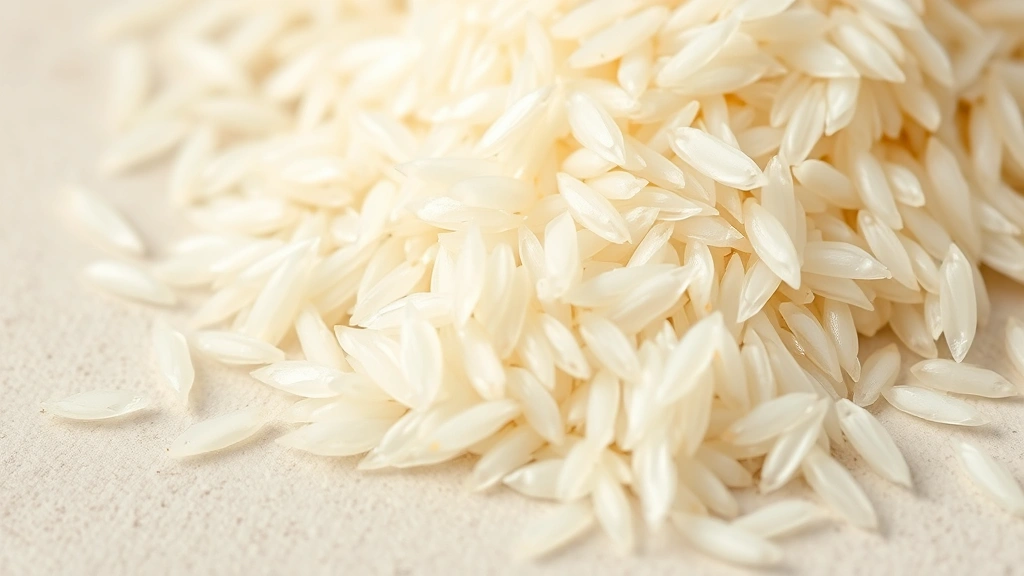
Basmati Rice Nutrition Facts Overview
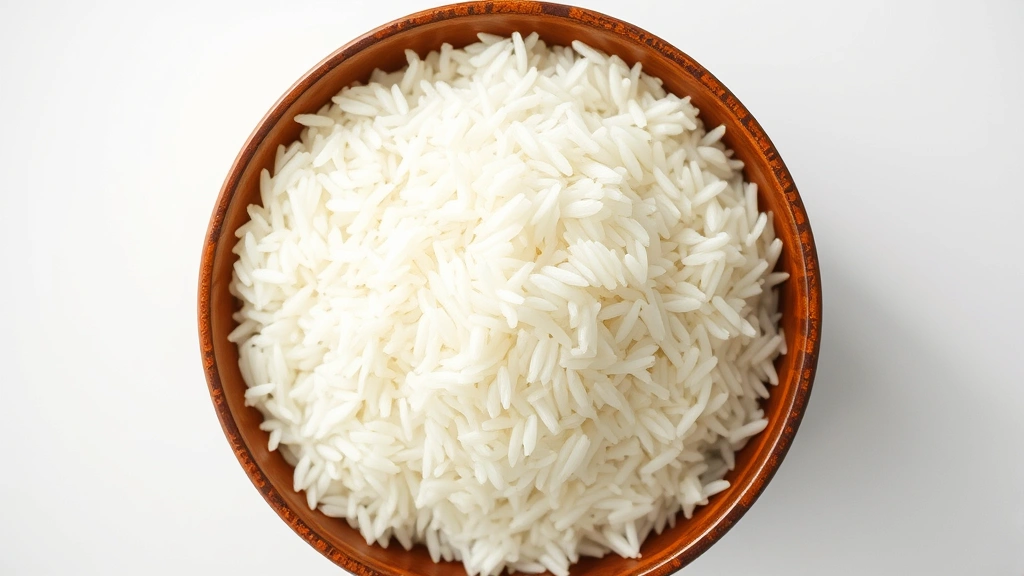
One cup of cooked basmati rice (approximately 185 grams) contains roughly 206 calories, making it a relatively moderate energy source compared to other carbohydrate-rich foods. The nutritional composition reflects basmati’s position as a refined grain, though certain varieties retain more nutritional value than others. Understanding the complete nutrient profile helps consumers make informed decisions about portion sizes and frequency of consumption.
Basmati rice distinguishes itself from other rice varieties through its unique amino acid composition and lower amylose content, which influences how the body processes and utilizes these carbohydrates. The grain’s natural characteristics have made it a dietary staple across South Asian, Middle Eastern, and increasingly Western cuisines. Registered dietitians often recommend basmati rice as a reasonable grain choice, particularly when incorporated thoughtfully into comprehensive dietary strategies that balance multiple nutrient sources.
The nutritional value of basmati rice can vary based on growing conditions, processing methods, and storage practices. White basmati rice undergoes polishing that removes the bran and germ, resulting in lower fiber and micronutrient content compared to brown basmati varieties. This distinction carries significant implications for individuals prioritizing specific nutritional goals or managing particular health conditions.
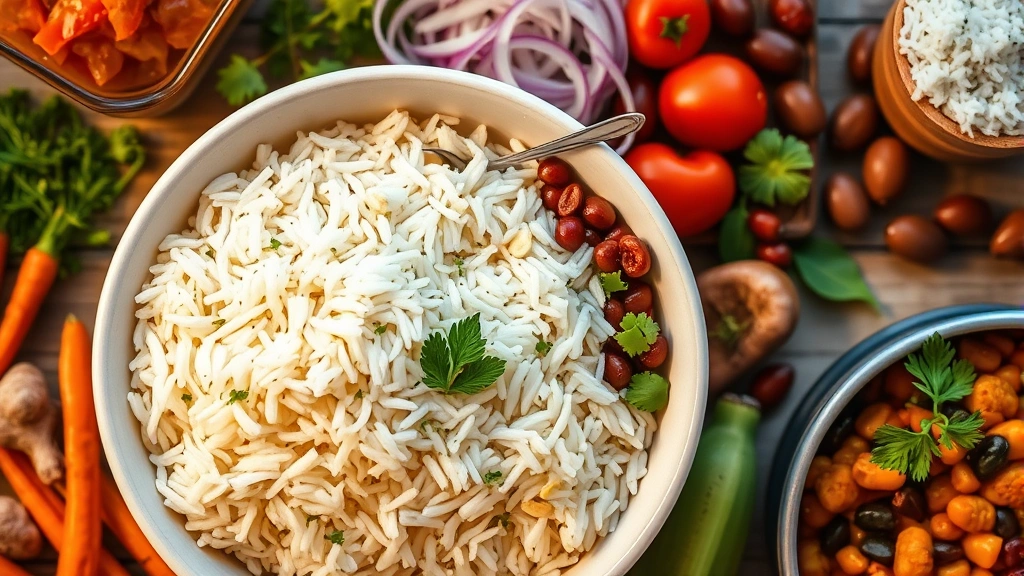
Macronutrient Breakdown and Caloric Content
Carbohydrates dominate basmati rice’s macronutrient profile, comprising approximately 45 grams per cooked cup. This substantial carbohydrate content makes basmati rice an excellent energy source, particularly valuable for individuals engaging in regular physical activity or athletes optimizing performance through diet. The carbohydrates in basmati rice consist primarily of starches that provide sustained energy release, though the exact glycemic response varies among individuals.
Protein content in basmati rice reaches approximately 4.3 grams per cooked cup, making it a modest but meaningful protein contributor. While basmati rice alone cannot serve as a complete protein source, combining it with legumes, vegetables, or animal proteins creates nutritionally complete meals. This complementary protein principle has been recognized across traditional cuisines for centuries, with dishes like dal and rice or rice and beans exemplifying this nutritional wisdom.
Fat content remains minimal in basmati rice at roughly 0.5 grams per cooked cup, consisting primarily of polyunsaturated and monounsaturated fats. This low-fat profile makes basmati rice suitable for various dietary approaches, including those targeting fat reduction for health or weight management purposes. The minimal fat content also contributes to basmati rice’s extended shelf stability and neutral flavor profile that complements diverse cuisines.
Dietary fiber in white basmati rice measures approximately 0.6 grams per cooked cup, considerably lower than brown rice varieties. For individuals prioritizing dietary fiber for optimal health, this limitation suggests combining basmati rice with high-fiber vegetables, legumes, or whole grain alternatives to meet daily fiber recommendations. Brown basmati rice provides roughly triple the fiber content, offering a more nutrient-dense alternative for those willing to accept longer cooking times and slightly different texture.
Micronutrients and Mineral Content
Basmati rice provides several important micronutrients, though quantities vary between white and brown varieties. White basmati rice often undergoes enrichment processes that restore certain vitamins and minerals removed during milling. Thiamine (Vitamin B1) content reaches approximately 0.07 milligrams per cooked cup in enriched white basmati, supporting energy metabolism and nervous system function. Niacin (Vitamin B3) levels measure around 1.5 milligrams, contributing to DNA repair and cellular energy processes.
Manganese represents one of basmati rice’s most abundant minerals, with approximately 0.8 milligrams per cooked cup. This trace mineral plays crucial roles in bone development, metabolic function, and antioxidant defense mechanisms. Iron content in enriched white basmati rice reaches roughly 1.9 milligrams per cup, making basmati rice a meaningful contributor to daily iron intake, particularly important for individuals at risk of iron deficiency anemia.
Magnesium content in basmati rice measures approximately 21 milligrams per cooked cup, supporting muscle function, energy production, and nervous system regulation. Phosphorus levels reach around 68 milligrams, essential for bone health and cellular energy metabolism. While these mineral quantities appear modest in isolation, their cumulative contribution to overall dietary mineral intake becomes significant when basmati rice features regularly in meals.
Selenium concentration in basmati rice provides approximately 15.4 micrograms per cooked cup, exceeding 28% of the daily recommended intake for adults. This powerful antioxidant mineral protects cells from damage, supports thyroid function, and contributes to immune system regulation. The selenium content in basmati rice represents a nutritional advantage over some other grain sources, particularly for individuals with limited access to selenium-rich foods.
Glycemic Index and Blood Sugar Impact
Basmati rice occupies a moderate position on the glycemic index scale, ranking between 50-58 depending on cooking method and individual factors. This moderate glycemic index distinguishes basmati rice from white rice varieties, which typically register higher on the scale. The lower glycemic response reflects basmati rice’s unique amylose-to-amylopectin ratio, influencing how quickly the body digests and absorbs the carbohydrates.
For individuals managing blood sugar levels or following diabetes management protocols, basmati rice presents a more favorable option compared to many white rice varieties. However, portion control remains essential, as even moderate glycemic index foods can impact blood sugar when consumed in large quantities. Pairing basmati rice with protein sources, healthy fats, and fiber-rich vegetables further moderates the glycemic response, creating more stable blood sugar patterns.
The cooking method significantly influences basmati rice’s glycemic impact. Cooking rice with a higher water-to-rice ratio and cooling the cooked rice afterward increases resistant starch formation, further reducing the glycemic response. Some research suggests that cooling cooked rice for several hours before reheating can reduce its digestibility and glycemic impact by up to 50%, offering practical strategies for those prioritizing blood sugar management.
Individual factors including metabolic health, insulin sensitivity, and overall meal composition create variation in how different people respond to basmati rice consumption. Continuous glucose monitoring studies demonstrate that identical basmati rice portions produce different blood sugar responses across individuals, emphasizing the importance of personalized dietary approaches rather than universal dietary prescriptions.
Fiber Content and Digestive Health
The fiber content limitation in white basmati rice represents its primary nutritional drawback compared to whole grain alternatives. With only 0.6 grams of fiber per cooked cup, white basmati rice fails to contribute meaningfully to the 25-38 grams of daily fiber recommendations for adults. This fiber deficiency becomes particularly relevant for individuals prioritizing digestive health, regular bowel function, and the prebiotic benefits associated with dietary fiber.
Brown basmati rice addresses this limitation substantially, providing approximately 1.8 grams of fiber per cooked cup through retention of the bran layer. While still lower than many whole grain alternatives, brown basmati rice represents a more nutritionally complete option for those seeking fiber benefits without abandoning basmati rice’s distinctive culinary characteristics. The trade-off involves longer cooking times (approximately 50 minutes versus 15 minutes for white basmati) and slightly earthier flavor profiles.
Dietary fiber serves multiple functions beyond basic digestive regularity, including feeding beneficial gut bacteria, supporting nutrition and mental health through the gut-brain axis, and promoting satiety that supports healthy weight management. The fiber deficiency in white basmati rice suggests strategic pairing with high-fiber foods rather than relying on basmati rice alone to meet fiber requirements.
Resistant starch formation in cooled basmati rice offers an alternative pathway to fiber benefits, creating compounds that function similarly to dietary fiber in supporting digestive health. This mechanism allows white basmati rice consumers to enhance the digestive benefits through simple preparation modifications, demonstrating that nutritional optimization extends beyond ingredient selection to cooking and storage practices.
Basmati vs Other Rice Varieties
Comparing basmati rice to alternative rice varieties reveals important nutritional distinctions that influence dietary suitability for different health goals. White jasmine rice, another aromatic rice variety, contains nearly identical macronutrient profiles but typically registers higher on the glycemic index, making basmati rice the superior choice for blood sugar management. Brown rice varieties provide substantially more fiber and micronutrients but lack basmati’s culinary characteristics and require significantly longer cooking.
Wild rice represents a nutritionally superior alternative, containing nearly double the protein content and substantially more fiber than basmati rice. However, wild rice’s higher cost, longer cooking time, and distinct flavor profile limit its accessibility and culinary versatility compared to basmati rice. Black rice (forbidden rice) and red rice varieties offer superior antioxidant compounds through their colored bran layers, though these specialty rices command premium prices.
Arborio rice and other risotto varieties contain higher amylopectin content, creating creamier textures but releasing carbohydrates more rapidly, resulting in higher glycemic responses. Sushi rice undergoes sweetening and vinegar treatment that significantly increases its glycemic impact. Basmati rice’s moderate glycemic index and longer grain structure that resists mushiness make it nutritionally and culinarily superior to these alternatives for most dietary applications.
Comparing basmati rice to refined grain alternatives beyond rice reveals important context. White bread and refined pasta varieties often register higher on the glycemic index and contain fewer micronutrients than basmati rice. Whole grain alternatives including quinoa, farro, and barley typically offer superior nutritional profiles but require different cooking methods and culinary approaches. The optimal choice depends on individual health goals, cultural preferences, and dietary flexibility.
Health Benefits for Athletes and Active Individuals
Athletes and physically active individuals benefit substantially from basmati rice’s carbohydrate-rich composition, which efficiently replenishes glycogen stores depleted during exercise. The approximately 45 grams of carbohydrates per cooked cup provide rapid energy restoration without excessive volume, making basmati rice ideal for post-workout nutrition timing. Combined with protein sources, basmati rice facilitates muscle recovery and adaptation processes that follow training stress.
The moderate glycemic index of basmati rice offers particular advantages for endurance athletes managing sustained energy availability. Unlike high-glycemic index carbohydrate sources that spike blood sugar rapidly and create subsequent crashes, basmati rice provides more stable glucose availability that sustains performance throughout training sessions or competition. This sustained energy release proves especially valuable for activities lasting 60-180 minutes where stable fuel delivery directly impacts performance.
For individuals following sports nutrition protocols for performance optimization, basmati rice’s digestibility and minimal fat content facilitate rapid gastric emptying and nutrient absorption. Athletes can consume basmati rice-based meals closer to training sessions compared to high-fat or high-fiber alternatives, enabling more flexible meal timing around workouts. The selenium content contributes to recovery processes through antioxidant mechanisms that reduce exercise-induced oxidative stress.
The amino acid profile in basmati rice, while incomplete alone, contains all nine essential amino acids in modest quantities. When combined with legume proteins common in athletic diets, basmati rice contributes to complete protein intake supporting muscle protein synthesis. Traditional athletic meal combinations pairing basmati rice with lentils, chickpeas, or beans demonstrate this complementary protein principle that dietitians have recognized for decades.
Preparation Methods That Maximize Nutrition
Cooking methodology significantly influences basmati rice’s final nutritional value and glycemic impact. The absorption method, where rice cooks in a measured water quantity until all liquid absorbs, preserves more water-soluble vitamins compared to the boiling method where excess water drains away. Using broth instead of plain water adds flavor and micronutrients without substantially altering nutritional profiles. Adding salt during cooking enhances flavor without meaningful nutritional disadvantage.
Cooling cooked basmati rice before consumption increases resistant starch formation, a process where some starch converts to forms resistant to digestion, functioning similarly to dietary fiber. Reheating cooled rice maintains these resistant starch benefits while improving food safety through proper temperature restoration. This simple technique allows white basmati rice consumers to approximate some digestive health benefits typically associated with whole grain varieties.
Enriching basmati rice with nutrient-dense additions dramatically improves its overall nutritional value. Incorporating legumes (lentils, chickpeas, beans) adds fiber, protein, and micronutrients while creating meals with superior amino acid profiles. Mixing vegetables into cooked rice increases fiber, vitamin, and mineral content while diluting the caloric density. Adding healthy fats through nuts, seeds, or oils enhances nutrient absorption of fat-soluble vitamins while promoting satiety.
Sprouting basmati rice, though less common commercially, increases micronutrient bioavailability and reduces phytic acid content that can inhibit mineral absorption. Soaking rice before cooking for 30 minutes slightly improves digestibility and reduces cooking time. These preparation techniques, rooted in traditional food preparation wisdom, offer modern nutrition science validation for optimizing basmati rice’s nutritional delivery and utilization.
Storage practices influence nutritional preservation, as basmati rice’s minimal fat content protects it from oxidative degradation. Storing cooked basmati rice in refrigeration for up to four days maintains nutritional integrity, while freezing extends shelf life to several months. Proper storage prevents contamination and maintains the nutritional value of cooked rice for meal planning purposes.
FAQ
Is basmati rice healthier than white rice?
Yes, basmati rice offers several nutritional advantages over standard white rice varieties. The moderate glycemic index (50-58) in basmati rice produces slower blood sugar responses compared to white rice (typically 73). Basmati rice also contains slightly higher micronutrient density and superior amino acid profiles. However, brown basmati rice or other whole grain alternatives provide substantially more fiber and micronutrients than white basmati rice.
How much basmati rice should I eat per day?
Appropriate basmati rice portions depend on individual health goals, activity levels, and overall dietary composition. Most dietary guidelines suggest 6 ounces of grains daily, with basmati rice potentially comprising one or two servings. For weight management, limiting portions to ½ to 1 cup cooked basmati rice per meal, paired with protein and vegetables, creates nutritionally balanced meals. Athletes may require larger portions based on training demands.
Does basmati rice contain arsenic?
Rice varieties, including basmati, can accumulate arsenic from soil and water sources. Research from FDA monitoring programs shows that basmati rice from India and Pakistan typically contains lower arsenic levels than other rice varieties. Cooking rice with excess water and draining it reduces arsenic content by approximately 50%. Varying rice consumption with other grains further reduces potential arsenic exposure.
Can basmati rice help with weight management?
Basmati rice can support weight management when consumed in appropriate portions and combined with protein, vegetables, and healthy fats. The moderate satiety index and moderate glycemic index prevent rapid blood sugar spikes that trigger hunger signals. However, portion control remains essential, as the 206 calories per cooked cup accumulates rapidly in larger servings. Prioritizing brown basmati rice or mixing white basmati with legumes increases fiber and satiety benefits.
Is basmati rice suitable for diabetic diets?
Basmati rice’s moderate glycemic index makes it more suitable for diabetes management compared to many white rice varieties. Individual responses vary considerably, making personal glucose monitoring valuable for determining individual tolerance. Combining basmati rice with protein, healthy fats, and fiber-rich vegetables moderates glycemic response. Portion control, typically limiting servings to ⅓ to ½ cup cooked basmati rice, helps maintain stable blood sugar levels. Consulting registered dietitians experienced in diabetes nutrition ensures personalized recommendations aligned with individual health goals.