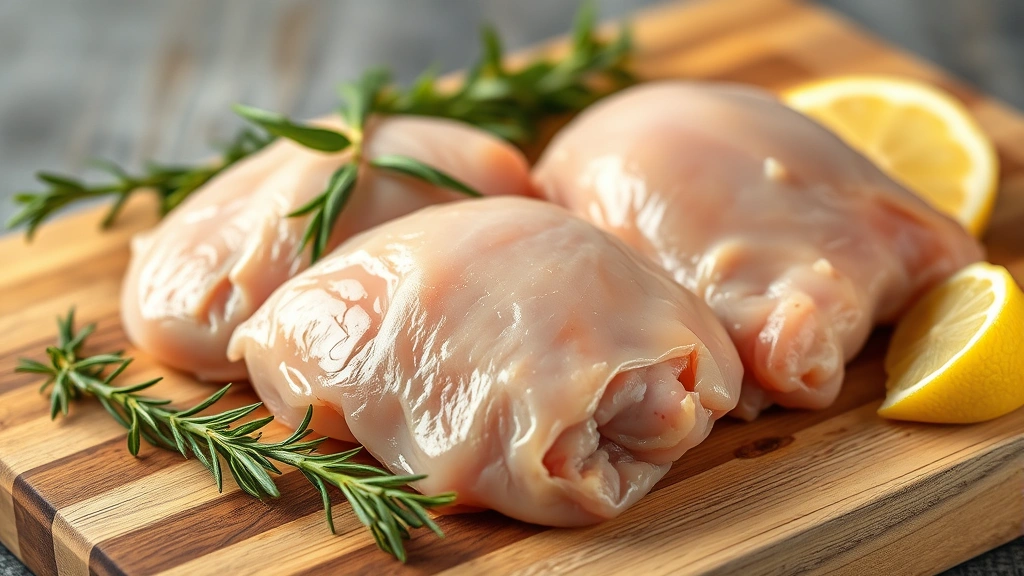
Boneless Skinless Chicken Thighs: Dietitian Insights on Nutrition and Health Benefits
Boneless skinless chicken thighs have emerged as a nutritional powerhouse that often gets overlooked in favor of their leaner breast counterparts. As registered dietitians continue to examine the complete nutritional profile of this poultry cut, evidence suggests that chicken thighs offer distinct advantages for overall health, muscle development, and sustained energy. Unlike chicken breasts, thighs contain higher levels of beneficial compounds including selenium, zinc, and B vitamins, making them an exceptionally versatile protein source for diverse dietary approaches.
The shift toward appreciating darker poultry meat reflects growing recognition that nutritional science extends beyond simple protein content. While chicken breasts dominated fitness and health conversations for decades, modern nutrition research demonstrates that boneless skinless chicken thighs provide superior micronutrient density, enhanced satiety, and improved bioavailability of essential minerals. This comprehensive guide explores what dietitians know about this often-underestimated protein source and how it can support your healthy nutrition plan.
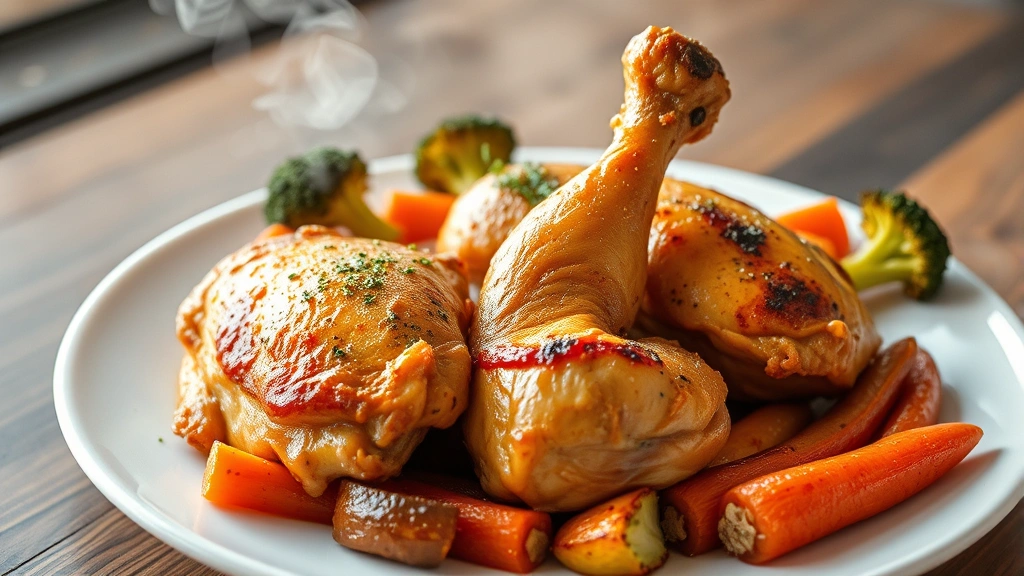
Complete Nutritional Breakdown
A 100-gram serving of boneless skinless chicken thighs provides approximately 209 calories, with macronutrient distribution that differs meaningfully from white meat. The protein content reaches about 26 grams per 100 grams, delivering all nine essential amino acids necessary for human health. Fat comprises roughly 11 grams per serving, while carbohydrates remain negligible at zero grams, making this protein source naturally suitable for various dietary frameworks.
The caloric density of chicken thighs compared to breasts reflects their higher intramuscular fat content, which contributes to both flavor and nutritional complexity. This fat isn’t merely empty calories—it serves as a vehicle for fat-soluble vitamin absorption and provides sustained energy release. When examining the complete nutritional picture, dietitians recognize that the additional calories come packaged with superior micronutrient concentration, making the overall nutritional value substantially higher than simple calorie comparisons suggest.
According to USDA FoodData Central, boneless skinless chicken thighs contain approximately 250 micrograms of selenium per 100 grams, representing nearly 450% of the daily recommended intake. This mineral plays crucial roles in thyroid function, antioxidant defense, and reproductive health. The presence of such concentrated micronutrients justifies the slightly higher caloric content and demonstrates why nutrition professionals increasingly recommend thighs as a superior protein choice.
Micronutrient Advantages Over Chicken Breast
The micronutrient profile of boneless skinless chicken thighs substantially exceeds that of chicken breasts across multiple essential nutrients. Zinc content reaches approximately 2.4 milligrams per 100 grams in thighs compared to 0.9 milligrams in breasts, supporting immune function, wound healing, and protein synthesis. This threefold difference becomes particularly significant for individuals following plant-based diets supplemented with poultry or those with increased zinc requirements.
B vitamin concentration demonstrates even more striking disparities. Niacin (vitamin B3) levels in chicken thighs reach 7.3 milligrams per 100 grams versus 9.2 in breasts, but the true advantage emerges in other B vitamins. Vitamin B6 content in thighs provides 0.5 milligrams per 100 grams, essential for neurotransmitter synthesis and immune response. Additionally, thighs contain superior levels of pantothenic acid and riboflavin, vitamins critical for energy metabolism that support athletic performance and recovery.
Iron bioavailability in poultry meat exceeds that of plant-based sources due to the presence of heme iron, a form readily absorbed by the human body. Chicken thighs provide approximately 1.3 milligrams of iron per 100 grams, contributing meaningfully to daily requirements, particularly for menstruating individuals and athletes. The combination of heme iron with vitamin C-rich vegetables enhances absorption further, making thigh-based meals particularly effective for addressing iron status.
Choline content in boneless skinless chicken thighs reaches approximately 80-100 milligrams per 100 grams, a nutrient often overlooked in nutritional discussions despite its importance in brain health and liver function. This becomes especially relevant when considering nutrition and mental health connections, as choline supports cognitive function and memory formation.
Protein Quality and Amino Acid Profile
The protein in boneless skinless chicken thighs meets all criteria for a complete protein source, containing all nine essential amino acids in proportions that support human health. Leucine, the branched-chain amino acid most critical for muscle protein synthesis, comprises approximately 1.8 grams per 100-gram serving, sufficient to trigger mTOR signaling and support muscle adaptation following resistance training.
Digestibility-corrected amino acid score (DIAAS) for poultry meat exceeds 1.0, indicating that the protein quality surpasses requirements for adults and children. This means the body efficiently utilizes the amino acids present, with minimal waste or inefficient processing. When comparing protein sources, DIAAS provides more accurate assessment than older metrics like biological value, as it accounts for true digestibility and amino acid bioavailability in the human small intestine.
The amino acid profile makes boneless skinless chicken thighs particularly valuable for individuals engaged in meal planning for athletic performance or muscle development. The consistent delivery of leucine, isoleucine, and valine in optimal ratios supports the anabolic response necessary for strength gains and muscle hypertrophy. Older adults particularly benefit from this amino acid distribution, as protein quality becomes increasingly important for maintaining muscle mass during aging.
Beyond structural proteins, the amino acids in chicken thighs serve as precursors for important compounds throughout the body. Tryptophan supports serotonin synthesis, affecting mood and sleep quality. Methionine provides methyl groups for numerous metabolic processes. Tyrosine serves as a precursor for dopamine and norepinephrine, neurotransmitters critical for focus and motivation. This comprehensive amino acid delivery system explains why protein-rich diets based on complete proteins like chicken demonstrate superior outcomes for satiety, metabolism, and overall wellbeing.
Fat Content and Heart Health Considerations
The fat content in boneless skinless chicken thighs—approximately 11 grams per 100 grams—comprises roughly 3.7 grams of saturated fat, 4.6 grams of monounsaturated fat, and 2.3 grams of polyunsaturated fat. This composition demonstrates that chicken thighs aren’t predominantly saturated fat sources, contrary to occasional misconceptions. The fatty acid profile actually aligns well with current dietary recommendations emphasizing monounsaturated and polyunsaturated fats.
Recent cardiovascular research, including meta-analyses published in mainstream medical journals, indicates that the saturated fat from poultry sources doesn’t demonstrate the same cardiovascular risk associations as saturated fat from processed meats. The presence of beneficial compounds including selenium and various B vitamins appears to confer protective effects. When consumed as part of balanced diets including foods like avocados, chicken thighs contribute to heart-healthy eating patterns.
The fat-soluble vitamins in chicken thighs—particularly vitamin E and vitamin A—function as antioxidants supporting cardiovascular health. Selenium, abundant in thighs, participates in antioxidant enzyme systems that protect against oxidative stress and inflammation, both implicated in atherosclerosis development. The integrated nutritional profile suggests that consuming boneless skinless chicken thighs as part of a varied diet poses no cardiovascular risk for most individuals and may offer distinct advantages over exclusively consuming lean proteins.
According to research from the American Heart Association, poultry consumption remains associated with favorable cardiovascular outcomes when prepared without added saturated fats or excessive sodium. The key consideration involves preparation methods rather than the inherent nutritional properties of the protein source itself.
Preparation Methods for Maximum Nutrition
Cooking methods significantly impact the retention of heat-sensitive nutrients in boneless skinless chicken thighs. Gentle poaching or steaming preserves water-soluble B vitamins more effectively than high-heat methods, though the impact remains modest since most B vitamins in chicken demonstrate relative heat stability. Roasting at moderate temperatures (375-400°F) balances flavor development through the Maillard reaction while minimizing nutrient loss.
Marinating chicken thighs in acidic components like lemon juice, vinegar, or yogurt enhances mineral bioavailability through chelation, a process where acids bind minerals in forms more readily absorbed by the intestinal tract. This simple preparation technique increases zinc and iron absorption substantially, making marinades not merely flavor vehicles but nutritional enhancers. The combination of acid and fat from marinade oils facilitates absorption of fat-soluble vitamins as well.
Slow cooking methods including braising, stewing, and slow-roasting prove particularly advantageous for chicken thighs. The extended cooking time at moderate temperatures allows collagen breakdown into gelatin and produces bone broth-like compounds when thighs are cooked with skin-on bones nearby. This preparation style enhances satiety and supports gut health through the collagen-derived amino acids glycine and proline, which support intestinal barrier integrity.
Avoiding charring and excessively high temperatures minimizes formation of advanced glycation end products (AGEs), compounds that accumulate in tissues and promote inflammation when consumed in high quantities. Maintaining cooking temperatures below the smoke point of your chosen oil and avoiding charred surfaces represents a simple strategy for maximizing nutritional quality of prepared chicken thighs.
Incorporating Into Meal Plans
Boneless skinless chicken thighs integrate seamlessly into diverse meal planning approaches, from Mediterranean diets emphasizing healthy fats to high-protein plans supporting athletic goals. The versatility extends across cuisines, with thighs performing exceptionally well in Asian preparations, Middle Eastern spice blends, Latin American marinades, and European braised preparations. This adaptability makes them valuable for individuals seeking dietary variety without compromising nutritional goals.
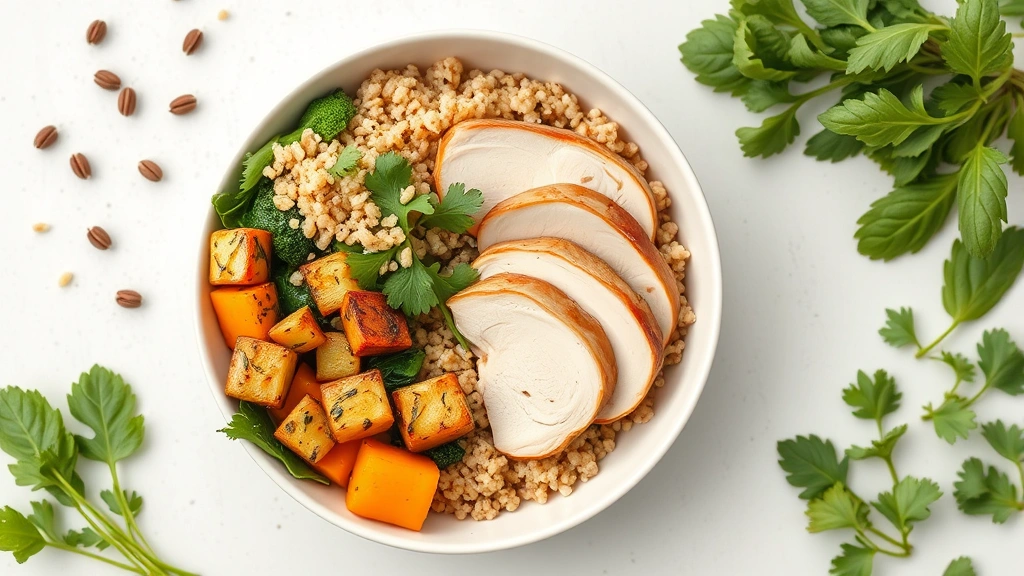
When constructing balanced meals around chicken thighs, pairing them with fiber-rich vegetables and whole grains creates nutritionally complete plates. The fat in thighs enhances absorption of fat-soluble vitamins from vegetables, while fiber moderates blood sugar response and supports healthy digestion. A typical optimal meal combines 150-200 grams of cooked chicken thighs with 2-3 cups of non-starchy vegetables and a quarter-cup of whole grains or legumes.
Portion flexibility accommodates various dietary approaches. Individuals following low-carbohydrate protocols can increase thigh portions while reducing grain components, leveraging the satiety from both protein and fat. Those emphasizing whole foods and plant-based approaches can use smaller thigh portions (3-4 ounces) combined with legume proteins, creating complementary amino acid profiles that support diverse health objectives.
Meal preparation strategies benefit substantially from chicken thighs’ forgiving nature. Unlike lean chicken breasts that dry out when overcooked, thighs remain moist and tender even with extended cooking, making batch-cooking convenient for weekly meal preparation. A single cooking session produces multiple meals suitable for various applications, from grain bowls to salads to sandwich preparations.
Storage and Food Safety Guidelines
Proper storage of boneless skinless chicken thighs maintains both safety and nutritional quality. Raw thighs remain safe in refrigeration for 1-2 days at temperatures below 40°F (4°C), while cooked preparations maintain safety for 3-4 days under identical conditions. Freezing extends raw thigh storage to 9-12 months and cooked preparations to 2-3 months, though quality degradation becomes noticeable beyond 6 months as oxidation affects flavor and nutrient profiles.
Thawing frozen chicken thighs requires planning, as safe methods include overnight refrigeration, cold-water immersion (changing water every 30 minutes), or cooking directly from frozen with extended cooking times. Avoiding room-temperature thawing prevents bacterial proliferation in the danger zone between 40°F and 140°F (4°C to 60°C). When thawing in water, submerging in airtight packaging prevents cross-contamination and maintains moisture.
Cross-contamination prevention protects against foodborne illness while preserving nutritional value. Using separate cutting boards for raw poultry, washing hands thoroughly after handling, and preventing raw poultry contact with ready-to-eat foods represents standard food safety practice. These precautions prove especially important in households including immunocompromised individuals, pregnant people, or young children.
Checking for spoilage involves assessing color, odor, and texture. Fresh raw chicken thighs display pink coloration with white fat, while spoiled thighs develop gray discoloration and emit sour or off odors. Slimy texture indicates bacterial growth and necessitates disposal. These sensory assessments provide reliable spoilage indicators more reliable than arbitrary date labels on packaging.
FAQ
How do boneless skinless chicken thighs compare nutritionally to chicken breast?
Boneless skinless chicken thighs contain similar protein levels but offer substantially higher micronutrient density, including 250% more selenium, 250% more zinc, and superior B vitamin concentrations. Thighs provide greater satiety due to higher fat content and deliver more fat-soluble vitamins. While breasts contain fewer calories, thighs provide superior overall nutritional value when considering complete micronutrient profiles.
Are boneless skinless chicken thighs appropriate for weight loss diets?
Yes, chicken thighs support weight loss effectively despite higher caloric density than breasts. The protein and fat combination creates superior satiety, reducing overall calorie intake at subsequent meals. Studies demonstrate that higher-protein diets featuring varied protein sources, including fattier cuts, produce better adherence and more sustainable weight loss than restrictive approaches emphasizing only lean proteins.
Can boneless skinless chicken thighs fit into a Mediterranean diet?
Absolutely. Mediterranean dietary patterns emphasize poultry consumption, and chicken thighs fit perfectly within these guidelines. Preparing thighs with olive oil, Mediterranean herbs, and vegetable combinations aligns completely with Mediterranean principles. The fat composition in thighs—predominantly unsaturated fats combined with monounsaturated olive oil—creates heart-healthy meal patterns.
What’s the best cooking method for preserving nutrients in chicken thighs?
Moderate-temperature methods including roasting at 375-400°F, braising, and poaching preserve nutrients most effectively. Marinating in acidic ingredients before cooking enhances mineral bioavailability. Avoiding high-heat charring and smoke-point temperatures minimizes formation of potentially harmful compounds while maintaining nutritional quality.
How much boneless skinless chicken thigh should I consume daily?
Most dietary guidelines recommend 5-6.5 ounces of protein daily for adults, with individual needs varying by body weight, activity level, and health status. Boneless skinless chicken thighs can comprise the entire daily protein intake or combine with other protein sources. Registered dietitians can provide personalized recommendations based on individual health goals and medical history.
Do boneless skinless chicken thighs contain any harmful contaminants?
Properly handled chicken thighs pose minimal contamination risk. Standard food safety practices including proper storage, thawing, and cooking to 165°F (74°C) internal temperature eliminate pathogenic bacteria. Choosing thighs from reputable sources and following storage guidelines ensures safety. Antibiotic-free or pasture-raised options appeal to individuals concerned about antibiotic exposure, though safety remains equivalent across sourcing methods when handled properly.
Boneless skinless chicken thighs represent an underappreciated protein source deserving greater attention from health-conscious individuals. The comprehensive nutritional profile—including superior micronutrient density, complete amino acid composition, and favorable fat distribution—makes thighs nutritionally superior to commonly emphasized lean proteins. When incorporated thoughtfully into balanced nutrition approaches, chicken thighs support diverse health objectives from athletic performance to sustainable weight management. Dietitian-recommended preparation methods and storage practices ensure both safety and nutrient preservation, making thighs a practical, delicious, and nutritionally sophisticated protein choice for individuals seeking optimal health outcomes.


