The Cheesecake Factory has built its reputation on indulgence, decadent desserts, and generous portion sizes that often exceed standard nutritional guidelines. With over 250 menu items and an extensive cheesecake selection, navigating this casual dining establishment requires informed decision-making. This dietitian’s analysis examines the Cheesecake Factory nutrition information across appetizers, entrees, sides, and desserts to help diners make choices aligned with their health goals.
Understanding the nutritional landscape of chain restaurants is increasingly important as Americans consume roughly one-third of their calories from dining out. The Cheesecake Factory presents particular challenges because portion sizes are notoriously large—often exceeding 1,500 calories in a single entree—and calorie-dense ingredients like cream cheese, butter, and sugar dominate the menu. This comprehensive guide breaks down the nutritional reality of dining at this popular establishment and provides practical strategies for making healthier selections.
Understanding Cheesecake Factory Portion Sizes
The Cheesecake Factory’s signature characteristic—oversized portions—represents one of the most significant nutritional challenges for health-conscious diners. A typical Cheesecake Factory entree contains 1,200 to 2,200 calories, which represents 60-110% of an average adult’s daily caloric needs in a single meal. This portion inflation has become normalized in casual dining culture, but it stands in stark contrast to healthy nutrition plans that typically recommend 500-700 calories per meal.
The restaurant’s business model depends on perceived value through abundance. A pasta entree that would normally serve two people is plated as a single serving. This creates a psychological challenge: diners feel obligated to finish what’s on their plate, leading to overconsumption. Research from the Pew Research Center on food consumption patterns indicates that plate size and portion visibility significantly influence how much people consume, regardless of satiety cues.
Practical mitigation strategies include requesting a to-go container immediately upon receiving your meal, sharing an entree with another diner, or consuming only half and saving the remainder. Many Cheesecake Factory locations now provide detailed nutrition information on their website, allowing pre-meal planning to prevent surprises.
Appetizer Nutrition Breakdown
Appetizers at the Cheesecake Factory are designed as shareable starters, yet they frequently contain 500-1,000 calories per serving. The Crispy Crab Cakes appetizer, for example, contains approximately 740 calories and 43 grams of fat in just three pieces. When shared among four people, this becomes more reasonable at 185 calories per person, but most diners consume larger portions.
Deep-fried appetizers dominate the menu and include:
- Fried Mac and Cheese Bites: 850 calories, 48g fat, 75g carbohydrates
- Chicken Lettuce Wraps: 620 calories, 35g fat (relatively better option)
- Spinach and Artichoke Dip: 1,020 calories, 76g fat (one of the worst choices)
- Fried Calamari: 680 calories, 42g fat
- Bruschetta: 340 calories, 12g fat (among the better choices)
The restaurant’s reliance on cream-based dips and deep-frying techniques means appetizers typically contain 35-50% of calories from fat. For context, nutritional guidelines recommend keeping total fat intake to 20-35% of daily calories. A single appetizer can nearly reach or exceed this threshold.
Healthier appetizer selections include the Bruschetta, Chicken Lettuce Wraps (despite higher calories), or requesting a side of steamed vegetables if available. Many diners find that skipping appetizers entirely and focusing on a modified entree helps maintain caloric balance.
Entree Analysis and Hidden Calories
Entrees represent the primary challenge when dining at the Cheesecake Factory. The menu features pasta dishes, grilled proteins, and combination plates, yet nearly all exceed standard nutritional recommendations. Understanding the hidden calorie sources helps identify which dishes are most problematic.
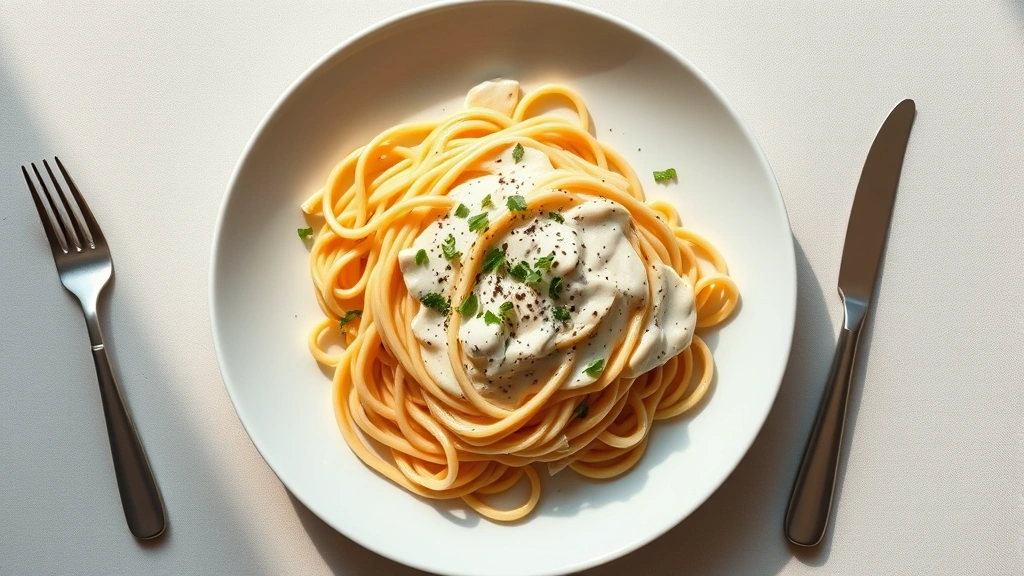
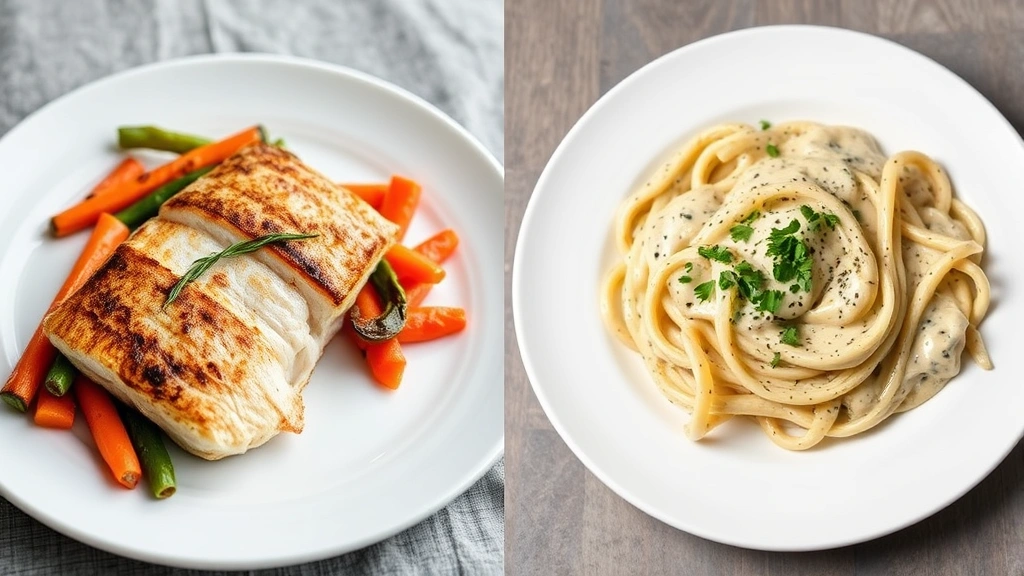
Pasta Entrees are particularly calorie-dense due to cream sauces, cheese, and generous portions. The Pasta Carbonara contains 2,330 calories—exceeding the entire daily caloric needs of many adults. The Fettuccini Alfredo delivers 2,160 calories with 128 grams of fat. These dishes typically derive 60-70% of calories from fat, primarily from cream, butter, and cheese.
Grilled Protein Options appear healthier due to leaner preparation methods, yet accompanying sauces and sides undermine their nutritional profile. The Grilled Fish of the Day might contain 800-1,200 calories depending on sauce preparation. The Herb-Crusted Salmon includes 1,100 calories with 64 grams of fat. While the protein content is substantial (35-45g), the overall caloric load remains excessive.
Combination Plates featuring multiple proteins prove especially problematic. The Factory Meatloaf with chicken, shrimp, and beef totals 1,890 calories. The California Grilled Chicken Sandwich reaches 1,650 calories when including fries and coleslaw.
The nutrition facts label generator approach reveals that most Cheesecake Factory entrees contain 50-100g of fat, with saturated fat reaching 20-35g per dish. The American Heart Association recommends limiting saturated fat to 5-6% of daily calories (approximately 13g for a 2,000 calorie diet). A single Cheesecake Factory entree can provide 2-3 days’ worth of saturated fat recommendations.
Cheesecake Desserts: The Complete Picture
Cheesecake represents the restaurant’s signature offering, and the nutritional data is staggering. A single slice of Original Cheesecake contains 780 calories, 53 grams of fat, and 63 grams of carbohydrates. The Godiva Chocolate Cheesecake reaches 1,000 calories per slice with 70 grams of fat. Specialty varieties like the White Chocolate Raspberry Cheesecake deliver 850 calories and 57 grams of fat.
These desserts are engineered for maximum palatability through sugar and fat combinations. The average cheesecake slice contains 40-70 grams of added sugar, representing 80-140% of the American Heart Association’s recommended daily limit for women (25g) and 53-93% for men (36g). This single dessert can trigger significant blood sugar spikes and contribute to energy crashes within hours.
Beyond traditional cheesecake, the restaurant offers chocolate layer cakes (1,180 calories), carrot cakes (960 calories), and chocolate mousse cakes (1,090 calories). Even the “lighter” options like the Lemon Cheesecake contain 670 calories per slice. The restaurant does not offer true “light” or reduced-calorie dessert options, making dessert selection a significant nutritional compromise.
Healthier Menu Alternatives
Despite the overall caloric density of the Cheesecake Factory menu, strategic selections can create a more balanced meal. These choices require understanding ingredient substitutions and portion management strategies.
Best Entree Options:
- Grilled Fish with Vegetables: Request sauce on the side and skip the starch. Approximate totals: 500-700 calories, 20-30g fat
- Herb-Crusted Salmon (half portion): Request half the standard portion and substitute fries for steamed broccoli. Approximate totals: 550-650 calories, 28-32g fat
- Chicken Piccata: One of the lighter preparations with lemon and capers. Approximately 750 calories, 38g fat
- Factory Burger (no fries): Request lettuce wrap if available and substitute fries with a side salad. Approximately 600-700 calories
- Grilled Chicken Breast: Simple preparation with minimal sauce. Approximately 650 calories, 24g fat
These options require specific customizations that many diners hesitate to request. The Cheesecake Factory generally accommodates modifications, though staff training on nutritional concerns varies by location.
Salad Selections: Salads can work if dressing is requested on the side. The Grilled Chicken Salad without dressing contains approximately 350 calories; with standard dressing, it reaches 700-800 calories. The Cobb Salad, despite its vegetable base, contains bacon, cheese, and eggs, pushing it to 900 calories before dressing.
Regarding nutrition and mental health, making intentional food choices supports both physical and mental wellbeing by reducing post-meal guilt and energy fluctuations.
Beverage Considerations: Standard soft drinks add 140-180 calories per serving. Sweet tea and lemonade contain 120-160 calories. Water, unsweetened iced tea, or black coffee represent zero-calorie options. The restaurant’s specialty beverages like milkshakes contain 800-1,200 calories—equivalent to a full meal.
Sodium and Added Sugar Concerns
Beyond calories and fat, sodium and added sugar represent significant health concerns at the Cheesecake Factory. Most entrees contain 2,000-4,000 milligrams of sodium, exceeding the American Heart Association’s daily recommendation of 2,300mg in a single meal. This excessive sodium intake contributes to hypertension, fluid retention, and increased cardiovascular disease risk.
The Spinach and Artichoke Dip appetizer contains 2,040mg of sodium alone. Pasta dishes frequently reach 3,000-4,500mg. Even seemingly simple grilled fish preparations often contain 1,500-2,500mg due to added salt, sauces, and preparation methods.
Added sugar represents another hidden concern. Beyond desserts, many savory dishes contain significant sugar through glazes, sauces, and prepared ingredients. The Barbecue Chicken Salad contains 58 grams of added sugar despite being a “salad.” The Thai Lettuce Wraps contain 35 grams of sugar. These amounts exceed total daily recommendations before any dessert consumption.
The Nutrients Pathway Blog provides detailed breakdowns of hidden sugars in restaurant foods and strategies for identification.
Strategies for Mindful Dining
Successfully navigating the Cheesecake Factory requires intentional strategies that extend beyond menu selection. These approaches help diners enjoy the restaurant experience while maintaining nutritional goals.
Pre-Meal Planning: Review the complete nutrition information available on the Cheesecake Factory website before arriving. Identify 2-3 acceptable options and commit to one. This eliminates in-the-moment decision-making influenced by visual cues and social pressure.
Portion Management: Request a to-go container immediately upon receiving your meal. Place half the entree in the container before eating. This removes the visual temptation to finish everything on your plate and provides a second meal for later.
Protein-Forward Ordering: Prioritize protein-containing entrees, as protein increases satiety and helps prevent overeating. Request additional protein substitutions for starches when available.
Sauce Separation: Request all sauces on the side. This allows portion control and prevents hidden calorie accumulation. Many creamy sauces contain 200-400 calories per serving.
Social Navigation: When dining in groups where others order indulgent items, remember that your nutritional goals are independent of their choices. Politely decline offers to share high-calorie appetizers or desserts unless you’ve allocated calories for them.
Beverage Strategy: Commit to water or unsweetened beverages before arriving. Alcohol adds 100-300 calories per drink and impairs judgment regarding food choices. A cocktail plus dessert can total 1,500+ calories.
Dessert Alternatives: Since the Cheesecake Factory offers no truly light dessert options, consider sharing a single slice among multiple people or declining dessert entirely. The restaurant allows outside desserts at some locations—bringing a small homemade treat eliminates the “all or nothing” dessert dilemma.
Research from the National Institutes of Health demonstrates that pre-planning and environmental structure significantly improve adherence to nutritional goals in restaurant settings.
Frequency Considerations: Nutritionists recommend limiting Cheesecake Factory visits to monthly or less frequent occasions. The nutritional excess makes regular consumption incompatible with long-term health goals. When visits are infrequent, the indulgence becomes a special occasion rather than a dietary staple.
FAQ
What is the lowest-calorie entree at Cheesecake Factory?
The Grilled Fish of the Day or simplified Grilled Chicken Breast represent the lowest-calorie entree options, typically ranging from 500-700 calories when modifications are requested. However, actual calorie content varies based on sauce preparation and portion size. Always verify current nutrition information directly with the restaurant, as menu items and preparation methods change.
Can I eat at Cheesecake Factory while following a keto diet?
The Cheesecake Factory’s heavy reliance on carbohydrates and sugar makes it challenging for strict keto adherence. However, ordering a grilled protein with steamed vegetables and requesting no bread or starch can approximate keto macronutrients. The high sodium content may cause temporary water retention. Consult your healthcare provider before making significant dietary changes.
How much sodium is in a typical Cheesecake Factory meal?
Most Cheesecake Factory entrees contain 2,000-4,500mg of sodium, often exceeding the entire daily recommendation in a single meal. This excessive sodium intake can contribute to bloating, hypertension, and cardiovascular strain. Requesting low-sodium preparation and avoiding appetizers helps reduce sodium consumption.
Are there any vegan options at Cheesecake Factory?
The Cheesecake Factory offers limited vegan options. The Veggie Burger (without cheese) and some salads can be modified to be vegan by requesting no cheese, dressing on the side, and no animal products. However, preparation methods and cross-contamination concerns require direct communication with restaurant staff. Vegan diners may find more accommodating options at restaurants specializing in plant-based cuisine.
What is the nutritional difference between a slice of cheesecake and a dessert alternative?
A typical Cheesecake Factory cheesecake slice contains 700-1,000 calories, 50-70g fat, and 40-70g sugar. Comparable restaurant desserts (chocolate cake, mousse cake) range from 900-1,200 calories. No significantly lighter dessert option exists on the menu. Sharing a single slice or declining dessert entirely represents the most effective strategy for calorie management.
How can I balance a Cheesecake Factory meal with my daily nutrition goals?
Account for the restaurant meal’s high calories, sodium, and sugar by consuming lighter meals throughout the day. If planning a 1,500-calorie Cheesecake Factory entree, consume only 500-700 calories in other meals. Increase water intake to manage sodium-related bloating. Incorporate extra physical activity to offset caloric excess. Reference nutrition for athletes and performance optimization principles for structured calorie adjustment strategies.
Does Cheesecake Factory provide accurate nutrition information?
The Cheesecake Factory provides nutrition information on their website, though accuracy varies. Laboratory testing of restaurant foods frequently reveals discrepancies between stated and actual values, particularly for sodium and sugar. Treat published nutrition information as approximate rather than exact. When precision is critical for medical conditions (diabetes, hypertension), err on the side of assuming values are slightly higher than stated.