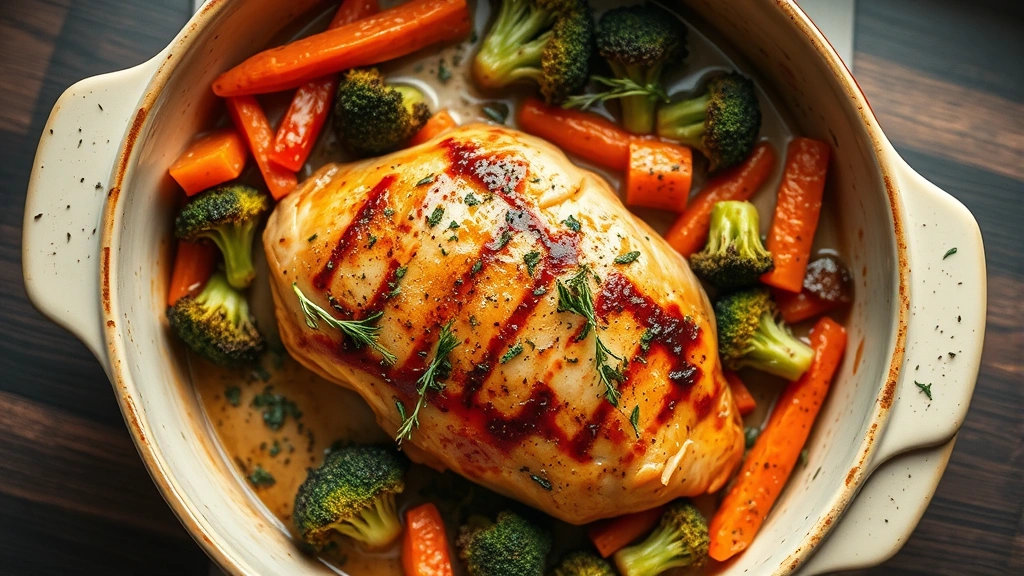
Chicken Bake Nutrition Facts: Dietitian Insights
Chicken bake represents one of the most versatile and nutritionally balanced meal options available to health-conscious home cooks. Whether you’re preparing a simple weeknight dinner or planning meals for the week ahead, understanding the nutritional composition of chicken bake dishes helps you make informed dietary choices that align with your health goals. This comprehensive guide breaks down the nutrition facts, explores preparation methods that optimize nutritional value, and provides expert insights from registered dietitians on how to maximize the health benefits of this beloved comfort food.
The appeal of chicken bake extends beyond its ease of preparation—it offers substantial protein content, adaptable ingredient combinations, and the opportunity to incorporate nutrient-dense vegetables and whole grains. From a dietitian’s perspective, chicken bake can be an excellent protein source for weight management, muscle maintenance, and sustained energy throughout the day. Understanding the specific nutritional breakdown allows you to customize recipes to meet your individual dietary requirements, whether you’re following a specific healthy nutrition plan or managing particular health conditions.
Basic Nutritional Composition of Chicken Bake
A standard chicken bake prepared with boneless, skinless chicken breasts, vegetables, and a light sauce typically contains approximately 250-350 calories per serving, depending on portion size and specific ingredients used. The macronutrient distribution generally follows a pattern of 40-50% protein, 20-30% fat, and 10-20% carbohydrates, making it a protein-forward meal option suitable for various dietary frameworks.
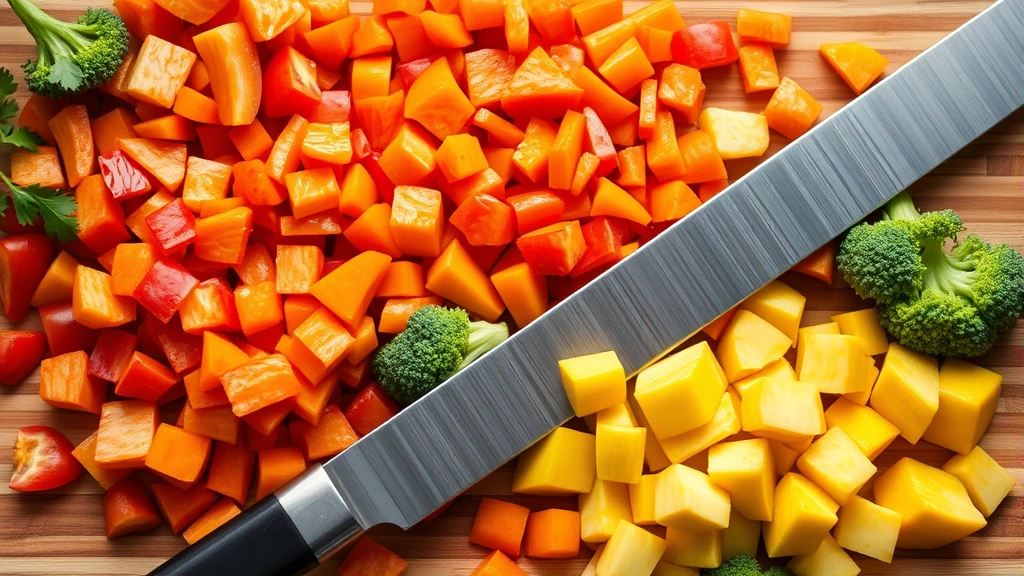
The foundational ingredients—chicken breast, seasonal vegetables, and binding ingredients like broth or light cream—contribute distinct nutritional profiles. A four-ounce serving of cooked chicken breast provides roughly 35 grams of protein with minimal fat, serving as the nutritional anchor for the entire dish. When combined with vegetables like broccoli, bell peppers, and carrots, you introduce fiber, vitamins, and phytonutrients that enhance the overall nutritional density of your meal.
According to research from the National Institutes of Health’s nutrition database, understanding these baseline nutritional facts allows home cooks to make informed modifications. You can use our nutrition facts label generator to calculate precise nutritional information based on your specific recipe ingredients and proportions.
Protein Content and Muscle Benefits
Chicken breast stands as one of the most protein-dense foods available, making chicken bake an exceptional choice for individuals focused on muscle development, recovery, and maintenance. A typical chicken bake serving delivers 30-40 grams of complete protein containing all nine essential amino acids, supporting optimal muscle protein synthesis and recovery following physical activity.
From a dietitian perspective, the protein in chicken bake supports multiple physiological functions beyond muscle building. Adequate protein intake enhances satiety, helping reduce overall calorie consumption throughout the day—a crucial factor in weight management strategies. The thermic effect of protein, requiring approximately 20-30% of consumed calories for digestion and processing, provides metabolic advantages compared to carbohydrates and fats.
For individuals following nutrition for athletes protocols, chicken bake offers particular advantages. The easily digestible protein supports post-workout recovery windows, while the customizable vegetable components provide carbohydrates for glycogen replenishment. Research published by the International Society of Sports Nutrition confirms that poultry-based meals effectively support athletic performance goals.
Fat Profile and Heart Health Considerations
The fat content in chicken bake varies significantly based on preparation method and ingredient selection. Using boneless, skinless chicken breast minimizes saturated fat intake, typically containing only 1-2 grams per four-ounce serving. This distinction matters considerably for cardiovascular health, as the American Heart Association recommends limiting saturated fat to 5-6% of daily calories.
When preparing chicken bake, the cooking method dramatically influences the final fat composition. Baking without added oil preserves the lean protein benefits of chicken breast, while incorporating vegetables like olives, nuts, or cheese-based sauces increases both total and saturated fat content. A dietitian-approved approach involves using cooking sprays or minimal oil, combined with flavor-building techniques like herb marinades, garlic infusions, or acidic ingredients such as lemon juice and vinegar.
The inclusion of monounsaturated and polyunsaturated fats from ingredients like olive oil, avocados, or nuts can actually enhance cardiovascular health when incorporated mindfully. These healthy fats support nutrient absorption for fat-soluble vitamins including A, D, E, and K—nutrients often abundant in the vegetable components of chicken bake recipes. The American Heart Association provides detailed guidelines on optimizing fat intake for heart health.
Carbohydrates and Energy Balance
Carbohydrate content in chicken bake depends entirely on accompanying ingredients and serving methodology. A vegetable-forward preparation containing primarily non-starchy vegetables like broccoli, zucchini, and bell peppers provides 15-25 grams of carbohydrates per serving, predominantly from fiber and micronutrient-rich sources rather than simple sugars.
The fiber content from vegetables plays a crucial role in digestive health and blood sugar regulation. According to research on the importance of dietary fiber, adequate fiber intake supports healthy cholesterol levels, stable glucose metabolism, and beneficial gut microbiota development. A chicken bake prepared with substantial vegetable volume can contribute 4-8 grams of dietary fiber per serving, supporting the recommended daily intake of 25-35 grams.
When chicken bake includes starchy components—whether rice, pasta, or potatoes—carbohydrate content increases to 40-60 grams per serving. This modification suits individuals with higher energy demands or those engaging in regular physical activity, though portion control remains important for weight management goals. The glycemic index of included carbohydrates influences blood sugar response, with whole grain options providing slower, more sustained energy release compared to refined carbohydrate alternatives.
Micronutrients and Mineral Content
Beyond macronutrients, chicken bake delivers impressive micronutrient density when prepared with diverse vegetable selections. Chicken breast provides substantial B vitamins including niacin, B6, and B12—essential for energy metabolism and neurological function. The selenium content in chicken supports thyroid function and antioxidant defense systems.
Vegetables incorporated into chicken bake contribute complementary micronutrient profiles. Broccoli delivers vitamin C for immune support and collagen synthesis, while carrots provide beta-carotene for vision health and cellular protection. Bell peppers add additional vitamin C and capsaicin, a compound with potential anti-inflammatory properties. Spinach or kale inclusions boost iron, calcium, and lutein content—the latter supporting eye health and cognitive function.
The mineral content becomes particularly significant when considering nutrition and mental health connections. Magnesium from vegetables supports neurotransmitter function and stress response regulation, while phosphorus and potassium from chicken and vegetables maintain electrolyte balance crucial for muscle function and cardiovascular health.
Preparation Methods That Enhance Nutrition
The cooking method selected for chicken bake significantly impacts final nutritional quality. Baking at moderate temperatures (350-375°F) preserves heat-sensitive vitamins while ensuring thorough cooking for food safety. This gentle heat application maintains the integrity of B vitamins and vitamin C compared to high-heat cooking methods.
Marinating chicken before baking introduces flavor while reducing the need for added fats or sodium. Acidic marinades containing lemon juice, vinegar, or yogurt may enhance mineral bioavailability while adding antimicrobial compounds. Herb-based marinades using garlic, rosemary, thyme, and oregano contribute polyphenols—plant compounds with antioxidant and anti-inflammatory properties.
The cooking vessel choice matters considerably. Glass or ceramic baking dishes prevent potential interactions between acidic ingredients and reactive metals, while parchment paper prevents sticking without added cooking oils. Covering the baking dish during cooking traps moisture, reducing the need for added liquids and preserving nutrient content in cooking mediums that can be incorporated into final dishes.
Ingredient Variations and Nutritional Impact
Sauce selection dramatically alters chicken bake’s nutritional profile. A light broth-based sauce containing 1-2 cups of low-sodium chicken or vegetable broth adds minimal calories while enhancing flavor and moisture. Cream-based sauces incorporating full-fat dairy increase saturated fat content by 5-10 grams per serving, though they provide calcium and additional protein.
Cheese additions require careful consideration from a nutritional standpoint. Sharp cheeses deliver more flavor per ounce, allowing reduced quantities while maintaining taste satisfaction. A quarter-cup of shredded cheese adds approximately 110 calories and 9 grams of fat, with 6 grams being saturated. Conversely, using modest amounts of intensely flavored cheeses like parmesan or feta provides satisfying flavor profiles with smaller nutritional impacts.
Vegetable selection provides the greatest opportunity for nutritional optimization. Cruciferous vegetables like broccoli and cauliflower contain sulforaphane, a compound under investigation for potential cancer-preventive properties. Orange and red vegetables provide carotenoids supporting vision and immune function. Including leafy greens adds folate, iron, and calcium while maintaining low calorie density. Visit our nutrients pathway blog for additional ingredient-specific nutrition information.
Serving Sizes and Portion Control
Standard serving sizes for chicken bake typically range from 1.5 to 2 cups per portion, containing approximately 350-450 calories depending on ingredient density and sauce incorporation. Understanding appropriate portion sizes supports weight management goals while ensuring adequate nutritional intake for satiety and sustained energy.
Dietitian recommendations suggest filling half your plate with non-starchy vegetables, one-quarter with protein (approximately 3-4 ounces of chicken), and one-quarter with complex carbohydrates if included. This visual portion guide naturally supports appropriate macronutrient ratios without requiring detailed calorie counting.
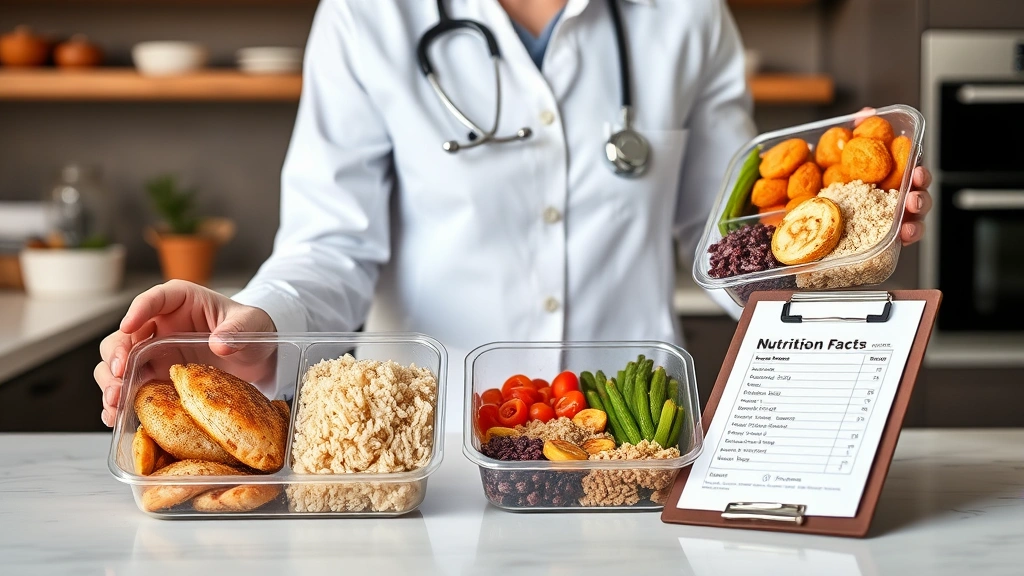
Meal preparation practices significantly influence portion control success. Pre-portioning chicken bake into individual containers immediately after cooking prevents overconsumption and ensures consistent nutritional intake across multiple meals. Freezing portions in appropriate quantities allows convenient access to healthy meals while maintaining nutritional quality for up to three months.
Dietary Considerations and Modifications
Individuals following specific dietary patterns can adapt chicken bake to meet nutritional requirements. For low-carbohydrate diets, emphasizing non-starchy vegetables and minimizing grain-based components maintains ketogenic or low-carb principles while preserving satiety and micronutrient density.
Those pursuing plant-based eating can substitute chicken with legumes, tofu, or tempeh, adjusting cooking times and flavor profiles accordingly. Legume-based variations provide additional fiber and micronutrients while reducing overall fat content and cost per serving.
Sodium-sensitive individuals should prepare homemade broths and sauces rather than relying on commercial varieties, which often contain 800-1000mg of sodium per cup. Using herbs, spices, and acidic ingredients creates satisfying flavors without sodium burden.
Allergy-friendly modifications address common dietary restrictions. Dairy-free preparations use coconut milk, cashew cream, or olive oil-based sauces. Gluten-free versions substitute standard flour with almond flour or cornstarch for thickening agents. These modifications maintain nutritional integrity while accommodating specific dietary needs.
FAQ
How many calories are in a typical chicken bake serving?
A standard serving of chicken bake containing four ounces of chicken breast with vegetables and light sauce typically contains 300-400 calories, though this varies based on specific ingredients and portion size. Using our nutrition facts label generator, you can calculate precise calorie content for your specific recipe.
Is chicken bake healthy for weight loss?
Yes, chicken bake can effectively support weight loss goals due to high protein content promoting satiety, low calorie density when prepared with vegetables, and customizable ingredient selection. The key involves controlling portion sizes, minimizing added fats and sodium, and emphasizing non-starchy vegetables.
What vegetables should I include in chicken bake?
Optimal vegetable selections include broccoli, cauliflower, bell peppers, carrots, zucchini, mushrooms, and leafy greens. These provide diverse micronutrient profiles, fiber, and phytonutrients while maintaining relatively low calorie density. Aim to fill half your baking dish with vegetables.
Can chicken bake accommodate dietary restrictions?
Absolutely. Chicken bake adapts to numerous dietary requirements through ingredient substitution. Dairy-free alternatives use plant-based creams, gluten-free modifications use appropriate thickeners, and protein variations substitute chicken with legumes or plant-based options while maintaining nutritional benefits.
How should I store chicken bake for meal prep?
Allow chicken bake to cool completely before transferring to airtight containers, then refrigerate for up to four days or freeze for up to three months. Freeze in individual portions for convenient reheating. Thaw overnight in the refrigerator before reheating at 350°F until warmed through.
What’s the best sauce for chicken bake nutrition?
Light broths with herbs provide maximum flavor with minimal added calories and sodium. Yogurt-based sauces add protein and probiotics. Avoid heavy cream-based sauces if managing saturated fat intake. Experiment with combinations of low-sodium broth, fresh herbs, garlic, and acidic ingredients like lemon juice.


