Chicken Wing Nutrition: Dietitian’s Insight
Chicken wings have become one of America’s most beloved finger foods, consumed at sporting events, casual gatherings, and restaurants across the nation. Yet despite their popularity, many people remain confused about their nutritional profile. Are they a protein powerhouse or a dietary disaster? The answer, as with most foods, lies in understanding the details. This comprehensive guide explores chicken wing nutrition from a dietitian’s perspective, breaking down macronutrients, micronutrients, and practical strategies for incorporating them into a balanced diet.
Whether you’re a fitness enthusiast tracking macros, a health-conscious consumer making informed choices, or simply curious about what you’re eating, understanding chicken wing nutrition empowers better dietary decisions. We’ll examine different preparation methods, portion sizes, and how wings fit into various healthy nutrition plans, while addressing common misconceptions about this protein-rich food.
Basic Nutritional Breakdown of Chicken Wings
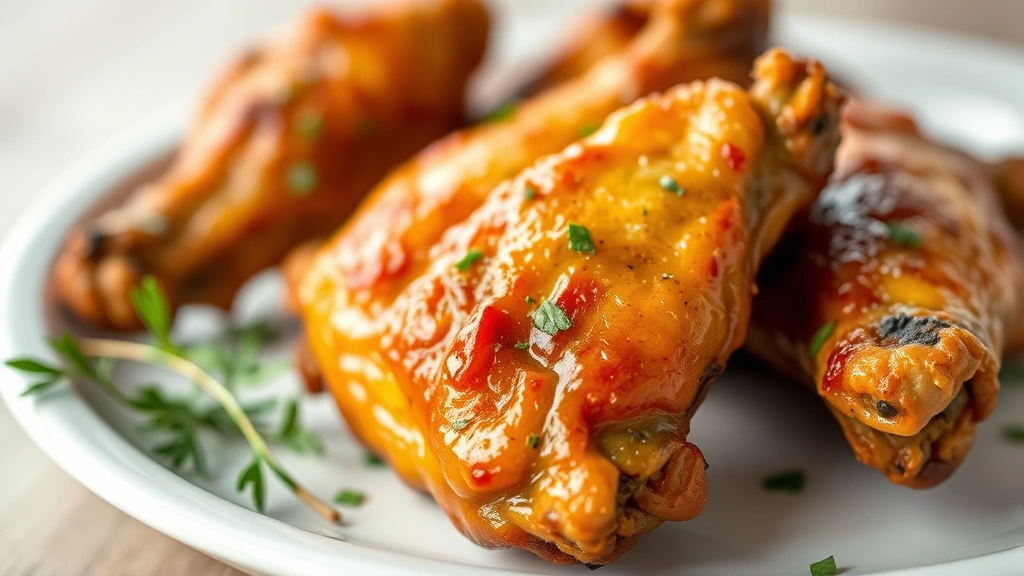
A typical serving of chicken wings—approximately 100 grams or about three medium wings—contains roughly 203 calories, making them a moderately calorie-dense food. The macronutrient distribution shows approximately 30 grams of protein, 9.7 grams of fat, and minimal carbohydrates (zero grams). These figures represent wings prepared without breading or sauce, providing a baseline for understanding how preparation methods dramatically alter the nutritional equation.
The skin on chicken wings contributes significantly to both calorie and fat content. Wings with skin intact contain considerably more fat than skinless wings, though they also provide more flavor and certain fat-soluble vitamins. A 100-gram portion of chicken wings with skin contains approximately 11.9 grams of fat, compared to 3.6 grams in skinless wings. This distinction matters greatly for individuals monitoring fat intake or following specific dietary protocols.
Comparing chicken wings to other poultry parts reveals interesting nutritional relationships. Chicken breasts offer higher protein-to-fat ratios, while thighs provide more iron and zinc. Wings occupy a middle ground, offering respectable protein with moderate fat content that many find satisfying and flavorful. Understanding these comparisons helps contextualize wings within broader dietary choices and nutritional diversity.
Protein Content and Amino Acid Profile
Chicken wings deliver approximately 30 grams of protein per 100-gram serving, positioning them as an excellent protein source for muscle maintenance, repair, and growth. This protein content becomes especially significant when considering that wings are often consumed as snack foods, allowing consumers to obtain substantial protein intake in casual eating contexts.
The amino acid profile of chicken wings includes all nine essential amino acids, making it a complete protein source. Leucine, isoleucine, and valine—the branched-chain amino acids (BCAAs)—appear in particularly robust quantities. These amino acids play crucial roles in muscle protein synthesis, making wings valuable for individuals engaged in resistance training or seeking to optimize nutrition for athletes.
Research from the American Journal of Clinical Nutrition demonstrates that poultry proteins, including those from chicken wings, support satiety and metabolic health. The thermic effect of protein—the energy required to digest protein—means that consuming wings generates greater post-meal calorie expenditure compared to carbohydrate or fat consumption. This metabolic advantage contributes to the appeal of protein-rich foods in weight management strategies.
For individuals following high-protein diets, chicken wings offer versatility and palatability advantages. Unlike chicken breasts, which can become dry when overcooked, wings maintain moisture and flavor across various cooking methods, encouraging consistent protein consumption without monotony.
Fat Content: Separating Myth from Reality
Popular dietary narratives often vilify chicken wing fat, yet modern nutritional science presents a more nuanced perspective. The fat in chicken wings comprises approximately 40% monounsaturated fat, 20% polyunsaturated fat, and 40% saturated fat. This distribution means that nearly 60% of wing fat consists of unsaturated fats associated with cardiovascular health benefits.
Saturated fat in chicken wings appears primarily as stearic acid, a saturated fat with neutral effects on cholesterol levels according to research published by the American Heart Association. This distinction matters because not all saturated fats affect health identically. The presence of oleic acid, an omega-9 monounsaturated fat abundant in olive oil, further supports the cardiovascular profile of chicken wing fat.
The fat-soluble vitamins in chicken wings—particularly vitamins A, D, E, and K—require dietary fat for absorption and utilization. The fat content of wings actually enhances nutrient bioavailability, making the fat component functionally beneficial rather than merely caloric. This relationship illustrates why completely removing fat from chicken wings through skinning or defatting reduces nutritional completeness.
Preparation methods dramatically alter fat content and composition. Deep-fried wings may absorb 8-12 grams of additional fat per serving, while baked or air-fried preparations maintain the inherent fat content with minimal additions. Sauce selection also impacts nutritional profiles—cream-based sauces add saturated fat, while vinegar-based or dry rubs minimize additional fat contributions.
Micronutrients and Vitamins in Chicken Wings
Beyond macronutrients, chicken wings provide significant micronutrient contributions often overlooked in casual nutritional discussions. A 100-gram serving contains approximately 75 micrograms of selenium, a powerful antioxidant mineral supporting thyroid function and immune health. Wings provide roughly 75% of the daily recommended selenium intake, a substantial contribution from a single food.
Phosphorus content in chicken wings reaches approximately 220 milligrams per 100 grams, supporting bone health and energy metabolism. The phosphorus-to-calcium ratio in poultry, while not ideal for bone health in isolation, becomes balanced when consumed with calcium-rich foods as part of varied diets. This consideration emphasizes the importance of evaluating individual foods within broader dietary patterns rather than in isolation.
B vitamins feature prominently in chicken wing nutrition. Niacin (B3) content supports cellular energy production, while B6 facilitates amino acid metabolism and neurotransmitter synthesis. Pantothenic acid (B5) participates in fatty acid synthesis and hormone production. These B vitamins, water-soluble and non-toxic in excess, make wings valuable contributors to metabolic health.
Zinc and iron content in chicken wings supports immune function, oxygen transport, and enzyme activity. The bioavailability of these minerals from animal sources exceeds that from plant sources, making chicken wings particularly efficient sources for individuals at risk of deficiency. Athletes and individuals with elevated nutrient demands often benefit from understanding how to improve nutrient absorption of minerals like zinc and iron.
Preparation Methods and Their Impact
Cooking methodology represents perhaps the most significant variable affecting chicken wing nutrition. Baking at 400°F (200°C) for 25-30 minutes produces wings with minimal nutrient loss and no additional fat absorption. This method preserves B vitamins while allowing some moisture loss that concentrates flavors naturally. Air frying offers similar nutritional benefits with reduced cooking time and enhanced browning through the Maillard reaction.
Deep frying, the traditional preparation method for restaurant and sports bar wings, increases calorie content by 60-80% compared to baking. A single deep-fried wing may absorb 2-3 grams of oil, transforming a 100-gram baked wing serving from approximately 203 calories to 300+ calories. While this method enhances flavor and texture through fat emulsification and browning, the nutritional implications require consideration within individual dietary contexts.
Boiling wings before frying—a technique used by some restaurants to reduce overall fat content while maintaining texture—reduces nutrient density through water-soluble vitamin leaching. This method offers calorie reduction but sacrifices nutritional completeness. Grilling over direct heat can produce heterocyclic amines (HCAs) and polycyclic aromatic hydrocarbons (PAHs), compounds formed at high temperatures that warrant moderation in consumption frequency.
Sauce selection dramatically influences the complete nutritional profile. Buffalo sauce, primarily vinegar and hot sauce, adds minimal calories and fat. Barbecue sauce adds approximately 50-60 calories and 12-15 grams of sugar per serving. Cream-based sauces contribute 100+ calories and 8+ grams of saturated fat. Honey garlic and teriyaki preparations introduce 60-80 calories and significant sodium from soy sauce components.
Portion Control and Serving Recommendations
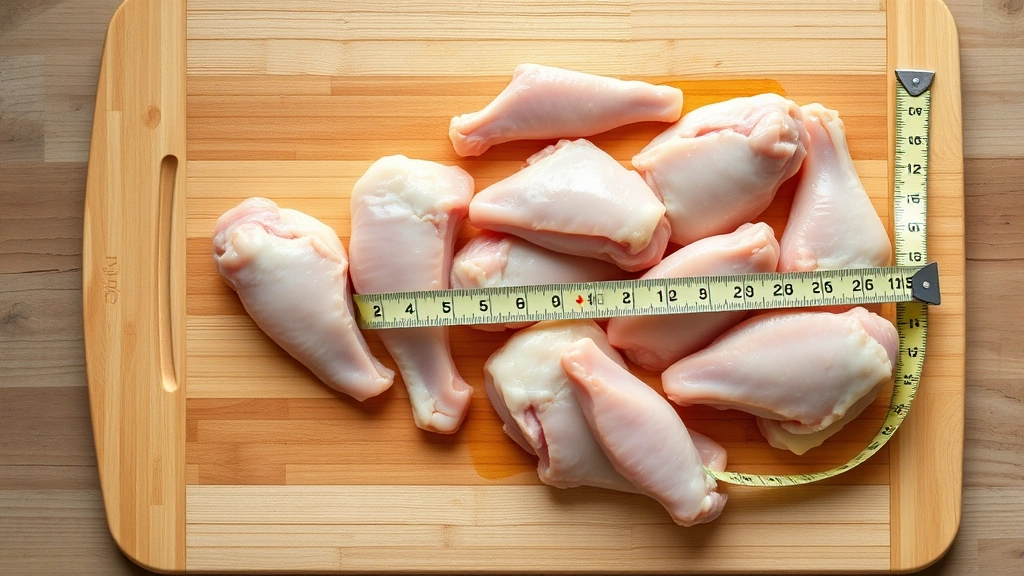
Defining appropriate chicken wing portions requires context about individual dietary goals, activity levels, and overall nutritional needs. A standard serving of 3-4 wings (approximately 100 grams) provides manageable calorie and macronutrient contributions suitable for most adults as part of mixed meals. However, casual consumption patterns often exceed these portions substantially.
For weight management goals, chicken wings fit effectively within calorie budgets when portion-controlled. The high protein content promotes satiety, often resulting in reduced overall calorie consumption compared to lower-protein alternatives. Pairing wings with vegetable-based sides amplifies satiety while maintaining moderate overall calorie intake. The Nutrients Pathway Blog regularly discusses strategic portion control approaches for various protein sources.
Frequency recommendations depend on preparation methods and sauce selection. Wings prepared through baking or air frying without cream-based sauces can be consumed 2-3 times weekly without nutritional concern for most adults. Deep-fried varieties warrant more conservative frequency, perhaps once weekly, to maintain balanced fat intake and prevent excessive calorie accumulation.
Individual considerations matter significantly. Individuals with hypertension should monitor sodium intake, as sauces and seasoning blends can contribute 400-600 milligrams of sodium per serving. Those managing lipid profiles benefit from skinless wing preparation or limiting deep-fried consumption. Athletes and active individuals can accommodate larger portions and higher frequencies due to elevated energy and protein requirements.

Wings in Athletic Performance and Recovery
Chicken wings offer distinct advantages for athletic populations seeking convenient, palatable protein sources. The complete amino acid profile, with particularly high leucine content, supports muscle protein synthesis following resistance training. Research published in the Journal of the International Society of Sports Nutrition confirms that poultry proteins effectively stimulate muscle growth when consumed post-exercise.
The fat content in chicken wings provides sustained energy and supports absorption of fat-soluble vitamins critical for athletic performance. Vitamin D supports bone health and calcium absorption, particularly important for athletes engaging in high-impact activities. Vitamin E provides antioxidant protection against exercise-induced oxidative stress, potentially supporting recovery.
Athletes implementing nutrition for athletes optimization often find wings particularly useful for meeting elevated protein requirements without excessive meal preparation. A serving of wings provides 25-30 grams of protein comparable to other convenient options, with superior satiety compared to many processed alternatives.
Timing considerations matter in athletic contexts. Consuming wings immediately post-workout provides amino acids for muscle repair, though combining them with carbohydrates enhances insulin response and nutrient uptake. This combination supports glycogen replenishment alongside muscle protein synthesis, optimizing recovery adaptations.
Health Considerations and Dietary Concerns
Individuals with specific health conditions must consider chicken wing nutrition within medical contexts. Those managing cardiovascular disease benefit from limiting deep-fried preparations and cream-based sauces while embracing baked wings with vinegar-based seasonings. The American Heart Association supports poultry consumption as a heart-healthy protein choice when prepared with minimal added fats.
Gout sufferers should note that chicken contains purines, compounds metabolized to uric acid that can precipitate gout attacks in susceptible individuals. While chicken contains fewer purines than red meat or organ meats, moderation remains advisable. Individuals with gout history should monitor portion sizes and frequency, particularly if consuming multiple purine sources simultaneously.
Sodium content in prepared wings warrants attention for individuals managing hypertension. Commercial wings and sauces often contain 600-1200 milligrams of sodium per serving. Preparing wings at home with minimal added salt and using low-sodium sauces or dry rubs allows better sodium control aligned with medical recommendations of 2,300 milligrams daily or lower.
Individuals with dietary fiber concerns should recognize that wings contain zero fiber. Pairing them with fiber-rich vegetables and whole grains, as discussed in our guide to the importance of dietary fiber for your health, ensures balanced nutrient intake and supports digestive health.
Food safety considerations apply to chicken wings as to all poultry products. Internal temperature must reach 165°F (74°C) to eliminate pathogenic bacteria. Proper storage at 40°F (4°C) or below, with consumption within 1-2 days of purchase, prevents foodborne illness. Cross-contamination prevention through separate cutting boards and utensils remains essential.
FAQ
How many calories are in a chicken wing?
A single medium chicken wing with skin contains approximately 65-70 calories, while skinless wings contain approximately 40-45 calories. These figures vary based on size and cooking method, with deep-fried wings containing 80-90 calories due to oil absorption.
Are chicken wings healthy?
Chicken wings provide excellent protein, essential amino acids, and important micronutrients, making them nutritionally valuable when prepared through baking or air frying. Deep-fried preparations increase calorie and fat content substantially, requiring moderation. Overall healthfulness depends on preparation method, portion size, and frequency within individual dietary patterns.
Do chicken wings have carbohydrates?
Plain cooked chicken wings contain zero carbohydrates. However, most sauces contain significant carbohydrates—buffalo sauce contains minimal carbs (1-2 grams), while barbecue and teriyaki sauces contain 12-15 grams per serving. Breaded wings add 15-20 grams of carbohydrates from flour coating.
Can I eat chicken wings on a diet?
Yes, chicken wings fit effectively within weight loss diets when portion-controlled and prepared through low-fat methods. The high protein content promotes satiety, and 3-4 wings provide substantial nutrition within manageable calorie budgets. Pairing with vegetable sides and choosing vinegar-based or dry seasonings maximizes nutritional value while minimizing excess calories.
What’s the difference between wing nutrition and other chicken parts?
Chicken breasts offer higher protein-to-fat ratios, making them preferable for strict fat restriction. Thighs contain more iron, zinc, and B vitamins but higher fat content. Wings provide balanced nutrition between these extremes, with superior flavor and moisture retention compared to breasts, making them more palatable for consistent consumption.
How should I prepare chicken wings nutritionally?
Baking at 400°F for 25-30 minutes preserves nutrients while avoiding additional fat absorption. Air frying offers similar benefits with enhanced browning. Pair with vinegar-based sauces or dry rubs to minimize added sodium and sugar. Avoid deep frying if managing calories or fat intake, and always ensure internal temperature reaches 165°F for food safety.