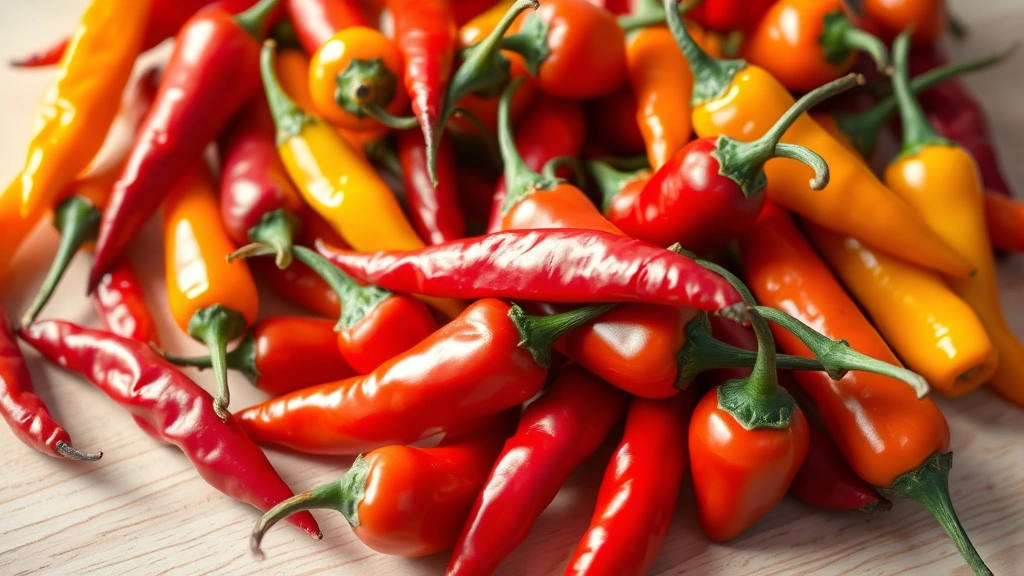
Are Chilis Healthy? Nutritionist Insight on Capsaicin, Vitamins & Benefits
Chili peppers have captivated cuisines worldwide for centuries, but beyond their fiery kick lies a compelling nutritional profile that deserves serious attention. Whether you’re wondering if that spicy salsa is actually good for you or considering adding more peppers to your healthy nutrition plan, the answer is nuanced and science-backed. Nutritionists increasingly recognize chilis as functional foods—ingredients that go beyond basic nutrition to offer measurable health advantages.
The question “Are chilis healthy?” isn’t simply answered with yes or no. Instead, it requires understanding the specific compounds that make peppers remarkable, recognizing how preparation methods affect their nutritional value, and identifying which populations benefit most from their consumption. This comprehensive guide examines the science behind chili nutrition, explores potential health concerns, and provides practical guidance for incorporating these vibrant vegetables into your diet strategically.
Complete Nutritional Profile of Chilis
Understanding what’s actually in a chili pepper requires examining the raw data. A medium fresh red chili pepper (approximately 45 grams) contains roughly 12 calories, 2.2 grams of carbohydrates, 0.2 grams of fat, and 0.5 grams of protein. These numbers seem modest until you consider that peppers are 88% water—the solid matter is exceptionally nutrient-dense.
The caloric content varies significantly based on pepper type and maturity. Red peppers, which have matured longer on the plant, contain more sugars and calories than green varieties. A dried chili, by contrast, concentrates nutrients dramatically. One dried red chili (approximately 2 grams) delivers similar nutrient density to several fresh peppers due to water removal, making dried peppers ideal for those seeking concentrated nutritional impact.
Carbohydrate content in chilis is primarily simple sugars in fresh peppers and complex carbohydrates in dried varieties. The fiber content, while modest at 1.5 grams per medium pepper, contributes to the importance of dietary fiber for your health. Fat content is negligible, making chilis naturally low-fat additions to meals.
What distinguishes chilis nutritionally is their micronutrient concentration. A single medium red chili provides approximately 65% of the daily value for vitamin C, 32% for vitamin A, and notable amounts of potassium, manganese, and molybdenum. These figures explain why nutrition scientists classify peppers as superfoods despite their low caloric contribution.
Capsaicin: The Active Compound Behind Health Benefits
Capsaicin is the alkaloid responsible for chili peppers’ heat and, more importantly, their most significant health benefits. This compound doesn’t actually create heat—it triggers pain receptors in your mouth and digestive tract, creating the sensation of burning. Understanding capsaicin is fundamental to answering whether chilis are healthy.
Research published by the National Institutes of Health demonstrates that capsaicin activates transient receptor potential vanilloid 1 (TRPV1) channels, which initiates a cascade of physiological responses. These responses include increased heart rate, enhanced metabolic activity, and activation of anti-inflammatory pathways. The compound is remarkably stable during cooking, maintaining its bioavailability even when peppers are dried or heated.
Capsaicin concentration varies dramatically among pepper varieties. Jalapeños contain 2,500–8,000 Scoville Heat Units (SHU), while habaneros reach 100,000–350,000 SHU, and Carolina Reapers exceed 2 million SHU. This variation means your health benefits scale with pepper intensity—hotter peppers deliver more capsaicin per unit weight.
The compound’s effects extend beyond immediate sensation. Regular capsaicin consumption appears to desensitize TRPV1 receptors over time, which paradoxically increases tolerance while maintaining health benefits. This adaptation explains why chronic chili consumers often experience less burning sensation but continued metabolic advantages—a phenomenon studied extensively in nutritional biochemistry.
Vitamins, Minerals & Antioxidants in Chilis
Vitamin C content in fresh chilis rivals or exceeds that of oranges. A single red bell pepper contains 190 mg of vitamin C, while hot peppers typically contain 80–100 mg per medium pepper. This vitamin functions as a potent antioxidant, protecting cells from oxidative damage and supporting immune function. Importantly, vitamin C facilitates iron absorption, making chilis particularly valuable when paired with iron-rich foods.
Vitamin A, primarily in the form of beta-carotene, comprises approximately 48% of red chili’s dry weight. Beta-carotene converts to vitamin A in your body and accumulates in the retina, supporting vision health. The deep red color of mature peppers indicates high carotenoid concentration—a visual indicator of nutritional density.
Beyond vitamins, chilis contain flavonoids, particularly quercetin and luteolin, which function as anti-inflammatory and antioxidant agents. These compounds work synergistically with capsaicin to reduce systemic inflammation. Research from peer-reviewed nutrition journals increasingly documents how these polyphenols influence chronic disease prevention.
Mineral content includes potassium (302 mg per medium pepper), crucial for cardiovascular health and blood pressure regulation. Manganese supports bone metabolism and antioxidant enzyme function. Molybdenum participates in detoxification pathways. While individual amounts seem modest, the mineral synergy creates meaningful physiological impact when consumed regularly as part of a varied diet.
The antioxidant capacity of chilis, measured by ORAC (Oxygen Radical Absorbance Capacity) scores, ranks them among the highest-scoring vegetables. Red peppers score approximately 3,500 ORAC units per 100 grams, comparable to blueberries and superior to most other common vegetables. This antioxidant density directly counteracts oxidative stress implicated in aging and disease.
Science-Backed Health Benefits of Regular Chili Consumption
Metabolic Enhancement represents one of chilis’ most documented benefits. Capsaicin increases thermogenesis—heat production in your body—through activation of brown adipose tissue. Studies indicate that consuming capsaicin increases metabolic rate by 4–5% for several hours post-consumption. While this doesn’t constitute dramatic weight loss, consistent consumption creates cumulative metabolic advantage, particularly when combined with other lifestyle factors.
Cardiovascular Health improvements emerge from multiple mechanisms. Capsaicin promotes vasodilation (blood vessel widening), improving blood flow and reducing blood pressure. The antioxidants in chilis decrease LDL cholesterol oxidation, a critical step in atherosclerosis development. Potassium content supports healthy heart rhythm. Population studies show that populations with high chili consumption exhibit lower cardiovascular disease rates, though causation requires additional research.
Pain Management through capsaicin has achieved pharmaceutical recognition. Topical capsaicin creams treat neuropathic pain, arthritis, and post-surgical pain by desensitizing pain receptors. Oral consumption may provide systemic benefits, though effects are more subtle than topical application. Athletes increasingly use chili consumption strategically for post-workout recovery and inflammation management.
Blood Sugar Regulation represents an emerging area of research with significant implications. Capsaicin appears to enhance insulin secretion and improve glucose tolerance. Studies in diabetic populations show that capsaicin consumption correlates with improved glycemic control. The mechanism involves TRPV1 activation in pancreatic beta cells, increasing insulin responsiveness. This benefit particularly interests those following nutrition-focused dietary approaches.
Gastrointestinal Health improvements counter the popular misconception that spicy foods damage digestion. Capsaicin actually stimulates mucus secretion in the stomach, protecting the gastric lining. It promotes healthy gut bacteria growth and increases beneficial microbial diversity. Regular consumption may reduce gastritis and ulcer risk in most populations, though individual responses vary significantly.
Cancer Prevention potential, while requiring more research, shows promising preliminary results. Capsaicin demonstrates anti-proliferative effects in laboratory studies of various cancer cell lines. Population studies suggest that populations consuming high chili volumes show reduced rates of certain cancers, particularly colorectal cancer. The mechanism likely involves capsaicin’s pro-apoptotic effects (triggering cancer cell death) and antioxidant activity.
Neurological Benefits emerge from capsaicin’s ability to cross the blood-brain barrier. The compound activates neuroprotective pathways and may reduce neuroinflammation. Research explores capsaicin’s potential in neurodegenerative disease prevention, with preliminary studies showing promise in animal models of Alzheimer’s and Parkinson’s disease.
Potential Concerns & Digestive Considerations
Digestive Sensitivity represents the primary concern for many individuals. While capsaicin doesn’t damage healthy digestive tissue, it can trigger discomfort in those with sensitive stomachs, irritable bowel syndrome, or active gastrointestinal inflammation. Symptoms include heartburn, acid reflux, and accelerated gastric emptying. These effects typically prove temporary and decrease with regular consumption as tolerance develops.
Gastroesophageal Reflux Disease (GERD) sufferers often experience symptom exacerbation from capsaicin, which relaxes the lower esophageal sphincter. Those with diagnosed GERD should approach chilis cautiously and monitor individual responses rather than assuming automatic incompatibility.
Medication Interactions warrant consideration. Capsaicin may enhance absorption of certain medications, particularly those requiring stomach acid. Individuals taking blood thinners, antacids, or diabetes medications should consult healthcare providers about significant dietary chili increases.
Pregnancy Considerations suggest moderate consumption. While chilis aren’t contraindicated during pregnancy, excessive consumption might trigger heartburn, which already increases during pregnancy. The capsaicin content poses no known teratogenic risk, but individual tolerance often decreases during gestation.
Allergic Reactions, while rare, occur in sensitive individuals. Chili allergies typically involve oral allergy syndrome or contact dermatitis. Cross-reactivity with other nightshade vegetables (tomatoes, eggplant, potatoes) occurs occasionally, though true allergies remain uncommon.
Nutrient Absorption Enhancement through improving nutrient absorption means consuming chilis with fat-soluble vitamins requires dietary fat. Capsaicin is fat-soluble, meaning consumption with oils or fats enhances bioavailability. This is why traditional cuisines pair chilis with coconut milk, olive oil, or avocado.
Preparation Methods That Maximize Nutritional Value
Raw Consumption preserves maximum vitamin C content and enzyme activity. Fresh chilis in salads or crudités deliver complete nutritional profiles. However, raw consumption increases digestive irritation risk for sensitive individuals. Cooking reduces immediate irritation while maintaining most capsaicin benefits.
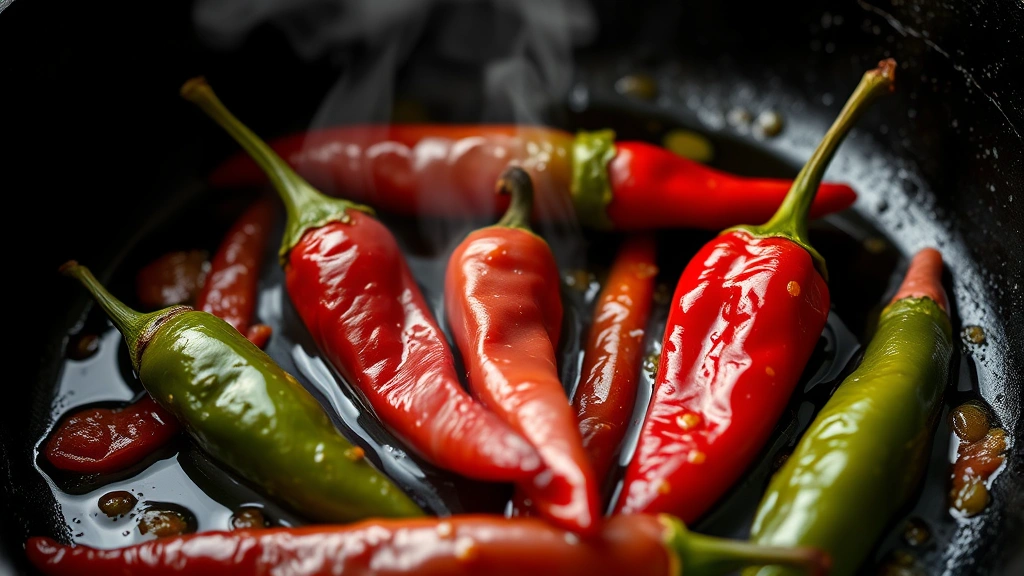
Roasting or Grilling concentrates flavors and makes chilis easier to digest. High-heat cooking slightly reduces vitamin C content (approximately 15–20% loss) but preserves capsaicin and enhances antioxidant bioavailability. Charring the skin increases phenolic compound concentration through Maillard reaction chemistry.
Fermentation offers unique advantages. Fermented chili pastes develop probiotics and increase bioavailability of certain nutrients through bacterial enzymatic activity. The fermentation process also increases GABA (gamma-aminobutyric acid) content, contributing to neurological benefits. Traditional fermented chili condiments represent nutritional optimization through time-tested methods.
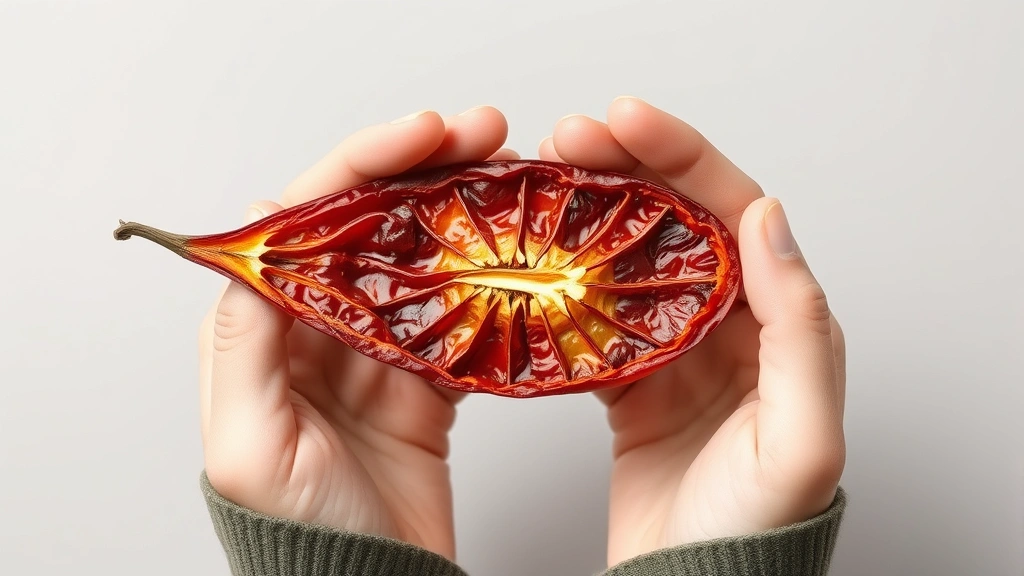
Drying Concentrates nutrients dramatically. Dried chilis contain 10–15 times the nutrient density of fresh equivalents by weight. This makes dried peppers ideal for those seeking maximum nutritional impact without high fresh pepper consumption. Rehydrating dried chilis before consumption enhances nutrient extraction.
Oil Infusion enhances capsaicin and carotenoid absorption. Creating chili-infused oils extracts fat-soluble compounds while creating condiments that distribute peppers throughout meals efficiently. However, improperly handled infused oils pose botulism risk if not prepared with appropriate acid content.
Cooking Temperature Considerations matter significantly. Capsaicin remains stable to approximately 400°F, making most cooking methods compatible with retention. Steaming or slow cooking preserves more heat-sensitive vitamins than high-heat frying.
Comparing Fresh, Dried & Processed Chilis
Fresh Chilis offer maximum vitamin C and enzyme content, with hydration supporting satiety. A fresh medium red chili delivers immediate nutritional benefits with minimal processing. However, vitamin C degrades within days post-harvest, meaning storage time significantly impacts nutritional value. Locally-sourced, recently-harvested peppers maximize freshness benefits.
Dried Chilis concentrate nutrients but lose some vitamin C (approximately 50% reduction). Conversely, carotenoid bioavailability often increases through drying. Dried peppers store indefinitely without refrigeration, making them economically efficient and accessible year-round. The intense flavor profile means smaller quantities provide satisfaction and nutrient delivery.
Canned or Jarred Chilis undergo processing that reduces vitamin C but preserves capsaicin and most minerals. Sodium content becomes relevant—many commercial preparations contain significant added salt. Reading labels to identify low-sodium options maintains nutritional integrity while supporting sodium-conscious dietary approaches.
Chili Powder and Spice Blends represent highly processed forms. Pure chili powder retains capsaicin and antioxidants but typically contains less nutritional density than whole peppers due to additional processing steps. Many commercial blends include salt, sugar, and fillers that diminish relative nutritional value. Selecting pure chili powders without additives optimizes nutrition.
Hot Sauce Variations range from simple fermented pepper preparations to highly processed condiments with added sugars and preservatives. Artisanal, fermented hot sauces offer probiotics and minimal additives. Commercial varieties require label scrutiny to identify products prioritizing nutrition over convenience and shelf-stability.
Supplement Forms including capsaicin extracts offer concentrated delivery but lack the synergistic benefits of whole peppers. Whole food consumption provides flavonoid complexes, minerals, and vitamins that extracts omit. Nutritionists typically recommend whole pepper consumption over isolated supplements for comprehensive nutritional benefit.
FAQ
Are chilis safe for people with IBS?
Individual responses vary significantly. Some IBS sufferers tolerate chilis well, particularly in cooked forms and smaller quantities. Others experience symptom exacerbation. Starting with small amounts and monitoring personal responses provides the most reliable approach. Fermented chili products may prove more tolerable due to reduced capsaicin irritation and probiotic content supporting gut health.
Do chilis really speed up metabolism?
Capsaicin increases thermogenesis by approximately 4–5% for hours post-consumption. While modest, consistent consumption creates measurable cumulative effects, particularly when combined with exercise and overall healthy eating patterns. Chilis aren’t a weight loss solution independently but contribute meaningfully to metabolic health within comprehensive lifestyle approaches.
Can I eat unlimited chilis without health risks?
While chilis are nutritious, excessive consumption may cause digestive distress, particularly in sensitive individuals. Most research shows benefits from regular moderate consumption—typically 1–3 peppers daily or equivalent in processed forms. Beyond this range, diminishing returns occur, and individual tolerance limits become relevant.
Are dried chilis more nutritious than fresh?
Dried chilis contain higher nutrient concentration by weight due to water removal, but fresh peppers provide superior vitamin C content and enzyme activity. Optimal nutrition involves consuming both forms: fresh for immediate vitamin C and enzymes, dried for concentrated capsaicin and carotenoids. Variety in preparation methods maximizes comprehensive nutritional benefit.
How do chilis compare nutritionally to other vegetables?
Chilis rank exceptionally high in antioxidant capacity and vitamin content relative to caloric contribution. When compared to popular vegetables like avocados, peppers offer similar micronutrient density with significantly lower fat content. The unique capsaicin compound distinguishes chilis from other vegetables, providing health benefits unavailable elsewhere.
Should pregnant women avoid chilis?
Chilis aren’t contraindicated during pregnancy and pose no known teratogenic risk. However, pregnancy-related heartburn often worsens with capsaicin consumption. Individual tolerance typically decreases during gestation. Moderate consumption remains generally safe, but pregnant individuals should prioritize comfort and consult healthcare providers about personal tolerance.
What’s the best way to consume chilis for maximum health benefits?
Combining fresh and dried chilis in varied preparations optimizes nutritional benefit. Consuming chilis with fat-soluble foods (oils, avocados, nuts) enhances absorption. Including both raw and cooked preparations maintains enzyme activity while achieving capsaicin stability. Regular, moderate consumption proves more beneficial than occasional high-quantity intake.
Do chilis interact with common medications?
Capsaicin may enhance absorption of certain medications and interact with blood thinners, antacids, and diabetes medications. Individuals taking prescription medications should consult healthcare providers about significant dietary chili increases. Most people consume chilis safely without interaction concerns, but individual medical profiles warrant professional guidance.
Can chilis help with weight loss?
Chilis support weight management through metabolic enhancement, appetite suppression, and satiety promotion. However, they’re not weight loss solutions independently. Their value lies in supporting comprehensive lifestyle approaches including exercise, balanced nutrition, and caloric awareness. The psychological satisfaction from spicy foods may reduce overall caloric intake by increasing meal enjoyment.


