Cinnamon Toast Crunch has been a breakfast staple since 1984, beloved by children and nostalgic adults alike. But what exactly are you consuming when you pour a bowl of this sweet cereal? Understanding the Cinnamon Toast Crunch nutrition label reveals a complex mix of ingredients, added sugars, and fortified nutrients that warrant closer examination. This comprehensive breakdown helps you make informed decisions about whether this cereal fits your dietary goals and how to balance it within a healthy nutrition plan.
For decades, marketing has positioned Cinnamon Toast Crunch as a fun, family-friendly breakfast choice. However, the reality of what’s inside each spoonful tells a different story. With significant sugar content, minimal fiber, and a reliance on fortification rather than whole-grain nutrition, this cereal represents a category of ultra-processed foods that nutritionists often recommend limiting. Whether you’re a parent deciding what to feed your children, someone tracking macronutrients, or simply curious about food composition, understanding the ingredient list and nutritional data is essential for making choices aligned with your health objectives.
Complete Nutrition Facts Breakdown
A standard serving of Cinnamon Toast Crunch (typically 3/4 cup or 31 grams) contains approximately 130 calories, making it a relatively modest caloric contribution to your daily intake. However, the caloric density becomes relevant when considering portion sizes—many people consume significantly more than the recommended serving. The macronutrient profile shows 1.5 grams of fat, 24 grams of carbohydrates, and just 1 gram of protein per serving.
The carbohydrate content deserves particular attention because the vast majority comes from added sugars rather than complex carbohydrates or fiber. With 9 grams of sugar per serving (nearly 2 teaspoons), Cinnamon Toast Crunch provides roughly 18% of the daily recommended sugar intake for adults in a single bowl. This is particularly concerning for children, whose recommended daily sugar intake is significantly lower. The sodium content of 210 milligrams represents 9% of the daily recommended value, which is moderate but worth considering in the context of total daily sodium consumption.
Regarding micronutrients, the cereal is fortified with essential vitamins and minerals including iron (45% daily value), vitamin B12 (60% daily value), and various B vitamins. These fortifications are added during manufacturing rather than naturally present, which affects how efficiently your body absorbs and utilizes them compared to whole-food sources. Understanding the relationship between nutrition and mental health becomes important when considering breakfast choices that fuel cognitive function throughout the morning.

Ingredient Analysis and What They Mean
The ingredient list for Cinnamon Toast Crunch reads like a chemistry experiment: whole grain soft white wheat, sugar, vegetable oil, brown sugar syrup, and a host of additives. The first ingredient is whole grain wheat, which provides some nutritional value, but it’s quickly followed by multiple forms of sugar. Whole grain soft white wheat is milder and less nutritious than hard red wheat varieties, containing lower levels of certain micronutrients and antioxidants.
Sugar appears in multiple forms throughout the ingredient list: regular sugar, brown sugar syrup, and dextrose. This multi-source sugar approach allows manufacturers to list sugar lower on the ingredient list by weight while still delivering substantial sweetness through cumulative additions. The vegetable oil (typically soybean or canola) provides fat and helps achieve the cereal’s distinctive texture and shelf stability.
Cinnamon flavoring is present but in minimal quantities—primarily through artificial and natural flavors rather than actual cinnamon powder. This means you’re getting the taste sensation of cinnamon without meaningful amounts of cinnamon’s beneficial compounds. The cereal also contains various additives including BHT (butylated hydroxytoluene) as a preservative, which maintains freshness but has been a subject of food safety discussions among regulatory agencies.
Lecithin and soy lecithin serve as emulsifiers, helping to maintain consistency and prevent separation of ingredients. These are generally recognized as safe by the FDA, though some consumers prefer to avoid soy-derived additives. The inclusion of these processing aids illustrates how commercial cereals require numerous additives to achieve their desired shelf life and consumer appeal, distinguishing them significantly from whole food options.
Sugar Content and Health Implications
The 9 grams of sugar per serving represents the most concerning aspect of Cinnamon Toast Crunch from a nutritional standpoint. The American Heart Association recommends no more than 25 grams of added sugar daily for women and 36 grams for men. A single bowl of this cereal consumes over one-third of an adult woman’s daily limit before considering sugar from milk, beverages, or other meals.
For children, the recommendations are even stricter. The American Academy of Pediatrics suggests that children consume less than 25 grams of added sugar daily, making a single serving of Cinnamon Toast Crunch represent 36% of their daily allowance. This becomes particularly problematic when considering that many children consume multiple bowls or pair the cereal with sweetened milk or juice.
High sugar consumption has been extensively documented in peer-reviewed research to correlate with numerous health concerns including type 2 diabetes, obesity, dental cavities, and cardiovascular disease. The rapid blood sugar spike following consumption can lead to energy crashes, affecting concentration and mood stability, particularly in school-age children. Studies from the Pew Research Center and other institutions have documented the relationship between processed food consumption and metabolic health outcomes.
The sugar in Cinnamon Toast Crunch is primarily in the form of simple carbohydrates that digest quickly, providing little sustained satiety. This means consumers may feel hungry again within an hour or two of consuming a bowl, potentially leading to additional snacking and increased caloric intake throughout the day. The lack of protein and fiber compounds this issue, as these macronutrients are responsible for sustained energy and fullness signals.
Fortified Nutrients Explained
While the nutrition label highlights impressive percentages of various vitamins and minerals, it’s important to understand what fortification means and how it differs from naturally occurring nutrients. Fortification is the process of adding vitamins and minerals to processed foods during manufacturing. In Cinnamon Toast Crunch’s case, these additions include iron, B vitamins, and minerals that would otherwise be minimal in the refined grain base.
The iron added to the cereal is typically in the form of reduced iron or ferric compounds, which have different bioavailability rates compared to iron naturally present in foods. Your body’s ability to absorb and utilize fortified iron depends on various factors including stomach acid levels, the presence of enhancers like vitamin C, and the presence of inhibitors like phytic acid or tannins. While the label claims 45% daily value of iron per serving, your actual absorption may be significantly lower.
Vitamin B12 fortification is particularly notable because B12 is naturally found almost exclusively in animal products. For vegetarians and vegans, fortified cereals can be valuable sources of this essential nutrient. However, the synthetic B12 used in fortification may have different absorption characteristics compared to naturally occurring B12 from animal sources. The inclusion of multiple B vitamins (B1, B2, B3, B6) supports energy metabolism, but these benefits are most effective when paired with adequate protein and whole-grain carbohydrates.
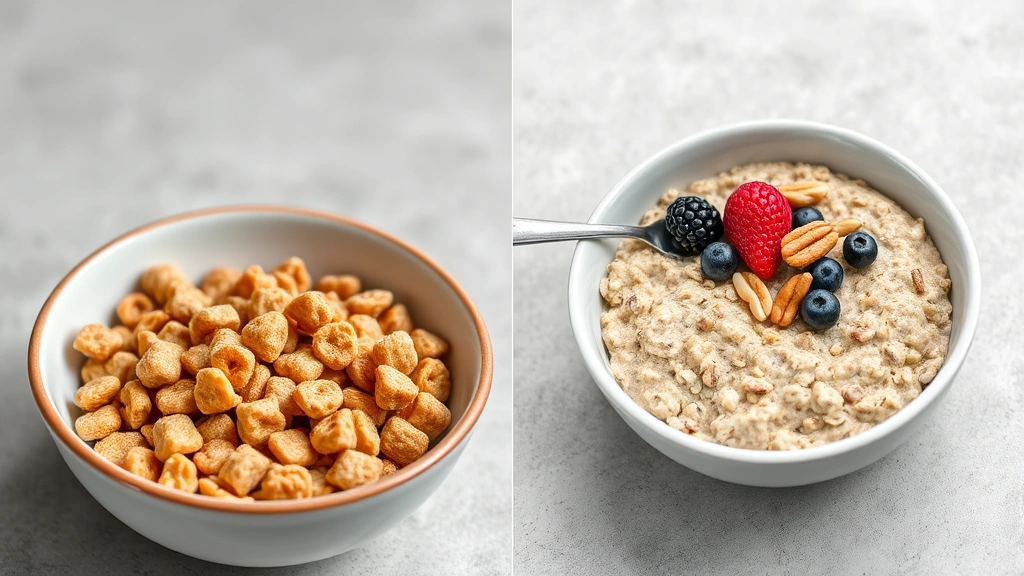
The distinction between fortified and naturally nutrient-rich foods becomes clear when considering bioavailability and the synergistic effects of whole-food nutrients. A bowl of steel-cut oats with berries and nuts provides similar or greater micronutrient content while also delivering fiber, polyphenols, and other phytonutrients absent from processed cereals. Understanding how to build a meal plan with nutrient-dense foods helps maximize the nutritional value of every eating occasion.
Fiber and Digestive Health
One of the most glaring nutritional deficiencies in Cinnamon Toast Crunch is its fiber content: less than 1 gram per serving. The recommended daily fiber intake for adults is 25-38 grams, and many nutritionists argue that optimal intake is even higher. A single serving of this cereal contributes less than 4% of the daily recommended fiber.
Dietary fiber plays crucial roles throughout your digestive system and overall health. Soluble fiber helps regulate blood sugar levels and cholesterol, while insoluble fiber promotes regular bowel movements and feeds beneficial gut bacteria. The absence of meaningful fiber in Cinnamon Toast Crunch means consuming this cereal does nothing to support digestive health and may actually contribute to digestive issues when consumed as a regular breakfast staple.
The refined whole grain soft white wheat used in the cereal has had much of its bran and germ removed during processing, which is where most of the fiber naturally occurs. While the label claims whole grain content, the processing and refining significantly reduce the fiber that would be present in intact whole grains. This is why understanding dietary fiber importance is essential when evaluating breakfast choices.
The combination of high sugar and low fiber creates a problematic glycemic response. Your blood sugar spikes rapidly after consuming the cereal, triggering insulin release, which is followed by a crash that leaves you hungry and fatigued. This roller coaster effect can impair cognitive function, mood stability, and athletic performance, making Cinnamon Toast Crunch a suboptimal choice for anyone seeking sustained energy throughout the morning.
Comparing with Alternative Cereals
When evaluating Cinnamon Toast Crunch in the broader cereal market context, it falls into the ultra-processed category with limited nutritional advantages. Comparing it with alternatives reveals significant differences in nutritional profiles and ingredient quality. Plain oatmeal contains 4-5 grams of fiber and less than 1 gram of sugar per serving, with no added ingredients beyond the oat grain itself.
Whole grain cereals like All-Bran or Fiber One provide 9-14 grams of fiber per serving, dramatically supporting digestive health and satiety. While some of these alternatives contain added sugars, they’re typically lower than Cinnamon Toast Crunch and include the fiber necessary to moderate blood sugar response. Granola-based cereals, while often higher in calories and sugar, typically include nuts, seeds, and dried fruit that provide additional nutrients and beneficial compounds.
Muesli, a Swiss cereal mixture of oats, nuts, and dried fruit, offers superior nutritional density compared to Cinnamon Toast Crunch. Though often containing added sugars, muesli includes whole grains, healthy fats from nuts, and fiber from oats and fruit. The ingredient list is typically shorter and more recognizable, without the array of additives found in processed cereals.
For those seeking cinnamon flavoring specifically, adding a small amount of actual cinnamon powder to plain oatmeal or unsweetened cereal provides authentic cinnamon’s beneficial compounds, including antioxidants and potentially blood-sugar-regulating properties, without the added sugar and processing. This simple substitution dramatically improves the nutritional profile while maintaining the desired flavor.
Expert Nutritionist Perspective
Registered dietitians and certified nutrition specialists generally classify Cinnamon Toast Crunch as an occasional indulgence rather than a dietary staple. While occasional consumption won’t derail health goals for most people, regular consumption contributes to excessive added sugar intake and crowds out more nutritious breakfast options that could better support health objectives.
The marketing strategy behind Cinnamon Toast Crunch has been remarkably successful in positioning the cereal as a wholesome family breakfast choice, despite its nutritional profile suggesting otherwise. The phrase “part of a complete breakfast” appears on the packaging, but this is technically true of almost any food when paired with fruits, whole grains, and protein—suggesting that the cereal itself is less important to the breakfast’s nutritional value than the accompanying components.
Nutritionists emphasize that breakfast sets the metabolic tone for the entire day. A breakfast high in protein, fiber, and complex carbohydrates while low in added sugars promotes stable blood sugar, sustained energy, improved cognitive function, and better appetite regulation throughout the day. Cinnamon Toast Crunch fails to meet these criteria, instead promoting the opposite: rapid blood sugar spikes, quick energy crashes, and inadequate satiety.
For parents navigating children’s nutrition, experts recommend treating Cinnamon Toast Crunch as an occasional treat rather than a regular breakfast. When children consume this cereal, pairing it with protein sources like Greek yogurt or eggs, and whole fruits rather than juice, can help moderate the blood sugar response. However, consistently choosing nutrient-dense alternatives remains the optimal approach to supporting children’s growth, development, and long-term health habits.
Research from the American Psychological Association and other organizations has documented how early dietary patterns influence lifelong eating behaviors and health outcomes. Establishing breakfast habits centered on whole grains, protein, and minimal added sugars during childhood creates a foundation for better health throughout adulthood.
The National Center for Biotechnology Information database contains extensive peer-reviewed research documenting the health implications of processed cereal consumption, particularly regarding effects on childhood obesity, type 2 diabetes, and metabolic health. These studies consistently show that whole-grain, fiber-rich breakfast options outperform refined grain cereals across virtually all measured health markers.
FAQ
Is Cinnamon Toast Crunch actually made with whole grains?
Yes, the primary ingredient is whole grain soft white wheat. However, the processing and refining during manufacturing significantly reduces the fiber and nutrient density compared to intact whole grains. The addition of multiple sugars and processing aids means that while whole grain is present, the overall product remains highly processed and refined.
How much sugar is in Cinnamon Toast Crunch compared to other popular cereals?
Cinnamon Toast Crunch contains 9 grams of sugar per serving, placing it in the higher range for breakfast cereals. Frosted Flakes contains 12 grams, while Honey Nut Cheerios contains 12 grams. In comparison, plain Cheerios contains 1 gram, and steel-cut oatmeal contains essentially no added sugar. The sugar content makes Cinnamon Toast Crunch more similar to dessert than to traditional breakfast fare.
Can Cinnamon Toast Crunch be part of a healthy diet?
Occasional consumption won’t harm most people’s health, but regular consumption contributes significantly to added sugar intake and crowds out more nutritious options. If you enjoy Cinnamon Toast Crunch, limiting it to occasional treats and balancing with protein-rich and fiber-rich foods can help minimize negative health impacts. However, consistently choosing alternatives better supports long-term health goals.
What makes the cereal crunchy if it contains no fiber?
The crunch comes from the structure of the toasted grain and the sugar coating, not from fiber content. The sugar actually caramelizes during processing, creating a crispy exterior. This same process that creates crunchiness also increases the sugar content, demonstrating how food texture and palatability often come at the expense of nutritional value in processed foods.
Are the vitamins in fortified cereals as effective as natural vitamins?
Fortified vitamins have variable bioavailability depending on their form and your individual absorption capacity. Synthetic vitamins added during manufacturing may be less efficiently absorbed and utilized compared to vitamins naturally present in whole foods, where they’re accompanied by co-factors and compounds that enhance absorption. While fortified cereals provide some nutritional value, whole food sources typically offer superior absorption and additional beneficial compounds.
What’s a good breakfast alternative for someone who loves Cinnamon Toast Crunch?
Consider cinnamon-spiced oatmeal topped with nuts and berries, whole grain toast with almond butter and sliced banana, or Greek yogurt with granola and fresh fruit. These alternatives provide the cinnamon flavor you enjoy while delivering substantially more fiber, protein, and micronutrients. Adding a small amount of real cinnamon powder to plain cereals or oatmeal provides authentic cinnamon’s beneficial compounds without the added sugar.