Are Clif Bars Healthy? A Dietitian’s Perspective on Clif Bar Nutrition
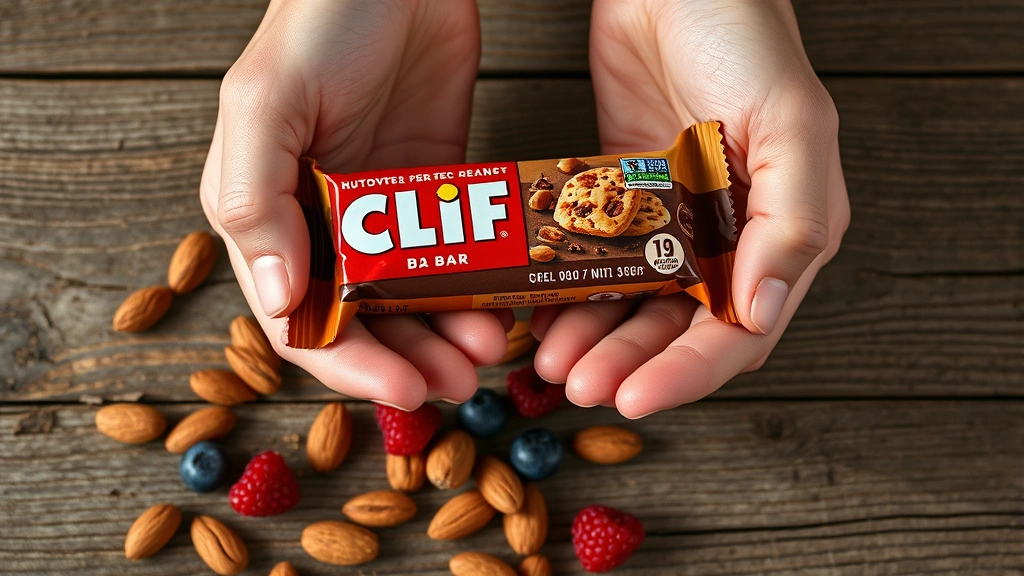
Clif Bars have become ubiquitous in gyms, hiking trails, and office desk drawers across America. These energy bars promise convenient nutrition for active individuals, but the question remains: are they actually healthy? As a registered dietitian nutritionist, I’ve analyzed countless nutrition labels, and Clif Bars deserve a nuanced examination. They’re neither a superfood nor a junk food—they occupy a complex middle ground that depends entirely on how and when you consume them.
The energy bar market has exploded over the past two decades, with consumers spending billions annually on convenient, portable nutrition solutions. Clif Bar, founded in 1992, commands significant market share in this space. However, popularity doesn’t equal nutritional merit. This comprehensive analysis examines the actual nutrition science behind Clif Bars, their ingredients, and whether they fit into a truly healthy diet. Understanding the nuances of Clif Bar nutrition requires looking beyond marketing claims and examining the biochemical reality of what these bars deliver to your body.
What’s Actually in a Clif Bar?
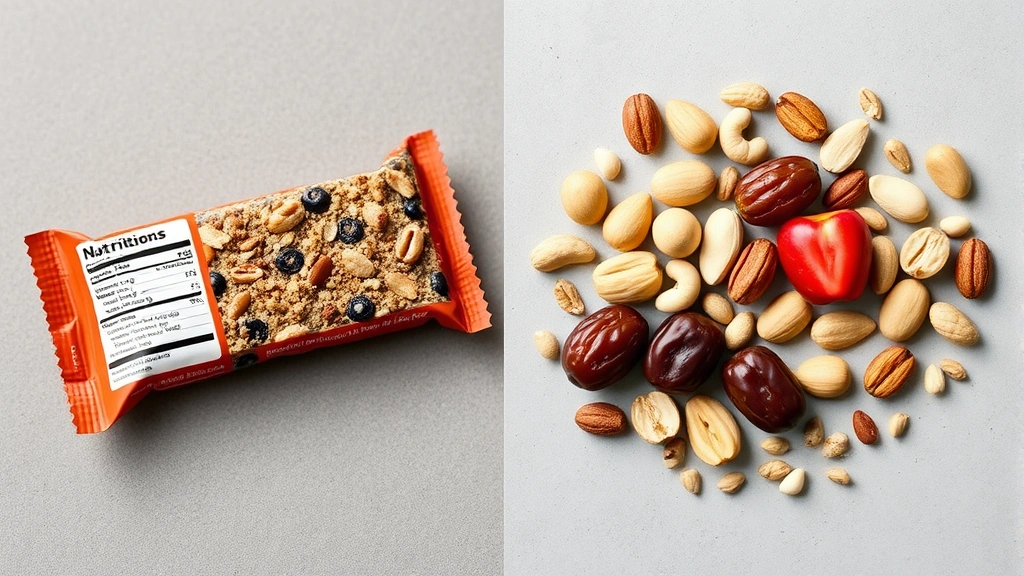
A standard Clif Bar contains approximately 250 calories derived from a blend of oats, brown rice flour, and various sweetening agents. The ingredient list reads like a chemistry experiment—which immediately raises red flags for health-conscious consumers. The first few ingredients typically include organic rolled oats, organic brown rice flour, and organic cane syrup. While the organic designation sounds wholesome, it doesn’t fundamentally change the nutritional profile or how your body processes these ingredients.
The bars contain multiple sweetening sources, which is a deliberate formulation strategy. By using several types of sweeteners—organic cane syrup, organic dried cane juice, and sometimes sugar alcohols like sorbitol—manufacturers can list them separately in the ingredient declaration, pushing each individual sweetener further down the list. This practice, while legal, obscures the true sugar content when consumers quickly scan ingredients.
Clif Bars also include various binding agents, emulsifiers, and preservatives. Soy lecithin, for example, helps maintain texture and shelf stability. While these additives are generally recognized as safe by the FDA, they represent ultra-processed food characteristics that distinguish these bars from whole foods. Your body processes a Clif Bar quite differently than it would process whole oats, almonds, and dates consumed together.
The protein source in most Clif Bar varieties comes from whey protein isolate or plant-based protein blends. This is important because protein from processed isolates behaves differently in your digestive system compared to protein from whole food sources. The manufacturing process removes many micronutrients and fiber that naturally accompany protein in whole foods.
Caloric Content and Macronutrient Breakdown
At 250 calories per bar, a standard Clif Bar represents a moderate snack or light meal component. However, the macronutrient distribution reveals the real nutritional story. The typical breakdown is approximately 45-50 grams of carbohydrates, 9-10 grams of protein, and 5-6 grams of fat. This carbohydrate-heavy composition makes sense given the bars’ original purpose: fueling endurance athletes during extended physical activity.
For someone engaged in moderate to high-intensity exercise lasting 60+ minutes, this macronutrient ratio is reasonably appropriate. The carbohydrates provide readily available glucose for working muscles, while the modest protein helps with muscle recovery. However, for sedentary individuals or those using these bars as casual snacks, the carbohydrate load becomes problematic, particularly when we examine carbohydrate quality.
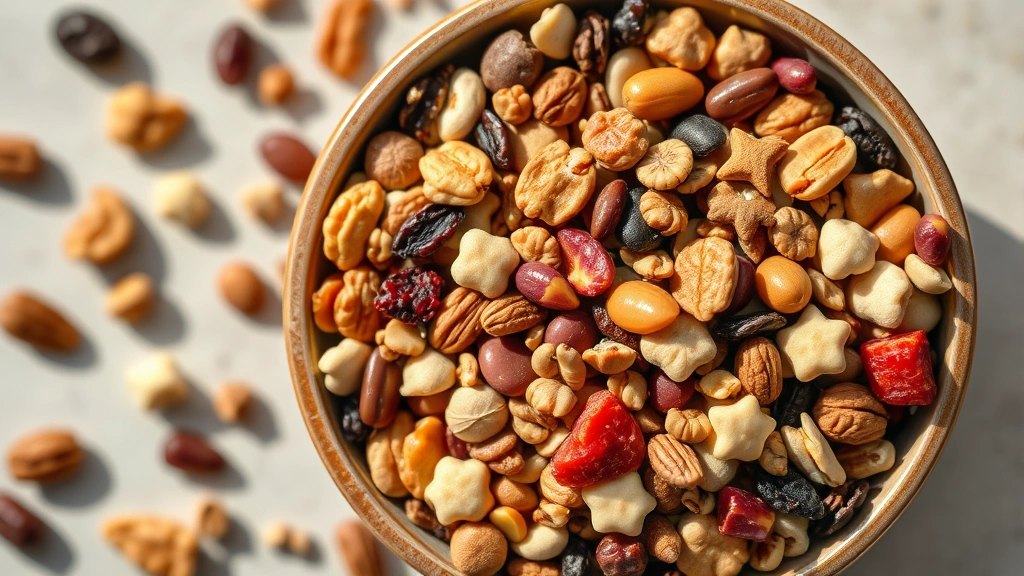
The protein-to-calorie ratio stands at approximately 14-16%, which is respectable on paper but misleading in practice. Much of the protein comes from processed isolates rather than whole food sources with intact amino acid matrices and cofactors. When you compare this to a handful of almonds and an apple—delivering similar calories with whole-food protein and fiber—the processed nature of Clif Bar protein becomes evident. Consider exploring nutrition for athletes and optimal performance through diet to understand how macronutrient timing affects athletic outcomes.
The fat content, while modest at 5-6 grams, comes primarily from vegetable oils and processed sources rather than whole food fats like nuts or seeds. This distinction matters because whole food fats include phytonutrients, fat-soluble vitamins, and polyphenols that support cardiovascular health and inflammation management.
Sugar Content: The Primary Concern
This is where Clif Bars reveal their fundamental limitation as a health food. Most varieties contain 20-23 grams of sugar per bar, representing approximately 80-92% of the bar’s total carbohydrate content. The American Heart Association recommends daily added sugar limits of 25 grams for women and 36 grams for men. A single Clif Bar approaches or exceeds the entire daily recommendation for added sugars.
The distinction between “organic cane juice” and white sugar is largely semantic. Both are rapidly absorbed, both spike blood glucose, and both trigger similar insulin responses. Organic certification doesn’t change the biochemistry of sucrose metabolism. Your pancreas doesn’t distinguish between organic and conventional sugar molecules—they’re chemically identical.
This sugar content becomes particularly problematic when consumed outside of athletic contexts. If you’re eating a Clif Bar as a mid-morning snack at your desk, those 20+ grams of sugar enter your bloodstream rapidly. Your body responds with an insulin surge, followed by the inevitable energy crash 90-120 minutes later. This blood sugar roller coaster contributes to afternoon fatigue, difficulty concentrating, and increased hunger signals.
Research published in the American Heart Association’s Circulation journal demonstrates that frequent added sugar consumption increases cardiovascular disease risk independent of weight gain. The mechanisms involve inflammation, endothelial dysfunction, and metabolic dysregulation. While occasional Clif Bar consumption won’t single-handedly cause heart disease, regular consumption as a snack contributes to cumulative metabolic stress.
For individuals managing diabetes or prediabetes, Clif Bars are generally inappropriate without concurrent physical activity. The glycemic load is simply too high relative to the modest fiber content that might otherwise moderate blood sugar impact.
Protein Quality and Quantity
Clif Bars contain approximately 9-10 grams of protein, which sounds adequate until you examine the source. Most varieties use whey protein isolate, which has undergone extensive processing to remove lactose, fats, and carbohydrates. While this creates a concentrated protein source, it also removes many of the bioactive compounds present in whole milk, including immunoglobulins, lactoferrin, and various peptides with antimicrobial and anti-inflammatory properties.
The amino acid profile of whey protein isolate is complete, containing all nine essential amino acids in appropriate ratios. However, the protein quality metric (PDCAAS or DIAAS scores) doesn’t capture the full nutritional picture. Whole food proteins come packaged with micronutrients, fiber, and phytonutrients that support overall health outcomes beyond simple amino acid provision.
From a muscle protein synthesis perspective, 9-10 grams of protein is below the threshold for maximally stimulating anabolic processes. Research suggests that protein servings of 20-40 grams are optimal for triggering muscle growth and repair, depending on body weight and training stimulus. A Clif Bar alone provides insufficient protein for post-workout recovery in most individuals.
The processing involved in creating protein isolates also reduces the satiating effect compared to whole food proteins. Whole eggs, Greek yogurt, cottage cheese, and legumes trigger greater satiety hormones and produce more sustained fullness. This means a Clif Bar, despite its 250 calories, leaves you hungry sooner than you might expect, potentially leading to additional snacking and excess calorie consumption.
Fiber, Vitamins, and Minerals
Clif Bars contain 5 grams of dietary fiber per bar, which is modest. For context, a medium apple provides approximately 4 grams, a cup of cooked lentils provides 15 grams, and a cup of raspberries provides 8 grams. The fiber in Clif Bars comes primarily from oats and added inulin rather than from whole fruits, vegetables, and legumes with their intact cellular matrices.
This distinction matters significantly. Whole food fiber comes with resistant starch, pectin, beta-glucans, and various soluble fibers that feed beneficial gut bacteria and produce short-chain fatty acids with profound health benefits. The inulin added to processed bars provides some prebiotic benefit but doesn’t replicate the complexity of whole food fiber.
The vitamin and mineral content appears impressive at first glance—Clif Bars are fortified with B vitamins, vitamin E, and minerals like iron and calcium. However, these are added synthetic or isolated forms, not the naturally-occurring vitamins that come bound to proteins, lipids, and carbohydrates in whole foods. Bioavailability differs significantly; your body absorbs and utilizes naturally-occurring micronutrients more efficiently than isolated, added forms.
For example, the iron in Clif Bars is typically ferrous fumarate, an inorganic form with lower bioavailability than heme iron from animal sources or non-heme iron from plant sources consumed with vitamin C. The calcium is likely calcium carbonate, which requires stomach acid for absorption—problematic for individuals taking acid-reducing medications or those with compromised digestive function.
Consider examining the nutrition facts label generator to understand how different food forms impact label reporting and actual nutritional delivery.
When Clif Bars Make Sense
Despite the criticisms outlined above, Clif Bars have legitimate applications within specific contexts. Understanding when they’re appropriate requires honest assessment of your situation.
During endurance exercise lasting 60+ minutes: If you’re running a half marathon, cycling for extended periods, or hiking all day, a Clif Bar serves a genuine purpose. The rapidly-absorbed carbohydrates provide fuel when your muscle glycogen stores deplete. The modest protein helps prevent muscle breakdown during extended exertion. In this context—where you’re burning 600+ calories per hour—the sugar content becomes a feature rather than a bug. Your muscles are primed to utilize those carbohydrates efficiently.
For athletes in training phases requiring high calorie intake: Endurance athletes, CrossFit competitors, and strength athletes in bulking phases often struggle to consume sufficient calories from whole foods alone. Clif Bars provide convenient, shelf-stable calories that complement whole food nutrition without requiring refrigeration or preparation.
As an emergency food source: Backpacking, emergency preparedness, or situations where whole food access is unavailable make Clif Bars practical choices. Their shelf stability, portability, and caloric density serve genuine purposes in these contexts.
Occasional convenience: While not ideal, occasional consumption—perhaps once or twice weekly—won’t derail health outcomes for most individuals. The key is distinguishing between occasional convenience and habitual snacking.
For sedentary individuals, desk workers, or anyone not engaged in regular intense exercise, Clif Bars offer poor nutritional value relative to the metabolic stress they create through blood sugar disruption.
Healthier Alternatives to Consider
If you’re seeking convenient, portable nutrition, numerous alternatives provide superior nutritional profiles. Consider exploring the comprehensive guide to eating well for life to develop sustainable nutrition strategies.
Whole food combinations: A handful of almonds (165 calories, 6g protein, 6g fiber, minimal sugar) paired with a medium apple (95 calories, 4g fiber, 19g carbs mostly from natural sugars and fiber) delivers 260 calories with superior satiety and micronutrient density. The fiber-to-sugar ratio is dramatically better than Clif Bars.
Greek yogurt with granola: A 150-calorie serving of plain Greek yogurt (20g protein) combined with a quarter cup of granola (100 calories) provides 20+ grams of protein with probiotics, calcium, and micronutrients that processed bars cannot match.
Homemade energy balls: Dates, nuts, seeds, and cocoa combined in a food processor create energy-dense snacks with superior ingredient quality. A batch requires minimal preparation and stores for weeks. The carbohydrate-to-fiber ratio is naturally superior to commercial bars.
Hard-boiled eggs with fruit: Two hard-boiled eggs (140 calories, 12g protein) with an orange (85 calories) provides complete protein, vitamin C, and sustained energy without blood sugar disruption.
Nut butter packets with whole grain crackers: Individual almond or peanut butter packets paired with whole grain crackers deliver protein, healthy fats, and fiber in convenient form without added sugars.
For athletes specifically, explore meal planning strategies that integrate convenient whole foods rather than relying on processed bars for primary nutrition.
Research from the Harvard School of Public Health’s Nutrition Source consistently demonstrates that whole food patterns outperform processed alternatives across virtually every health outcome metric. The differences may seem minor in individual meals, but they compound significantly over months and years.
The Pew Research Center’s consumer health studies show increasing awareness among Americans that processed convenience foods, despite marketing claims, don’t support long-term health goals. This awareness is driving demand for genuinely convenient whole food options.
FAQ
Are Clif Bars better than candy bars?
Marginally. A typical candy bar contains 250-300 calories, 30-40 grams of sugar, and minimal protein or fiber. Clif Bars contain 20-23 grams of sugar with 5 grams of fiber and 9 grams of protein, making them nutritionally superior to candy. However, the comparison is misleading—neither should be regular dietary staples. Comparing them to whole foods is more relevant than comparing them to candy.
Can I eat Clif Bars daily?
Not recommended for sedentary individuals. Daily consumption means 20+ grams of added sugar daily from this source alone, likely pushing you over recommended limits when combined with other foods. For athletes training intensely 5-6 days weekly, occasional daily consumption during training phases is more defensible, though whole foods remain superior.
Which Clif Bar varieties are healthiest?
All standard Clif Bars share similar nutritional profiles—20+ grams of sugar per bar. Some varieties include chocolate chips or caramel, increasing sugar slightly. The “Clif Bar Organic” versions are biochemically identical to standard versions; organic certification doesn’t alter nutritional content. If forced to choose, select varieties with added nuts for marginally improved fat profiles and satiety.
Are Clif Bars appropriate for weight loss?
Generally no. At 250 calories with modest protein and fiber relative to sugar content, they promote blood sugar dysregulation and inadequate satiety. Someone consuming Clif Bars as snacks typically experiences hunger within 2 hours, leading to additional eating. Whole food alternatives providing similar calories deliver superior satiety and metabolic outcomes.
Do Clif Bars expire?
They have long shelf lives due to processing and preservatives, typically lasting 18-24 months. However, ingredient quality degrades over time. Consuming them within 6-12 months of purchase is advisable. This shelf stability, while convenient, reflects the ultra-processed nature of the product.
How do Clif Bars compare to other energy bars?
The energy bar market includes numerous competitors—PowerBars, Larabars, RxBars, and others. Most commercial energy bars share similar profiles: high sugar, processed protein, modest fiber. Larabars and similar “whole food” bars use dates and nuts as primary ingredients, providing superior nutritional profiles with whole food fats and naturally-occurring sugars bound to fiber. RxBars advertise simple ingredients but still contain 12+ grams of sugar per bar. No mainstream commercial bar matches the nutritional quality of whole food combinations.
Should athletes use Clif Bars?
Context-dependent. During extended endurance exercise (90+ minutes), Clif Bars serve legitimate purposes for fueling. For post-workout recovery, whole food combinations or specifically-formulated sports drinks provide better nutrient profiles. For casual gym sessions under 60 minutes, pre-workout nutrition from whole foods is superior. Athletes should view Clif Bars as tools for specific situations rather than dietary staples.


