Corn Tortilla Nutrition Facts: What a Registered Dietitian Wants You to Know
Corn tortillas have been a dietary staple for thousands of years, particularly across Latin American cuisines and increasingly in mainstream North American diets. Despite their popularity, many people remain uncertain about their nutritional profile and whether they fit into a balanced diet. As a registered dietitian, I frequently encounter questions about corn tortillas—are they healthy? How do they compare to flour alternatives? What nutrients do they actually provide?
Understanding corn tortilla nutrition facts goes beyond simple calorie counting. These versatile flatbreads offer a unique combination of carbohydrates, fiber, and minerals that can contribute meaningfully to your daily nutritional intake when consumed thoughtfully. This comprehensive guide breaks down exactly what you’re eating when you reach for a corn tortilla and how to incorporate them strategically into your healthy nutrition plan.
Basic Nutritional Breakdown of Corn Tortillas
A single medium-sized corn tortilla (approximately 28 grams) contains roughly 52-56 calories, making them one of the lighter bread options available. The majority of these calories derive from carbohydrates, which makes sense given corn’s composition. When examining the complete nutritional profile, you’ll find that a typical corn tortilla provides:
- Calories: 52-56 per tortilla
- Carbohydrates: 11-12 grams
- Protein: 1.5-2 grams
- Fat: 0.5-1 gram
- Fiber: 1.5-2 grams
- Sodium: 40-50 milligrams
These numbers can vary depending on the brand, whether the tortillas are freshly made, and the specific corn variety used. For context, if you’re using the nutrition facts label generator to track your intake, understanding these baseline figures helps you accurately log your consumption.
The relatively low calorie count combined with moderate carbohydrate content makes corn tortillas accessible for various dietary approaches, from weight management plans to athletic performance nutrition. However, the full nutritional story involves examining what happens during the corn processing and preparation methods.
Macronutrients Explained
Carbohydrates comprise approximately 80-85% of corn tortilla calories, which isn’t surprising given that corn is fundamentally a grain. These aren’t simple sugars but rather complex carbohydrates that break down gradually during digestion. The glycemic index of corn tortillas typically ranges from moderate to moderately high, depending on how they’re processed.
The protein content of corn tortillas presents an interesting nutritional consideration. While 1.5-2 grams per tortilla might seem modest, corn protein possesses an incomplete amino acid profile. This means corn alone doesn’t contain all nine essential amino acids your body requires. However, when combined with legumes like beans—a traditional pairing in Mexican and Central American cuisine—the proteins complement each other perfectly, creating a complete amino acid profile.
Fat content remains minimal in plain corn tortillas, typically under 1 gram per tortilla. This changes dramatically if tortillas are fried or prepared with added oils, which transforms them into a higher-calorie item. The naturally low fat content makes corn tortillas suitable for individuals monitoring fat intake, though remember that healthy fats from sources like avocado, olive oil, or nuts can be added during meal preparation.
Understanding macronutrient balance becomes crucial when considering how corn tortillas fit into your overall diet. Pairing them with protein sources, healthy fats, and vegetables creates nutritionally balanced meals that satisfy hunger and support your body’s needs more effectively than consuming tortillas alone.
Micronutrients and Minerals
While corn tortillas don’t deliver dramatic amounts of vitamins and minerals per serving, they contribute meaningful quantities of several important nutrients. The mineral content is particularly noteworthy for those interested in optimizing their dietary intake.
Magnesium appears in corn tortillas at approximately 25-30 milligrams per tortilla, contributing roughly 6-8% of the daily recommended value. Magnesium supports muscle function, energy production, and nervous system health. Phosphorus content reaches approximately 70-80 milligrams, essential for bone health and energy metabolism.
B vitamins vary depending on whether the corn used was enriched during processing. Many commercial corn tortillas undergo enrichment, adding thiamine (B1), riboflavin (B2), and niacin (B3) to enhance nutritional value. These B vitamins facilitate energy metabolism and support nervous system function.
Iron content in enriched corn tortillas can reach 0.3-0.5 milligrams per tortilla. While this represents only 2-6% of daily requirements, regular consumption contributes to overall iron intake. Plant-based iron (non-heme iron) absorbs more efficiently when consumed with vitamin C sources, so pairing tortillas with salsa, lime juice, or bell peppers enhances iron bioavailability.
The presence of manganese in corn tortillas supports bone development and metabolic function. Additionally, corn provides small amounts of folate, a B vitamin crucial for cell division and DNA synthesis, making it particularly important for pregnant individuals.
Comparing Corn vs Flour Tortillas
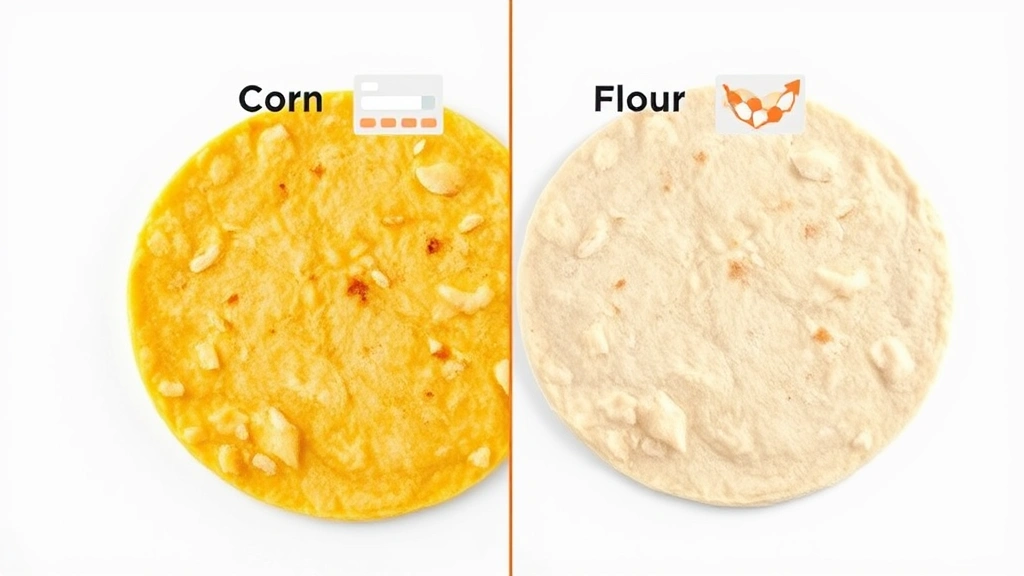
The corn versus flour tortilla debate dominates many nutrition conversations, yet each offers distinct advantages depending on individual nutritional goals. Understanding these differences allows you to make informed choices for your specific circumstances.
Flour tortillas typically contain 150-170 calories compared to corn tortillas’ 50-60 calories. This substantial difference results from both larger serving sizes and added fats (usually butter or vegetable shortening) used in flour tortilla preparation. Flour tortillas also contain more protein—approximately 4-5 grams versus corn’s 1.5-2 grams—making them potentially more satiating for some individuals.
Fiber content presents another meaningful distinction. Whole wheat flour tortillas can deliver 3-4 grams of fiber, nearly double that of standard corn tortillas. This enhanced fiber supports digestive health and blood sugar regulation. However, refined flour tortillas often contain less fiber than corn alternatives.
From a nutritional density perspective, corn tortillas offer advantages for those managing calorie intake or those with gluten sensitivity (though some flour tortillas use wheat alternatives). Corn naturally contains antioxidants like lutein and zeaxanthin, compounds that support eye health. Flour tortillas, particularly whole grain varieties, offer superior protein and fiber when made with whole grains.
The “better” choice depends entirely on your individual needs. For athletes, flour tortillas provide more calories and protein. For individuals managing weight, corn tortillas offer a lighter option. For those requiring gluten-free options, corn tortillas are inherently suitable. Consider reading our detailed guide on nutrition for athletes if you’re training intensively.
Dietary Fiber Benefits
The approximately 1.5-2 grams of fiber in each corn tortilla contributes meaningfully to daily fiber requirements, particularly when multiple tortillas are consumed. Fiber serves numerous critical functions that extend far beyond simple digestive health.
Soluble fiber in corn slows digestion and helps regulate blood sugar levels, preventing rapid spikes that can lead to energy crashes. This becomes particularly important for individuals managing diabetes or prediabetes. Insoluble fiber promotes regular bowel movements and feeds beneficial gut bacteria, supporting a healthy microbiome.
The role of fiber in overall wellness deserves deeper exploration. Our comprehensive article on the importance of dietary fiber for your health provides extensive information about optimizing fiber intake and supporting digestive wellness. Adequate fiber consumption has been associated with improved cardiovascular health, weight management, and reduced inflammation.
When increasing fiber intake through corn tortillas or other sources, adequate water consumption becomes essential. Fiber works optimally when you’re well-hydrated, facilitating smooth digestion and maximizing the health benefits these nutrients provide.
Health Considerations and Serving Sizes
Appropriate portion control transforms corn tortillas from a nutritious component into a dietary liability. While individual tortillas are modest in calories, consuming four to six tortillas in a single meal dramatically increases caloric and carbohydrate intake. A reasonable serving typically consists of 2-3 tortillas per meal for most adults.
For individuals managing specific health conditions, corn tortilla consumption warrants consideration. Those with celiac disease or gluten sensitivity benefit from corn tortillas’ naturally gluten-free status. However, cross-contamination during processing can occur, so selecting certified gluten-free options becomes important.
Individuals with corn allergies must obviously avoid corn tortillas entirely, though this represents a relatively rare allergy. More common is sensitivity to corn’s high omega-6 fatty acid content when consumed excessively; however, the minimal fat in plain corn tortillas makes this unlikely to be problematic.
For those managing blood sugar levels, corn tortillas’ moderate glycemic index (typically 52-68 depending on processing) makes them preferable to white bread but slightly higher than some alternatives. Pairing tortillas with protein and healthy fats moderates blood sugar response significantly.
Research from PNAS (Proceedings of the National Academy of Sciences) demonstrates that consuming carbohydrates alongside protein and fat reduces postprandial glucose spikes, making balanced meals incorporating tortillas physiologically advantageous.
How to Choose Quality Corn Tortillas
Not all corn tortillas deliver equivalent nutritional value. Manufacturing processes, ingredient quality, and storage methods significantly impact the final product’s nutritional profile and sensory qualities.
Ingredient lists should be remarkably short: corn, water, and salt represent the essentials. Avoid products listing numerous preservatives, additives, or artificial ingredients. Some manufacturers add lime (calcium hydroxide) during processing, which actually enhances calcium bioavailability—a beneficial addition.
Freshness matters significantly. Fresh tortillas, whether purchased from local tortillerías or the refrigerated section of supermarkets, deliver superior taste and texture compared to shelf-stable versions. Fresh tortillas also retain more nutrients and contain fewer preservatives.
Organic certification indicates corn grown without synthetic pesticides or fertilizers. While organic corn tortillas may cost more, they eliminate exposure to potential pesticide residues. For those prioritizing conventional options, corn’s relatively low pesticide residue levels make it acceptable even when non-organic.
Sprouted corn tortillas represent an emerging option offering enhanced nutrient bioavailability. Sprouting activates enzymes that increase mineral availability and reduce anti-nutrients like phytic acid, which can inhibit mineral absorption.
When building your nutrition knowledge through expert resources, understanding how to evaluate food quality becomes increasingly valuable. Quality selection transforms tortillas from acceptable carbohydrate sources into genuinely nutritious components of balanced meals.
Proper storage in airtight containers, refrigerated or frozen, preserves freshness and prevents mold development. Frozen tortillas maintain nutritional integrity for extended periods, making bulk purchasing and freezing a practical strategy for consistent access to quality options.
Frequently Asked Questions
How many corn tortillas can I eat per day?
Most adults can comfortably consume 3-6 corn tortillas daily without concern, depending on overall caloric and carbohydrate goals. Athletes or highly active individuals might consume more, while those managing weight might target 2-3 daily. Individual needs vary based on activity level, health status, and dietary goals—consult a registered dietitian for personalized guidance.
Are corn tortillas good for weight loss?
Corn tortillas can support weight loss due to their low calorie and fat content. A single tortilla contains only 50-60 calories, making them lighter than most bread alternatives. However, weight loss depends on total caloric intake and overall dietary patterns. Pairing tortillas with lean proteins, vegetables, and healthy fats creates satisfying, nutrient-dense meals that support sustainable weight management.
Do corn tortillas contain gluten?
Pure corn tortillas are naturally gluten-free, making them suitable for individuals with celiac disease or gluten sensitivity. However, cross-contamination can occur during manufacturing. Those with celiac disease should select products certified gluten-free by third-party organizations.
What’s the nutritional difference between white and yellow corn tortillas?
White and yellow corn tortillas offer nearly identical macronutrient profiles. Yellow corn contains slightly higher levels of lutein and zeaxanthin, antioxidants supporting eye health. The color difference reflects different corn varieties rather than fundamentally different nutritional values. Choose based on personal preference and culinary applications.
How do corn tortillas affect blood sugar?
Corn tortillas have a moderate glycemic index (approximately 52-68), meaning they raise blood sugar at a moderate rate. When consumed with protein, healthy fats, and fiber, blood sugar response improves significantly. Individuals managing diabetes should monitor personal responses and consider portion sizes, but moderate consumption is generally appropriate.
Can corn tortillas be part of a keto diet?
Corn tortillas contain approximately 11-12 grams of carbohydrates per tortilla, exceeding most ketogenic diet carbohydrate limits (typically 20-50 grams daily). While one tortilla might fit within some flexible keto approaches, they’re generally not ideal for strict ketogenic diets. Low-carb alternatives like lettuce wraps or cloud bread work better for keto adherents.
Are there nutritional differences between homemade and store-bought corn tortillas?
Homemade corn tortillas offer advantages including fresher ingredients, absence of preservatives, and optimal nutritional retention. Store-bought versions often contain preservatives extending shelf life but provide convenience and consistency. Both deliver comparable macronutrient profiles, though freshness impacts taste and texture significantly.
How do corn tortillas support gut health?
The fiber content in corn tortillas feeds beneficial gut bacteria, supporting microbiome diversity and health. Additionally, corn contains resistant starch when cooked and cooled, which behaves similarly to fiber in the digestive system. Regular consumption of whole-grain corn tortillas contributes to digestive wellness and metabolic health. Research on gut microbiota and dietary fiber consistently demonstrates benefits from fiber-rich foods like corn.
Should I choose corn tortillas over bread?
Corn tortillas offer advantages over many bread options due to lower calorie content, similar nutrient density, and natural gluten-free status. However, whole grain bread often provides superior fiber content. The optimal choice depends on individual preferences, health goals, and dietary restrictions. Both can fit into healthy eating patterns when portions are appropriate.
The relationship between nutrition and mental health extends to all dietary components, including seemingly simple items like tortillas. Choosing quality foods supports not only physical health but psychological well-being through improved energy, mood stability, and overall vitality.
Understanding corn tortilla nutrition facts empowers informed dietary decisions that serve your long-term health objectives. These versatile, affordable staples deserve recognition as legitimate nutritional components rather than empty carbohydrates. When selected thoughtfully and consumed appropriately, corn tortillas contribute meaningfully to balanced, satisfying, and culturally rich eating patterns.


