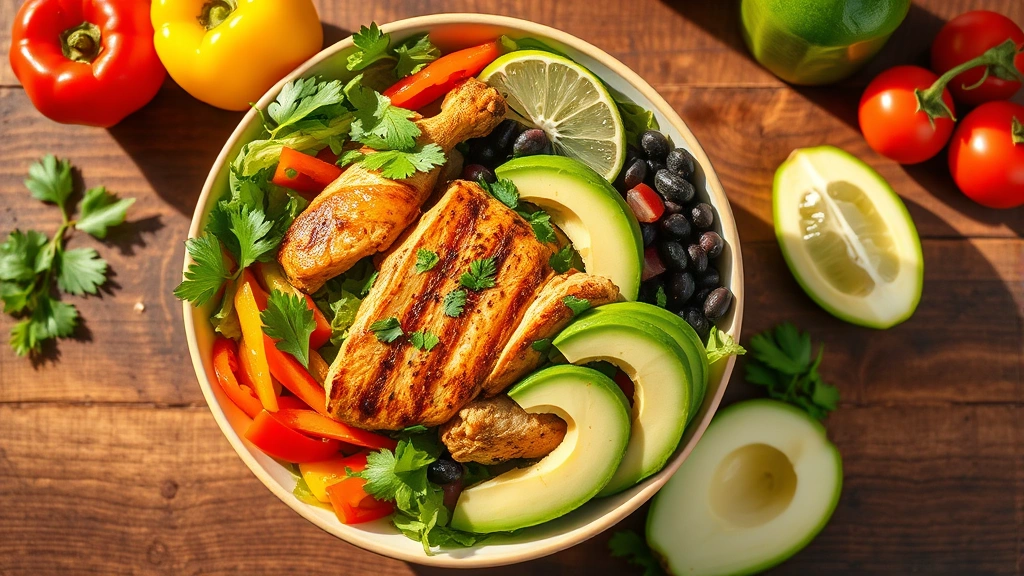
Costa Vida Menu: Dietitian’s Healthy Picks
Costa Vida has become a popular fast-casual dining destination for those seeking customizable Mexican-inspired meals. With an emphasis on fresh ingredients and build-your-own options, the chain offers surprising opportunities for health-conscious diners. However, navigating the menu requires understanding nutritional trade-offs, portion sizes, and strategic ingredient selections to align with your dietary goals.
As a registered dietitian analyzing Costa Vida’s offerings, I’ve identified menu items and customization strategies that deliver balanced nutrition without sacrificing flavor. This guide breaks down the healthiest choices across protein, vegetable, and carbohydrate categories while explaining the nutritional science behind these recommendations. Whether you’re managing weight, optimizing athletic performance, or simply seeking better eating habits, Costa Vida can accommodate your needs with intentional ordering.
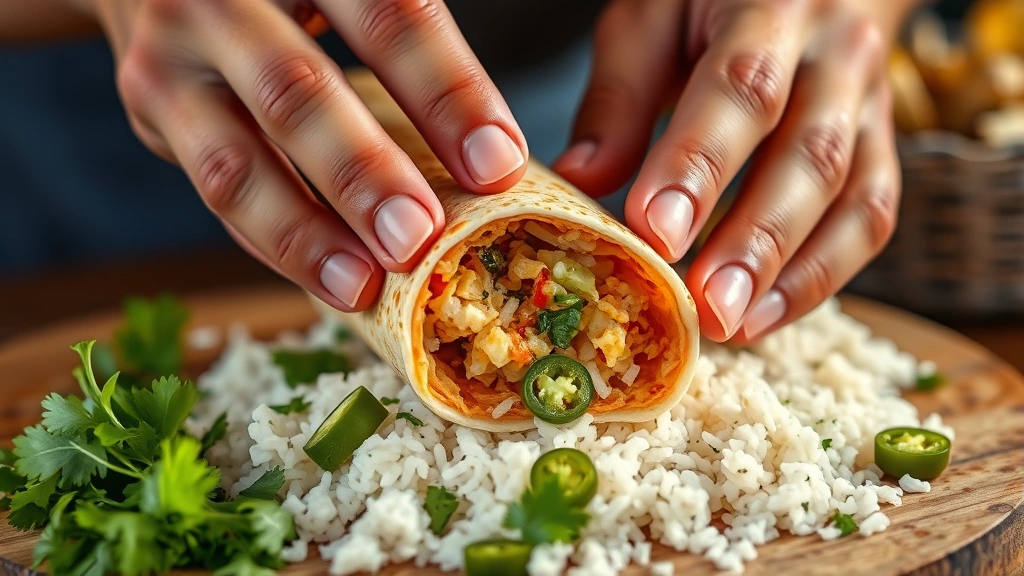
Understanding Costa Vida’s Nutrition Framework
Costa Vida’s menu structure centers on customizable bowls, burritos, and salads where you control each component. This transparency is invaluable for nutrition-conscious dining because you’re not locked into pre-determined calorie counts. The restaurant publishes detailed nutrition information for individual ingredients, allowing you to calculate macronutrient totals before ordering.
The brand emphasizes fresh preparation and avoids artificial preservatives, which aligns with current nutritional science emphasizing whole food consumption. Research from the Pew Research Center on food consumption trends shows consumers increasingly prioritize ingredient transparency and preparation methods. Costa Vida’s commitment to fresh ingredients addresses these consumer preferences while supporting better nutritional outcomes.
Understanding macronutrient balance is essential for Costa Vida ordering. Optimal meals typically target 40-50% carbohydrates, 25-35% protein, and 20-30% healthy fats, though individual needs vary based on activity level and health goals. Costa Vida’s build-your-own format makes achieving these ratios straightforward when you know which ingredients to prioritize.
Protein Selections: Quality Over Quantity
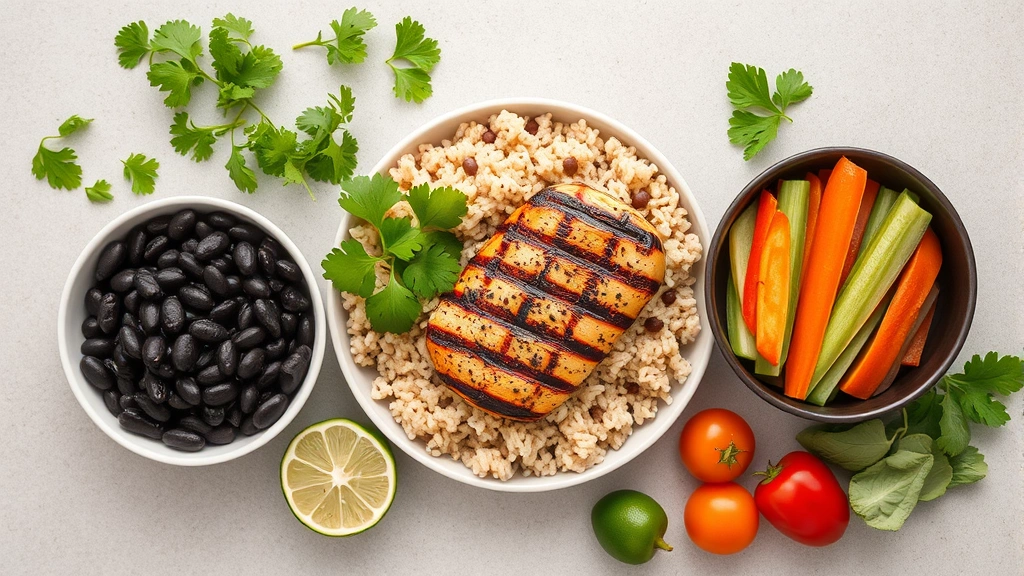
Costa Vida offers four primary protein options: carnitas (seasoned pork), grilled chicken, carne asada (grilled beef), and black beans. Each carries distinct nutritional profiles that impact your meal’s overall composition.
Grilled chicken emerges as the leanest option, providing approximately 25g protein per 4-ounce serving with minimal saturated fat. This makes it ideal for those prioritizing healthy nutrition plans centered on lean protein intake. The grilling method preserves nutrients while avoiding excess oil, supporting cardiovascular health markers.
Carne asada contains slightly more fat than chicken but offers superior micronutrient density, particularly iron and zinc. A 4-ounce portion delivers approximately 22g protein with 8g fat. The beef’s higher nutrient density makes it an excellent choice for athletes and those with elevated iron requirements, particularly menstruating individuals who face higher iron losses.
Carnitas, while flavorful, contains approximately 18g protein per 4-ounce serving alongside 12g fat, much of it saturated. However, the traditional preparation method involves slow-cooking pork in its own fat, which creates complex flavor profiles that reduce cravings for additional high-calorie toppings. Portion control becomes critical with this option.
Black beans deserve recognition as a complete protein source when combined with rice or other grains. They provide 8g protein per half-cup cooked portion alongside 7g fiber, supporting digestive health and sustained energy. The importance of dietary fiber for your health cannot be overstated, as adequate fiber intake correlates with improved metabolic markers and reduced chronic disease risk.
For optimal health outcomes, I recommend grilled chicken or carne asada as primary protein selections, with black beans as a secondary protein source or primary option for plant-based diners.
Vegetable Strategies for Micronutrient Density
Costa Vida’s vegetable options significantly impact meal nutritional quality. The fresh salsa bar and abundant vegetable selections allow you to create micronutrient-dense meals supporting long-term health.
Leafy greens form the foundation of optimal Costa Vida salads. Romaine and mixed greens provide folate, vitamins K and C, and phytonutrients with negligible calorie contribution. Ordering a salad base transforms your meal into a nutrient powerhouse, particularly when you avoid creamy dressings that compromise the vegetable benefits.
Tomatoes contribute lycopene, a carotenoid with demonstrated antioxidant properties. Fresh Costa Vida tomatoes retain higher lycopene content than processed varieties because minimal heating preserves this heat-sensitive nutrient. Raw tomato consumption supports eye health, cardiovascular function, and potentially reduces cancer risk according to extensive nutritional epidemiology research.
Bell peppers across all colors deliver vitamin C and antioxidant polyphenols. Red peppers contain approximately 2.5 times more vitamin C than green peppers, supporting immune function and collagen synthesis. The sweetness of ripe peppers satisfies flavor preferences while delivering genuine nutritional value.
Corn, often overlooked in health-conscious dining, provides lutein and zeaxanthin—carotenoids specifically concentrated in the macula of the eye. While corn contains more carbohydrates than other vegetables, its micronutrient density justifies inclusion in balanced meals, particularly for those with elevated visual demands or family histories of macular degeneration.
Black olives deliver monounsaturated fats supporting heart health, though portion control matters due to caloric density. A quarter-cup serving provides valuable oleic acid without excessive sodium when you limit additional salty toppings.
Strategic vegetable selection transforms Costa Vida meals from calorie-dense indulgences into micronutrient-rich choices supporting optimal health.
Healthy Carbohydrate Choices
Carbohydrate selection significantly impacts blood sugar stability and sustained energy availability. Costa Vida’s carbohydrate options range from refined white rice to fiber-rich beans and whole grain alternatives.
Brown rice should be your default carbohydrate selection when available. The bran layer retained during minimal processing contains B vitamins, magnesium, and fiber absent from white rice. Brown rice’s lower glycemic index (approximately 68 versus white rice’s 89) produces more gradual blood sugar elevation, supporting metabolic stability and reduced insulin demand. For those managing diabetes or prediabetes, this difference carries substantial health implications.
Black beans function as superior carbohydrate sources compared to rice alone. The combination of resistant starch, soluble fiber, and protein creates a low glycemic load despite moderate carbohydrate content. Research on nutrition facts about avocados reveals similar fiber benefits, and pairing beans with healthy fats further reduces glycemic response through delayed gastric emptying.
Whole wheat tortillas, when available, provide superior nutrition compared to flour tortillas. The intact grain structure preserves fiber and micronutrients, supporting digestive health and nutrient absorption. A single whole wheat tortilla contains approximately 3-4g fiber versus 1g in standard flour tortillas—a meaningful difference across daily consumption.
Avoiding excess carbohydrate loading remains important despite these healthy options. A typical Costa Vida bowl combining rice, beans, and tortilla approaches 80-100g carbohydrates. For individuals with insulin resistance or weight management goals, requesting a salad base instead of rice or choosing a half-portion of carbohydrates enables better macronutrient balance.
Dressings, Sauces, and Hidden Calories
Dressing selection represents the most impactful calorie variable in Costa Vida ordering. Standard ranch and chipotle ranch dressings contain 240-280 calories per 2-ounce serving—nearly equivalent to an entire protein portion—with minimal nutritional value beyond fat calories.
Cilantro lime dressing offers a superior alternative, delivering bright flavor with approximately 110 calories per serving. The lime juice provides vitamin C and flavor without excess fat, making this the optimal dressing choice for health-conscious diners.
Salsa deserves primary consideration as your dressing base. Fresh Costa Vida salsa contains tomatoes, peppers, onions, and cilantro with negligible calories and impressive micronutrient density. The capsaicin in jalapeños may provide modest metabolic benefits through thermogenesis, though effects remain modest compared to overall dietary patterns.
Guacamole and avocado additions require thoughtful consideration. While avocados contain heart-healthy monounsaturated fats and potassium, they deliver 45 calories per ounce. A standard guacamole serving (3 ounces) contributes 135 calories alongside 12g fat. For those managing weight, requesting fresh avocado slices (approximately 1 ounce) rather than guacamole provides similar nutritional benefits with better portion control.
The nutrition facts about avocados reveal their exceptional micronutrient profile, including potassium levels exceeding bananas and substantial lutein content. These benefits justify modest portions despite caloric density.
Cheese and sour cream represent additional high-calorie toppings requiring strategic deployment. A standard cheese serving adds 110 calories with 9g saturated fat. Requesting half-portions or omitting these ingredients entirely can reduce meal calories by 200+ without substantially compromising satisfaction when you prioritize flavorful salsas and fresh vegetables.
Building Your Optimal Costa Vida Meal
Combining knowledge of individual components, here’s my recommended formula for dietitian-approved Costa Vida meals supporting various health objectives:
For weight management: Salad base with grilled chicken, brown rice (half-portion), black beans, abundant fresh vegetables, salsa, and lime dressing. This combination delivers approximately 450-500 calories with 35g protein, 50g carbohydrates, and 12g fat—a macronutrient ratio supporting satiety and metabolic health.
For athletic performance: Bowl with brown rice and black beans (full portions), carne asada, peppers, onions, corn, and fresh avocado. This meal provides approximately 650 calories with 40g protein, 75g carbohydrates, and 18g fat, supporting post-workout recovery and sustained energy for training.
For blood sugar management: Large salad with carne asada, minimal rice (quarter-portion), black beans, extensive vegetable selection, avocado, and cilantro lime dressing. This approach minimizes glycemic load while maximizing satiety through fiber and protein, supporting stable blood glucose levels throughout afternoon hours.
For micronutrient optimization: Salad with grilled chicken, rainbow vegetable selection emphasizing red peppers and tomatoes, black olives, brown rice, and fresh salsa. This composition delivers vitamins C, K, folate, and carotenoids supporting cellular function and disease prevention.
Strategic customization transforms Costa Vida from a potential nutritional liability into a venue supporting your specific health objectives.
Dietary Accommodations and Restrictions
Vegetarian and vegan diets: Costa Vida accommodates plant-based eating exceptionally well. Black beans provide complete protein when combined with rice or tortillas. Requesting double beans with vegetable additions creates satisfying, protein-adequate meals. The nutrition and mental health connection emphasizes adequate protein and micronutrient intake, both achievable through strategic vegetarian Costa Vida ordering.
Gluten-free requirements: Corn tortillas replace flour alternatives, accommodating celiac disease and non-celiac gluten sensitivity. Verifying kitchen practices regarding cross-contamination remains essential for those with severe reactions. Most Costa Vida locations prepare corn tortillas separately, minimizing contamination risk.
Sodium management: High blood pressure and cardiovascular disease management often require sodium restriction. Costa Vida’s salsas and beans contain moderate sodium; requesting items prepared without added salt and limiting cheese and processed items reduces sodium intake substantially.
Dairy-free modifications: Omitting cheese, sour cream, and requesting no guacamole (if prepared with dairy products) creates dairy-free meals. Verify preparation methods with staff, as some locations may use shared utensils.
Allergy accommodations: Costa Vida’s transparent ingredient lists and customization options make nut allergy, shellfish allergy, and other common allergen management straightforward. Always communicate allergies clearly to staff and verify preparation procedures.
FAQ
What’s the healthiest Costa Vida menu item?
The grilled chicken salad with brown rice, black beans, fresh vegetables, and cilantro lime dressing represents the optimal choice for most health objectives. This combination delivers balanced macronutrients, micronutrient density, and sustained satiety with approximately 480 calories.
How many calories should I expect in a Costa Vida meal?
Carefully constructed meals range from 400-550 calories for weight management objectives to 650-750 calories for athletic performance goals. Traditional menu items without customization often exceed 900 calories through excess cheese, dressing, and sour cream.
Is Costa Vida better than other Mexican fast-casual chains?
Costa Vida’s emphasis on fresh ingredients and transparent nutrition information positions it favorably compared to competitors. The build-your-own format provides superior nutritional control compared to pre-determined meals at other establishments.
Can I eat Costa Vida while following a low-carb diet?
Yes, by requesting salad base instead of rice, omitting beans, and focusing on protein and non-starchy vegetables. This approach reduces carbohydrate content to approximately 15-20g per meal, suitable for ketogenic and strict low-carb protocols.
Are Costa Vida’s beans healthy?
Absolutely. Black beans deliver fiber, resistant starch, plant-based protein, and micronutrients supporting digestive health and metabolic stability. A half-cup serving provides 7g fiber and 8g protein with minimal fat.
Should I choose carnitas or chicken for health?
Grilled chicken provides superior lean protein with lower saturated fat content. However, carnitas offer enhanced micronutrient density and flavor complexity that reduces overall calorie consumption through improved satiety. Individual health objectives should guide selection.
What dressing should I choose?
Cilantro lime dressing offers optimal balance of flavor and nutrition with approximately 110 calories per serving. Fresh salsa provides superior micronutrient density with negligible calories, making it the ideal primary dressing choice.
Is Costa Vida suitable for diabetic meal planning?
Yes, with strategic modifications. Emphasizing protein and non-starchy vegetables while minimizing rice and requesting whole grain tortillas creates low glycemic load meals supporting blood sugar stability. Consulting with your registered dietitian ensures alignment with your specific management plan.
Can families share Costa Vida meals?
Yes, though individual ordering supports better nutritional control. If sharing, ensure adequate protein distribution and prioritize vegetable-heavy sides to support nutrient intake across family members.
How does Costa Vida compare nutritionally to homemade Mexican meals?
Homemade preparation allows superior oil and sodium control, potentially reducing caloric and sodium content. However, Costa Vida’s fresh ingredients and transparent nutrition information provide advantages over restaurant dining at establishments with less transparent preparation methods. The Nutrients Pathway Blog explores meal preparation strategies that optimize nutritional outcomes across various dining contexts.


