
Costco Food Court: Nutritionist’s Insight on Hidden Health Impacts
Costco’s food court has become an iconic destination for millions of shoppers seeking affordable meals while they browse warehouse aisles. With a hot dog combo priced at $1.50 since 1983, it represents one of retail’s most legendary loss-leader offerings. However, beneath the budget-friendly appeal lies a complex nutritional landscape that deserves careful examination. As a nutritionist, I’ve analyzed the food court’s menu extensively to help consumers make informed choices that align with their health goals without sacrificing the warehouse experience.
The Costco food court phenomenon extends beyond mere affordability—it’s become a cultural institution. Yet many shoppers remain unaware of the complete nutritional profile of their favorite items. This guide provides evidence-based insights into menu options, portion sizes, hidden sodium content, and practical strategies for enjoying Costco’s food court while maintaining nutritional balance. Whether you’re a frequent visitor or occasional shopper, understanding these details empowers you to make choices that support your wellness journey.
The Costco Food Court Landscape
Costco operates over 600 food courts globally, serving approximately 100 million customers annually. The menu, while limited compared to traditional restaurants, offers surprising variety across protein sources, carbohydrates, and prepared dishes. The core offerings include the iconic hot dog combo, pizza by the slice, rotisserie chicken, and various prepared foods that change seasonally. Understanding this landscape requires recognizing that food courts serve dual purposes: they drive warehouse traffic and generate modest profit margins while maintaining the company’s commitment to member value.
The nutritional quality of food court offerings varies dramatically. Some items align reasonably well with contemporary nutrition guidelines, while others present significant health challenges. A nutrition facts label generator reveals that transparency in food composition helps consumers navigate choices effectively. The hot dog combo, for instance, delivers substantial calories and sodium in a single meal, while the rotisserie chicken provides lean protein with minimal added sodium compared to processed alternatives.
Costco’s food court strategy reflects broader retail trends toward experiential shopping. The food court creates gathering spaces that extend customer dwell time, increasing impulse purchases throughout the warehouse. This commercial reality doesn’t diminish the importance of nutritional awareness—it simply contextualizes why certain items remain on the menu regardless of health considerations. Savvy consumers recognize this dynamic and use it to their advantage by planning purchases strategically.
Nutritional Breakdown of Popular Items
The hot dog combo represents the food court’s nutritional paradox. At approximately 700 calories with 2,100mg of sodium, this single meal delivers nearly the entire daily sodium recommendation established by major health organizations. The bun contributes refined carbohydrates while the hot dog provides saturated fat and processed meat content. Despite these challenges, the combo offers affordable protein and satisfies many shoppers’ cravings for classic American fare.
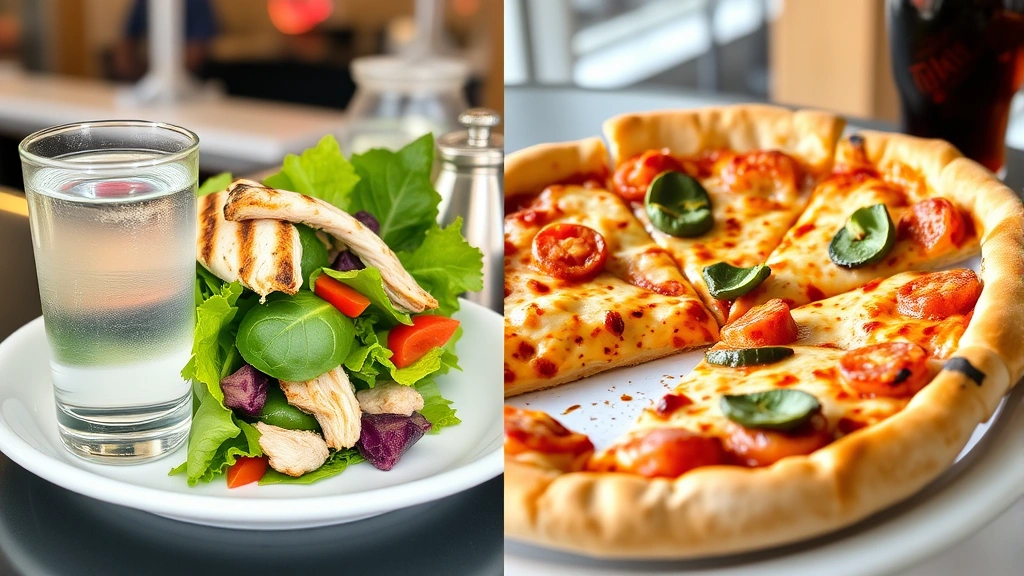
Costco’s pizza presents another interesting case study. A single slice of cheese pizza contains roughly 700-750 calories with 1,200-1,400mg of sodium. The pepperoni version adds additional saturated fat from processed meat toppings. However, pizza provides valuable calcium from cheese and some nutritional benefits from tomato sauce. When consumed as part of a balanced diet rather than the entire meal, pizza can fit within reasonable nutritional parameters. The key involves portion awareness and balancing with vegetables and lean proteins elsewhere in your daily intake.
The rotisserie chicken emerges as the nutritional champion of the food court. A quarter chicken provides approximately 250-300 calories with 500-700mg of sodium and substantial protein (25-30g). The bird’s skin contains saturated fat, but removing it reduces caloric and fat content while preserving protein benefits. This option pairs excellently with side selections, creating balanced meals. Many nutritionists recommend rotisserie chicken as one of the few food court items that requires minimal modification to align with health-conscious eating patterns.
Costco’s prepared salads offer another pathway toward nutritional balance. The chicken Caesar salad and similar options provide vegetables, protein, and reasonable caloric density when consumed without excessive dressing. However, dressing portions deserve scrutiny—many contain surprising amounts of sodium and added sugars. The healthy nutrition plan guide emphasizes that dressing selection significantly impacts overall nutritional value. Requesting dressing on the side and using measured portions transforms salads into genuinely healthy options.
Beverages at Costco food courts typically include soda, bottled water, and occasionally smoothies. Regular sodas deliver 150-200 calories and 40-50g of added sugar per serving—exceeding recommended daily sugar intake in a single drink. Diet sodas eliminate sugar but introduce artificial sweeteners whose long-term health effects remain debated among researchers. Water and unsweetened beverages represent optimal choices that support hydration without caloric or nutritional concerns.
Sodium and Hidden Health Concerns
Sodium represents the most concerning nutritional element across Costco’s food court menu. The American Heart Association recommends maximum daily sodium intake of 2,300mg, with many experts advocating for 1,500mg targets. A single hot dog combo nearly reaches these limits in one meal. This matters because excessive sodium consumption correlates with elevated blood pressure, increased cardiovascular disease risk, and kidney function complications, particularly among vulnerable populations including older adults and those with existing hypertension.
The sodium content stems from multiple sources: the preserved meat itself, added salt during preparation, and sauces or condiments. A hot dog contains approximately 600-800mg of sodium inherently, while the bun contributes 200-300mg, and toppings add additional amounts. This cumulative effect means seemingly simple foods deliver dramatic sodium loads. The nutrition facts label generator helps visualize how individual components combine to create total nutritional profiles.
Pizza presents similar sodium challenges through cheese, sauce, and processed meat toppings. A single slice delivers 1,200-1,400mg of sodium—exceeding 50% of daily recommendations in one item. The cheese alone contributes substantial sodium, while pepperoni adds processed salt content. Consumers unaware of these figures may consume two slices without realizing they’ve exceeded daily sodium targets.
Beyond sodium, several items contain concerning levels of saturated fat and added sugars. The hot dog combo delivers 30-35g of saturated fat, approximately 150% of recommended daily intake. This matters because saturated fat consumption correlates with elevated LDL cholesterol levels, a significant cardiovascular risk factor. Similarly, many food court beverages and desserts deliver substantial added sugar quantities that contribute to obesity, type 2 diabetes, and metabolic dysfunction.
Trans fats represent another concern, though less prevalent than historically. Some prepared foods still contain partially hydrogenated oils despite FDA restrictions. Reading available nutritional information carefully helps identify products containing these particularly harmful fats. When nutritional data isn’t readily available, requesting it from food court staff ensures informed decision-making.
Making Healthier Choices at the Counter
Strategic menu navigation transforms the Costco food court from a nutritional minefield into a viable option within balanced eating patterns. The first principle involves recognizing that no single meal needs to be perfect—rather, it should fit within your overall weekly nutritional patterns. If you know you’ll consume a high-sodium item at the food court, balancing with lower-sodium meals elsewhere becomes manageable.
Prioritizing protein sources without excessive processing offers the clearest path toward healthier choices. The rotisserie chicken, when available, provides lean protein with minimal nutritional compromise. Requesting a quarter chicken without skin reduces saturated fat while preserving protein benefits. This single choice delivers approximately 250 calories and 25g protein with manageable sodium levels—a genuinely balanced option.
When choosing pizza, limiting portions to a single slice and pairing with a large water or unsweetened beverage creates more balanced meals. Adding a side salad or vegetable-based option further improves nutritional density. Some Costco locations offer vegetable toppings that increase micronutrient content while reducing caloric density compared to meat-heavy pizzas. Requesting light cheese represents another modification that reduces saturated fat and sodium without eliminating the meal entirely.
The hot dog combo presents the greatest nutritional challenges, but modifications exist. Requesting a hot dog without the bun reduces caloric intake by approximately 150-200 calories while dramatically cutting refined carbohydrates and sodium from bread. This unconventional approach transforms the meal into a more protein-focused option. Pairing with water instead of soda or regular beverage eliminates liquid calories while reducing total sugar consumption.
Salads with protein offer excellent alternatives when prepared thoughtfully. Requesting dressing on the side and using measured portions—approximately 2-3 tablespoons for a full salad—maintains nutritional benefits while controlling calories and sodium. Adding grilled chicken, rotisserie chicken, or other protein sources creates complete meals meeting protein and vegetable intake recommendations.
Beverage selection significantly impacts overall meal quality. Water, unsweetened iced tea, or black coffee represent zero-calorie options supporting hydration without nutritional compromise. These choices contrast dramatically with regular sodas delivering 150-200 calories and 40-50g added sugar, or sweet tea containing similar sugar quantities. This single modification can reduce meal calories by 15-20% while eliminating added sugar consumption.
Portion Control Strategies
Costco’s food court portions frequently exceed single-serving recommendations, reflecting warehouse culture emphasizing value through quantity. However, larger portions don’t necessarily require consuming everything purchased. Strategic portion management allows enjoying food court meals while maintaining caloric and nutritional balance. This approach requires intentionality but proves highly effective for frequent visitors.
The hot dog combo includes a beverage and snack, often totaling 1,000+ calories before consuming the primary item. Declining the beverage and snack reduces total intake by 300-400 calories immediately. Alternatively, sharing portions with dining companions distributes calories while maintaining the social experience. This approach works particularly well for families or groups where individual portions can be customized.
Pizza portions benefit from similar strategies. Rather than consuming multiple slices, limiting to one slice and supplementing with vegetables, salads, or lean proteins creates balanced meals. This approach maintains satisfaction through variety while preventing excessive caloric intake. The psychological benefit of eating multiple food items often exceeds satisfaction from consuming larger portions of single items.
The tips for meal planning guide emphasizes that intentional portion planning extends beyond individual meals to weekly patterns. Planning Costco food court visits as occasional indulgences within otherwise balanced eating patterns prevents guilt while supporting long-term health goals. This flexible approach proves more sustainable than rigid restriction.
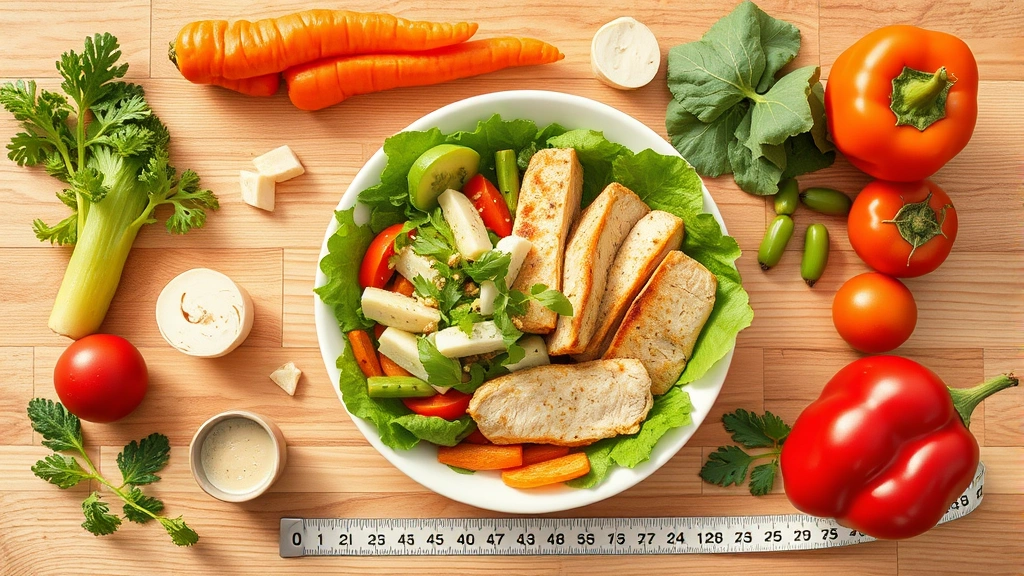
Plate composition offers another powerful tool. The USDA MyPlate model recommends filling half your plate with vegetables and fruits, one quarter with lean protein, and one quarter with whole grains. While Costco food courts offer limited vegetables, requesting items on the side and supplementing with purchased produce creates balanced plates. This visual approach helps ensure variety and nutritional completeness without complex calculations.
Comparing to Competitor Chains
Costco’s food court offerings compare favorably to many competitor warehouse and quick-service chains regarding both price and nutritional options. Sam’s Club, for instance, offers similar items with comparable nutritional profiles. McDonald’s and Burger King provide greater menu variety but often with higher caloric density and more processed ingredient lists. Chick-fil-A emphasizes chicken-based options with some healthier choices, though prices exceed Costco significantly.
The rotisserie chicken represents Costco’s strongest competitive advantage—offering superior value and nutritional quality compared to similar items elsewhere. A comparable rotisserie chicken from traditional supermarkets or restaurants costs $2-3 more while offering identical nutritional benefits. This price advantage makes Costco an exceptional option for consumers prioritizing both affordability and nutrition.
Subway and similar customizable sandwich chains offer greater control over ingredients and portions but frequently charge more while delivering comparable calories and sodium to Costco items. The nutritional advantage requires careful customization and informed decision-making. Costco’s simpler menu, while limiting options, reduces decision fatigue and makes planning easier for many consumers.
Research from Pew Research Center examining consumer food choices reveals that convenience, price, and familiarity drive purchasing decisions more powerfully than nutritional awareness. Costco’s food court succeeds because it delivers on these primary drivers while offering reasonable nutritional options for informed consumers. This combination explains its sustained popularity despite nutritional challenges.
The competitive landscape matters because it contextualizes Costco’s position within broader food retail and consumption patterns. While no food court represents optimal nutrition, Costco’s offerings compare favorably to alternatives while delivering exceptional value. This reality allows consumers to enjoy food court experiences without feeling guilty, provided they make intentional choices and maintain balanced overall eating patterns.
FAQ
What’s the actual calorie count for a Costco hot dog combo?
The hot dog combo totals approximately 700-750 calories for the hot dog and bun alone, with beverages and snacks adding 200-300 additional calories depending on selections. Total meal calories typically range from 900-1,050 calories, representing 40-50% of many individuals’ daily caloric intake in a single meal.
Is Costco rotisserie chicken a healthy choice?
Yes, rotisserie chicken represents one of the food court’s healthiest options. A quarter chicken provides 250-300 calories, 25-30g protein, and manageable sodium levels (500-700mg). Removing skin reduces saturated fat while preserving protein benefits. It pairs excellently with vegetables or salads to create genuinely balanced meals.
How much sodium does pizza contain?
A single slice of Costco pizza contains 1,200-1,400mg of sodium—exceeding 50% of daily recommendations. The combination of cheese, sauce, and processed meat toppings creates this high sodium load. Limiting to one slice and pairing with water and vegetables creates more balanced meals.
Can I eat at Costco food court while dieting?
Absolutely. Strategic choices including rotisserie chicken, salads with measured dressing, and single slices of pizza fit within most calorie-restricted diets. The key involves portion awareness, beverage selection, and balancing with vegetables and lean proteins. The nutrition and mental health connection reminds us that sustainable dieting requires flexibility and enjoyment—occasional food court meals support rather than undermine long-term success.
What beverages should I choose?
Water represents the optimal choice, supporting hydration without calories or added sugars. Unsweetened iced tea and black coffee offer alternatives with minimal nutritional impact. Avoid regular sodas (150-200 calories, 40-50g sugar) and sweet tea (similar sugar content). Diet sodas eliminate sugar but introduce artificial sweeteners whose long-term effects remain debated.
How do I request modifications at the food court?
Costco food court staff generally accommodate reasonable requests including hot dogs without buns, pizza with light cheese, salad dressing on the side, and rotisserie chicken without skin. Simply ask politely at the counter. Most locations prioritize customer satisfaction and can fulfill these modifications without significant delays or additional charges.
Should I feel guilty eating at Costco food court?
No. Food courts represent occasional meals within broader eating patterns. The nutrition for athletes guide emphasizes that flexible approaches to nutrition—allowing enjoyable foods while maintaining overall balance—support long-term adherence better than rigid restriction. Making informed choices transforms food court visits from guilty indulgences into intentional meals fitting within balanced eating patterns.


