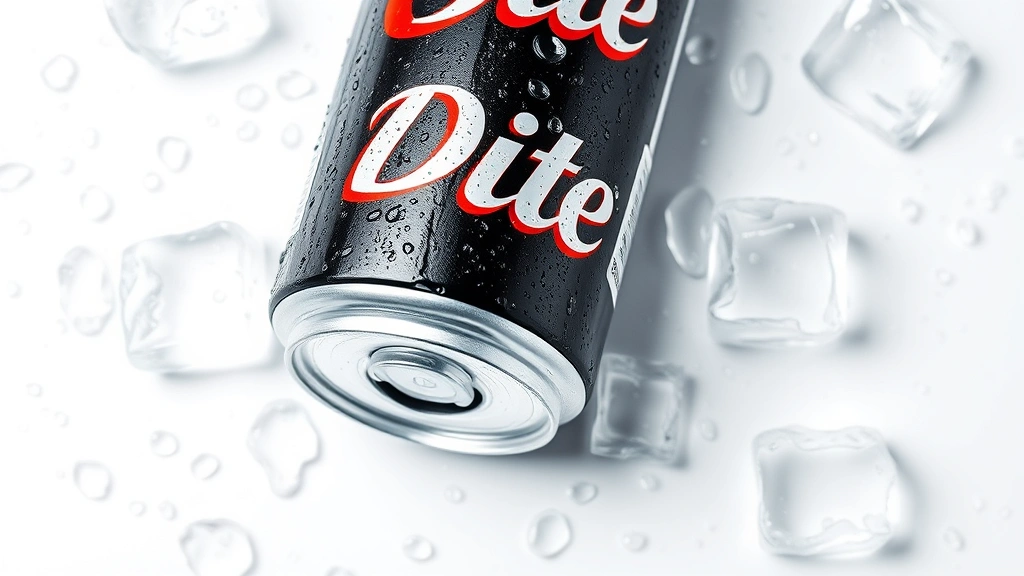
Diet Coke Nutrition Facts: Expert Breakdown
Diet Coke has been a staple in the beverage industry for decades, marketed as a zero-calorie alternative to regular cola. However, understanding what’s actually in your can requires more than just glancing at the label. This comprehensive guide breaks down the nutrition facts, ingredients, and health implications of Diet Coke, helping you make informed decisions about your beverage consumption.
Whether you’re a casual Diet Coke drinker or someone trying to understand how it fits into your overall dietary strategy, this expert analysis covers everything from artificial sweeteners to the role of carbonation in your daily nutrition. We’ll examine the science behind the marketing claims and help you understand what zero calories really means.
Understanding Diet Coke Nutrition Label Basics
The nutrition label on a Diet Coke can is deliberately simple: zero calories, zero grams of fat, zero grams of carbohydrates, and zero grams of sugar. A standard 12-fluid-ounce serving contains 46 milligrams of sodium and 46 milligrams of potassium. This minimalist label is part of Diet Coke’s core marketing strategy, positioning it as a guilt-free beverage option for calorie-conscious consumers.
However, the “zero” designation comes with important caveats. According to FDA regulations, products can be labeled as zero calories if they contain fewer than 5 calories per serving. This means Diet Coke could technically contain up to 4.9 calories without being disclosed on the label. While this is negligible for most people, it’s worth understanding the regulatory framework behind nutrition labeling.
The sodium content in Diet Coke is another consideration. At 46 milligrams per 12-ounce serving, it’s relatively modest compared to many processed foods, representing about 2% of the daily recommended value. However, regular consumers who drink multiple servings daily should account for this cumulative sodium intake as part of their healthy nutrition plan.
When examining the nutrition label, it’s crucial to recognize that the absence of traditional macronutrients doesn’t mean the beverage has no biological impact. The ingredients that make Diet Coke taste like cola despite containing no sugar play significant roles in how your body processes and responds to the drink.
Artificial Sweeteners and Their Effects
The primary reason Diet Coke contains zero grams of sugar is the inclusion of artificial sweeteners, primarily aspartame, with acesulfame potassium as a secondary sweetener in some formulations. Aspartame is approximately 200 times sweeter than sugar, meaning only tiny amounts are needed to achieve the desired taste profile. This is why Diet Coke can deliver the cola flavor consumers expect without any caloric contribution from sweeteners.
Aspartame has been extensively studied by regulatory agencies worldwide. The FDA approved aspartame in 1981, and it has undergone more safety testing than virtually any other food additive. A standard 12-ounce Diet Coke contains approximately 125 milligrams of aspartame, well below the FDA’s Acceptable Daily Intake (ADI) of 50 milligrams per kilogram of body weight. For a 150-pound person, this translates to approximately 3,400 milligrams daily before reaching the safety threshold.
Despite regulatory approval, aspartame remains controversial in public discourse. Some individuals report sensitivity to the sweetener, experiencing headaches or other symptoms. The scientific evidence on these claims is mixed, with research institutions continuing to investigate potential effects. It’s important to distinguish between regulatory safety approval and individual tolerance—someone may experience adverse reactions to aspartame even though it’s deemed safe for the general population at typical consumption levels.
Acesulfame potassium, another sweetener in Diet Coke, is approximately 200 times sweeter than sugar and was approved by the FDA in 1988. Like aspartame, it’s been deemed safe at current consumption levels, though advocacy groups continue to call for additional long-term studies on its health effects.
The role of artificial sweeteners in appetite regulation and metabolic health remains an active area of nutritional research. Some studies suggest that non-nutritive sweeteners may influence gut bacteria or glucose metabolism in ways that traditional calorie counting doesn’t capture, though the mechanisms and practical significance remain unclear.
Caffeine Content Analysis
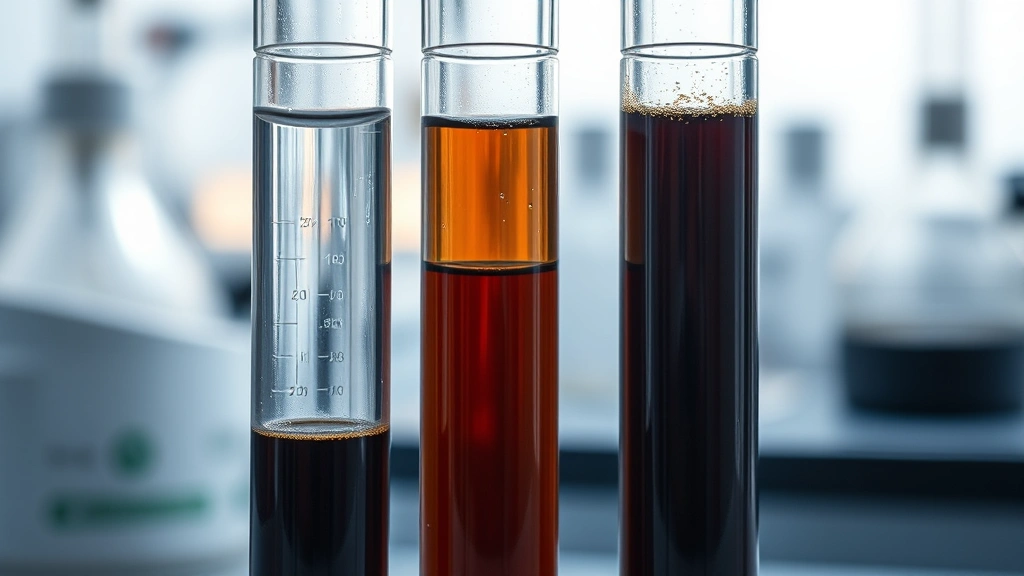
Diet Coke contains 46 milligrams of caffeine per 12-fluid-ounce serving, making it a moderate source of caffeine compared to other beverages. For context, a typical cup of brewed coffee contains 95-200 milligrams of caffeine, while black tea contains 25-50 milligrams. This positions Diet Coke as a lighter caffeine option than coffee but comparable to or slightly higher than standard tea.
The caffeine in Diet Coke comes from natural sources, specifically from kola nuts and coffee beans, though most commercial caffeine is now synthetically produced. This caffeine serves multiple purposes in the formula: it contributes to the cola flavor profile, provides a mild stimulant effect, and helps preserve the beverage’s shelf stability.
For most adults, consuming 46 milligrams of caffeine per serving is well within safe limits. The FDA suggests that healthy adults can consume up to 400 milligrams of caffeine daily without adverse effects. However, individuals sensitive to caffeine, pregnant women, and those with certain medical conditions should monitor their intake carefully. Someone drinking four Diet Cokes daily would consume 184 milligrams of caffeine, still below the recommended maximum but worth considering alongside other dietary sources.
Caffeine sensitivity varies significantly among individuals based on genetics, tolerance, and consumption patterns. Regular Diet Coke drinkers develop tolerance to caffeine’s effects, requiring more to achieve the same stimulation. Conversely, occasional consumers may experience more pronounced effects from the same amount.
Complete Ingredient Breakdown
Beyond the major components covered above, Diet Coke contains several other ingredients that merit examination. The complete ingredient list typically includes carbonated water, caramel color, phosphoric acid, natural flavors, caffeine, aspartame, and acesulfame potassium. Understanding each ingredient provides a complete picture of what you’re consuming.
Carbonated Water: The primary ingredient, making up roughly 99% of the beverage by volume. Carbonation itself is neutral from a nutritional standpoint, though some research suggests carbonated beverages may have minor effects on tooth enamel and bone health when consumed in excessive quantities.
Caramel Color: A food coloring agent that gives Diet Coke its characteristic brown hue. It’s produced by heating sugars and is considered safe by regulatory agencies, though some advocacy groups have raised concerns about certain caramel color compounds in high-heat processing.
Phosphoric Acid: Added for flavor and as a preservative, phosphoric acid provides the acidic taste component of cola. It also helps prevent bacterial growth. At the levels found in Diet Coke, phosphoric acid is generally recognized as safe, though excessive phosphorus intake from multiple sources could theoretically impact calcium metabolism. The amount in a single serving is minimal relative to dietary phosphorus intake.
Natural Flavors: These proprietary ingredients are what make Diet Coke taste distinctly like Coca-Cola rather than a generic diet cola. The specific composition is trade-secret information, though they’re derived from natural sources and regulated as food additives.
Comparing Diet Coke to Other Zero-Calorie Beverages
The zero-calorie beverage market has expanded significantly, offering consumers numerous alternatives. Understanding how Diet Coke compares to competitors helps contextualize its nutritional profile within the broader market landscape.
Diet Coke vs. Coke Zero Sugar: Coca-Cola’s newer product, Coke Zero Sugar, contains identical zero calories but uses a different sweetener blend (aspartame and acesulfame potassium in different proportions) to more closely match regular Coke’s taste. Both are nutritionally equivalent in terms of calories and macronutrients, with the primary difference being flavor profile and sweetener ratios.
Diet Coke vs. Other Diet Sodas: Pepsi Diet, Sprite Zero, and other diet sodas follow similar formulation patterns with zero calories and artificial sweeteners. The specific sweetener combinations vary, as do caffeine levels. Diet sodas generally contain 30-46 milligrams of caffeine per 12-ounce serving.
Diet Coke vs. Sparkling Water: Plain sparkling water contains zero calories, zero sodium, and no artificial sweeteners. However, it lacks the flavor compounds and caffeine that make Diet Coke appealing to consumers. Some sparkling water brands add natural flavors, creating a middle ground between plain water and diet sodas.
Diet Coke vs. Energy Drinks: Zero-calorie energy drinks typically contain significantly more caffeine (80-300 milligrams per serving) and often include additional stimulants like taurine and guarana. They represent a more aggressive caffeine delivery system than Diet Coke.
From a purely nutritional standpoint, plain water or unsweetened sparkling water are superior choices, as they provide hydration without artificial additives. However, when comparing Diet Coke to other flavored beverages, its zero-calorie, zero-sugar profile makes it a reasonable option for those seeking cola taste without sugar’s caloric impact.
Health Implications and Research Findings
The health implications of regular Diet Coke consumption extend beyond simple calorie counting. Numerous research studies have examined associations between diet soda consumption and various health outcomes, with mixed and sometimes contradictory findings.
Weight Management: While Diet Coke contains zero calories, some research suggests that artificial sweeteners may not support weight loss as effectively as once believed. A comprehensive review of diet soda studies found that regular consumption was associated with weight gain in some populations, possibly due to compensatory eating or metabolic effects. However, these are observational associations, not proven causal relationships. It’s difficult to determine whether diet soda consumption causes weight gain or whether people who struggle with weight are more likely to consume diet products.
Metabolic Health: Some studies have linked artificial sweetener consumption to changes in glucose metabolism and insulin response, though the mechanisms are not fully understood. Research suggests artificial sweeteners might alter gut microbiota composition, which could theoretically influence metabolic health. However, these effects appear modest and may not be clinically significant for most individuals.
Dental Health: The phosphoric acid in Diet Coke creates an acidic environment that can erode tooth enamel with repeated exposure. The pH of Diet Coke is approximately 3.0-3.5, which is acidic enough to gradually wear away protective enamel layers. Regular consumers should consider using a straw and waiting 30 minutes after consumption before brushing teeth to minimize this effect.
Bone Health: Some older research suggested that phosphoric acid consumption might negatively impact bone health, but more recent studies have found this connection to be weak or non-existent at typical consumption levels. The caffeine in Diet Coke has a minimal impact on calcium excretion.
Understanding how nutrition and mental health interact is also relevant, as caffeine affects neurological function. The modest caffeine content in Diet Coke is unlikely to cause significant mental health effects, though individual sensitivity varies.
Daily Consumption Recommendations
While regulatory agencies don’t establish specific recommendations for diet soda consumption, health organizations offer general guidance based on nutritional science. The American Heart Association recommends limiting added sugars, which Diet Coke helps achieve, but also suggests that water should be the primary beverage for hydration.
Occasional consumption of Diet Coke—defined as a few servings per week—poses minimal health risk for most adults. The ingredients are present in amounts well below safety thresholds, and the zero-calorie profile doesn’t contribute to caloric excess. However, consuming multiple servings daily deserves more careful consideration.
For regular consumers drinking one or more Diet Cokes daily, consider these factors:
- Caffeine accumulation: Multiple servings daily could contribute significantly to total caffeine intake, potentially affecting sleep quality or anxiety in sensitive individuals
- Sodium intake: While modest per serving, multiple daily servings add up, particularly for individuals managing hypertension
- Dental erosion: Frequent exposure to phosphoric acid increases enamel erosion risk; daily drinkers should take protective measures
- Sweetener exposure: Though safe at approved levels, minimizing artificial sweetener intake aligns with a whole-foods-focused nutritional philosophy
- Hydration quality: Diet Coke shouldn’t replace water as your primary hydration source, as it provides no nutritional benefits beyond taste satisfaction
For individuals following a whole-food nutrition approach or interested in optimizing their nutrient absorption, limiting Diet Coke consumption makes sense. However, for those already consuming sugary beverages, switching to Diet Coke represents a meaningful improvement in caloric and sugar intake.
Special populations should exercise additional caution. Pregnant women should limit aspartame consumption due to concerns about phenylalanine metabolism. Individuals with phenylketonuria (PKU) must avoid aspartame entirely. People managing anxiety, sleep disorders, or caffeine sensitivity should monitor their Diet Coke intake as part of overall caffeine management.
FAQ
Is Diet Coke completely calorie-free?
Technically, Diet Coke can contain up to 4.9 calories per serving under FDA regulations that allow products with fewer than 5 calories to be labeled as zero calories. However, the actual caloric content is negligible and doesn’t meaningfully impact daily caloric intake.
Does Diet Coke cause cancer?
No credible scientific evidence links Diet Coke or aspartame consumption at typical levels to cancer development. Multiple regulatory agencies and independent research reviews have found aspartame safe for human consumption. Advocacy groups occasionally raise concerns, but these haven’t been substantiated by rigorous scientific evidence.
Can Diet Coke help with weight loss?
Diet Coke itself doesn’t promote weight loss—it’s a zero-calorie beverage that simply doesn’t contribute calories. Some research suggests artificial sweeteners might have modest effects on appetite or metabolism, but these effects are not well-established or practically significant. Weight loss requires overall caloric deficit, which Diet Coke can support by replacing sugary beverages.
How much Diet Coke is safe to drink daily?
There’s no established safe upper limit for Diet Coke specifically, but health organizations recommend that water be your primary beverage. Consuming one to two servings daily is unlikely to cause health problems for most people, but higher consumption should be evaluated individually, particularly regarding caffeine intake and dental health.
Does Diet Coke contain any nutrients?
No, Diet Coke contains no vitamins, minerals, proteins, fats, or carbohydrates in meaningful quantities. It’s purely a flavored, carbonated beverage with no nutritional value beyond satisfying thirst and taste preferences.
Is Diet Coke better than regular Coke?
From a purely nutritional standpoint, Diet Coke is superior to regular Coke because it contains zero grams of sugar and no added calories, while regular Coke contains 39 grams of sugar and 140 calories per 12-ounce serving. However, water or unsweetened beverages remain the healthiest choice.
What’s the difference between Diet Coke and Coke Zero Sugar?
Both contain zero calories and use artificial sweeteners, but Coke Zero Sugar uses a different sweetener ratio designed to taste more like regular Coke. Diet Coke has its own distinctive flavor profile. Nutritionally, they’re virtually identical.
Does the caffeine in Diet Coke affect sleep?
Diet Coke’s 46 milligrams of caffeine per serving is modest compared to coffee, but it could affect sleep in sensitive individuals, particularly if consumed within six hours of bedtime. Individual caffeine sensitivity varies significantly based on genetics and tolerance.