Diet Dr Pepper: Is It Really a Healthy Choice?
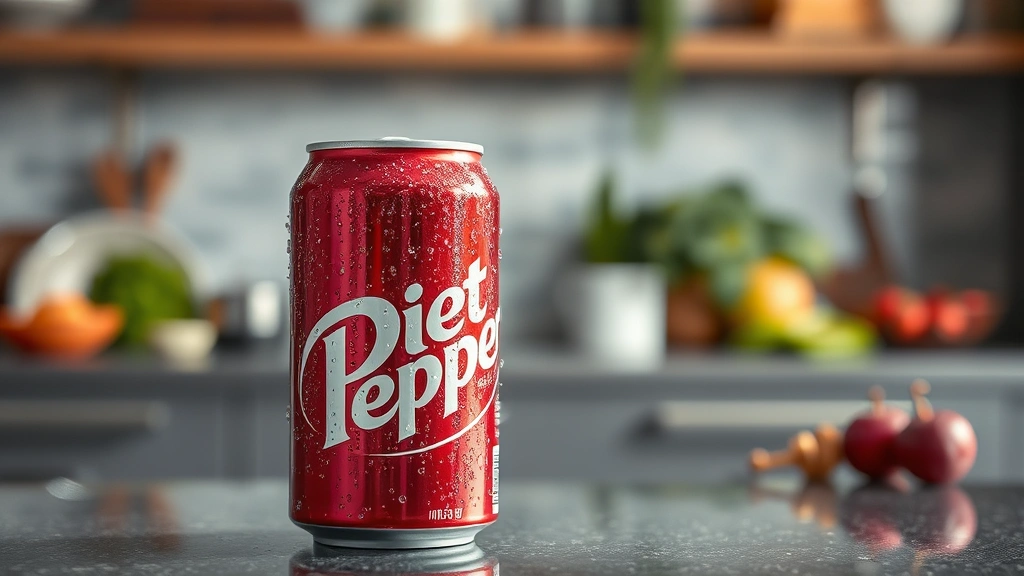
Diet Dr Pepper has become a staple in the beverage aisle for millions of consumers seeking a zero-calorie alternative to regular soda. With its distinctive blend of 23 flavors and the promise of guilt-free indulgence, it appeals to health-conscious individuals and soda enthusiasts alike. But behind the marketing claims and refreshing taste lies a more complex nutritional story that deserves closer examination.
The rise of diet sodas in the 1980s and 1990s promised to revolutionize how we enjoy carbonated beverages without the sugar crash or caloric burden. Diet Dr Pepper capitalizes on this legacy, positioning itself as a responsible choice for those watching their weight or managing blood sugar levels. However, recent nutritional science and consumer awareness have raised important questions about whether artificial sweeteners, chemical additives, and other ingredients truly make diet sodas a healthy option. This comprehensive analysis explores the nutritional profile, health implications, and realistic role of Diet Dr Pepper in a balanced diet.
Nutritional Profile and Ingredient Breakdown
A 12-ounce can of Diet Dr Pepper contains virtually no calories, zero grams of sugar, and no fat or protein. On the surface, these numbers appear ideal for anyone following a calorie-restricted diet or managing type 2 diabetes. However, the ingredient list tells a more nuanced story that extends beyond these basic macronutrient figures.
The primary ingredients include carbonated water, caramel color, phosphoric acid, natural and artificial flavors, caffeine, aspartame, acesulfame potassium (Ace-K), sodium benzoate, and Red 40. Each of these components plays a specific role in creating the beverage’s taste and shelf stability, but some warrant closer nutritional scrutiny. Understanding these ingredients is essential for making informed decisions about consumption patterns.
The nutrition facts label reveals that a single serving contains 35 milligrams of sodium and 46 milligrams of caffeine. While these amounts seem modest in isolation, regular consumption can contribute meaningfully to daily intake totals. For perspective, the American Heart Association recommends limiting sodium to 2,300 milligrams per day, and the FDA suggests 400 milligrams of caffeine as a safe daily maximum for healthy adults.
Phosphoric acid, present in Diet Dr Pepper to maintain flavor and prevent bacterial growth, deserves particular attention. This ingredient has been linked in some research to reduced bone mineral density and potential calcium absorption issues, though the evidence remains somewhat contested in the scientific community. Those with existing bone health concerns should factor this consideration into their consumption decisions.
Artificial Sweeteners: Benefits and Concerns
Diet Dr Pepper relies on a combination of aspartame and acesulfame potassium to deliver sweetness without sugar. These synthetic sweeteners are approximately 200 and 200 times sweeter than sucrose, respectively, allowing manufacturers to use minimal quantities while maintaining the desired taste profile. Both are FDA-approved and considered safe for the general population at current consumption levels.
Aspartame, discovered in 1965, has been the subject of extensive safety research spanning decades. The FDA has reviewed thousands of studies and consistently concluded that aspartame is safe for consumption by the general population, including pregnant women and children, at approved levels. However, individuals with phenylketonuria (PKU), a rare genetic disorder, must avoid aspartame entirely due to its phenylalanine content.
Acesulfame potassium (Ace-K) has received less public attention than aspartame but equally rigorous safety evaluation. The sweetener is not metabolized by the human body and passes through the digestive system largely unchanged. Some consumer advocacy groups have called for additional long-term studies, particularly regarding potential effects on metabolism and glucose regulation, though mainstream regulatory bodies maintain its safety profile.
The broader debate surrounding artificial sweeteners extends beyond individual ingredient safety to questions about their effects on taste preferences, appetite regulation, and metabolic function. Some research suggests that frequent consumption of intensely sweet beverages—artificial or otherwise—may condition the palate to prefer sweeter foods and drinks, potentially influencing dietary choices over time. This psychological and physiological adaptation represents a more subtle health consideration than direct toxicity.
Caffeine Content and Health Effects
With 46 milligrams of caffeine per 12-ounce serving, Diet Dr Pepper contains significantly less caffeine than coffee (95-200 mg per 8 ounces) but comparable amounts to black tea. For most healthy adults, this caffeine level poses no direct health risk and may even provide modest cognitive benefits including improved alertness and concentration.
However, caffeine sensitivity varies considerably among individuals. Some people metabolize caffeine slowly due to genetic factors, making them more susceptible to jitteriness, anxiety, or sleep disruption even from moderate amounts. Those with existing anxiety disorders, cardiovascular conditions, or sleep disturbances should monitor their total caffeine intake carefully. Pregnant women are generally advised to limit caffeine consumption to 200 milligrams daily, making Diet Dr Pepper an occasional rather than daily beverage choice during pregnancy.
The interaction between caffeine and other dietary factors also warrants consideration. Caffeine can slightly reduce calcium absorption and increase urinary calcium excretion, potentially impacting bone health when combined with other risk factors. Additionally, caffeine consumption in the afternoon or evening can interfere with sleep quality, which has cascading effects on metabolism, immune function, and overall health.
Dental Health Implications
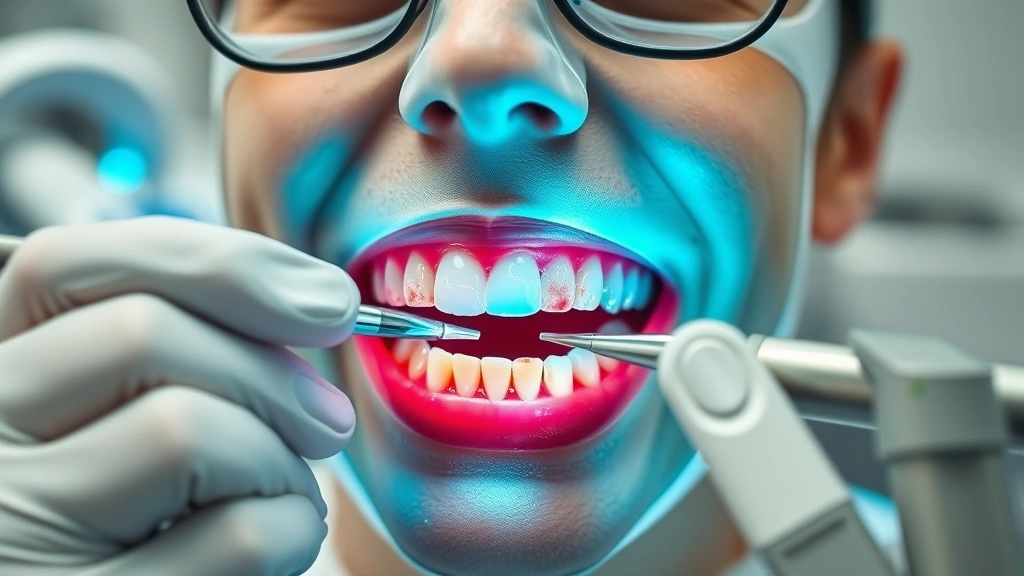
Perhaps the most clear-cut health concern associated with Diet Dr Pepper involves dental health. Despite containing no sugar, the beverage poses significant risks to tooth enamel due to its acidic nature. The phosphoric acid and natural flavoring compounds create an environment with a pH around 2.7 to 3.0, well below the neutral 7.0 threshold and approaching the acidity of lemon juice.
Dental enamel begins to demineralize at pH levels below 5.5, meaning that regular consumption of Diet Dr Pepper exposes teeth to erosive conditions. Over time, this acid exposure can lead to enamel thinning, increased sensitivity, discoloration, and susceptibility to cavities. The problem intensifies if the beverage is sipped slowly throughout the day, as this extends the duration of acid exposure.
Dentists universally recommend limiting acidic beverage consumption and taking protective measures such as using a straw, rinsing with water after consumption, and waiting at least 30 minutes before brushing teeth (brushing immediately can damage softened enamel). For individuals concerned about dental health, water remains the optimal beverage choice, with unsweetened tea and milk providing acceptable alternatives.
Metabolic and Weight Management Paradox
A counterintuitive phenomenon has emerged in nutritional epidemiology: regular consumers of diet sodas often show higher rates of weight gain and metabolic dysfunction compared to non-consumers. This observation, documented in multiple longitudinal studies, challenges the intuitive assumption that zero-calorie beverages support weight management goals.
Several mechanisms have been proposed to explain this paradox. The artificial sweetness may disrupt the body’s natural calorie-reward association, potentially leading to compensatory overeating later in the day. Additionally, some research suggests that artificial sweeteners might alter gut microbiota composition, affecting metabolic regulation and glucose homeostasis. Other studies point to reverse causation—individuals already struggling with weight gain may preferentially consume diet sodas, rather than diet sodas causing the weight gain.
For weight management specifically, the foundation of a healthy nutrition plan rests on whole foods, adequate protein intake, and mindful calorie balance rather than reliance on artificial sweeteners. While Diet Dr Pepper contains zero calories, it provides zero nutritional value, displacing opportunities for beverages that offer vitamins, minerals, or other beneficial compounds.
Comparison with Other Beverages
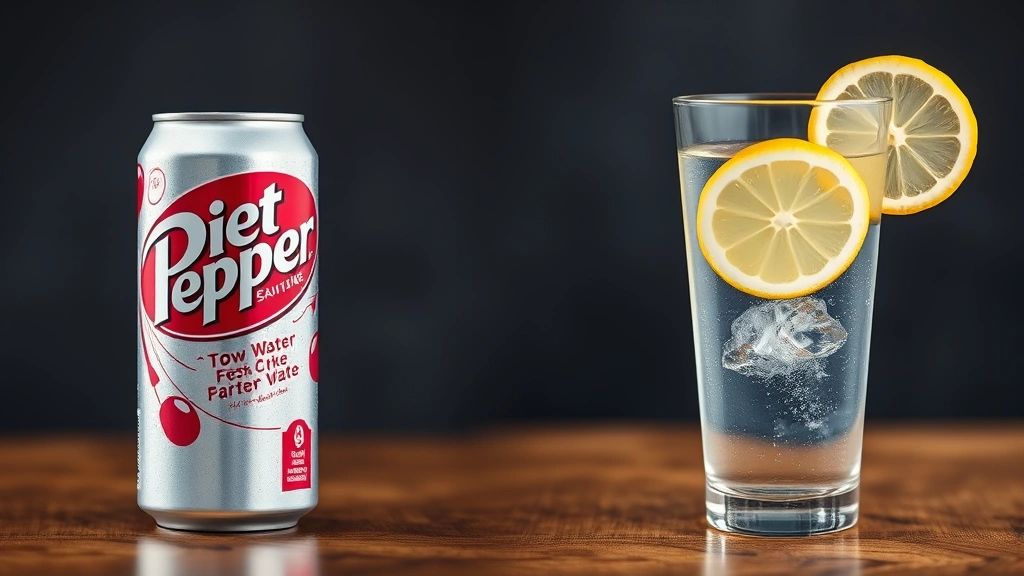
To contextualize Diet Dr Pepper’s health profile, comparing it with alternative beverage options proves instructive. Regular Dr Pepper contains 150 calories and 40 grams of sugar per 12-ounce serving, making it nutritionally problematic for anyone monitoring calorie or sugar intake. From this perspective, Diet Dr Pepper represents a clear improvement.
However, water remains the gold standard for hydration, providing essential fluid intake without any additives, artificial ingredients, or dental risks. Unsweetened tea and coffee offer caffeine and beneficial phytocompounds without added sweeteners. Sparkling water provides the carbonation satisfaction some consumers crave without the acidity, artificial sweeteners, or other additives found in diet sodas.
For individuals with specific health goals, nutrition for athletes and active individuals should prioritize beverages supporting performance and recovery. Sports drinks with electrolytes serve a specific purpose during intense exercise, while water suffices for most daily hydration needs. Diet sodas offer no performance advantage and provide no recovery benefits.
Long-Term Health Considerations
While individual ingredients in Diet Dr Pepper are FDA-approved and considered safe, the long-term health implications of regular consumption remain incompletely understood. Most safety testing for artificial sweeteners occurred decades ago, and our understanding of their effects on the microbiome, metabolic health, and chronic disease risk continues evolving.
Research published in reputable journals has associated regular diet soda consumption with increased risk of stroke and dementia in some populations, though causation remains unproven. Other studies link diet soda consumption to increased cardiovascular disease risk, potentially through mechanisms involving inflammation or metabolic effects rather than direct toxicity.
The connection between nutrition and mental health adds another dimension to this discussion. Some research suggests that artificial sweeteners and the chemicals in processed beverages may influence mood and cognitive function, though evidence remains preliminary.
For individuals with existing health conditions—particularly type 2 diabetes, cardiovascular disease, or bone health concerns—consultation with healthcare providers about diet soda consumption proves prudent. Personalized medical advice should supersede general recommendations, as individual health profiles create unique risk-benefit considerations.
The principle of dietary fiber importance also relates to beverage choices. Dietary fiber supports digestive health and metabolic function, and while beverages don’t typically provide fiber, choosing beverages that don’t displace whole foods that do provide fiber becomes nutritionally relevant. Replacing a Diet Dr Pepper with water and consuming a piece of fruit instead creates a more nutritionally complete choice.
FAQ
Is Diet Dr Pepper safe for diabetics?
Diet Dr Pepper contains no sugar and minimal carbohydrates, making it technically safe for blood sugar management compared to regular soda. However, some research suggests artificial sweeteners may have subtle effects on glucose regulation and insulin response. Individuals with diabetes should discuss diet soda consumption with their healthcare provider, as individual responses vary. Water remains the optimal beverage choice for diabetes management.
Does Diet Dr Pepper cause weight gain?
Diet Dr Pepper itself contains zero calories, so it doesn’t directly cause weight gain. However, observational studies show that regular diet soda consumers often gain more weight than non-consumers. This may reflect reverse causation, compensatory eating patterns, or metabolic effects of artificial sweeteners. For weight management, water and unsweetened beverages provide superior support.
How much Diet Dr Pepper is safe to drink daily?
There is no established safe daily limit for Diet Dr Pepper specifically, as it contains FDA-approved ingredients at approved levels. However, limiting consumption to occasional use—perhaps one can per week or less—minimizes exposure to phosphoric acid, artificial sweeteners, and caffeine. Daily consumption poses cumulative dental and metabolic risks worth avoiding.
Can children drink Diet Dr Pepper?
While aspartame and other sweeteners are approved for children, dental health concerns and caffeine sensitivity make Diet Dr Pepper a poor choice for young people. The 46 milligrams of caffeine per serving can affect sleep and behavior in children. Water and unsweetened milk provide better nutritional support for developing bodies.
Is Diet Dr Pepper better than regular Dr Pepper?
Diet Dr Pepper eliminates 150 calories and 40 grams of sugar per serving compared to regular Dr Pepper, making it nutritionally superior for calorie and sugar management. However, the artificial sweeteners and phosphoric acid in Diet Dr Pepper create different health concerns. Neither represents an optimal beverage choice; water remains the healthier alternative to both.
What are the main health risks of Diet Dr Pepper?
Primary health concerns include dental erosion from phosphoric acid, potential metabolic effects from artificial sweeteners, caffeine-related issues in sensitive individuals, and displacement of more nutritious beverage choices. Long-term effects of regular artificial sweetener consumption remain incompletely characterized.
Diet Dr Pepper represents a complex nutritional choice that defies simple categorization as definitively healthy or unhealthy. For occasional consumption by healthy adults without dental concerns, it poses minimal direct health risk. However, as a regular beverage choice, it offers no nutritional benefits while carrying identifiable risks—particularly to dental health—that water and other alternatives avoid entirely. The most honest assessment: Diet Dr Pepper is better than regular soda for calorie and sugar management, but inferior to water, unsweetened tea, or other naturally low-calorie beverages for overall health optimization.