Filet Mignon Nutrition Facts: Dietitian Insights
Filet mignon stands as one of the most prized cuts of beef, renowned for its tenderness and rich flavor profile. Beyond its culinary appeal, this premium cut offers substantial nutritional value that deserves examination from a dietary perspective. Understanding the complete nutritional composition of filet mignon helps consumers make informed decisions about incorporating this protein source into their healthy nutrition plan.
As a concentrated source of high-quality protein and essential micronutrients, filet mignon delivers significant dietary benefits when consumed in appropriate portions. The cut comes from the tenderloin, a lean muscle group that produces meat with lower fat content compared to other premium beef selections. This article explores the comprehensive nutritional profile of filet mignon, examining macronutrients, micronutrients, and practical applications for health-conscious diners.
Complete Nutritional Breakdown of Filet Mignon
A standard 3-ounce (85-gram) serving of cooked filet mignon, prepared without added fats, contains approximately 180-200 calories. This makes it a relatively moderate caloric choice for a protein-rich meat product. The nutritional composition reflects the lean nature of the tenderloin cut, distinguishing it from fattier beef selections like ribeye or porterhouse steaks.
The macronutrient distribution reveals why filet mignon appeals to individuals following protein-focused dietary approaches. Each 3-ounce serving delivers roughly 24-26 grams of protein, making it an exceptionally dense source of this essential macronutrient. The carbohydrate content remains zero, as beef contains no naturally occurring carbohydrates. Fat content typically ranges from 9-11 grams per serving, with saturation levels varying based on specific preparation methods and the animal’s diet.
According to USDA nutritional databases, filet mignon prepared with minimal cooking fats provides a balanced macronutrient profile suitable for multiple dietary frameworks. The cut’s lean characteristics result from the tenderloin’s limited marbling, the intramuscular fat that contributes to flavor and texture in other beef cuts.
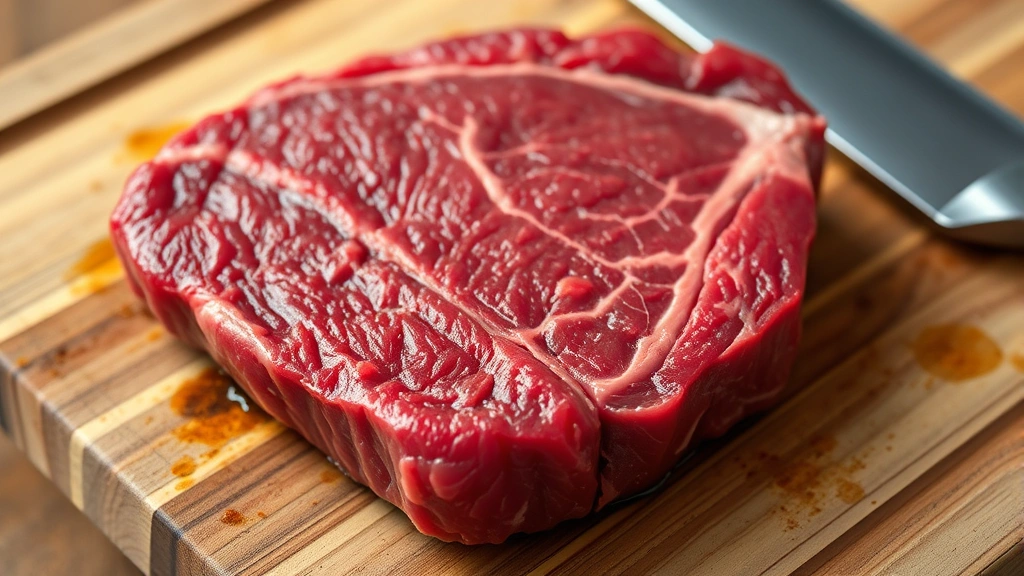
[IMAGE_1]
Protein Content and Amino Acid Profile
The protein quality in filet mignon stands among the highest available in animal-based foods. This meat provides all nine essential amino acids in optimal ratios for human protein synthesis. The digestibility score for beef protein exceeds 95%, meaning the body efficiently absorbs and utilizes nearly all consumed amino acids.
Leucine, an amino acid critical for muscle protein synthesis, appears in particularly high concentrations in filet mignon. This branched-chain amino acid triggers mTOR signaling pathways responsible for muscle growth and repair. Athletes and individuals engaged in resistance training benefit substantially from filet mignon’s leucine content, as this amino acid plays a more prominent role in muscle adaptation than other amino acids.
For individuals following tips for meal planning that emphasize protein adequacy, filet mignon provides approximately 50% of the recommended daily protein intake in a single 3-ounce serving. This protein density makes filet mignon particularly valuable for older adults at risk of sarcopenia, as adequate high-quality protein consumption becomes increasingly important with advancing age.
The amino acid profile also includes creatine, a compound synthesized in the liver but obtained preformed through meat consumption. Dietary creatine supplementation enhances muscle strength, power output, and cognitive function across numerous clinical studies. Unlike plant-based protein sources, filet mignon delivers creatine without requiring supplementation.
Fat Composition and Heart Health Considerations
While filet mignon contains fat, the specific composition warrants detailed examination rather than dismissal. Approximately 40-45% of the fat in beef comprises monounsaturated fatty acids, the same type found abundantly in olive oil and avocados. These fats support cardiovascular health and reduce inflammation when replacing saturated fat in dietary patterns.
Saturated fat comprises roughly 35-40% of filet mignon’s fat content, a level that concerns some health practitioners. However, recent research demonstrates that saturated fat from beef differs significantly from saturated fat from processed foods. The specific saturated fat stearic acid, abundant in beef, undergoes hepatic conversion to oleic acid, a monounsaturated fat with neutral or beneficial cardiovascular effects.
Polyunsaturated fats constitute approximately 5-8% of filet mignon’s fat content, including small quantities of conjugated linoleic acid (CLA). This fatty acid demonstrates anti-inflammatory properties and may support body composition changes when combined with exercise. Grass-fed filet mignon contains higher CLA concentrations than grain-fed beef, making grass-fed options potentially superior from a nutritional standpoint.
The presence of cholesterol, approximately 70-80 milligrams per 3-ounce serving, represents less than 25% of the recommended daily limit. Emerging evidence suggests dietary cholesterol impacts blood cholesterol levels less significantly than previously believed, particularly when saturated fat consumption remains moderate.

Essential Vitamins and Minerals
Filet mignon serves as an exceptional source of B vitamins, particularly vitamin B12, which appears exclusively in animal-based foods. A single 3-ounce serving provides approximately 1.5 micrograms of B12, covering roughly 60% of the recommended daily intake. This becomes especially important for aging populations, as B12 absorption declines with advancing age.
Niacin, also known as vitamin B3, appears abundantly in filet mignon at approximately 4-5 milligrams per serving. This vitamin supports energy metabolism, DNA repair, and cardiovascular health. The niacin in beef exists in highly bioavailable forms, meaning the body absorbs and utilizes it efficiently compared to plant-based niacin sources.
Iron content in filet mignon reaches approximately 2-2.5 milligrams per 3-ounce serving. More importantly, beef contains heme iron, the form of iron most readily absorbed by human intestines. Heme iron absorption rates exceed 20%, compared to non-heme iron from plant sources, which achieves only 2-10% absorption rates. This distinction proves particularly relevant for individuals at risk of iron deficiency anemia.
Selenium concentrations in filet mignon provide approximately 25-30% of the recommended daily intake per serving. This trace mineral functions as a cofactor for glutathione peroxidase, a powerful antioxidant enzyme protecting cells from oxidative damage. Selenium also supports thyroid hormone metabolism and immune function.
Zinc appears in filet mignon at levels around 6-7 milligrams per 3-ounce serving, representing approximately 55-65% of recommended daily intake. Zinc supports immune function, wound healing, and protein synthesis. Like iron, the zinc in beef exists in highly bioavailable forms, with absorption rates exceeding plant-based sources.
Phosphorus and potassium also appear in meaningful quantities. Potassium, often underconsumed in Western diets, reaches approximately 300 milligrams per serving. This mineral supports cardiovascular function, blood pressure regulation, and muscle contraction.
Caloric Content and Portion Control
Understanding caloric density helps consumers incorporate filet mignon into energy-balanced dietary patterns. The 180-200 calories per 3-ounce serving allows flexibility in meal composition. A typical restaurant filet mignon weighs 6-8 ounces, delivering 360-540 calories from the meat alone.
This caloric density compares favorably to other protein sources. A 3-ounce serving of chicken breast contains similar calories but less micronutrient diversity. Plant-based protein sources often require larger portions to achieve equivalent amino acid profiles, potentially increasing total caloric intake.
The satiety factor of filet mignon deserves consideration in weight management contexts. The combination of high protein content and moderate fat promotes sustained fullness, reducing subsequent caloric intake at later meals. This appetite-suppressing effect supports adherence to healthy nutrition plans by decreasing hunger-driven food choices.
Portion control recommendations from registered dietitians typically suggest 3-4 ounces of cooked meat per meal, aligning with the amount that fits in the palm of an average hand. This portion size delivers complete amino acid profiles while maintaining reasonable caloric intake for most dietary goals.
Comparing Filet Mignon to Other Beef Cuts
Filet mignon occupies a unique position within beef selections, offering distinct nutritional advantages and trade-offs compared to alternatives. The tenderloin cut from which filet mignon derives contains less total fat than ribeye, porterhouse, or New York strip steaks, making it the leanest premium beef option.
When compared to ground beef, filet mignon provides superior protein concentration relative to fat content. Ground beef typically contains 20-30% fat by weight, depending on the grind specification, whereas filet mignon averages 15-20% fat. This distinction becomes significant for individuals monitoring saturated fat intake while maintaining adequate protein consumption.
Versus leaner cuts like sirloin or round steak, filet mignon delivers superior tenderness and more abundant micronutrient concentrations. The sirloin cuts, while leaner, contain less iron and zinc per serving and demonstrate inferior amino acid profiles due to lower overall protein density.
Compared to poultry sources, filet mignon provides substantially more iron, zinc, and selenium. The heme iron in beef absorbs 5-10 times more efficiently than non-heme iron in chicken. For individuals prioritizing micronutrient density and bioavailability, filet mignon offers advantages despite higher fat content.
Health Benefits and Potential Concerns
The comprehensive nutritional profile of filet mignon supports multiple health outcomes when consumed as part of balanced dietary patterns. The high-quality protein content supports muscle maintenance, particularly important for aging populations experiencing age-related muscle loss. Studies published in peer-reviewed nutrition journals demonstrate that adequate protein from high-quality sources like beef reduces sarcopenia risk.
The B12 content makes filet mignon particularly valuable for vegans and vegetarians who consume beef occasionally to meet micronutrient needs. A single serving provides sufficient B12 to support neurological function and prevent deficiency-related complications.
The iron and zinc content supports immune function and metabolic health. Exercise physiology research demonstrates that adequate iron and zinc availability enhances athletic performance and recovery capacity.
Potential concerns center on saturated fat content and associations between red meat consumption and certain health conditions. However, recent meta-analyses distinguish between unprocessed red meat like filet mignon and processed red meat products. Unprocessed beef shows weaker associations with cardiovascular disease when consumed in moderate quantities within balanced dietary patterns.
Individuals with specific health conditions, including certain types of kidney disease or gout, may require medical guidance regarding filet mignon consumption. Those with familial hypercholesterolemia might benefit from limiting portion sizes or frequency. For most healthy adults, filet mignon fits comfortably within recommended dietary patterns.

Preparation Methods That Preserve Nutrition
The cooking method significantly impacts filet mignon’s nutritional profile and bioavailability of nutrients. Grilling and broiling at moderate temperatures preserve micronutrient content while minimizing oxidative damage to proteins and fats. High-heat cooking methods generate advanced glycation end products (AGEs), compounds associated with inflammation when consumed in excess.
Marinating filet mignon in acidic ingredients like lemon juice or vinegar before cooking may reduce AGE formation while enhancing flavor. The acid denatures surface proteins slightly, reducing the Maillard reaction intensity at cooking temperatures.
Pan-searing in minimal added fat allows flavor development through the Maillard reaction while maintaining nutritional integrity. This method requires only brief high-heat exposure, minimizing nutrient degradation. Adding herbs and spices during cooking introduces phytochemicals with antioxidant properties that complement filet mignon’s nutritional profile.
Preparation methods to avoid include frying in excessive oil and charring at very high temperatures. These approaches increase caloric density, introduce oxidized fats, and generate excessive AGEs. Slow-roasting at lower temperatures (around 275-300°F) represents an excellent alternative for larger cuts, promoting even cooking with minimal nutrient loss.
Pairing filet mignon with nutrient-dense vegetables amplifies the overall meal’s nutritional value. Combining it with nutrition facts about avocados or leafy greens increases fiber intake, adds phytochemicals, and improves micronutrient variety. This approach aligns with the importance of dietary fiber for your health while leveraging filet mignon’s nutritional density.
The role of nutrition and mental health suggests that filet mignon’s complete amino acid profile supports neurotransmitter synthesis, potentially benefiting mood and cognitive function. The vitamin B12 content specifically supports myelin formation and neurological health.
FAQ
How much filet mignon should I eat per serving?
Registered dietitians typically recommend 3-4 ounces of cooked filet mignon per meal for most adults. This portion size delivers complete amino acid profiles while maintaining reasonable caloric intake. Individual needs vary based on activity level, age, and health status, so consulting with a healthcare provider ensures personalized recommendations.
Is filet mignon suitable for weight loss diets?
Yes, filet mignon can support weight loss when consumed in appropriate portions. The high protein content promotes satiety, reducing overall caloric intake. The 180-200 calories per 3-ounce serving allows flexibility in meal planning. However, portion control remains essential, as larger servings quickly increase caloric density.
Does cooking method affect filet mignon’s nutritional value?
Significantly, yes. Grilling, broiling, and pan-searing at moderate temperatures preserve micronutrient content and minimize oxidative damage. Frying in excess oil increases caloric density, while very high-heat charring generates excessive AGEs. Marinating in acidic ingredients may reduce AGE formation.
Can people with high cholesterol eat filet mignon?
Most people with elevated cholesterol can enjoy filet mignon in moderation. The cholesterol content represents less than 25% of daily recommendations per serving. Recent research suggests saturated fat impacts blood cholesterol more significantly than dietary cholesterol. Individual circumstances vary, so medical consultation ensures appropriate inclusion.
How does filet mignon compare nutritionally to chicken breast?
Filet mignon contains similar protein and calories per 3-ounce serving but provides superior micronutrient density. Beef delivers more bioavailable iron, zinc, selenium, and B vitamins. Chicken breast contains less fat but fewer micronutrients. Both represent excellent protein sources with different nutritional emphases.
Is grass-fed filet mignon more nutritious than grain-fed?
Grass-fed filet mignon contains higher concentrations of conjugated linoleic acid (CLA) and omega-3 fatty acids compared to grain-fed beef. These fatty acids demonstrate anti-inflammatory properties. The overall nutritional differences remain modest, though grass-fed options may offer slight advantages. Cost considerations often determine practical selection.
Can filet mignon fit into plant-based dietary approaches?
Filet mignon remains an animal product unsuitable for strict vegan or vegetarian diets. However, flexitarian approaches incorporating occasional filet mignon consumption benefit from its exceptional micronutrient density and complete amino acid profile. Some individuals following primarily plant-based patterns include filet mignon occasionally for nutritional optimization.


