Is Cottage Cheese Nutritious? Expert Analysis of Good Culture and Beyond
Cottage cheese has experienced a remarkable resurgence in popularity, particularly among health-conscious consumers and fitness enthusiasts. Good Culture cottage cheese, in particular, has captured significant market attention with its emphasis on organic ingredients and live cultures. But beneath the marketing claims lies an important question: is cottage cheese truly a nutritious food choice, and what makes certain brands stand out from the competition?
This comprehensive analysis examines the nutritional profile of cottage cheese, explores the specific benefits of Good Culture’s formulation, and helps you understand whether this dairy product deserves a permanent place in your diet. Whether you’re following a healthy nutrition plan or simply seeking nutrient-dense foods, understanding cottage cheese’s nutritional value is essential for informed dietary decisions.
Nutritional Profile of Cottage Cheese
Cottage cheese stands apart from other dairy products due to its unique nutritional composition. A standard serving of cottage cheese (typically one-half cup or 113 grams) contains approximately 110-120 calories, making it a relatively low-calorie option for those monitoring energy intake. The macronutrient breakdown reveals why nutritionists frequently recommend this food: roughly 14 grams of protein, 5 grams of fat, and 4 grams of carbohydrates per serving.
The protein quality in cottage cheese is exceptional, containing all nine essential amino acids necessary for human health. This complete protein profile makes cottage cheese particularly valuable for individuals following a nutritionally balanced dietary approach. Unlike plant-based proteins that often lack certain amino acids, cottage cheese provides a bioavailable source of protein that your body can readily utilize for muscle synthesis, immune function, and tissue repair.
The fat content in cottage cheese varies significantly depending on the variety selected. Full-fat versions contain approximately 5 grams of fat per serving, while low-fat and non-fat options substantially reduce this amount. The fats present in cottage cheese include both saturated and unsaturated varieties, with research from peer-reviewed nutrition studies suggesting that the fat-soluble vitamins in full-fat cottage cheese enhance nutrient absorption.
Carbohydrate content in cottage cheese is minimal, typically ranging from 3-5 grams per serving depending on added ingredients and processing methods. This low carbohydrate profile makes cottage cheese compatible with various dietary approaches, from ketogenic to low-carb regimens. The lactose content is also relatively low compared to milk, making it potentially suitable for individuals with mild lactose sensitivity.
Good Culture Cottage Cheese: What Sets It Apart
Good Culture has positioned itself as a premium cottage cheese brand emphasizing organic certification, live probiotic cultures, and minimal ingredient lists. Their formulation specifically highlights the inclusion of live and active cultures, distinguishing their product from conventional cottage cheese varieties found in most supermarkets.
The organic certification of Good Culture products means the milk originates from cows not treated with recombinant bovine somatotropin (rBST), a synthetic hormone commonly used in conventional dairy farming. For consumers concerned about hormone residues and synthetic additives, this certification addresses a significant consideration. Additionally, Good Culture maintains strict quality control standards regarding ingredient sourcing and processing methods.
The live culture component deserves particular attention. Good Culture cottage cheese contains multiple strains of beneficial bacteria, including Lactobacillus and Bifidobacterium species. These microorganisms survive the production process and remain viable in the finished product, potentially delivering probiotics to your digestive system. This represents a meaningful distinction from standard cottage cheese, which undergoes thermal processing that typically eliminates most beneficial microorganisms.
Good Culture’s ingredient philosophy emphasizes simplicity. Their formulations typically contain milk, cream, salt, and live cultures—notably absent are many additives, stabilizers, and modified food starches common in competitor products. This minimalist approach appeals to consumers seeking whole-food nutrition without complex chemical ingredients.
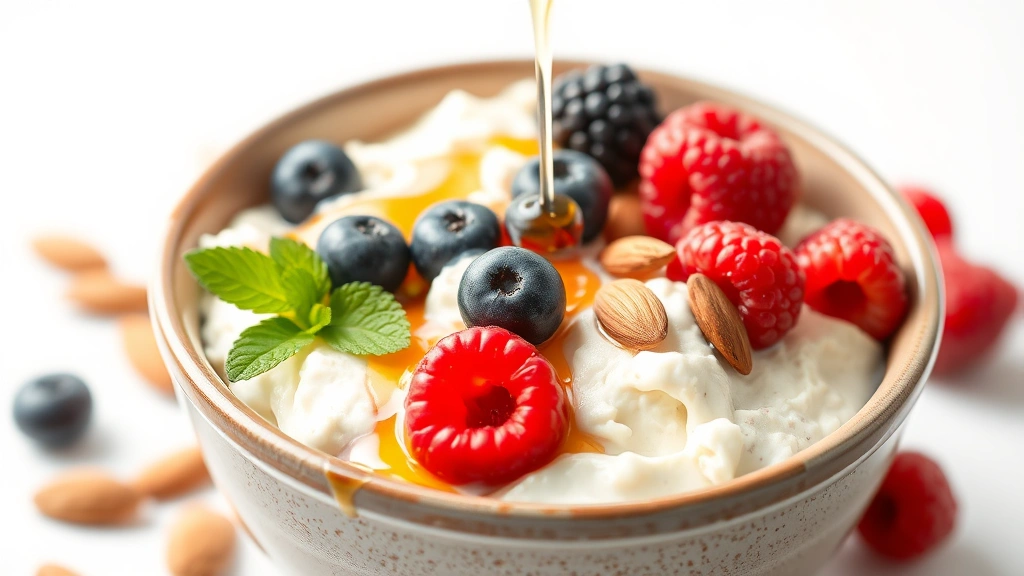
” alt=”Close-up of creamy cottage cheese texture with fresh berries and nuts, professional food photography” style=”max-width: 100%; height: auto; border-radius: 8px; box-shadow: 0 4px 6px rgba(0,0,0,0.1);”/>
Protein Content and Muscle Development
The protein density of cottage cheese makes it exceptionally valuable for individuals focused on muscle development and maintenance. With approximately 14 grams of protein per half-cup serving, cottage cheese delivers substantial amino acid content in a relatively small portion. This protein concentration exceeds that of Greek yogurt on a per-calorie basis, making it particularly efficient for those monitoring caloric intake while prioritizing protein consumption.
The amino acid profile of cottage cheese includes notably high levels of leucine, a branched-chain amino acid crucial for triggering muscle protein synthesis. Research published in sports nutrition journals demonstrates that leucine-rich proteins like cottage cheese effectively stimulate mTOR pathways, the cellular mechanisms responsible for muscle growth and adaptation to resistance training.
Casein, the primary protein in cottage cheese, digests more slowly than whey protein, creating a sustained amino acid release that benefits muscle recovery over extended periods. This characteristic makes cottage cheese particularly suitable for consumption before sleep, as the gradual amino acid availability supports overnight muscle protein synthesis during rest and recovery phases.
Athletes and fitness enthusiasts frequently incorporate cottage cheese into their nutrition strategies specifically for these muscle-building properties. The combination of high protein content, complete amino acid profile, and relatively low caloric density makes cottage cheese an efficient choice for body composition goals. When integrated into a comprehensive meal planning strategy, cottage cheese can substantially support athletic performance and recovery objectives.
Probiotics and Digestive Health
The probiotic content of Good Culture cottage cheese represents one of its most distinctive nutritional advantages. Probiotics are living microorganisms that, when consumed in adequate quantities, confer health benefits to the host organism. The specific strains included in Good Culture products have been selected for their demonstrated ability to survive gastrointestinal transit and establish themselves in the intestinal microbiome.
Digestive health increasingly appears central to overall wellness, with emerging research from gastroenterology research institutions revealing connections between gut microbiota composition and immune function, mental health, and metabolic regulation. The probiotics in Good Culture cottage cheese may contribute to beneficial shifts in microbiota composition, particularly among individuals with suboptimal baseline microbiome diversity.
The mechanism through which probiotics enhance digestive health involves multiple pathways. These beneficial bacteria produce short-chain fatty acids that nourish intestinal epithelial cells, strengthen the intestinal barrier, and reduce intestinal permeability. Additionally, probiotics compete with pathogenic organisms for nutrients and attachment sites, reducing the likelihood of harmful bacterial overgrowth.
Individuals experiencing occasional digestive discomfort, bloating, or irregularity may find that incorporating probiotic-containing cottage cheese supports improved digestive function. However, it’s important to note that probiotic efficacy varies considerably between individuals, and the specific strains matter significantly. Good Culture’s published research indicates their selected strains have demonstrated viability through the digestive system and the ability to establish in the intestinal tract.
The connection between digestive health and broader wellness extends to immune function and mental health. Approximately 70% of immune cells reside in gut-associated lymphoid tissue, making the microbiota composition fundamentally important for immune resilience. Furthermore, research exploring nutrition’s impact on mental health increasingly highlights the gut-brain axis and the role of healthy microbiota in psychological well-being.
Micronutrients and Mineral Density
Beyond macronutrients and probiotics, cottage cheese delivers substantial micronutrient content that contributes to comprehensive nutritional adequacy. Calcium represents one of the most significant mineral contributions, with a single serving providing approximately 100-150 mg of this essential nutrient. For individuals seeking to meet daily calcium requirements of 1,000-1,200 mg, cottage cheese represents an efficient dietary source.
Phosphorus content in cottage cheese is equally noteworthy, as this mineral works synergistically with calcium to support bone mineralization and strength. The calcium-to-phosphorus ratio in dairy products is particularly favorable for calcium absorption and utilization, making cottage cheese a superior calcium source compared to many plant-based alternatives.
Selenium, a trace mineral with powerful antioxidant properties, appears in meaningful quantities in cottage cheese. This micronutrient functions as a cofactor for glutathione peroxidase and other selenoproteins that protect cells from oxidative damage. Daily selenium intake of 55 micrograms supports optimal antioxidant defense, and cottage cheese contributes meaningfully to this requirement.
B vitamins, particularly riboflavin (B2) and cobalamin (B12), are present in substantial amounts in cottage cheese. Riboflavin participates in energy metabolism and cellular respiration, while cobalamin is essential for neurological function and red blood cell formation. For individuals following plant-based dietary approaches, cottage cheese’s B12 content addresses a significant nutritional gap present in many vegetarian diets.
Vitamin A and vitamin D content varies depending on the fat content and fortification practices of specific brands. Full-fat cottage cheese contains naturally occurring vitamin A from milk fat, while many commercial products are fortified with vitamin D to enhance calcium absorption and support immune function. These fat-soluble vitamins are particularly important for individuals with limited sun exposure or those living in northern latitudes with reduced winter sunlight availability.
Potential Drawbacks and Considerations
While cottage cheese offers substantial nutritional benefits, several considerations warrant discussion for individuals evaluating its suitability for their dietary approach. Sodium content represents the most significant concern for many consumers, with standard cottage cheese varieties containing 350-450 mg of sodium per half-cup serving. For individuals following sodium-restricted diets due to hypertension or other health conditions, this sodium concentration may be problematic.
Some individuals experience difficulty tolerating dairy products due to lactose sensitivity, though cottage cheese’s lower lactose content compared to milk makes it more tolerable for many. The fermentation process in Good Culture products may further reduce lactose levels, potentially improving digestibility for sensitive individuals. However, those with true dairy allergies must avoid cottage cheese entirely, as it contains milk proteins that trigger immune responses.
The texture and taste profile of cottage cheese presents a subjective consideration. Many individuals find the lumpy texture unappetizing, which may limit cottage cheese’s appeal despite its nutritional merits. Personal food preferences significantly influence long-term dietary adherence, and no food—regardless of nutritional density—benefits health if it’s not consumed consistently.
Cost represents a practical consideration, particularly for premium brands like Good Culture. Organic certification and probiotic cultures increase production costs, resulting in higher retail prices compared to conventional cottage cheese. Individuals on limited food budgets may find standard cottage cheese varieties offer similar macronutrient benefits at substantially lower cost, though without the probiotic advantages.
The presence of additives in many commercial cottage cheese products warrants scrutiny. Some brands include modified corn starch, gums, and other stabilizers that extend shelf life and improve texture but add minimal nutritional value. Good Culture’s minimalist ingredient approach addresses this concern, but other brands may not prioritize ingredient simplicity.

” alt=”Dairy farm with Holstein cows grazing in green pasture under blue sky” style=”max-width: 100%; height: auto; border-radius: 8px; box-shadow: 0 4px 6px rgba(0,0,0,0.1);”/>
Comparison with Other Dairy Options
Understanding how cottage cheese compares to other dairy products helps contextualize its nutritional value within broader dietary choices. Greek yogurt, frequently positioned as a health food, contains similar protein levels to cottage cheese but often includes added sugars and flavorings that increase caloric content and reduce nutritional simplicity. Plain Greek yogurt offers comparable benefits, though its smooth texture appeals to more consumers than cottage cheese’s lumpy consistency.
Ricotta cheese provides an interesting comparison, offering slightly higher fat content but comparable protein levels. Ricotta’s creamy texture makes it more versatile for culinary applications, though its higher caloric density makes it less suitable for calorie-conscious dietary approaches. Cottage cheese maintains advantages in protein-to-calorie ratio relative to ricotta.
Traditional milk contains substantially lower protein concentration than cottage cheese, requiring larger serving sizes to achieve equivalent amino acid intake. Additionally, milk’s higher lactose content makes it less suitable for lactose-sensitive individuals. Cottage cheese represents a more concentrated protein source while maintaining superior digestibility for many consumers.
Kefir, a fermented milk beverage, offers probiotic benefits comparable to Good Culture cottage cheese while providing improved drinkability for those who dislike cottage cheese’s texture. However, kefir typically contains higher sugar content and lower protein concentration, making it less suitable for muscle-building or weight management goals.
Aged hard cheeses like cheddar or parmesan contain higher caloric density and fat content than cottage cheese, though they offer superior calcium concentration and longer shelf stability. For individuals prioritizing protein with minimal calories, cottage cheese outperforms aged cheeses significantly.
Integration into Your Dietary Strategy
Incorporating cottage cheese into your dietary approach requires consideration of your specific health goals and current nutritional intake. For individuals focused on muscle development and athletic performance, cottage cheese functions effectively as a post-workout recovery food or pre-sleep snack. The sustained amino acid release from casein protein supports overnight muscle protein synthesis, making evening consumption particularly strategic.
Those pursuing weight management benefit from cottage cheese’s high satiety value relative to caloric content. The protein concentration triggers increased thermic effect of food, meaning your body expends additional calories digesting and processing cottage cheese compared to other macronutrients. This enhanced satiety can support reduced overall caloric intake without deliberate restriction.
Individuals seeking to optimize digestive health through dietary means should consider Good Culture’s probiotic formulation as part of a comprehensive approach that also emphasizes dietary fiber for gut health. The combination of probiotics from cottage cheese and prebiotic fiber from whole grains and vegetables creates an optimal environment for beneficial microbiota development.
Culinary versatility expands cottage cheese’s dietary applications beyond simple consumption. Incorporating cottage cheese into smoothies, using it as a base for dips, combining it with fresh fruit and nuts, or substituting it for ricotta in lasagna recipes increases consumption frequency and enjoyment. The key to dietary success involves selecting foods you’ll consume consistently, and creative preparation methods enhance appeal.
For individuals following specific dietary frameworks—whether ketogenic, low-carb, Mediterranean, or others—cottage cheese integrates effectively. Its macronutrient profile suits virtually any nutritional approach, with the primary consideration being sodium content for those monitoring sodium intake.
Timing considerations matter for those optimizing nutrient timing around exercise. Consuming cottage cheese 30-60 minutes post-workout provides readily available amino acids for muscle repair, while pre-sleep consumption (2-3 hours before bed) maximizes overnight muscle protein synthesis. Outside of these strategic windows, cottage cheese consumption throughout the day contributes steadily to daily protein requirements.
FAQ
Is cottage cheese better than Greek yogurt for protein?
Cottage cheese and Greek yogurt contain comparable protein concentrations per serving. Cottage cheese offers slightly superior protein-to-calorie ratio in unsweetened varieties, while many Greek yogurt products contain added sugars that increase calories without nutritional benefit. The choice depends on personal preference and specific product selection rather than inherent superiority of one over the other.
How much cottage cheese should I consume daily?
Daily cottage cheese consumption depends on overall dietary goals and total protein requirements. Consuming one to two servings daily (half to one cup) provides 14-28 grams of protein while maintaining variety in your dairy sources. Individuals pursuing muscle development may consume additional servings, while those monitoring sodium intake should limit consumption accordingly.
Does Good Culture cottage cheese contain live cultures when purchased?
Good Culture cottage cheese contains live and active cultures at the time of purchase and throughout its shelf life, provided proper refrigeration is maintained. The live cultures survive the production process by design, distinguishing Good Culture from standard pasteurized cottage cheese varieties. Shelf life and temperature stability ensure probiotic viability until consumption.
Can cottage cheese support weight loss?
Cottage cheese can support weight loss objectives through multiple mechanisms: high protein content increases satiety and thermic effect of food, low carbohydrate content suits various dietary approaches, and relatively low caloric density permits satisfying portions. However, weight loss ultimately depends on overall caloric balance, and cottage cheese functions as a tool within comprehensive dietary strategies rather than a standalone solution.
Is cottage cheese suitable for lactose-intolerant individuals?
Many lactose-intolerant individuals tolerate cottage cheese better than milk due to lower lactose concentration. Good Culture’s fermentation process may further reduce lactose content through bacterial fermentation. However, individuals with true dairy allergies must avoid cottage cheese entirely. Those with lactose sensitivity should test tolerance gradually and monitor individual responses.
What’s the difference between full-fat and low-fat cottage cheese?
Full-fat cottage cheese contains approximately 5 grams of fat per serving and provides superior absorption of fat-soluble vitamins like vitamins A, D, E, and K. Low-fat varieties reduce fat content but maintain comparable protein levels. Research suggests full-fat dairy products may provide greater satiety and nutritional completeness, though personal preferences and dietary goals should guide selection.
Can I consume cottage cheese if I have high blood pressure?
Sodium content in standard cottage cheese (350-450 mg per serving) may be problematic for individuals following strict sodium restrictions. Those managing hypertension should consult healthcare providers regarding appropriate sodium intake and select low-sodium cottage cheese varieties when available. Some brands offer reduced-sodium options better suited for blood pressure management.