Ground Turkey Nutrition Facts: Expert Breakdown
Ground turkey has become a staple protein choice for health-conscious consumers and fitness enthusiasts alike. Unlike its beef counterpart, ground turkey offers a leaner alternative that fits seamlessly into healthy nutrition plans, making it an excellent foundation for balanced meals. Whether you’re meal prepping for the week or simply looking to diversify your protein sources, understanding the nutritional profile of ground turkey is essential for making informed dietary choices.
The nutritional value of ground turkey varies based on fat content, preparation method, and cut selection. This comprehensive guide breaks down everything you need to know about ground turkey nutrition facts, from macronutrient composition to micronutrient benefits. We’ll explore how it compares to other proteins, examine cooking methods that preserve nutrients, and provide practical insights for incorporating this versatile meat into your daily diet.
Complete Nutritional Profile of Ground Turkey
Ground turkey’s nutritional composition depends significantly on the meat-to-fat ratio. A standard serving of 93% lean ground turkey (3.5 ounces or 100 grams) contains approximately 170 calories, with variations based on processing and fat content. Understanding these baseline numbers helps you make accurate nutritional calculations for meal planning and tracking.
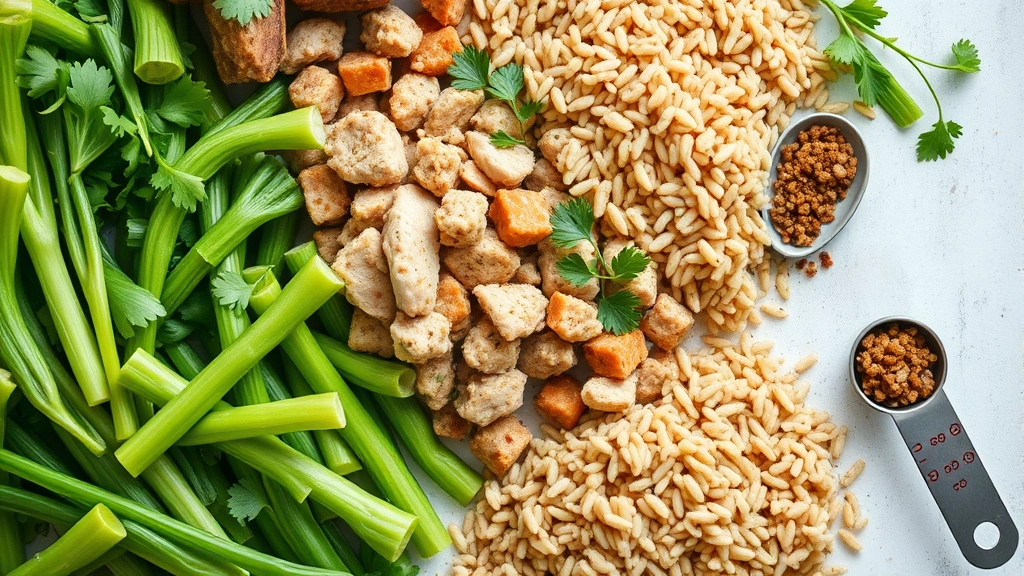
The USDA provides standardized nutritional data that serves as the foundation for most ground turkey analysis. According to USDA nutritional databases, ground turkey offers consistent macronutrient ratios that make it predictable for dietary tracking. The meat contains no carbohydrates in its pure form, making it particularly valuable for low-carb and ketogenic diets. Additionally, ground turkey contains virtually no fiber, which is why combining it with vegetables and whole grains creates nutritionally balanced meals.
Fat content represents the most variable aspect of ground turkey nutrition. Products labeled as 99% lean contain minimal fat, while 85% lean versions include more marbling, which affects both flavor and nutritional composition. The fat content directly influences calorie density, protein-to-calorie ratios, and the types of fats present in the meat.
Macronutrient Breakdown and Caloric Content
Protein Content: Ground turkey is renowned for its protein density, containing approximately 22-25 grams of protein per 100-gram serving. This high protein content makes it ideal for muscle building, recovery, and satiety. The amino acid profile is complete, providing all nine essential amino acids necessary for human health. When incorporated into nutrient-focused meal plans, ground turkey serves as a reliable protein backbone.
The protein quality in ground turkey is considered excellent, with a PDCAAS (Protein Digestibility Corrected Amino Acid Score) rating of 1.0. This means the body absorbs and utilizes nearly all the protein provided by ground turkey, making it exceptionally efficient for protein synthesis and muscle maintenance.
Fat Profile: The fat composition of ground turkey varies by cut and processing method. Lean varieties contain predominantly unsaturated fats, with minimal saturated fat content. A 93% lean serving typically contains 7-9 grams of total fat, with approximately 2 grams from saturated sources. The presence of monounsaturated and polyunsaturated fats contributes to cardiovascular health benefits.
Ground turkey contains omega-3 and omega-6 polyunsaturated fats in moderate quantities. While not as rich in omega-3s as fatty fish, the fat profile remains favorable compared to conventional beef. The selenium content in ground turkey enhances fat metabolism and antioxidant function, creating a synergistic nutritional effect.
Carbohydrate Content: Ground turkey contains zero carbohydrates when unprocessed and unseasoned. This characteristic makes it compatible with virtually any dietary approach, from ketogenic to paleo to standard balanced diets. Some ground turkey products may contain added fillers or binders that introduce minimal carbohydrates, typically less than one gram per serving.
Essential Vitamins and Minerals in Ground Turkey
Beyond macronutrients, ground turkey provides an impressive array of micronutrients essential for optimal health. The B-vitamin complex represents one of ground turkey’s most significant nutritional advantages, supporting energy metabolism and neurological function.
B Vitamins: Ground turkey contains substantial quantities of niacin (vitamin B3), providing approximately 8-10 mg per 100 grams. This B vitamin supports DNA repair, energy production, and cardiovascular health. Vitamin B6 content reaches approximately 0.7 mg per serving, crucial for amino acid metabolism and immune function. The meat also provides vitamin B12, essential for red blood cell formation and neurological health, though in moderate quantities compared to beef.
Minerals and Trace Elements: Selenium content in ground turkey is particularly notable, with approximately 32 micrograms per 100-gram serving. This trace mineral functions as a powerful antioxidant and supports thyroid hormone metabolism. Phosphorus content reaches approximately 200 mg per serving, vital for bone health and energy production.
Zinc availability in ground turkey promotes immune function and protein synthesis. A typical serving provides approximately 2-3 mg of zinc, meeting roughly 20-30% of daily requirements. Iron content, while present, is less bioavailable than in red meat, but still contributes meaningfully to daily iron intake, particularly when consumed with vitamin C-rich foods that enhance absorption.
Potassium levels in ground turkey support cardiovascular health and electrolyte balance, providing approximately 300 mg per 100-gram serving. This mineral content makes ground turkey particularly valuable for individuals managing blood pressure through dietary modifications.

Ground Turkey vs. Other Protein Sources
Comparing ground turkey to alternative protein sources reveals its unique nutritional positioning. Ground beef, the most common comparison point, contains significantly more saturated fat and calories. A 93% lean ground beef serving provides approximately 180 calories with 10 grams of fat, compared to ground turkey’s leaner profile. However, beef contains higher iron bioavailability and slightly more zinc, making both meats valuable for specific nutritional goals.
Chicken breast, another lean protein option, contains marginally fewer calories than ground turkey but similar protein content. The choice between ground turkey and chicken breast often comes down to culinary application and personal preference rather than substantial nutritional differences. Ground turkey offers superior moisture retention during cooking compared to chicken breast, making it more forgiving for home cooks.
Plant-based protein sources like legumes and tofu provide fiber that ground turkey lacks, but contain incomplete amino acid profiles. Combining ground turkey with plant proteins, as discussed in our guide to eating well, creates nutritionally comprehensive meals. Fish provides superior omega-3 fatty acids compared to ground turkey but typically costs more and requires different preparation approaches.
Research from The Academy of Nutrition and Dietetics indicates that ground turkey ranks among the most nutrient-dense protein sources available, particularly when considering cost-effectiveness and versatility. The leanness that makes ground turkey nutritionally advantageous also contributes to its growing popularity among health-conscious consumers.
Best Cooking Methods for Nutrient Retention
Cooking method significantly impacts the final nutritional value of ground turkey. Grilling and broiling represent optimal cooking approaches, as these methods allow excess fat to drain away while minimizing nutrient loss. High-heat cooking methods preserve B vitamins and minerals while reducing overall fat content without requiring added oils.
Optimal Cooking Techniques: Grilling ground turkey patties or crumbled portions at medium-high heat (375-400°F) achieves proper browning while maintaining nutritional integrity. The Maillard reaction, which creates desirable flavors and textures, doesn’t significantly compromise micronutrient content. Ground turkey reaches food safety standards at 165°F internal temperature, a threshold that balances safety with nutrient preservation.
Baking ground turkey in oven-safe dishes at 375°F offers convenience while maintaining nutritional quality. This method proves particularly useful for batch cooking and meal preparation. Unlike pan-frying in oil, baking allows fat to drain into the cooking vessel, reducing caloric intake without compromising protein quality.
Slow cooking ground turkey in soups and stews preserves most nutrients while creating flavorful, convenient meals. The extended cooking time doesn’t significantly degrade B vitamins or minerals, though some water-soluble vitamins may leach into cooking liquids. Consuming these broths captures most lost nutrients, particularly important for mineral content.
Avoid deep-frying or excessive oil-based cooking methods, which add unnecessary calories and saturated fat while potentially degrading heat-sensitive nutrients. Boiling ground turkey without additional ingredients should be avoided, as this method causes significant nutrient loss into cooking water without the benefit of consuming that liquid.
Health Benefits and Dietary Considerations
Ground turkey offers substantial health benefits when incorporated thoughtfully into balanced diets. The high protein content promotes satiety, reducing overall caloric intake and supporting weight management goals. Research from Pew Research Center’s dietary studies demonstrates that lean protein sources like ground turkey contribute to sustained fullness better than refined carbohydrates.
Cardiovascular Health: The lean fat profile of ground turkey supports heart health by limiting saturated fat intake while providing beneficial unsaturated fats. Selenium content provides antioxidant protection against oxidative stress and inflammation, both risk factors for cardiovascular disease. When combined with dietary fiber from whole grains and vegetables, ground turkey creates meals that actively support cardiovascular wellness.
Muscle Development and Athletic Performance: The complete amino acid profile makes ground turkey ideal for individuals engaged in resistance training or athletic activities. The protein supports muscle protein synthesis, enabling efficient recovery and adaptation to training stimuli. Athletes appreciate ground turkey’s versatility, using it in everything from post-workout meals to pre-competition carb-loading dishes.
Weight Management: The combination of high protein content, low carbohydrate load, and moderate calories makes ground turkey exceptionally valuable for weight loss efforts. Protein’s thermic effect requires more energy for digestion, slightly increasing metabolic expenditure. Studies indicate that high-protein diets incorporating lean meats like ground turkey demonstrate superior weight loss outcomes compared to higher-carbohydrate alternatives.
Metabolic Health: Ground turkey consumption supports metabolic health through B-vitamin provision, which directly participates in energy metabolism. The mineral content, particularly zinc and selenium, supports thyroid function and metabolic regulation. Understanding nutrient absorption optimization maximizes these metabolic benefits.
Dietary Considerations: Individuals with gout should moderate ground turkey consumption, as purines present in all meat can trigger symptoms. Those managing sodium intake should choose unseasoned ground turkey and control added salt during preparation. People with certain food sensitivities may need to verify that their ground turkey contains no fillers or additives.
Selecting and Storing Ground Turkey
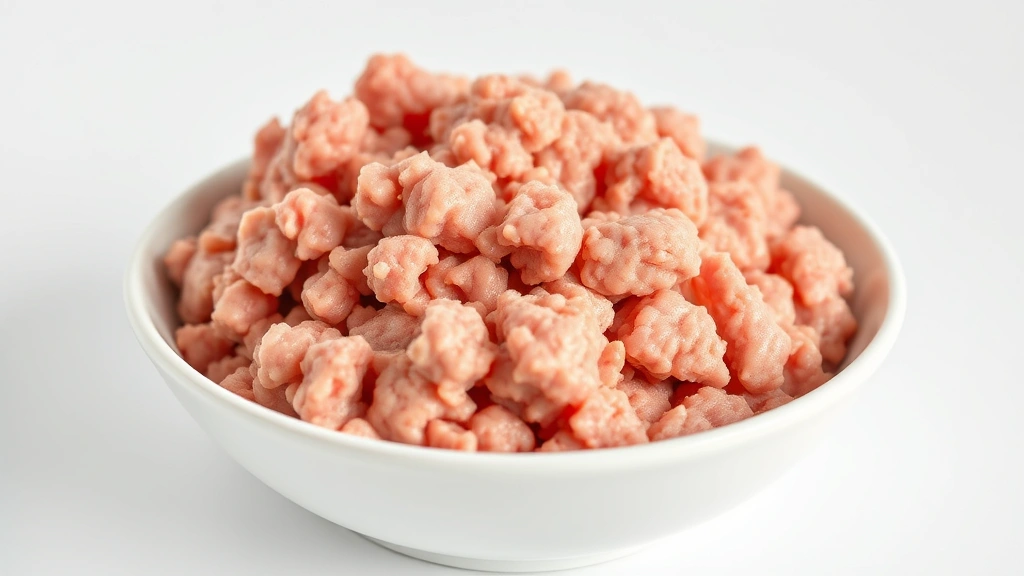
Purchasing Guidelines: Select ground turkey from reputable sources with clear labeling indicating fat content. The percentage (85%, 93%, 99% lean) directly correlates with nutritional composition and cooking characteristics. Fresher ground turkey displays bright pink coloring without gray discoloration, indicating proper handling and storage.
Check packaging dates and expiration information carefully. Ground turkey has shorter shelf life than whole cuts due to increased surface area exposure. Purchase only quantities you’ll use within 1-2 days of purchase, or immediately freeze for longer storage. Organic and grass-fed ground turkey options provide premium nutritional profiles, though at higher price points.
Storage Recommendations: Refrigerate ground turkey at 40°F or below immediately after purchase. Keep it in the coldest section of your refrigerator, away from other foods to prevent cross-contamination. Ground turkey remains safe for 1-2 days under proper refrigeration. For longer storage, freeze at 0°F or below, where ground turkey maintains quality for 3-4 months.
Thaw frozen ground turkey in the refrigerator overnight rather than at room temperature, minimizing bacterial growth risk. Never refreeze thawed ground turkey unless it’s been cooked. Once cooked, ground turkey stores safely in the refrigerator for 3-4 days, making it ideal for meal preparation strategies.
Quality Indicators: High-quality ground turkey should have minimal visible fat separation and consistent texture throughout. Avoid packages with excessive liquid accumulation, indicating poor handling or extended storage. When possible, purchase ground turkey from butcher counters where you can discuss sourcing and fat content specifications with knowledgeable staff.
FAQ
How many calories are in ground turkey?
A 100-gram (3.5-ounce) serving of 93% lean ground turkey contains approximately 170 calories. The exact caloric content varies based on fat percentage: 99% lean contains roughly 160 calories, while 85% lean reaches approximately 200 calories per serving. Cooking method can slightly affect final caloric content due to fat loss during preparation.
Is ground turkey healthier than ground beef?
Ground turkey is generally leaner than ground beef, containing fewer calories and less saturated fat. However, ground beef provides superior iron bioavailability and slightly more zinc. The “healthier” choice depends on individual nutritional goals. For weight management and heart health, ground turkey typically offers advantages. For iron and mineral intake, grass-fed ground beef may prove superior. Both represent valuable protein sources in balanced diets.
Does ground turkey contain sodium?
Unseasoned, fresh ground turkey contains minimal sodium, typically less than 75 mg per 100-gram serving. However, pre-seasoned and processed ground turkey products may contain 300-500 mg sodium per serving. Always check nutrition labels for sodium content, particularly important for individuals managing blood pressure or following sodium-restricted diets. Purchasing unseasoned ground turkey and controlling seasoning during preparation offers maximum sodium control.
Can ground turkey be part of a keto diet?
Yes, ground turkey is excellent for ketogenic diets. With zero carbohydrates, high protein content, and moderate fat, ground turkey fits perfectly within keto macronutrient targets. The fat content supports ketone production while providing satiety. Choosing higher-fat ground turkey (85% lean) provides additional calories and fat to meet keto requirements without consuming excessive protein, which could interfere with ketosis.
How does ground turkey compare nutritionally to chicken?
Ground turkey and chicken breast contain similar protein content (approximately 22-25 grams per 100 grams) and comparable caloric density. The primary differences lie in fat composition and moisture retention. Ground turkey maintains moisture better during cooking, producing juicier results. Chicken breast contains slightly less fat but also less flavor without added oils. Both represent excellent lean protein choices; selection often depends on culinary preference and intended preparation method.
What nutrients does ground turkey provide?
Ground turkey provides complete protein with all essential amino acids, B vitamins (particularly niacin and B6), selenium, zinc, phosphorus, and potassium. It contains minimal carbohydrates and provides no dietary fiber. The nutrient density makes ground turkey particularly valuable for athletes, individuals managing weight, and those following various dietary approaches. Combining ground turkey with vegetables, whole grains, and healthy fats creates nutritionally comprehensive meals.
Is ground turkey safe for people with allergies?
Pure ground turkey is naturally free from common allergens (gluten, dairy, nuts, soy). However, pre-seasoned or processed ground turkey products may contain allergens or cross-contamination. Always read labels carefully, particularly for products containing additives or fillers. Individuals with poultry allergies should obviously avoid ground turkey. Those with other allergies should verify ingredient lists and processing information with manufacturers.