Hamburger Buns: Are They Healthy? Dietitian Insight
Hamburger buns are a staple in American cuisine, but their nutritional profile often raises questions among health-conscious consumers. As a registered dietitian, I frequently encounter clients asking whether these soft, fluffy vessels for their favorite patties contribute positively to their diet or represent empty calories worth avoiding. The answer, like most nutrition questions, is nuanced and depends on several factors including ingredient quality, portion control, and how the bun fits into your overall dietary pattern.
The typical hamburger bun has undergone significant transformation since its introduction in the early 20th century. Modern commercial buns often contain refined wheat flour, added sugars, preservatives, and various emulsifiers designed to extend shelf life and improve texture. However, artisanal and whole grain alternatives have emerged in recent years, offering different nutritional profiles that may better align with health-conscious eating patterns. Understanding the hamburger bun nutritional value requires examining macronutrients, micronutrients, and ingredient transparency.
Nutritional Breakdown of Standard Hamburger Buns
A typical white hamburger bun contains approximately 140-160 calories, with most coming from carbohydrates. The standard bun provides roughly 28-32 grams of carbohydrates, 1-2 grams of protein, and minimal fat content—usually between 2-3 grams. While these numbers might seem reasonable for a single food item, the quality of those carbohydrates matters significantly for overall health outcomes.
Most commercial hamburger buns are made from refined wheat flour, meaning the grain’s outer bran layer and nutrient-dense germ have been removed during processing. This refinement process strips away approximately 25% of the grain’s weight and eliminates substantial portions of B vitamins, minerals, and dietary fiber. The enrichment process that follows attempts to restore some B vitamins, but it cannot replicate the complete nutritional profile of whole grains. One study published through Pew Research Center’s nutrition database found that refined grain products contribute significantly to overall added sugar consumption in the American diet.
The sodium content in hamburger buns ranges from 200-400 milligrams per bun, representing 9-17% of the daily recommended intake. For individuals managing hypertension or following sodium-restricted diets, this becomes a relevant consideration, especially when combined with other processed foods in a complete meal. Additionally, many commercial buns contain added sugars ranging from 2-4 grams per bun, which consumers often overlook when assessing their total daily sugar intake.
Comparing Bun Types and Their Health Implications
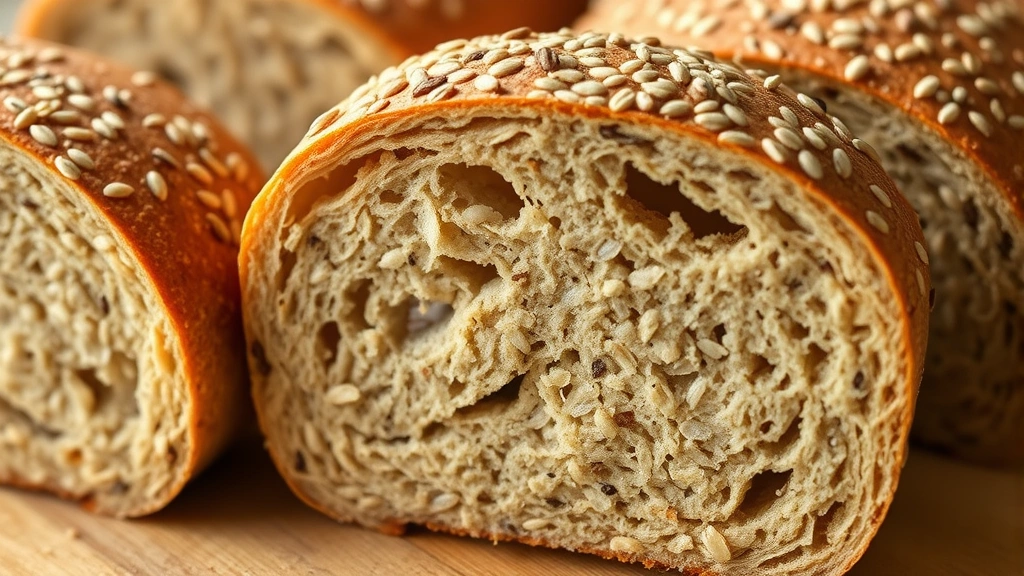
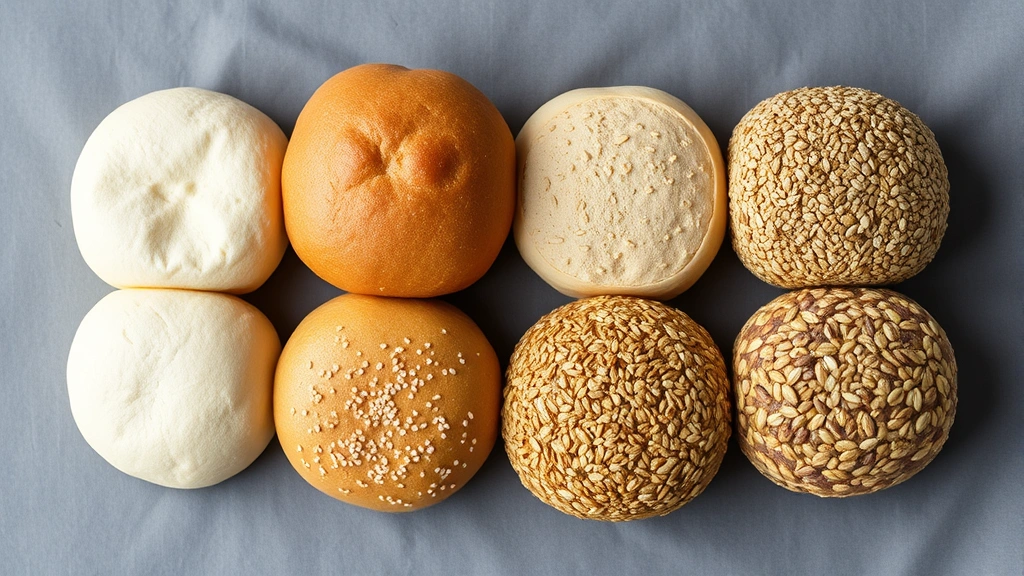
Not all hamburger buns are created equal, and understanding the differences between varieties helps consumers make informed choices aligned with their healthy nutrition plan. Whole wheat hamburger buns offer significantly improved nutritional profiles compared to their white flour counterparts. A whole wheat bun typically contains 3-4 grams of dietary fiber, compared to less than 1 gram in refined white buns—a difference that impacts blood sugar regulation, satiety, and digestive health.
Sprouted grain buns represent another option gaining traction among nutrition-focused consumers. The sprouting process increases bioavailability of minerals and reduces antinutrient compounds like phytic acid, which can inhibit mineral absorption. Research indicates that sprouted grains contain higher levels of certain amino acids and improved vitamin profiles compared to non-sprouted varieties. Multigrain buns, while sounding nutritious, often contain a blend of refined and whole grains, requiring careful label reading to assess their actual whole grain content.
Sourdough hamburger buns merit special attention due to their fermentation process. The natural fermentation extends shelf life without chemical preservatives and partially breaks down gluten proteins, potentially improving digestibility for some individuals. The fermentation also reduces the glycemic impact of the bread, meaning it causes a slower, more gradual rise in blood glucose compared to standard white buns. This characteristic makes sourdough an interesting option for individuals concerned about blood sugar management or diabetes prevention.
Gluten-free buns have become increasingly available, addressing the needs of individuals with celiac disease or non-celiac gluten sensitivity. However, many commercial gluten-free buns contain higher amounts of added starches, gums, and sugars to compensate for the structural properties gluten provides. Nutritionally, they often don’t represent a healthier choice than whole wheat alternatives for those without gluten-related concerns, though individual formulations vary considerably.
Sugar Content and Metabolic Impact
The added sugar in hamburger buns deserves particular scrutiny in the context of modern dietary challenges. While 2-4 grams per bun might seem minor, consider that many Americans consume hamburgers multiple times weekly. Over a year, this accumulates to substantial sugar intake from a single food component. Added sugars contribute to increased calorie consumption without providing satiety equivalent to whole foods, making them metabolically problematic for weight management.
Research from the American Heart Association indicates that added sugars should represent no more than 6% of total daily calories—roughly 25 grams for women and 36 grams for men. A hamburger meal with a standard bun, sweetened condiments, and a sugary beverage can easily deliver 40-50 grams of added sugar, exceeding daily recommendations in a single meal. The metabolic consequences include increased insulin demand, potential insulin resistance development with chronic overconsumption, and elevated triglyceride levels.
The glycemic index of hamburger buns varies by type. Standard white buns rank high on the glycemic index, meaning they cause rapid blood glucose elevation. Whole grain and sprouted grain buns rank lower, producing more modest blood sugar responses. For individuals with diabetes or prediabetes, this distinction carries significant clinical implications. Pairing any bun with protein-rich fillings and healthy fats can moderate the glycemic response, a strategy discussed in detail in our tips for meal planning guide.
Fiber Considerations and Digestive Health
Dietary fiber represents one of the most significant nutritional deficiencies in modern Western diets, with most Americans consuming only 15 grams daily compared to the recommended 25-35 grams. Hamburger buns, particularly refined varieties, contribute negligibly to fiber intake. This matters because the importance of dietary fiber for your health extends far beyond digestive regularity.
Adequate fiber intake supports cardiovascular health by helping regulate cholesterol levels, promotes beneficial gut microbiota growth, enhances insulin sensitivity, and contributes to sustained satiety. Whole grain buns containing 3-4 grams of fiber per serving represent a meaningful contribution toward daily fiber goals. The type of fiber matters as well—whole grain buns provide both soluble and insoluble fiber, each offering distinct health benefits. Soluble fiber helps regulate blood cholesterol and glucose, while insoluble fiber promotes digestive health and regularity.
The prebiotic compounds in whole grain and sprouted grain buns feed beneficial bacteria in the gut microbiome, supporting the increasingly recognized connection between gut health and overall wellness. This includes implications for nutrition and mental health, as emerging research demonstrates the gut-brain axis influences mood and cognitive function. Choosing higher-fiber bun options supports these systemic health benefits.
Making Healthier Bun Choices
For consumers committed to optimizing their dietary choices, several strategies improve the nutritional value of hamburger bun consumption. First, prioritize whole grain buns as your baseline choice. Look for products where whole wheat flour appears as the first ingredient, with at least 3 grams of fiber per serving. The Nutrients Pathway Blog regularly reviews processed food options, providing detailed ingredient analysis for common choices.
Reading ingredient labels reveals whether added sugars appear early in the formulation. Ingredients are listed by weight, so if sugar, honey, or other sweeteners appear in the first five ingredients, the product contains substantial added sugars relative to other components. Avoid products listing multiple sweetening agents, which manufacturers use to distribute sugar throughout the ingredient list, creating the appearance of lower sugar content than actually exists.
Sodium content deserves attention, particularly for individuals with hypertension or salt sensitivity. Compare brands to identify lower-sodium options; many whole grain and artisanal buns contain 150-250 milligrams sodium compared to the standard 250-400 milligrams in commercial varieties. For those with cardiovascular concerns, this reduction accumulates meaningfully across multiple meals weekly.
Consider purchasing from local bakeries that produce buns fresh daily without preservatives or unnecessary additives. Many bakeries offer whole grain, sprouted grain, and sourdough options that rival or exceed commercially available alternatives nutritionally. Fresh buns also contain no chemical preservatives, making them preferable from a clean eating perspective, though they require consumption within 1-2 days of purchase.
For individuals following specific dietary patterns, alternative options exist. Those following low-carbohydrate diets might substitute lettuce wraps, portobello mushroom caps, or specialized low-carb buns made from almond or coconut flour. These alternatives dramatically reduce carbohydrate and calorie content while increasing certain micronutrients, though they require adjustment to flavor and texture preferences.
Incorporating Buns Into a Balanced Diet
Rather than viewing hamburger buns as inherently unhealthy foods requiring elimination, a more nuanced approach recognizes them as carbohydrate sources that can fit appropriately within balanced dietary patterns. The key involves portion awareness and quality selection combined with strategic meal composition.
Pairing a hamburger bun with nutrient-dense fillings substantially improves the overall meal’s nutritional profile. A lean ground beef patty provides high-quality protein and iron, while vegetable toppings like lettuce, tomato, and onion add fiber, vitamins, and phytonutrients. Adding avocado (learn more about nutrition facts about avocados) introduces healthy monounsaturated fats that slow carbohydrate absorption and enhance nutrient absorption. This strategic combination transforms a potentially problematic food into a complete, nutritionally balanced meal.
Frequency and portion control matter significantly. Consuming hamburgers with quality buns twice monthly represents a different dietary impact than consuming them twice weekly. Similarly, consuming a complete hamburger with all components differs from consuming two hamburgers at a single meal. Mindful eating practices that emphasize satiety cues help prevent overconsumption regardless of bun quality.
Context within overall dietary patterns determines whether hamburger bun consumption supports or undermines health goals. An individual consuming predominantly whole foods with occasional hamburger meals incorporates buns without concern, while someone consuming processed foods at most meals faces compounding nutritional challenges. Dietary quality exists on a spectrum, and incremental improvements—like switching from white to whole grain buns—accumulate into meaningful health impacts over time.

FAQ
Are hamburger buns considered processed foods?
Most commercial hamburger buns qualify as ultra-processed foods, containing refined flour, added sugars, emulsifiers, dough conditioners, and preservatives. However, fresh buns from local bakeries using minimal ingredients represent minimally processed alternatives. The distinction matters for overall dietary quality assessment.
Can I eat hamburger buns on a diet?
Hamburger buns can fit within weight loss diets when chosen thoughtfully and portion-controlled. Whole grain varieties provide satiety-promoting fiber, while the carbohydrates provide energy for physical activity. The critical factor involves total calorie balance and meal composition rather than bun elimination.
Which hamburger bun has the lowest calories?
Thin-sliced whole grain buns typically contain 100-120 calories compared to standard buns at 140-160 calories. Low-carb specialty buns made from almond or coconut flour contain 80-100 calories but offer different nutritional profiles. Choose based on your specific dietary goals and preferences.
Do whole wheat hamburger buns taste different?
Whole wheat buns possess nuttier flavor profiles and denser textures compared to white buns. Many consumers develop preference for whole grain versions after several exposures. Sprouted grain buns offer milder flavors than standard whole wheat options, potentially easing the transition.
Are store-bought or homemade buns healthier?
Homemade buns allow complete control over ingredients, typically resulting in superior nutritional profiles. Store-bought whole grain buns from reputable brands offer convenient, nutritionally sound options without requiring baking expertise. Quality matters more than preparation method.
How often should I eat hamburger buns?
Occasional hamburger consumption—one to three times monthly—poses no nutritional concerns for most individuals. Weekly consumption warrants attention to bun quality and overall dietary patterns. Daily consumption requires careful ingredient selection and portion control to avoid excessive refined carbohydrates and added sugars.


