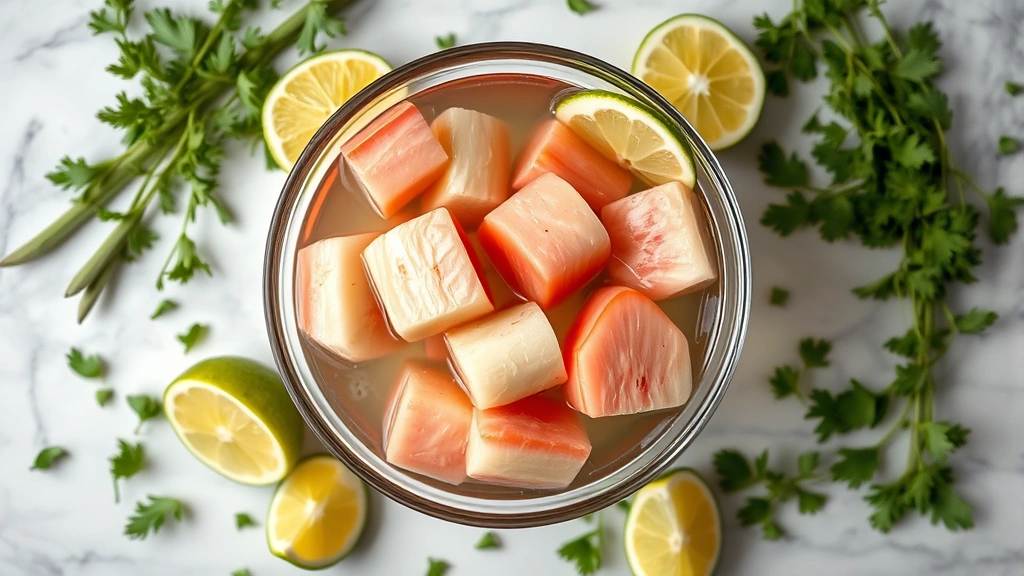
Heart of Palm Benefits? Dietitian Insights on Nutrition and Health
Heart of palm has emerged as a trendy vegetable in health-conscious kitchens, celebrated for its versatility and surprisingly impressive nutritional profile. This tender, ivory-colored vegetable comes from the inner core of certain palm trees and has been a staple in Latin American and Asian cuisines for centuries. Yet many Western consumers remain unfamiliar with its genuine health benefits, often confusing marketing hype with actual nutritional value. As a dietitian resource, we’ve compiled comprehensive insights into what heart of palm truly offers your diet.
Whether you’re exploring plant-based protein sources, seeking low-calorie vegetables, or simply curious about this exotic ingredient, understanding the science behind heart of palm nutrition helps you make informed dietary choices. This guide examines the evidence-based benefits, potential drawbacks, and practical ways to incorporate this vegetable into your meals.

What Is Heart of Palm?
Heart of palm, scientifically known as Bactris gasipaes or similar palm species, refers to the tender inner core harvested from the growing tip of palm trees. The texture resembles a cross between white asparagus and artichoke hearts, offering a mild, slightly nutty flavor that adapts well to various cuisines. Culinary professionals appreciate its neutral taste profile, which allows it to complement both delicate and bold flavor combinations.
The harvesting process involves cutting the palm tree’s central shoot before it develops into fronds, which means traditional harvesting methods are destructive to the tree. This reality has prompted significant sustainability discussions within the food industry. Most commercially available heart of palm comes canned or jarred in brine or water, making it convenient for home cooks and restaurant kitchens alike.
Understanding where this vegetable comes from helps contextualize its nutritional benefits within your broader healthy nutrition plan. Unlike trendy superfoods that fade from popularity, heart of palm has maintained consistent use across multiple cuisines, suggesting genuine culinary and nutritional merit.

Nutritional Composition and Macronutrients
One cup of canned heart of palm (approximately 120 grams) contains roughly 20-25 calories, making it exceptionally low in energy density. This characteristic makes it particularly valuable for individuals managing weight or following calorie-restricted diets. The macronutrient breakdown reveals why nutritionists frequently recommend this vegetable:
- Protein: 2-3 grams per cup, modest but meaningful for a vegetable
- Fat: Less than 0.5 grams, predominantly unsaturated
- Carbohydrates: 4-5 grams, with approximately 2 grams from dietary fiber
- Sodium: 400-600 mg (primarily from canning brine)
The protein content, while not comparable to legumes or nuts, exceeds that of most common vegetables. This makes heart of palm particularly interesting for plant-based eaters seeking diverse protein sources beyond beans and grains. When incorporated into meal planning strategies, heart of palm provides satisfying texture and modest protein without significant caloric burden.
The low glycemic index of heart of palm makes it suitable for blood sugar management and diabetes prevention. Research from nutrition databases indicates that heart of palm produces minimal insulin response, supporting stable energy levels throughout the day. This characteristic distinguishes it from starchy vegetables and refined carbohydrates.
Key Health Benefits Explained
Beyond basic nutritional content, heart of palm delivers several evidence-supported health benefits that justify its growing popularity among health-conscious consumers. Dietitians recognize these advantages as meaningful contributions to comprehensive wellness strategies.
Weight Management Support: The combination of low calories, minimal fat, and modest fiber content creates an ideal vegetable for weight loss efforts. The high water content (approximately 90%) provides volume and satiety without significant caloric contribution. Studies examining low-energy-density foods consistently demonstrate their effectiveness in supporting sustainable weight management.
Heart Health Promotion: Heart of palm contains negligible sodium when rinsed before consumption, and its minimal fat profile supports cardiovascular health. The vegetable lacks cholesterol entirely, making it appropriate for individuals following heart-healthy dietary patterns. Research from The American Heart Association emphasizes vegetables with these characteristics as foundational to cardiovascular disease prevention.
Antioxidant Properties: Although not as concentrated as some superfoods, heart of palm contains phenolic compounds that function as antioxidants. These substances help neutralize free radicals and reduce oxidative stress, potentially lowering chronic disease risk. The antioxidant capacity varies depending on harvest timing and storage methods.
Fiber Content and Digestive Health
The dietary fiber present in heart of palm warrants detailed examination, as this component significantly impacts digestive function and metabolic health. Each cup provides approximately 2 grams of dietary fiber, contributing meaningfully toward the recommended daily intake of 25-38 grams.
Dietary fiber serves multiple physiological functions beyond basic digestive health. The importance of dietary fiber for your health extends to blood sugar regulation, cholesterol management, and beneficial gut microbiota development. Heart of palm’s fiber composition includes both soluble and insoluble varieties, each contributing distinct advantages.
Soluble fiber within heart of palm forms a gel-like substance in the digestive tract, slowing gastric emptying and promoting satiety. This action helps regulate appetite hormones and supports stable blood glucose levels. Insoluble fiber promotes digestive motility, supporting regular bowel function and preventing constipation.
The prebiotic potential of heart of palm fiber deserves attention as well. Certain fiber components feed beneficial bacterial populations in the colon, promoting healthy microbiome composition. A diverse, well-nourished microbiome supports immune function, mental health, and metabolic efficiency. Research published in Nature Reviews Gastroenterology & Hepatology emphasizes the role of dietary fiber in cultivating healthy microbial communities.
Minerals and Micronutrients
Heart of palm delivers several essential minerals that support critical physiological processes. Understanding these micronutrient contributions helps contextualize the vegetable’s role within comprehensive nutritional strategies.
- Potassium: Approximately 200-250 mg per cup, supporting heart function and blood pressure regulation
- Manganese: 0.5-0.7 mg per cup, essential for bone development and metabolic processes
- Copper: 0.15-0.2 mg per cup, required for iron metabolism and connective tissue formation
- Phosphorus: 100-150 mg per cup, crucial for bone health and energy production
- Magnesium: 30-40 mg per cup, supporting muscle function and nervous system health
The potassium content merits particular attention, as this mineral plays fundamental roles in cardiovascular health, kidney function, and electrolyte balance. Many Western diets provide insufficient potassium relative to sodium, contributing to hypertension and cardiovascular complications. Heart of palm offers potassium without excessive sodium, making it valuable for blood pressure management.
Manganese, often overlooked in nutritional discussions, supports bone mineralization and metabolic enzyme function. Adequate manganese intake correlates with better bone density and reduced fracture risk, particularly important for aging populations. The copper content facilitates iron absorption, benefiting individuals at risk for iron deficiency anemia.
Comparing Heart of Palm to Other Vegetables
Contextualizing heart of palm within the broader vegetable category illuminates its distinctive nutritional profile. When compared to commonly consumed alternatives, heart of palm demonstrates unique advantages and limitations.
Versus Asparagus: Both vegetables offer low calorie counts and impressive nutrient density, but heart of palm provides slightly more protein and fiber. Asparagus contains more vitamins K and folate, while heart of palm excels in mineral content. The choice between them depends on specific nutritional goals and culinary applications.
Versus Broccoli: Broccoli surpasses heart of palm in vitamin C and calcium content, but heart of palm provides comparable fiber and superior mineral diversity. Broccoli offers greater bioavailable sulforaphane, a compound with demonstrated anti-cancer properties. Both vegetables deserve prominent roles in vegetable-forward diets.
Versus Avocado: While both offer healthy fats, nutrition facts about avocados reveal significantly higher caloric and fat content. Avocados provide superior potassium and heart-healthy monounsaturated fats, while heart of palm excels in fiber-to-calorie ratio. These vegetables complement rather than compete nutritionally.
Heart of palm’s exceptional low-calorie, high-fiber profile distinguishes it particularly well for weight management applications. Few vegetables match this combination of satiety support and minimal energy contribution.
Sustainability and Environmental Concerns
The environmental implications of heart of palm production warrant serious consideration from conscientious consumers. Traditional harvesting methods prove destructive to palm trees, raising legitimate sustainability questions that affect purchasing decisions.
Deforestation Concerns: Large-scale heart of palm harvesting has contributed to tropical forest conversion in Central and South America. The removal of mature palm trees eliminates habitat for indigenous species and reduces carbon sequestration capacity. Some regions have implemented sustainable cultivation practices, but verification remains challenging for consumers.
Sustainable Alternatives: Reputable producers now cultivate heart of palm on established plantations without clearing additional forest. Certifications from organizations like the Rainforest Alliance indicate adherence to environmental standards. Conscientious consumers should seek certified products when possible, supporting sustainable agricultural practices.
Regenerative Potential: Some heart of palm operations integrate into agroforestry systems that maintain forest structure while producing food. These approaches offer genuine sustainability advantages, though they represent a small portion of global production. As consumer demand for sustainably sourced products increases, market incentives will likely drive wider adoption of responsible practices.
How to Select and Prepare Heart of Palm
Practical preparation knowledge maximizes heart of palm’s culinary and nutritional value. Most consumers encounter this vegetable in canned form, though fresh varieties occasionally appear in specialty markets.
Selection Guidelines: Choose canned heart of palm packed in water or minimal brine rather than oil. Rinse thoroughly before consumption to reduce sodium content by approximately 50-70 percent. Examine packaging for damage and verify expiration dates, as with all canned products. Organic certifications offer assurance regarding pesticide residues, though heart of palm typically receives minimal chemical inputs.
Preparation Methods: Heart of palm’s tender texture requires minimal cooking. Cold preparations like salads showcase its delicate texture effectively. Brief sautéing with garlic and olive oil creates an elegant side dish without compromising nutritional integrity. Roasting at moderate temperatures concentrates flavors without nutrient degradation.
Culinary Integration: Incorporate heart of palm into grain bowls for added texture and protein. Blend into pasta dishes, soups, and stews during the final cooking minutes. Create ceviche-style preparations with citrus and herbs, leveraging the vegetable’s firm-yet-tender texture. The neutral flavor profile permits creative applications across diverse cuisines.
Storage of opened canned heart of palm requires refrigeration in airtight containers. Properly stored, it maintains quality for 3-5 days. Freezing is possible but affects texture, making it suitable only for cooked preparations rather than fresh applications.
Potential Drawbacks and Considerations
While heart of palm offers genuine nutritional benefits, certain limitations and considerations deserve honest examination. Balanced evaluation requires acknowledging both advantages and disadvantages.
Sodium Content: Canned heart of palm typically contains 400-600 mg sodium per cup, representing 17-26 percent of the daily recommended limit. Individuals managing hypertension or following sodium-restricted diets should rinse thoroughly and account for this content within their daily sodium budget. Fresh or frozen varieties offer lower sodium alternatives when available.
Limited Micronutrient Density: Heart of palm lacks significant vitamin C, vitamin A, and other fat-soluble vitamins. It functions optimally as part of diverse vegetable-forward diets rather than as a primary nutrient source. Combining heart of palm with nutrient-dense vegetables ensures comprehensive micronutrient coverage.
Texture Sensitivity: The firm yet tender texture appeals to most palates, but individuals preferring softer vegetables or those with certain swallowing difficulties may find it less suitable. Cooking methods can adjust texture somewhat, though prolonged heating diminishes the distinctive quality that makes heart of palm appealing.
Cost Considerations: Heart of palm typically costs more than common vegetables, potentially limiting accessibility for budget-conscious consumers. The specialty status and processing requirements justify higher pricing, but economical alternatives may better serve those with limited food budgets.
Nutrient Bioavailability: While heart of palm contains minerals and compounds with health benefits, bioavailability varies. Pairing with vitamin C sources enhances iron absorption, while consuming with healthy fats improves fat-soluble nutrient uptake. Strategic food combining optimizes nutritional benefit.
Understanding these limitations enables realistic expectations and appropriate application within comprehensive dietary patterns. Heart of palm represents one component of healthy eating rather than a nutritional panacea.
Dietitian recommendations consistently emphasize dietary diversity over dependence on individual foods. Heart of palm contributes meaningfully to this diversity, offering distinctive nutritional and culinary characteristics. Returning to our Nutrients Pathway Blog provides additional resources for exploring diverse foods and comprehensive nutrition strategies.
The intersection of nutrition and mental wellbeing extends beyond basic macronutrients as well. Research examining nutrition and mental health demonstrates that vegetable-forward diets supporting overall health also benefit cognitive function and emotional resilience. Heart of palm, as part of these dietary patterns, contributes to holistic wellness.
FAQ
Is heart of palm a complete protein?
Heart of palm contains 2-3 grams of protein per cup but lacks complete amino acid profiles necessary for a complete protein source. It functions best as a protein contributor within meals combining multiple protein sources. Pairing with legumes, grains, or other plant proteins creates complete amino acid combinations suitable for plant-based diets.
Can people with diabetes eat heart of palm?
Yes, heart of palm is excellent for blood sugar management due to its low glycemic index and minimal carbohydrate content. The fiber content supports stable glucose levels, and the minimal caloric impact makes it suitable for portion-controlled diabetic meal planning. As with all foods, individual responses vary, and consultation with healthcare providers ensures personalized appropriateness.
Does heart of palm contain any allergens?
Heart of palm is naturally free from common allergens including gluten, nuts, and shellfish. However, canned varieties may contain additives or preservatives triggering sensitivities in some individuals. Reading ingredient labels carefully and selecting minimally processed options reduces allergen risk for sensitive individuals.
How does heart of palm compare nutritionally to palm hearts in oil?
Heart of palm packed in water contains minimal fat and calories, while oil-packed varieties add significant fat content and calories. Water-packed options provide superior nutritional benefits for weight management and cardiovascular health. The oil-packed versions offer enhanced flavor and satisfaction but require accounting for additional caloric contribution.
Is canned heart of palm as nutritious as fresh?
Canning preserves most nutritional content, though some water-soluble vitamins may leach into the liquid. Mineral and fiber content remain largely intact. Fresh heart of palm, when available, offers slight nutritional advantages and lower sodium content, but canned varieties provide practical accessibility and comparable overall nutritional value.
What is the best way to reduce sodium in canned heart of palm?
Thorough rinsing under running water for 1-2 minutes reduces sodium content by approximately 50-70 percent. Soaking in fresh water for 15-30 minutes provides additional sodium reduction. These simple preparation steps make canned heart of palm suitable even for sodium-restricted diets.


