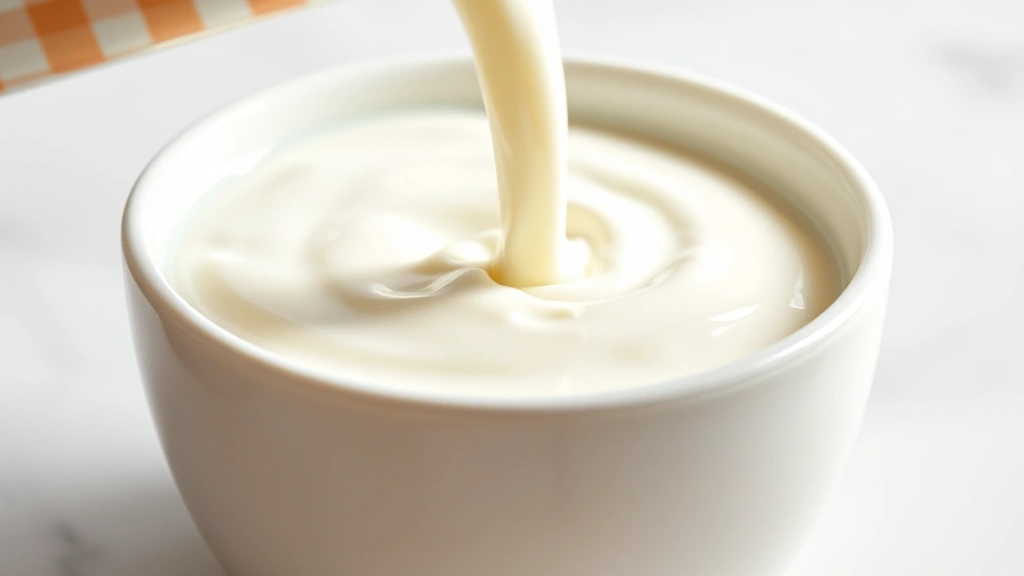
Heavy Whipping Cream: Dietitian’s Nutritional Analysis
Heavy whipping cream is one of the most misunderstood dairy products in modern nutrition conversations. While often vilified as a dietary villain due to its fat content, the reality is far more nuanced. This comprehensive analysis examines the nutritional profile of heavy whipping cream, its role in a balanced diet, and how it compares to alternative options available to consumers today.
As a registered dietitian nutritionist, I’ve observed significant shifts in how people perceive full-fat dairy products. The low-fat diet paradigm that dominated nutritional guidance for decades has given way to more sophisticated understanding of lipid metabolism and the importance of dietary fat for hormone production, vitamin absorption, and satiety. Heavy whipping cream deserves a closer look beyond outdated assumptions.

Nutritional Profile Breakdown
Heavy whipping cream, defined as cream with at least 36% milk fat content, contains approximately 340 calories per 100 milliliters. This concentration of energy comes almost exclusively from fat, making it one of the most calorie-dense dairy products available. Understanding the exact composition helps contextualize its role in dietary planning.
A standard serving of heavy whipping cream (2 tablespoons or 30 milliliters) provides roughly 100 calories. This seemingly small portion delivers significant nutritional impact due to the product’s high lipid concentration. The cream’s composition reflects its origin as the fat-rich layer that separates from milk during the natural settling process, making it fundamentally different from whole milk or yogurt in terms of nutrient density.
The processing method significantly influences the final nutritional composition. Ultra-pasteurized heavy cream, which undergoes brief high-temperature treatment, maintains most of its nutritional properties while extending shelf life. Raw cream, though less commonly available, retains native enzymes and potentially beneficial compounds that may be damaged during conventional pasteurization. Both forms share similar macronutrient profiles but may differ in micronutrient availability and enzymatic activity.
Macronutrient Composition
Fat constitutes approximately 36-40% of heavy whipping cream’s weight, translating to roughly 34 grams per 100 milliliters. This fat profile deserves detailed examination, as not all dietary fats affect health identically. Heavy cream contains a complex mixture of saturated, monounsaturated, and polyunsaturated fatty acids, each with distinct metabolic roles.
Saturated fats comprise approximately 62% of the total fat content in heavy cream, with palmitic acid and stearic acid being the predominant saturated fatty acids present. Monounsaturated fats account for roughly 29% of the fat content, primarily as oleic acid—the same beneficial compound found abundantly in olive oil and avocados. This means heavy cream’s fat profile is more diverse than commonly portrayed. For those following a comprehensive approach to dietary fats, understanding this composition proves essential.
Polyunsaturated fats represent approximately 5-6% of heavy cream’s lipid content, with small amounts of conjugated linoleic acid (CLA)—a compound with emerging research suggesting potential metabolic benefits. While heavy cream cannot serve as a primary source of essential fatty acids, it contributes meaningfully to overall fat intake when consumed regularly.
Carbohydrate content in heavy cream is minimal, typically around 3-4 grams per 100 milliliters, consisting primarily of lactose. This makes heavy cream suitable for individuals following low-carbohydrate dietary approaches. The lactose content is substantially lower than in whole milk, making it more tolerable for those with lactose sensitivity, though not suitable for those with complete lactose intolerance.
Protein content ranges from 1.7 to 2 grams per 100 milliliters—relatively low compared to milk or yogurt. This reflects cream’s fundamental composition as a fat-rich fraction of milk. The proteins present include casein and whey proteins, both of which are complete proteins containing all essential amino acids in appropriate proportions.
Micronutrients and Bioavailability
Heavy whipping cream provides several important micronutrients, many of which benefit from the product’s high fat content. Fat-soluble vitamins—A, D, E, and K—require dietary fat for optimal absorption. This bioavailability advantage distinguishes full-fat dairy products from their reduced-fat counterparts.
Vitamin A content in heavy cream ranges from 340 to 400 IU per tablespoon, with the actual amount depending on cattle diet and season. Grass-fed dairy tends toward higher vitamin A concentrations, particularly the more bioactive retinol form. Vitamin A supports vision, immune function, and epithelial tissue maintenance—functions where deficiency remains a global health concern despite adequate intake in developed nations.
Vitamin D naturally occurs in dairy fat, with heavy cream containing approximately 1-2 IU per tablespoon, though fortification levels vary by region and manufacturer. While this represents a modest contribution to daily requirements, it demonstrates another advantage of maintaining full-fat dairy consumption rather than switching to low-fat alternatives that require additional supplementation.
Calcium content in heavy cream measures approximately 20-25 milligrams per tablespoon—lower than in milk but still meaningful when consumed regularly. The fat matrix may actually enhance calcium absorption compared to milk, though research in this area remains limited. Those seeking to improve nutrient absorption should recognize that fat-soluble micronutrient bioavailability increases substantially with dietary fat presence.
Phosphorus and potassium appear in modest quantities, contributing to the product’s overall mineral profile. Selenium, a critical micronutrient for thyroid function and antioxidant defense, occurs naturally in dairy products in bioavailable forms. These trace minerals accumulate from cattle diet and pasture composition, creating variation among products from different sources.
Health Implications
The relationship between heavy cream consumption and cardiovascular health has undergone significant reevaluation in recent nutritional science. Earlier meta-analyses suggesting universal dairy fat avoidance have been challenged by more nuanced research examining specific populations and consumption patterns. A comprehensive review of dietary patterns reveals that moderate full-fat dairy consumption does not universally elevate cardiovascular risk markers.
Research published in major nutrition journals indicates that the type of saturated fat matters considerably. Dairy saturated fats differ structurally from those in processed foods, and their metabolic effects vary accordingly. Stearic acid, abundant in dairy fat, converts to oleic acid in the body—the same monounsaturated fat celebrated in Mediterranean diets. This metabolic conversion suggests that dairy fat’s health impact may be more favorable than its saturated fat percentage initially suggests.
Weight management presents a more complex relationship with heavy cream. While calorically dense, full-fat dairy products promote satiety more effectively than low-fat alternatives. Studies demonstrate that individuals consuming full-fat dairy tend to consume fewer total calories throughout the day compared to those consuming reduced-fat versions. This paradoxical finding challenges the assumption that lower-calorie options automatically support weight management better.
Hormonal health considerations include the role of dietary fat in steroid hormone production. Adequate fat intake supports testosterone, estrogen, and progesterone synthesis—functions essential for metabolic health, reproductive function, and bone density. Heavy cream, as a concentrated fat source, can meaningfully contribute to meeting dietary fat requirements necessary for these physiological processes.
The relationship between dairy consumption and inflammation markers deserves attention. Some individuals experience improved inflammatory markers with moderate full-fat dairy inclusion, while others show no change or slight increases. This individual variation underscores the importance of personalized nutrition approaches rather than universal dietary guidelines. A holistic nutritional perspective considers how dietary components affect multiple health dimensions simultaneously.
Practical Applications
Understanding heavy cream’s nutritional profile enables informed culinary and dietary decisions. Portion control remains important despite heavy cream’s nutritional benefits—consuming excessive quantities of any high-calorie food can contribute to weight gain and nutritional imbalance. A rational approach involves incorporating heavy cream intentionally into meals rather than eliminating it categorically.
Culinary applications extend beyond desserts and coffee enrichment. Heavy cream serves as an ingredient in savory sauces, soups, and braises where it provides both nutritional benefits and superior flavor development compared to reduced-fat alternatives. The Maillard reaction—the chemical process creating complex flavors during cooking—proceeds more effectively in the presence of adequate fat, explaining why full-fat dairy products yield superior culinary results.
For those implementing comprehensive healthy nutrition planning, heavy cream can serve specific dietary goals. In ketogenic or very low-carbohydrate approaches, heavy cream provides essential dietary fat while maintaining minimal carbohydrate intake. For individuals with inadequate caloric intake or malabsorption concerns, the concentrated calories and fat-soluble vitamins offer therapeutic value.
Timing considerations may influence heavy cream consumption. Including fat with meals slows gastric emptying and promotes more gradual nutrient absorption, which stabilizes blood glucose and energy levels. This metabolic advantage makes heavy cream particularly valuable when consumed with carbohydrate-containing meals, as it moderates postprandial glucose responses.
Storage and handling practices preserve nutritional quality. Refrigeration at 35-40°F maintains heavy cream’s nutritional composition while preventing bacterial proliferation. Freezing extends shelf life substantially without significantly degrading micronutrients, though texture changes may affect culinary applications. Proper storage ensures that the micronutrients discussed—particularly fat-soluble vitamins and beneficial fatty acids—remain available for absorption.
Alternatives and Comparisons
Comparing heavy cream to alternatives illuminates its unique nutritional position. Coconut cream, derived from coconut milk, provides similar caloric and fat content but differs substantially in fatty acid composition, containing predominantly medium-chain triglycerides rather than the mixed-chain profile of dairy cream. The metabolic effects of these different fat types remain an active research area, with evidence suggesting medium-chain triglycerides may have distinct absorption and utilization patterns.
Oat cream and other plant-based alternatives attempt to replicate heavy cream’s functional properties while excluding dairy. However, these products typically require substantial fortification to approach dairy cream’s micronutrient density. The bioavailability of fortified vitamins often falls short of naturally occurring forms, and plant-based alternatives lack the native vitamin A, D, and K2 found in dairy products. Those exploring plant-based options should recognize they’re making a functional trade-off rather than accessing nutritionally equivalent substitutes.
Comparing heavy cream to whole milk reveals important distinctions. While both contain similar fat compositions, heavy cream’s concentrated format delivers micronutrients in higher density per serving. Whole milk provides more protein and calcium per volume, making it superior for those prioritizing these nutrients. The choice between them depends on individual nutritional goals and dietary context.
Greek yogurt and other fermented dairy products offer advantages through probiotic content and higher protein levels while maintaining fat-soluble vitamin presence. However, they serve different culinary functions and may not provide the same flavor-enhancing properties in cooking applications. A comprehensive understanding of nutrient-dense foods recognizes that different products serve distinct nutritional and functional purposes.
For those with dairy sensitivity, clarified butter (ghee) provides similar fat composition with reduced lactose and casein content, making it potentially more tolerable. However, ghee lacks the water-soluble vitamins and minerals present in liquid cream, representing another functional trade-off rather than a nutritionally superior alternative.
FAQ
Is heavy whipping cream suitable for weight loss?
Heavy cream can support weight loss when used intentionally in portion-controlled amounts. Its satiety-promoting properties and ability to slow gastric emptying help reduce overall caloric intake. The key lies in using it as a strategic dietary component rather than consuming unlimited quantities. Including small amounts in meals can prevent the dietary restriction and deprivation that often undermines long-term weight management.
Does heavy cream contain hormones and antibiotics?
Conventional heavy cream may contain residues of hormones and antibiotics used in cattle management, though levels are regulated and typically minimal in developed nations. Organic certified heavy cream must come from cattle not treated with synthetic hormones or routine antibiotics, providing an alternative for those concerned about these substances. Grass-fed options often provide additional micronutrient benefits alongside these considerations.
How does heavy cream affect cholesterol levels?
The relationship between dairy fat consumption and blood cholesterol proves more complex than earlier research suggested. Some individuals show minimal cholesterol changes with moderate heavy cream consumption, while others experience modest increases in LDL cholesterol. Response variation depends on genetics, overall diet composition, and individual metabolic factors. Regular monitoring through lipid panels provides personalized guidance superior to universal recommendations.
Can heavy cream be consumed by those with lactose intolerance?
Many individuals with lactose intolerance tolerate heavy cream better than milk due to its lower lactose concentration. However, complete lactose intolerance excludes all dairy products. Those with mild lactose sensitivity should test personal tolerance carefully, as individual responses vary considerably. Lactose-free heavy cream alternatives now exist for those requiring complete avoidance.
What is the difference between heavy cream and whipping cream?
Heavy cream contains at least 36% milk fat, while whipping cream contains 30-36% milk fat. This distinction affects whipping capability and texture in culinary applications. Nutritionally, the difference is relatively minor, with heavy cream providing slightly higher fat and caloric content per volume. Both contain similar micronutrient profiles and can serve comparable dietary functions.
Should heavy cream be consumed daily?
Daily heavy cream consumption depends on individual dietary needs, total caloric intake, and health status. For some individuals, small daily portions support satiety and nutrient absorption, while for others, occasional consumption fits better within nutritional goals. Consulting with a registered dietitian provides personalized guidance based on individual health markers and dietary objectives rather than following universal recommendations.
Understanding heavy whipping cream’s nutritional complexity moves beyond simplistic categorization of foods as universally good or bad. This dairy product offers genuine nutritional benefits—concentrated fat-soluble vitamins, satiety-promoting properties, and metabolically diverse fatty acids—alongside legitimate considerations regarding caloric density and saturated fat content. The evidence supports moderate incorporation into balanced diets rather than categorical avoidance or unlimited consumption. Visit the Nutrients Pathway Blog for additional evidence-based nutritional information supporting informed dietary decisions.


