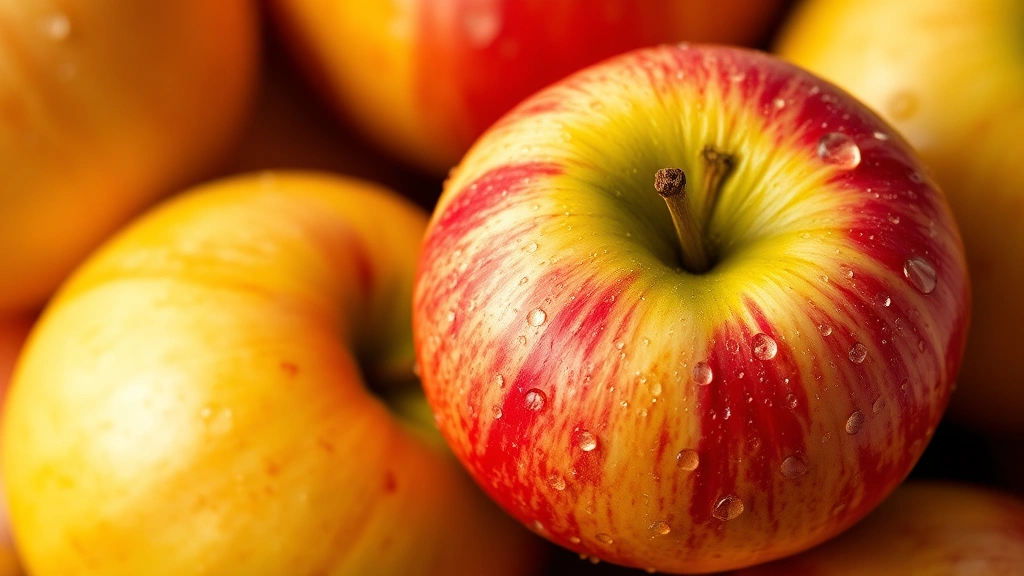
Discover Honeycrisp Apple Benefits: Dietitian Insight
Honeycrisp apples have revolutionized the way we think about fruit consumption, combining exceptional taste with impressive nutritional density. These crisp, juicy apples aren’t just a delicious snack—they represent a powerhouse of vitamins, minerals, and bioactive compounds that support comprehensive health. As a dietitian-endorsed choice, Honeycrisp apples offer unique benefits that extend far beyond their refreshing crunch and natural sweetness, making them an ideal addition to any health-conscious diet.
Understanding honeycrisp apple nutrition facts reveals why nutritionists consistently recommend this variety to patients seeking to optimize their dietary intake. With their high water content, substantial fiber contribution, and rich polyphenol profile, these apples deliver measurable health advantages that have been documented in peer-reviewed nutrition research. Whether you’re focused on weight management, cardiovascular health, or metabolic optimization, Honeycrisp apples provide scientifically-backed benefits that make them stand out among other apple varieties.
Honeycrisp Apple Nutrition Facts Breakdown
A medium-sized Honeycrisp apple (approximately 182 grams) contains roughly 95 calories, making it an exceptionally nutrient-dense food with minimal caloric burden. The macronutrient profile includes approximately 25 grams of carbohydrates, with 4.4 grams of dietary fiber and roughly 19 grams of natural sugars. This favorable carbohydrate composition positions Honeycrisp apples as a superior choice compared to many processed snacks, providing sustained energy without the glycemic spike associated with refined carbohydrates.
The micronutrient content of Honeycrisp apples demonstrates why dietitians recommend them as part of a comprehensive nutrition strategy. These apples contain approximately 5 milligrams of vitamin C, contributing to immune function and collagen synthesis. Additionally, they provide potassium (approximately 195 milligrams), essential for cardiovascular regulation and electrolyte balance. The trace minerals including manganese, copper, and iron support enzymatic function and oxygen transport throughout the body.
What distinguishes Honeycrisp apples from conventional varieties is their elevated polyphenol concentration. Research from peer-reviewed nutritional studies indicates that Honeycrisp apples contain significantly higher levels of phenolic compounds compared to Red Delicious or Gala varieties. These compounds include quercetin, catechin, and chlorogenic acid—bioactive molecules with profound implications for cellular health and disease prevention.
As part of your overall healthy nutrition plan, incorporating Honeycrisp apples provides a nutrient-to-calorie ratio that exceeds most other commonly consumed fruits. The edible skin contains the majority of these beneficial compounds, making whole-apple consumption preferable to peeled alternatives.
Fiber Content and Digestive Health Benefits
The dietary fiber in Honeycrisp apples serves as a prebiotic substrate, nourishing beneficial gut microbiota and promoting optimal digestive function. With approximately 4.4 grams of fiber per medium apple, this variety contributes substantially toward the recommended daily intake of 25-30 grams for adults. The fiber composition includes both soluble pectin and insoluble cellulose, creating a synergistic effect that supports multiple aspects of gastrointestinal health.
Pectin, the primary soluble fiber in apples, undergoes fermentation in the colon, producing short-chain fatty acids including butyrate and propionate. These metabolites serve critical functions: butyrate provides energy for colonocytes, propionate supports hepatic gluconeogenesis, and both compounds exert anti-inflammatory effects throughout the digestive tract. Research published in the Frontiers in Nutrition demonstrates that regular apple consumption correlates with enhanced microbial diversity and improved intestinal barrier integrity.
Beyond prebiotic effects, the insoluble fiber in Honeycrisp apples promotes mechanical digestion through increased intestinal motility. This facilitates more efficient waste transit, reduces colonic transit time, and decreases the reabsorption of potentially harmful compounds. For individuals managing constipation or seeking to optimize digestive efficiency, Honeycrisp apples represent a natural, evidence-based intervention.
The comprehensive approach to digestive wellness through dietary fiber consumption positions Honeycrisp apples as a cornerstone food for long-term gastrointestinal health. Combined with adequate hydration and regular physical activity, these apples support the establishment of a thriving microbiome ecosystem.
Antioxidants and Disease Prevention
The antioxidant profile of Honeycrisp apples extends considerably beyond vitamin C, encompassing a sophisticated array of polyphenolic compounds with potent free radical scavenging capacity. Quercetin, the predominant flavonoid in these apples, demonstrates remarkable anti-inflammatory and antihistamine properties. Studies indicate that quercetin inhibits the production of pro-inflammatory cytokines, including TNF-alpha and IL-6, through multiple signaling pathways.
Catechins and epicatechins, additional polyphenolic constituents of Honeycrisp apples, exhibit powerful antioxidant activity with cellular permeability that enables penetration across the blood-brain barrier. This characteristic positions these compounds as potential neuroprotective agents, with research suggesting benefits for neurodegenerative disease prevention. The combination of these flavonoids creates a comprehensive antioxidant defense system that protects cellular structures from oxidative damage.
Chlorogenic acid, another significant polyphenol in Honeycrisp apples, has demonstrated capacity to reduce hepatic glucose production and enhance insulin sensitivity in human clinical trials. This compound also exhibits antimicrobial properties and supports the integrity of the intestinal epithelial barrier. The synergistic interaction between these various polyphenols creates an exponentially greater protective effect than any single compound could achieve independently.
The disease prevention implications of regular Honeycrisp apple consumption are substantial. Epidemiological research from Harvard School of Public Health demonstrates that individuals consuming apples regularly exhibit reduced incidence of type 2 diabetes, cardiovascular disease, and certain malignancies. The protective mechanisms involve both direct antioxidant activity and indirect effects on metabolic parameters and inflammatory markers.

Heart Health and Cardiovascular Support
Cardiovascular health represents one of the most extensively documented benefits of regular apple consumption, with Honeycrisp apples demonstrating particular efficacy. The soluble fiber pectin actively reduces circulating LDL cholesterol through multiple mechanisms: increased fecal bile acid excretion, enhanced hepatic cholesterol uptake, and modulation of hepatic lipogenesis. Clinical trials demonstrate that consuming one to two apples daily can reduce LDL cholesterol by 3-5%, a reduction comparable to certain pharmaceutical interventions.
The polyphenolic compounds in Honeycrisp apples provide additional cardiovascular benefits through mechanisms including endothelial function enhancement, arterial compliance improvement, and blood pressure modulation. Quercetin specifically inhibits platelet aggregation and reduces vasomotor dysfunction, both critical factors in atherosclerosis prevention. The potassium content (approximately 195 milligrams) supports healthy blood pressure through natriuretic effects and vascular smooth muscle relaxation.
Inflammation represents a critical driver of cardiovascular disease progression, and Honeycrisp apples directly address this pathological mechanism. The anti-inflammatory polyphenols reduce circulating C-reactive protein, homocysteine, and other inflammatory markers associated with atherosclerotic disease. Research from the American Heart Association confirms that apple consumption correlates with reduced cardiovascular event incidence and improved overall survival in populations with established cardiovascular disease.
Integration of Honeycrisp apples into a comprehensive cardiovascular health strategy, combined with regular physical activity and stress management, creates a powerful preventive framework. The synergistic effects of multiple bioactive compounds position these apples as a functional food with genuine therapeutic potential for heart disease prevention.
Weight Management and Metabolic Benefits
The weight management benefits of Honeycrisp apples derive from their unique combination of high satiety, low caloric density, and metabolic effects. The fiber content, particularly pectin, expands within the digestive tract and stimulates mechanoreceptors that signal satiety to the central nervous system. Consuming a Honeycrisp apple before meals has been demonstrated to reduce subsequent caloric intake by 15-20%, effectively creating a caloric deficit without requiring conscious dietary restriction.
The natural sugars in Honeycrisp apples provide rapid glucose availability that satisfies sweet cravings while avoiding the blood sugar dysregulation associated with processed desserts. This distinction proves critical for individuals managing weight, as stable blood glucose levels reduce the intensity of hunger signals and minimize reactive overeating episodes. The fructose component undergoes hepatic metabolism, promoting satiety hormone production and reducing appetite-driving neuropeptide signals.
Metabolic rate enhancement represents an underappreciated benefit of Honeycrisp apple consumption. The polyphenolic compounds increase thermogenesis through uncoupling protein activation in mitochondria, effectively increasing the thermic effect of food digestion. Regular apple consumption has been associated with modest increases in resting metabolic rate, contributing to long-term weight management success. This effect proves particularly significant for individuals with metabolic dysfunction or insulin resistance.
As part of your meal planning strategy, incorporating Honeycrisp apples provides structure and nutritional support without the caloric burden of processed snacks. The combination of physical satiety, metabolic effects, and psychological satisfaction creates a sustainable approach to weight management that extends beyond temporary dietary interventions.
Blood Sugar Regulation
Despite their natural sugar content, Honeycrisp apples paradoxically improve blood glucose control and insulin sensitivity. This apparent contradiction resolves through understanding the glycemic index and glycemic load concepts. The Honeycrisp apple exhibits a low glycemic index (approximately 34), meaning glucose absorption occurs gradually, preventing the postprandial glucose spikes associated with high glycemic index foods. The glycemic load—accounting for portion size and carbohydrate density—remains even more favorable, with a single apple producing minimal blood glucose elevation.
The soluble fiber pectin plays a critical role in this blood sugar regulation mechanism. Pectin increases intestinal viscosity, slowing glucose absorption and flattening the postprandial glucose curve. This effect proves particularly beneficial for individuals with prediabetes or type 2 diabetes, where maintaining stable blood glucose levels represents a central therapeutic objective. Research demonstrates that pectin consumption reduces postprandial glucose spikes by 20-30% compared to non-fibrous carbohydrate sources.
The polyphenolic compounds in Honeycrisp apples further enhance glucose metabolism through multiple pathways. Quercetin inhibits intestinal alpha-glucosidase and pancreatic alpha-amylase, enzymes responsible for disaccharide and polysaccharide hydrolysis. This enzymatic inhibition reduces the rate of glucose absorption, creating a more gradual glucose entry into systemic circulation. Additionally, these polyphenols enhance insulin secretion and improve pancreatic beta-cell function.
Chlorogenic acid, abundant in Honeycrisp apples, demonstrates particularly impressive effects on hepatic glucose production. This compound inhibits glucose-6-phosphatase and fructose-1,6-bisphosphatase, key enzymes in gluconeogenesis. Clinical trials demonstrate that chlorogenic acid consumption reduces fasting glucose levels and improves HbA1c—the three-month average blood glucose marker—in individuals with impaired glucose tolerance.
Brain Health and Cognitive Function
The neuroprotective potential of Honeycrisp apples extends far beyond simple antioxidant activity, encompassing multiple mechanisms that support cognitive function and reduce neurodegenerative disease risk. The polyphenolic compounds in these apples cross the blood-brain barrier and accumulate within the hippocampus, prefrontal cortex, and striatum—brain regions critical for memory, executive function, and motor control. This neurological distribution enables direct neuroprotective effects at the cellular level.
Quercetin, the predominant flavonoid in Honeycrisp apples, inhibits amyloid-beta aggregation—a pathological process central to Alzheimer’s disease pathophysiology. Research demonstrates that quercetin reduces amyloid-beta fibril formation and promotes disaggregation of existing fibrils, potentially reversing early pathological changes. Additionally, quercetin activates autophagy pathways that promote clearance of misfolded proteins and dysfunctional mitochondria, maintaining neuronal cellular health.
The connection between nutrition and mental health becomes particularly evident when examining apple consumption patterns. Epidemiological studies demonstrate that individuals consuming apples regularly exhibit reduced cognitive decline rates and lower dementia incidence. The anti-inflammatory effects of apple polyphenols reduce neuroinflammation—a critical driver of neurodegenerative disease progression—through inhibition of microglial activation and reduction of pro-inflammatory cytokine production.
Honeycrisp apples also support cognitive function through enhancement of acetylcholine synthesis and preservation of cholinergic neurotransmission. The polyphenolic compounds inhibit acetylcholinesterase, the enzyme responsible for acetylcholine degradation, effectively increasing neurotransmitter availability. This mechanism proves particularly relevant for memory formation and executive function, with research indicating improved performance on cognitive testing batteries in individuals with regular apple consumption.
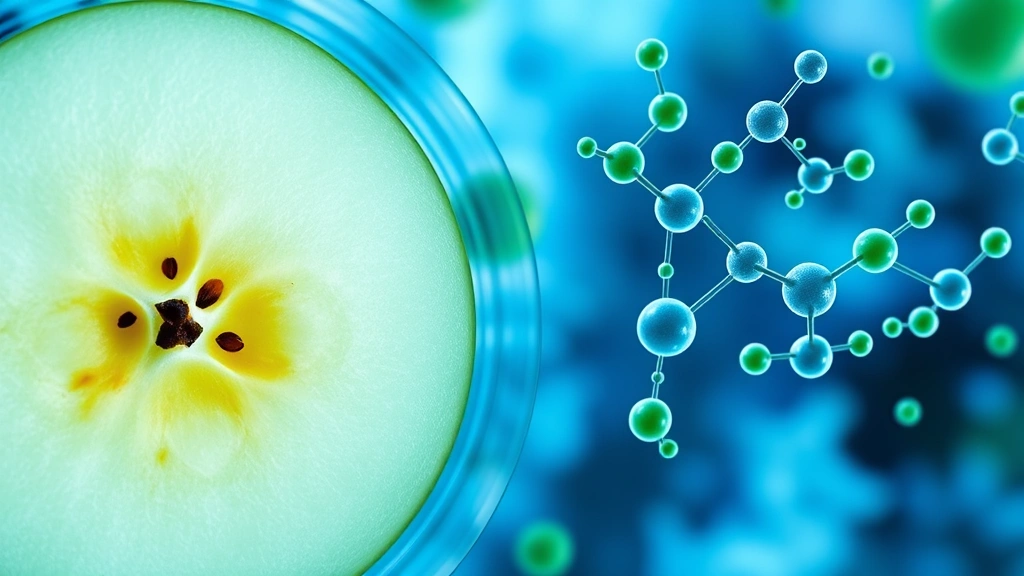
How to Maximize Honeycrisp Apple Benefits
Optimizing the health benefits derived from Honeycrisp apples requires understanding proper selection, storage, and consumption strategies. Choose apples with firm texture and vibrant coloring, as these characteristics correlate with higher polyphenol concentrations. Avoid apples with bruising or soft spots, which indicate cellular damage and potential oxidative compound degradation. The distinctive honeycomb-like pattern on the skin reflects proper ripeness and optimal nutrient density.
Storage methodology significantly influences nutrient preservation. Honeycrisp apples maintain optimal nutritional profiles when refrigerated at 35-40°F in high-humidity environments. Proper storage extends shelf life to 3-4 weeks while minimizing polyphenol oxidation. Avoid plastic bags without ventilation, as anaerobic conditions promote ethylene accumulation and accelerate senescence. Instead, utilize perforated storage bags that maintain humidity while enabling gas exchange.
Consumption timing and methodology influence bioavailability and systemic effects. Consuming Honeycrisp apples whole—with the skin intact—preserves the full spectrum of bioactive compounds, as the skin contains approximately 80% of the polyphenolic content. Eating apples before meals enhances satiety effects and moderates postprandial glucose responses. For individuals with compromised digestive capacity, gentle cooking or processing into unsweetened applesauce maintains nutritional benefits while improving digestibility.
The Nutrients Pathway Blog provides additional guidance on integrating Honeycrisp apples into comprehensive nutrition strategies. Combining apples with sources of healthy fat (nuts, seeds, nut butters) and protein (Greek yogurt, cheese) creates nutritionally balanced snacks that further enhance satiety and nutrient absorption. The polyphenolic compounds in apples exhibit enhanced bioavailability when consumed with dietary lipids, as these compounds demonstrate lipophilic characteristics.
Variety in apple consumption patterns optimizes health benefits. While Honeycrisp apples offer exceptional nutritional profiles, consuming diverse apple varieties—including Granny Smith, Fuji, and Pink Lady—provides complementary polyphenolic profiles with slightly different bioactive compound compositions. This dietary diversity ensures comprehensive exposure to the full spectrum of apple-derived protective compounds.
Consider pairing Honeycrisp apple consumption with other evidence-based health practices. Regular physical activity, stress management, adequate sleep, and social connection create a comprehensive wellness framework where nutritional interventions achieve maximal efficacy. The American Psychological Association emphasizes that nutrition represents one component of holistic health, with multiple lifestyle factors contributing synergistically to disease prevention and longevity.
FAQ
How many Honeycrisp apples should I consume daily?
Most nutrition guidelines recommend consuming 1-2 Honeycrisp apples daily as part of the recommended fruit intake of 1.5-2 cups per day. This quantity provides substantial polyphenolic compounds and fiber without excessive fructose consumption. Individual requirements may vary based on metabolic status, activity level, and specific health objectives. Consulting with a dietitian enables personalized recommendations aligned with your unique nutritional needs.
Are Honeycrisp apples suitable for individuals with diabetes?
Yes, Honeycrisp apples represent an excellent choice for individuals with type 2 diabetes or prediabetes due to their low glycemic index and glucose-moderating polyphenolic compounds. The combination of fiber, polyphenols, and gradual glucose absorption creates minimal blood glucose elevation. However, portion control remains important, and consumption should be paired with protein or healthy fat sources to further moderate glycemic response. Monitoring individual blood glucose responses provides valuable personalized guidance.
Should I consume Honeycrisp apple skin?
Absolutely. The skin contains approximately 80% of the polyphenolic compounds, including quercetin, catechin, and chlorogenic acid. Consuming apples whole—with thoroughly washed skin—maximizes the nutritional benefits. If you prefer peeled apples due to texture preferences, consider preparing applesauce that retains the skin’s bioactive compounds. Organic Honeycrisp apples eliminate pesticide residue concerns associated with conventional cultivation methods.
Can Honeycrisp apples replace pharmaceutical interventions?
While Honeycrisp apples offer genuine health benefits supported by scientific research, they represent complementary interventions rather than pharmaceutical replacements. The polyphenolic compounds provide modest benefits comparable to certain medications, but established medical conditions require appropriate pharmaceutical management. Discuss apple consumption and other dietary interventions with your healthcare provider to ensure coordinated, evidence-based treatment approaches.
How do Honeycrisp apples compare to other apple varieties?
Honeycrisp apples contain significantly higher polyphenol concentrations compared to Red Delicious, Gala, and Fuji varieties. Research indicates approximately 30-40% greater quercetin content in Honeycrisp apples. However, other varieties offer complementary polyphenolic profiles, and consuming diverse apple types provides exposure to the full spectrum of bioactive compounds. Granny Smith apples also demonstrate exceptional polyphenol content, making them an excellent alternative.


