Ideal Nutrition in Miami: Expert Tips for Beginners
Miami’s vibrant food culture and year-round warm climate create both opportunities and challenges for maintaining ideal nutrition. Whether you’re new to the city or just starting your wellness journey, understanding how to navigate Miami’s diverse dining landscape while building sustainable eating habits is essential. The tropical environment, abundant fresh produce, and multicultural cuisine offer incredible resources for beginners seeking to establish a foundation in proper nutrition.
Starting a nutrition journey in Miami means learning to balance the region’s rich culinary traditions with evidence-based dietary principles. From understanding macronutrient basics to leveraging local farmers markets, this guide provides actionable strategies specifically tailored for Miami residents beginning their path toward optimal health.
Understanding Your Nutritional Baseline
Before implementing any dietary changes, beginners must establish their current nutritional baseline. This involves assessing your typical daily intake, identifying nutrient gaps, and understanding your personal health goals. According to Pew Research Center studies, approximately 70% of Americans struggle to meet basic nutritional guidelines, making baseline assessment particularly valuable.
Start by tracking your current eating patterns for one week without making changes. Note meal times, portion sizes, food choices, and how different foods make you feel. This data becomes invaluable when working with nutrition professionals or implementing changes independently. Understanding whether you’re deficient in protein, fiber, healthy fats, or micronutrients will guide your personalized approach to ideal nutrition in Miami.
Consider calculating your daily caloric needs based on your age, activity level, and health goals. Most beginners benefit from consulting a comprehensive healthy nutrition plan guide that addresses individual variations. The foundation of ideal nutrition isn’t one-size-fits-all; it’s personalized to your unique circumstances.
Miami’s Fresh Produce Advantages
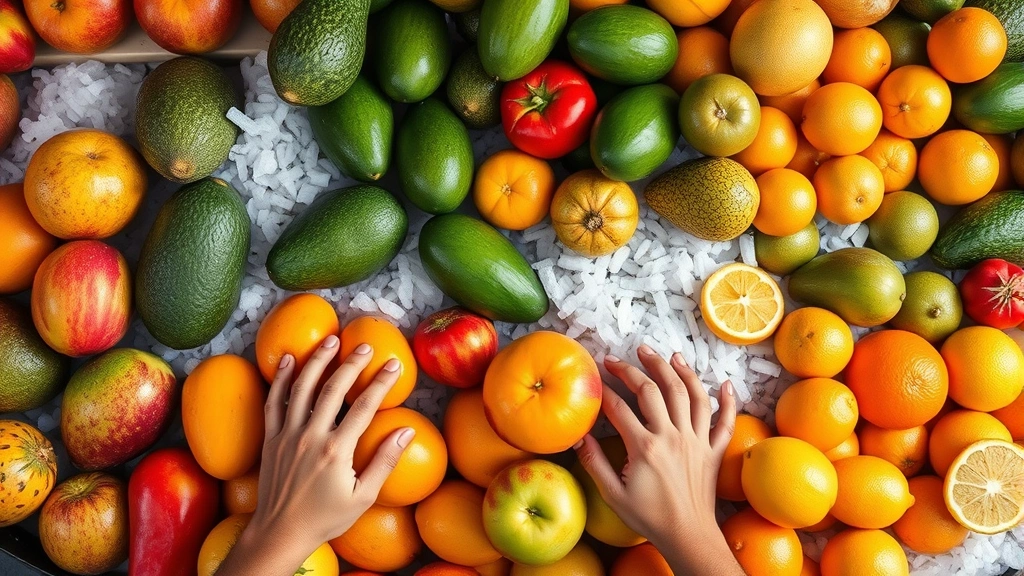
Miami’s tropical climate produces year-round access to nutrient-dense fruits and vegetables unavailable in many other U.S. regions. Beginners should leverage this advantage by incorporating local, seasonal produce into their ideal nutrition strategy. The region’s farmers markets, particularly those operating year-round, offer fresh alternatives to processed foods at competitive prices.
Key Miami-grown produce includes:
- Avocados – Rich in heart-healthy monounsaturated fats and potassium. Learn more about nutrition facts about avocados to maximize their benefits
- Citrus fruits – Oranges, grapefruits, and lemons provide vitamin C and antioxidants
- Mango and papaya – Tropical fruits offering enzymes and vitamins A and C
- Leafy greens – Spinach, kale, and collards grow abundantly in cooler months
- Tomatoes and peppers – Versatile vegetables rich in lycopene and capsaicin
- Root vegetables – Carrots and beets provide fiber and micronutrients
Shopping at local farmers markets not only supports your ideal nutrition goals but also strengthens Miami’s agricultural community. Beginners often find that direct access to fresh produce increases their willingness to prepare meals at home, a crucial step in establishing sustainable nutrition habits.
Building Your Ideal Nutrition Plan
Creating an ideal nutrition plan requires balancing macronutrients (proteins, carbohydrates, and fats) with adequate micronutrients (vitamins and minerals). For beginners in Miami, this means understanding how to structure meals that support energy, recovery, and long-term health.
Macronutrient Distribution: Most nutrition experts recommend a baseline distribution of 40-50% carbohydrates, 25-35% protein, and 20-30% fats, though individual needs vary. Beginners should experiment within these ranges to find what supports their energy and satiety levels best.
Protein is particularly important for beginners establishing new eating patterns, as it supports muscle maintenance, hormone production, and satiety. Ideal nutrition in Miami can include diverse protein sources: local fish and seafood, plant-based options like beans and legumes, eggs, and lean poultry. Understanding the importance of dietary fiber for health also helps beginners recognize that whole grains, vegetables, and fruits should form the foundation of their carbohydrate intake.
Micronutrient considerations for Miami residents include:
- Vitamin D – Though Miami receives ample sunlight, many residents remain deficient due to sun protection practices and indoor lifestyles
- Electrolytes – The hot climate increases sweat loss, requiring attention to sodium, potassium, and magnesium
- Antioxidants – Tropical fruits provide these naturally, supporting cellular health
- B vitamins – Essential for energy metabolism, particularly important for active individuals
- Iron and calcium – Often inadequate in restrictive diets
Beginners should view ideal nutrition as a sustainable framework rather than a restrictive diet. This mindset shift, supported by psychological research on behavior change, increases adherence and long-term success.
Navigating Miami’s Restaurant Scene
Miami’s restaurant culture is integral to the city’s identity, presenting both opportunities and challenges for beginners pursuing ideal nutrition. The city offers exceptional Cuban, Caribbean, Latin American, and international cuisines, many of which can support nutritional goals when navigated strategically.
Understanding traditional Miami dishes helps beginners make informed choices:
- Grilled fish and seafood – Excellent protein sources; request grilled preparation instead of fried
- Black beans and rice – A complete protein when combined, though often prepared with added oils
- Yuca and plantains – Starchy vegetables that can fit into balanced meals in appropriate portions
- Fresh tropical juices – Nutritious but often high in natural sugars; consume with meals to moderate blood sugar impact
- Ceviche – Raw fish dishes that preserve nutrients and provide excellent protein
Restaurant strategy for beginners includes requesting modifications: olive oil instead of butter, grilled instead of fried preparations, and vegetable sides instead of refined carbohydrates. Most Miami restaurants accommodate these requests willingly. Additionally, reviewing menus online before dining allows beginners to plan nutritious choices rather than deciding impulsively.
The New York Times Food section regularly features articles on dining trends and nutritional awareness in urban centers like Miami, providing context for understanding the broader food landscape.
Meal Planning and Preparation Strategies
Beginners often struggle with consistency, making meal planning essential for establishing ideal nutrition habits. Miami’s lifestyle—balancing work, outdoor activities, and social dining—requires practical strategies that don’t demand excessive time commitment.
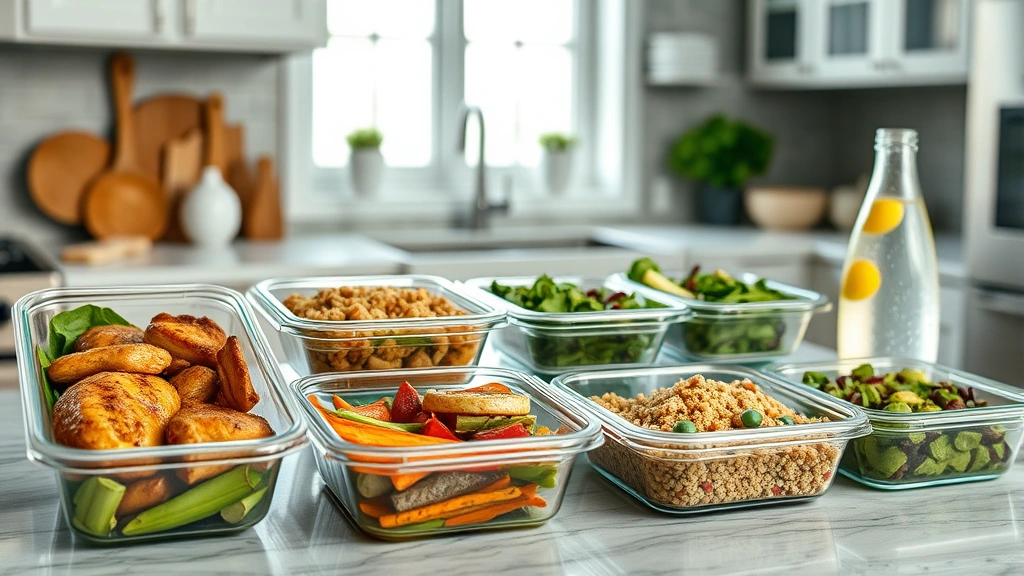
Implementing effective tips for meal planning helps beginners maintain nutritional consistency throughout busy weeks. Start with a simple approach:
- Choose 2-3 proteins – Prepare grilled chicken, baked fish, or seasoned ground turkey in bulk
- Prepare 2-3 vegetables – Roast broccoli, steam leafy greens, and grill zucchini
- Cook a grain – Brown rice, quinoa, or sweet potatoes serve as versatile bases
- Assemble containers – Combine components into meals for the week
- Prepare flexible snacks – Portion nuts, cut vegetables, and prepare hummus or yogurt
Miami’s warm climate allows for fresh, light meals that appeal to many beginners. Cold salads with grilled proteins, fresh vegetable wraps, and smoothie bowls made with local fruits align with both ideal nutrition and Miami’s culinary culture.
Time investment matters for beginners—most find that dedicating 2-3 hours weekly to meal preparation prevents the convenience-driven food choices that derail nutrition goals. Batch cooking proteins and vegetables creates building blocks for multiple meals, reducing daily decision fatigue.

Hydration in the Miami Climate
Miami’s subtropical climate makes hydration a cornerstone of ideal nutrition that beginners often underestimate. The combination of heat, humidity, and increased outdoor activity increases fluid and electrolyte losses significantly.
Beginners should establish baseline hydration habits:
- Drink water consistently throughout the day, not just when thirsty
- Monitor urine color—pale yellow indicates adequate hydration
- Increase intake during and after exercise or outdoor activities
- Include hydrating foods: watermelon, cucumber, citrus, and leafy greens
- Balance electrolytes – Sodium, potassium, and magnesium become critical with heavy sweating
- Limit dehydrating beverages – Excessive caffeine and alcohol increase fluid losses
Many Miami beginners benefit from establishing a hydration schedule: water upon waking, before meals, between meals, and before bed. Using a water bottle with time markers helps track intake visually. Herbal teas, coconut water, and electrolyte beverages can supplement plain water, though beginners should monitor added sugars in commercial options.
Understanding the relationship between nutrition and mental health including hydration’s impact on cognitive function motivates many beginners to prioritize this often-overlooked aspect of ideal nutrition.
Working with Local Nutrition Professionals
While self-directed nutrition improvement works for some beginners, many benefit from professional guidance. Miami boasts numerous registered dietitian nutritionists (RDNs), certified nutrition specialists, and health coaches with expertise in diverse populations and goals.
Finding qualified professionals involves:
- Verifying credentials through the Academy of Nutrition and Dietetics
- Seeking specialists experienced with your specific health goals or conditions
- Checking insurance coverage for nutrition counseling
- Reading reviews from other Miami residents
- Scheduling consultations to assess compatibility and approach
Professional guidance helps beginners avoid common mistakes: overly restrictive diets, inadequate nutrient intake, unrealistic expectations, and unsustainable approaches. A qualified professional creates accountability and personalization that generic plans cannot provide.
Miami’s diverse population means finding professionals who understand your cultural food preferences and background, making nutrition recommendations more relevant and sustainable. This cultural competency matters significantly for long-term adherence to ideal nutrition practices.
Resources like the Academy of Nutrition and Dietetics website help beginners locate credentialed professionals in their area and understand the differences between various nutrition-related credentials.
FAQ
What constitutes ideal nutrition for a beginner in Miami?
Ideal nutrition for Miami beginners includes adequate protein (25-35% of calories), balanced carbohydrates from whole foods (40-50%), healthy fats (20-30%), abundant vegetables and fruits, consistent hydration, and regular meal timing. It should be sustainable, culturally aligned, and support your specific health goals rather than following rigid rules.
How can I start eating better without completely changing my diet?
Begin with small, incremental changes: add one vegetable to meals you already enjoy, swap refined grains for whole grain versions, increase water intake gradually, and incorporate more local produce. These modifications prove more sustainable than dramatic overhauls and allow your palate and habits to adjust naturally.
Are Miami’s tropical fruits part of ideal nutrition?
Absolutely. Miami’s tropical fruits like mangoes, papayas, and avocados are nutritionally dense, providing vitamins, minerals, healthy fats, and fiber. However, some fruits are higher in natural sugars, so portion awareness matters—consume them as part of balanced meals rather than isolated snacks.
How do I balance dining out with ideal nutrition goals?
Strategy is key: review menus beforehand, request modifications (grilled instead of fried, oil on the side), choose vegetable-based sides, and practice portion awareness. Miami’s restaurant culture can support ideal nutrition when you make intentional choices rather than defaulting to convenience.
Should beginners take supplements for ideal nutrition in Miami?
Most beginners should focus on obtaining nutrients from whole foods first. However, vitamin D supplementation may benefit Miami residents despite abundant sunshine, and electrolyte supplementation might help those exercising heavily in the heat. Consult with a nutrition professional before starting supplements.
How long does it take to establish ideal nutrition habits?
Research suggests 66 days for habit formation on average, though this varies individually. Beginners typically notice improved energy and digestion within 2-3 weeks, while metabolic and body composition changes require 6-12 weeks of consistent practice. Patience and consistency matter more than perfection.
What role does the Nutrients Pathway Blog play in nutrition education?
Educational resources like nutrition blogs provide evidence-based information, recipe ideas, and motivation for beginners establishing ideal nutrition practices. Reputable sources help you distinguish between fad advice and scientifically-supported nutrition principles.


