Little Caesars Nutrition: Dietitian Reviews Insights
Fast casual pizza chains have become dietary staples for millions of Americans, yet their nutritional profiles remain largely misunderstood. Little Caesars, as one of the nation’s largest pizza retailers, serves approximately 3 million customers weekly, making an informed analysis of their menu offerings essential for health-conscious consumers. This comprehensive dietitian review examines the nutritional landscape of Little Caesars’ menu items, breaking down caloric content, macronutrient distribution, sodium levels, and strategic recommendations for making better choices.
Understanding Little Caesars nutrition facts requires moving beyond surface-level calorie counts. The chain’s diverse menu—from classic hand-tossed pizzas to breadsticks and wings—presents varying nutritional challenges and opportunities. Our analysis incorporates current dietary guidelines from the American Heart Association and incorporates evidence-based nutrition science to help you navigate menu selections intelligently.

Understanding Little Caesars Menu Categories
Little Caesars operates with a streamlined menu philosophy focused on pizza, sides, and beverages. The primary product categories include hand-tossed pizzas, thin-crust options, deep-dish variations, and specialty items. Each category presents distinct nutritional profiles that warrant careful examination.
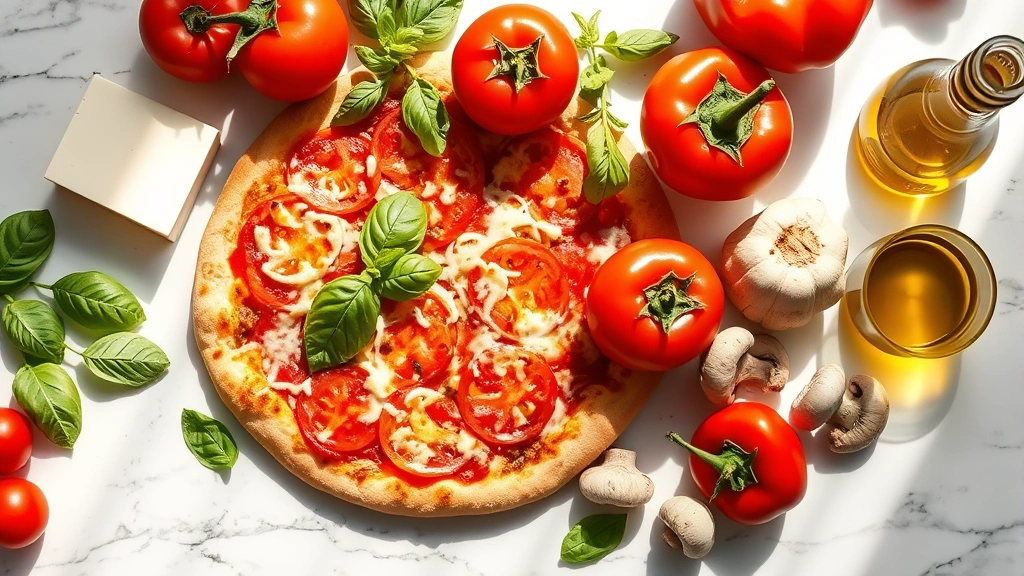
The chain’s hand-tossed pizza represents their signature offering, typically comprising 14-inch pies cut into eight slices. A single slice of hand-tossed cheese pizza contains approximately 250-280 calories, with variations increasing based on toppings. The crust composition—made with enriched flour, water, yeast, and oils—contributes roughly 40-50% of the slice’s caloric content.
Specialty items extend beyond traditional pizza. Breadsticks, crazy bread, wings, and sides constitute secondary revenue streams while presenting alternative nutritional considerations. Understanding these categories enables consumers to make informed substitutions within a meal framework aligned with their dietary objectives.
When reviewing nutritional information across fast-casual chains, Little Caesars demonstrates transparency through publicly available nutrition databases. The chain provides detailed breakdowns including calories, fat, saturated fat, trans fat, cholesterol, sodium, carbohydrates, fiber, sugar, and protein for all standard menu items.
Pizza Options and Nutritional Breakdown
Pizza nutrition varies significantly based on crust type, cheese distribution, and topping selections. Little Caesars’ portfolio includes multiple crust options, each with distinct macronutrient profiles that impact overall meal composition.
Hand-Tossed Cheese Pizza serves as the nutritional baseline. Per slice analysis reveals:
- Calories: 250-280 per slice
- Total Fat: 10-12g (primarily from cheese and oil)
- Saturated Fat: 5-6g
- Protein: 10-12g
- Carbohydrates: 32-35g
- Sodium: 480-520mg per slice
The thin-crust variety reduces caloric density through decreased dough volume. A thin-crust cheese slice contains approximately 200-230 calories with similar sodium levels but reduced carbohydrate content. This option suits individuals monitoring refined carbohydrate intake or seeking lower-calorie pizza experiences.
Deep-dish pizzas represent the opposite spectrum. Increased dough thickness elevates caloric content to 320-380 calories per slice, with proportionally higher carbohydrate and fat contributions. The additional crust volume, while providing satiety benefits, introduces greater sodium exposure and refined grain consumption.
Topping additions significantly impact nutritional profiles. Pepperoni adds 30-40 calories and 3-4g fat per slice. Sausage contributes 40-50 calories with higher saturated fat concentrations. Vegetable toppings—peppers, onions, mushrooms—add minimal calories (5-15 per slice) while increasing micronutrient density and fiber content.
Understanding healthy nutrition plans for sustainable eating requires recognizing that occasional pizza consumption, when portion-controlled and strategically topped, fits within balanced dietary frameworks. The key involves making informed choices about frequency, portion size, and accompanying foods.
Sodium Content and Heart Health Concerns
Sodium emerges as the primary nutritional concern across Little Caesars menu offerings. A single slice of cheese pizza delivers 480-520mg sodium—representing 20-23% of the daily recommended 2,300mg limit established by the American Heart Association.
Consuming a typical four-slice pizza serving results in 1,920-2,080mg sodium intake, approaching or exceeding daily recommendations from a single meal. This concentration becomes particularly problematic for individuals managing hypertension, cardiovascular disease, or sodium-sensitive conditions.
The sodium originates from multiple sources within pizza composition:
- Cheese content—mozzarella contributes approximately 350-400mg sodium per cup
- Processed meat toppings—pepperoni and sausage contain sodium nitrites as preservatives
- Dough formulation—salt and sodium-containing leavening agents
- Sauce preparation—tomato-based sauces contain added sodium for flavor preservation
This sodium concentration reflects industry-wide patterns. Recent consumer research indicates that 75% of dietary sodium derives from processed and restaurant foods rather than home cooking, positioning chains like Little Caesars as significant sodium contributors in typical American diets.
For individuals managing sodium intake, strategic modifications include selecting vegetable-heavy pizzas, limiting portion sizes to 2-3 slices, and balancing meals with low-sodium accompaniments like water and non-salted vegetables.
Protein and Macronutrient Analysis
Protein content represents a nutritional strength within Little Caesars’ pizza offerings. A standard cheese pizza slice provides 10-12g protein, meeting approximately 20-24% of daily requirements for a 2,000-calorie diet. This protein contribution derives primarily from cheese, with secondary amounts from dough gluten structure.
The protein-to-calorie ratio demonstrates reasonable efficiency—approximately 0.04g protein per calorie consumed. However, this protein exists within a carbohydrate-heavy context. A typical slice contains 32-35g carbohydrates (primarily refined grains from white flour dough), creating a macronutrient distribution skewed toward carbohydrates.
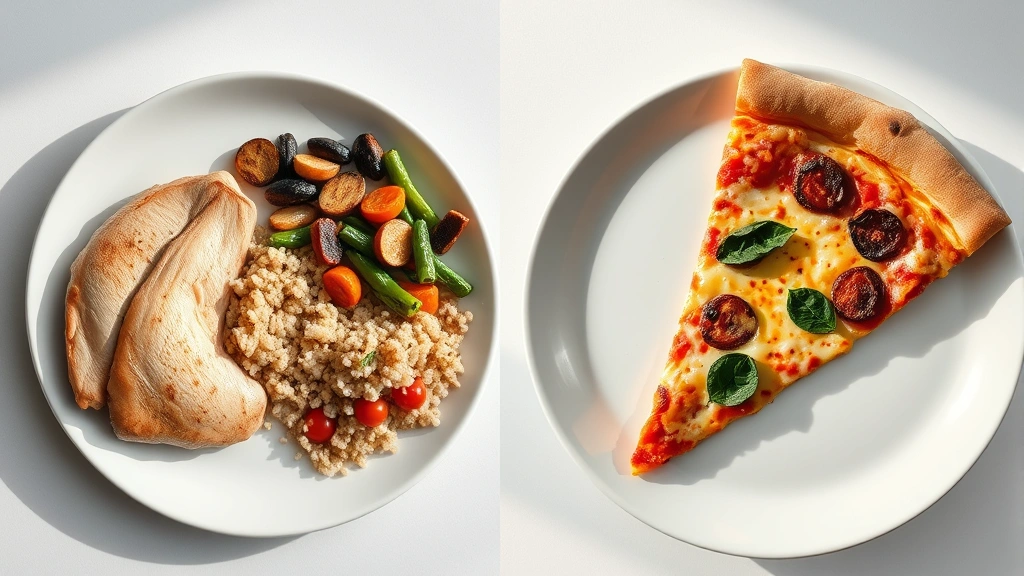
For individuals implementing structured meal planning strategies, pizza consumption requires complementary foods balancing macronutrient distribution. Pairing pizza with protein-rich, low-carbohydrate sides—such as grilled chicken or Greek yogurt—optimizes overall meal composition.
Fat content averages 10-12g per slice, with 5-6g deriving from saturated sources. This saturated fat concentration, while not extreme, contributes meaningfully to daily limits. The American Heart Association recommends limiting saturated fat to 5-6% of daily calories (approximately 11-13g on a 2,000-calorie diet). A four-slice pizza serving delivers 20-24g saturated fat, potentially exceeding daily recommendations from pizza alone.
Fiber represents a significant nutritional deficit. Refined white flour dough contains minimal fiber—typically less than 1g per slice. Individuals prioritizing digestive health and sustained satiety benefit from incorporating high-fiber foods throughout the day to compensate for pizza’s fiber deficiency.
Healthier Menu Choices Strategy
Strategic ordering approaches minimize nutritional compromise while maintaining pizza enjoyment. Evidence-based recommendations for optimizing Little Caesars selections include:
Crust Selection: Thin-crust options reduce caloric intake by 15-20% compared to hand-tossed varieties, with corresponding reductions in carbohydrates and refined grains. This modification suits individuals managing weight or blood sugar stability.
Topping Optimization: Vegetable-heavy pizzas increase micronutrient density while minimizing saturated fat. Requesting extra peppers, mushrooms, and onions adds volume and nutritional value without proportional caloric increases. Conversely, limiting meat toppings reduces sodium and saturated fat exposure.
Portion Control: Consuming 2-3 slices rather than half-pizzas maintains pizza enjoyment while controlling caloric and sodium intake. Pairing reduced pizza portions with substantial vegetable-based sides creates satiety through volume without nutritional excess.
Beverage Selection: Water or unsweetened beverages eliminate liquid sugar calories. Many consumers consume 300-400 additional calories through sugary drinks, effectively doubling the nutritional impact of pizza meals. This single modification provides meaningful health benefits.
Frequency Management: Limiting pizza consumption to 1-2 times monthly rather than weekly reduces cumulative sodium, saturated fat, and refined carbohydrate exposure. This frequency framework accommodates pizza enjoyment within balanced dietary patterns.
Understanding how dietary choices impact cognitive function and mental health reveals that consistent high-sodium, high-saturated-fat consumption correlates with inflammatory responses affecting mood and cognitive performance. Strategic pizza consumption supports both physical and mental health objectives.
Comparison with Industry Standards
Evaluating Little Caesars’ nutritional profile within competitive context provides perspective on their relative positioning. Industry comparison reveals:
versus Domino’s: Domino’s hand-tossed cheese pizza averages 250 calories per slice, matching Little Caesars closely. Sodium levels demonstrate similar patterns (480-510mg per slice), indicating industry-wide standardization around formulations.
versus Papa John’s: Papa John’s emphasizes fresh ingredient sourcing, with cheese pizza slices containing 280-300 calories but 450-480mg sodium. Their thin-crust option provides 200-220 calories per slice, slightly lower than Little Caesars’ thin-crust equivalent.
versus Pizza Hut: Pizza Hut’s hand-tossed variety reaches 280-310 calories per slice with 480-520mg sodium, positioning them slightly higher in caloric density than Little Caesars’ baseline offerings.
This competitive analysis demonstrates that Little Caesars occupies a mid-range position within the pizza industry. Their nutritional profiles reflect standard industry practices rather than exceptional health positioning. The chain neither significantly outperforms nor underperforms competitors on primary nutritional metrics.
According to digital food journalism analysis, pizza chains increasingly face consumer pressure to provide healthier options. Little Caesars’ limited health-focused menu modifications (thin-crust offerings, salad options) lag behind competitors implementing substantial menu reformulations.
Dietary Accommodations and Modifications
Vegetarian Considerations: Little Caesars offers vegetarian pizza options through cheese-only or vegetable-topped selections. However, cheese-based pizzas contain rennet derived from animal sources in most formulations, limiting options for strict vegetarians. Requesting vegan cheese (when available) enables plant-based consumption, though availability varies by location.
Gluten-Free Needs: Little Caesars does not widely offer gluten-free crust options at most locations, presenting challenges for celiac disease management or gluten sensitivity. Individuals with gluten concerns should verify specific location capabilities before ordering.
Allergen Management: Comprehensive allergen information availability varies across locations. The chain’s website provides detailed allergen documentation, but cross-contamination risks exist in shared kitchen environments. Individuals with severe allergies should communicate directly with location managers regarding preparation protocols.
Sodium Reduction: Requesting reduced-salt preparation or requesting sauce without added sodium provides minimal modifications, as cheese and processed toppings constitute primary sodium sources. Meaningful sodium reduction requires fundamental menu selection changes rather than preparation modifications.
Calorie Restriction: Individuals implementing calorie-restricted diets benefit from selecting thin-crust, vegetable-heavy pizzas limited to 2-3 slices, ideally paired with non-caloric beverages. This framework maintains pizza enjoyment within structured caloric parameters.
FAQ
How many calories are in a Little Caesars pizza slice?
Calories per slice range from 200-230 for thin-crust cheese to 320-380 for deep-dish varieties. Hand-tossed cheese pizza averages 250-280 calories per slice. Toppings add 30-50 calories per slice depending on selection.
Is Little Caesars pizza healthy?
Little Caesars pizza fits within balanced diets when consumed strategically—limiting portions to 2-3 slices, selecting vegetable-heavy toppings, and maintaining overall dietary balance. However, high sodium content (480-520mg per slice) presents health concerns for sodium-sensitive individuals.
What’s the sodium content in Little Caesars pizza?
A standard cheese pizza slice contains 480-520mg sodium, representing 20-23% of daily recommendations. A four-slice serving delivers 1,920-2,080mg sodium, approaching or exceeding daily limits from a single meal.
Does Little Caesars offer nutritional information?
Yes, Little Caesars provides comprehensive nutrition facts on their website and at locations, including calories, macronutrients, sodium, allergen information, and ingredient documentation.
What are the healthiest Little Caesars menu options?
Thin-crust vegetable pizzas represent the healthiest options, paired with water instead of sugary beverages. Limiting portions to 2-3 slices and incorporating high-fiber or protein-rich accompaniments optimizes nutritional outcomes.
Can I eat Little Caesars on a diet?
Yes, strategic pizza consumption accommodates most diets. Selecting thin-crust, vegetable-heavy options in controlled portions (2-3 slices) enables pizza enjoyment within calorie or macronutrient-restricted frameworks.