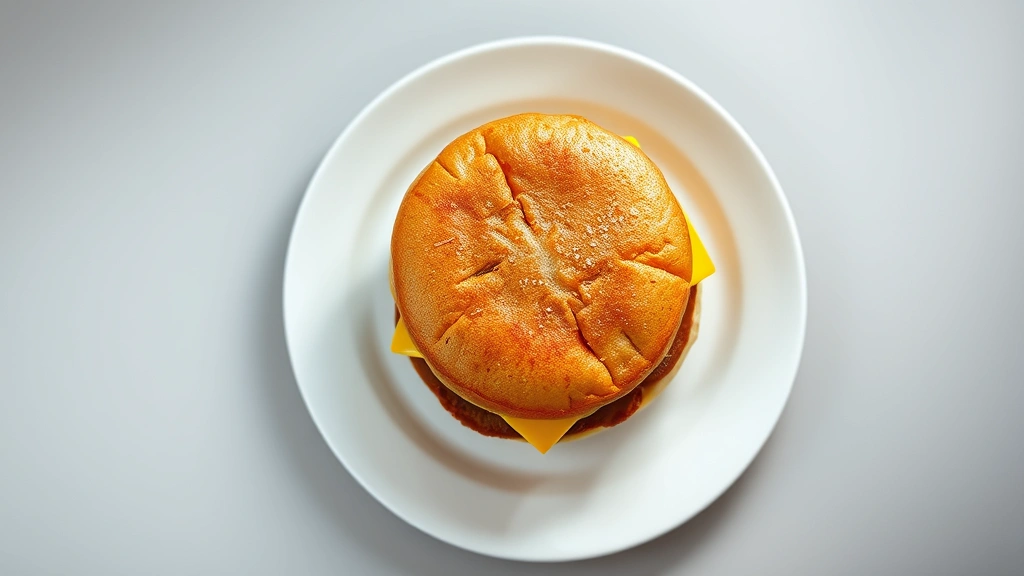
McGriddle Nutrition Facts: A Registered Dietitian’s Complete Analysis
McDonald’s McGriddle has been a breakfast staple since its 2003 debut, combining griddle cakes with savory meat and melted cheese in a handheld format. For many Americans rushing through their morning routine, this menu item represents convenience and indulgence. However, understanding the complete nutritional profile of a McGriddle is essential for making informed dietary choices. As a registered dietitian, I’ve analyzed this popular breakfast sandwich to provide you with detailed insights into its macro and micronutrient composition, potential health implications, and how it fits within various dietary frameworks.
This comprehensive guide breaks down every nutritional component of McDonald’s McGriddle offerings, examines the science behind the ingredient list, and provides practical guidance for consumers. Whether you’re a regular McGriddle consumer, someone watching their caloric intake, or simply curious about fast-food nutrition, this analysis will equip you with the knowledge needed to understand how this breakfast item impacts your daily nutritional goals.

McGriddle Varieties and Caloric Content
McDonald’s offers several McGriddle variations, each with distinct nutritional profiles. The classic Sausage McGriddle contains approximately 450 calories, while the Bacon McGriddle provides around 420 calories. The Sausage, Egg & Cheese McGriddle jumps to 550 calories, and the Bacon, Egg & Cheese McGriddle sits at approximately 500 calories. For those seeking heartier options, the Double Sausage McGriddle delivers roughly 560 calories.
When evaluating caloric content, it’s crucial to consider that these figures represent approximately 22-28% of a 2,000-calorie daily diet for adults. This makes the McGriddle a substantial breakfast choice that should be carefully considered within your overall daily intake. The caloric density stems primarily from the combination of refined grain griddle cakes, processed meat proteins, and added fats from cheese and cooking methods. If you’re following a healthy nutrition plan, understanding portion contributions becomes essential for maintaining caloric balance.
The griddle cakes themselves contribute significantly to the caloric load. These maple-flavored pancake-like components are engineered for taste and texture, incorporating sugar and refined carbohydrates that elevate the overall energy density of the sandwich. The meat patties, whether sausage or bacon, add both calories and saturated fat, while the American cheese slice introduces additional sodium and fat content.
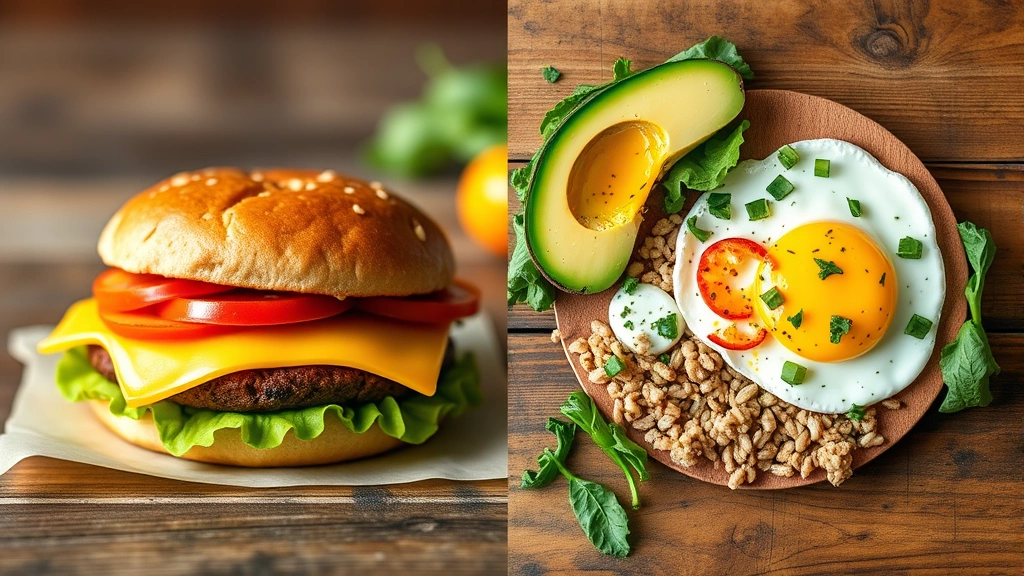
Macronutrient Breakdown Analysis
The macronutrient composition of a McGriddle reveals important dietary characteristics. A typical Sausage McGriddle contains approximately 17 grams of protein, 22 grams of total fat (including 10 grams of saturated fat), and 41 grams of carbohydrates. This macronutrient distribution reflects a breakfast item heavily skewed toward carbohydrates and fats, with moderate protein content.
From a macronutrient perspective, the McGriddle’s protein-to-carbohydrate ratio is suboptimal for sustained energy and satiety. Registered dietitians generally recommend breakfast items with a more balanced macronutrient profile, particularly higher protein content relative to refined carbohydrates. The 17 grams of protein in a standard McGriddle provides only about 15% of daily recommended intake for most adults, while the 41 grams of carbohydrates represents a substantial portion of carbohydrate allowance.
The fat content deserves particular attention. With 10 grams of saturated fat per sandwich, a single McGriddle provides 50% of the American Heart Association’s recommended daily saturated fat limit. This high saturated fat content is concerning for cardiovascular health, particularly when McGriddles are consumed regularly. The trans fat content, while minimal due to FDA regulations, may still contribute to overall cardiovascular risk when combined with other processed foods.
When considering portion control for weight loss, the macronutrient distribution becomes critical. The high carbohydrate-to-protein ratio may not provide adequate satiety, potentially leading to increased hunger within two to three hours of consumption. This can result in additional snacking and caloric overconsumption throughout the day.
Sodium and Heart Health Considerations
Perhaps the most concerning nutritional aspect of McGriddles is sodium content. A single Sausage McGriddle contains approximately 1,150 milligrams of sodium, representing 50% of the American Heart Association’s recommended daily limit of 2,300 milligrams. This is particularly problematic because many consumers exceed sodium recommendations throughout the day without realizing it.
Excessive sodium intake is directly linked to elevated blood pressure, increased cardiovascular disease risk, and compromised kidney function over time. For individuals with existing hypertension, family history of heart disease, or those over 50 years old, a single McGriddle can represent a significant portion of their daily sodium allowance. Research from the American Heart Association consistently demonstrates that high sodium intake contributes to approximately 3 million deaths annually worldwide.
The sodium in McGriddles comes from multiple sources: the processed meat (sausage or bacon), the cheese, the griddle cakes themselves, and the butter flavoring used in preparation. This multi-source sodium content makes it difficult to reduce through simple modifications. Even ordering without cheese or requesting reduced-salt preparation may not substantially lower sodium levels due to the inherent sodium content of the meat products.
For individuals managing nutrition and mental health alongside cardiovascular concerns, sodium reduction becomes increasingly important, as emerging research suggests links between high sodium intake and mood disorders.
Sugar Content and Blood Glucose Impact
The griddle cakes are formulated with added sugars, contributing approximately 12-15 grams of sugar per McGriddle. While this may seem moderate compared to desserts, it’s significant for a breakfast item. This sugar content, combined with refined carbohydrates from the griddle cakes, creates a rapid blood glucose spike following consumption.
From a glycemic index perspective, McGriddles are classified as high-glycemic foods. The combination of refined grains and added sugars means blood glucose rises quickly after consumption, typically peaking 30-45 minutes after eating. This rapid spike triggers insulin release, which can lead to energy crashes and increased hunger within 2-3 hours. For individuals with prediabetes, diabetes, or metabolic syndrome, McGriddles present particular challenges.
The sugar content also impacts dental health. The sticky nature of the griddle cakes combined with sugar creates an environment conducive to bacterial growth and acid production, increasing cavity risk. This is especially concerning for individuals who consume McGriddles regularly without proper oral hygiene protocols.
Research from the CDC’s nutrition division indicates that breakfast items high in added sugars contribute significantly to daily sugar intake, with many Americans exceeding recommended limits before noon. For children and adolescents, this early-day sugar consumption can establish problematic dietary patterns.
Micronutrients and Vitamin Profile
While McGriddles provide certain micronutrients, the profile is limited relative to whole-food breakfast alternatives. A typical McGriddle provides approximately 15% of daily recommended iron, 20% of daily calcium (primarily from cheese), and modest amounts of B vitamins from the meat and enriched grains.
The iron present is non-heme iron from processed meat, which has lower bioavailability than heme iron from fresh meat sources. The calcium from cheese is accompanied by high sodium, creating an unfavorable nutrient ratio. There are negligible amounts of vitamin C, potassium, magnesium, or dietary fiber—nutrients critical for optimal health.
Processed foods like McGriddles are typically fortified with synthetic vitamins rather than providing naturally occurring micronutrients. While fortification addresses some nutritional gaps, it cannot replicate the synergistic benefits of micronutrients found in whole foods. The lack of dietary fiber is particularly notable; a McGriddle provides less than 2 grams of fiber, contributing to poor digestive health and satiety.
Comparison with Other Breakfast Options
To contextualize McGriddle nutrition, comparing it with alternative breakfast options reveals significant differences. A whole-grain toast with peanut butter and banana provides similar calories (approximately 400) but superior macronutrient balance, significantly less sodium, and substantially more fiber and potassium.
Greek yogurt with granola and berries offers comparable calories but triple the protein, lower sodium, and superior micronutrient density. Scrambled eggs with whole-grain toast and vegetables provide excellent protein, lower carbohydrate impact, and more micronutrients than McGriddles. Even a plain bagel with cream cheese and smoked salmon surpasses McGriddles nutritionally in most categories.
The fundamental difference is that McGriddles are engineered for taste and convenience rather than nutritional optimization. The food industry prioritizes palatability through sugar, salt, and fat combinations that activate reward pathways in the brain, creating preference for these products over more nutritious alternatives. Understanding this distinction helps consumers make deliberate rather than habitual choices.
Incorporating McGriddles Into Balanced Nutrition
For individuals who enjoy McGriddles, complete elimination isn’t necessary when approached strategically. The key is understanding how to incorporate them within a balanced dietary framework. If consuming a McGriddle, consider these compensation strategies throughout the day.
First, reduce sodium intake from other sources. Avoid adding salt to other meals, limit processed snacks, and increase fresh produce consumption. Second, increase protein intake from other meals to compensate for the McGriddle’s moderate protein content. Third, ensure adequate fiber from whole grains, vegetables, and fruits to offset the refined carbohydrate load.
Frequency matters significantly. Occasional McGriddle consumption—perhaps once monthly—has minimal impact on long-term health outcomes. However, regular consumption (multiple times weekly) substantially increases cardiovascular disease risk, particularly regarding sodium and saturated fat intake. Following tips for meal planning can help establish balanced breakfast routines that reduce reliance on convenient but less nutritious options.
Consider also the timing of McGriddle consumption. Eating a McGriddle on a day when you’ll engage in significant physical activity allows better glucose utilization. Pairing it with a long walk or exercise session within 30-60 minutes can mitigate blood glucose spikes and improve overall metabolic impact.
Healthier Modifications and Alternatives
If you’re specifically drawn to McGriddles’ sweet-savory combination, several modifications improve nutritional value. Order without cheese to reduce saturated fat and sodium by approximately 15-20%. Request light butter on the griddle cakes to reduce added fat. Skip the sugary beverages and choose water, unsweetened coffee, or tea instead.
However, the most nutritionally sound approach is exploring alternatives that provide similar satisfaction with superior nutrition. Homemade versions allow complete control over ingredients. Use whole-grain English muffins or sprouted-grain bread as bases. Add nitrate-free, lower-sodium meat options. Include vegetables like spinach or tomatoes. Use sharp cheeses in smaller quantities for flavor without excess sodium.
Commercial alternatives worth exploring include breakfast sandwiches from chains that prioritize whole grains, reduced sodium, and higher protein formulations. Some regional establishments offer egg-based breakfast sandwiches on whole-grain bread with substantially better nutritional profiles. Examining nutrition information before ordering ensures informed choices.
For those seeking the convenience factor that makes McGriddles appealing, meal-prepping breakfast sandwiches on weekends provides both convenience and nutritional control. Prepare several sandwiches using whole-grain bread, eggs, lean turkey sausage, and reduced-fat cheese. Freeze them for quick reheating throughout the week—providing superior nutrition to McGriddles with similar convenience.
Exploring nutrition facts about avocados reveals how this whole food can replace processed cheese in breakfast sandwiches, providing healthy fats, fiber, and potassium that McGriddles lack entirely.
Research from the New England Journal of Medicine demonstrates that individuals who gradually transition from processed breakfast foods to whole-food alternatives experience improved energy levels, better weight management, and reduced chronic disease risk within 6-12 months.
Understanding the Bigger Picture
McGriddle nutrition analysis extends beyond individual nutrient content to understanding broader dietary patterns and food industry practices. These products represent ultra-processed foods engineered through decades of research to maximize palatability and profit margins rather than health outcomes.
The convenience factor cannot be ignored. For busy individuals, McGriddles offer a quick, inexpensive breakfast option requiring no preparation. This accessibility is precisely why understanding their nutritional impact matters—many people consume them not from preference but from circumstance and limited alternatives.
Public health organizations increasingly recognize that individual dietary choice frameworks are insufficient without systemic changes. Pew Research Center studies on food and nutrition demonstrate that sodium reduction campaigns focused solely on individual education have limited impact without industry reformulation and policy interventions.
For dietary adherence and long-term health success, building positive relationships with whole foods is more effective than restrictive approaches. Rather than viewing McGriddles as “forbidden,” positioning them as occasional choices within a primarily whole-food diet framework creates sustainable behavioral change.
FAQ
How many calories are in different McGriddle varieties?
Sausage McGriddles contain approximately 450 calories, while Bacon McGriddles have around 420 calories. Versions with eggs increase to 500-550 calories depending on meat type. Double meat varieties reach 560+ calories. These figures represent 22-28% of a 2,000-calorie daily diet.
Is the sodium content in McGriddles a major health concern?
Yes, significantly. A single McGriddle provides 1,150 milligrams of sodium—50% of the American Heart Association’s daily recommendation. For individuals with hypertension or cardiovascular risk factors, this represents a substantial portion of their daily allowance, making regular consumption problematic for heart health.
Do McGriddles contain trans fats?
While trans fat content is minimal due to FDA regulations, McGriddles contain saturated fat (10 grams per sandwich), which comprises 50% of recommended daily limits. The combination of saturated fat and high sodium creates a cardiovascular risk profile that’s concerning with regular consumption.
Can McGriddles fit into a weight loss diet?
Occasional McGriddle consumption can fit within a calorie-controlled diet, but their macronutrient profile (moderate protein, high carbohydrates) may not provide adequate satiety, potentially leading to increased hunger and snacking. Alternatives with higher protein and fiber content are more effective for weight loss.
What’s the sugar content in a McGriddle?
McGriddles contain approximately 12-15 grams of added sugar from the maple-flavored griddle cakes. Combined with refined carbohydrates, this creates a high glycemic index food that rapidly spikes blood glucose, potentially problematic for individuals with diabetes or metabolic syndrome.
Are there healthier fast-food breakfast alternatives?
Yes, many chains offer egg-based sandwiches on whole-grain bread, oatmeal with fruit, or yogurt parfaits with superior nutritional profiles. Additionally, preparing homemade breakfast sandwiches provides complete control over ingredients and nutrition while maintaining convenience through meal-prepping strategies.
How often is it safe to eat McGriddles?
Occasional consumption (once monthly or less) has minimal long-term health impact for most individuals. However, regular consumption (multiple times weekly) significantly increases cardiovascular disease risk due to cumulative sodium and saturated fat intake. Frequency should be limited based on individual health status and dietary goals.


