Qdoba Nutrition Calculator: Dietitian Insights for Informed Dining Choices
Fast-casual dining has revolutionized how Americans approach meal selection, yet nutritional transparency remains a challenge for many consumers. Qdoba Mexican Grill, one of the nation’s leading customizable burrito chains, recognizes this need by offering a comprehensive nutrition calculator that empowers diners to make informed dietary decisions. Unlike traditional fast food establishments where nutritional information feels like an afterthought, Qdoba’s digital tool integrates seamlessly into the ordering experience, allowing customers to track calories, macronutrients, and allergens in real time.
This comprehensive guide explores how the Qdoba nutrition calculator works, its practical applications for various dietary goals, and what registered dietitians say about its effectiveness as a health management tool. Whether you’re following a specific healthy nutrition plan or simply seeking transparency in your dining choices, understanding this calculator’s features can significantly impact your nutritional outcomes.
How the Qdoba Nutrition Calculator Works
The Qdoba nutrition calculator represents a significant technological advancement in fast-casual dining transparency. Accessible through both the mobile application and website, this tool functions as an interactive menu system where customers build their meal virtually before ordering. Each ingredient—from proteins and grains to vegetables and toppings—displays real-time nutritional data that updates dynamically as selections change.
The interface breaks down nutritional content into essential categories: calories, protein, carbohydrates, fat, sodium, fiber, and sugar. Allergen information appears prominently, addressing a critical safety concern for individuals with food sensitivities. The calculator’s architecture allows users to compare different ingredient combinations instantly, facilitating informed decision-making without the pressure of a live queue behind them.
What distinguishes Qdoba’s approach from competitors is the granularity of its data. Rather than offering pre-set meal combinations with fixed nutritional values, the calculator treats each component independently. This means a customer can assess the nutritional impact of choosing cilantro-lime rice versus brown rice, or salsa versus queso, with precise numerical feedback. Such transparency aligns with emerging consumer expectations documented in Pew Research Center studies showing that 71% of Americans actively check nutritional information when available.

Macronutrient Tracking and Customization
For individuals following specific macronutrient targets—whether pursuing ketogenic, high-protein, or balanced nutrition approaches—the Qdoba calculator provides essential data for meal construction. The platform displays macronutrient ratios, enabling customers to achieve their ideal balance of protein, carbohydrates, and fats within a single meal.
Protein options at Qdoba range from 16 grams (in tofu) to 35 grams (in carnitas and barbacoa), offering flexibility for athletes and fitness enthusiasts. The nutrition for athletes optimizing performance through diet becomes increasingly feasible when diners understand these precise values. A customer targeting 40 grams of protein for a post-workout meal can combine a high-protein protein choice with legumes or cheese to reach their goal.
Carbohydrate content varies substantially based on grain selection. White rice contains approximately 40 grams of carbohydrates per serving, while cilantro-lime rice offers similar values. For individuals managing blood sugar or following low-carb protocols, this information enables strategic substitutions. Similarly, fat content—particularly from guacamole (21 grams per serving), queso (8 grams), and sour cream (9 grams)—becomes quantifiable rather than estimated.
The customization potential extends to portion control. The calculator accounts for ingredient quantity, meaning customers can specify half portions of guacamole or request extra vegetables without nutritional guesswork. This level of control proves invaluable for individuals in active weight management programs who need precision in caloric intake.
Managing Dietary Restrictions and Allergies
One of the nutrition calculator’s most vital functions involves allergen management and dietary restriction accommodation. The platform explicitly flags common allergens including peanuts, tree nuts, soy, wheat, and dairy, enabling customers with serious food allergies to navigate safely.
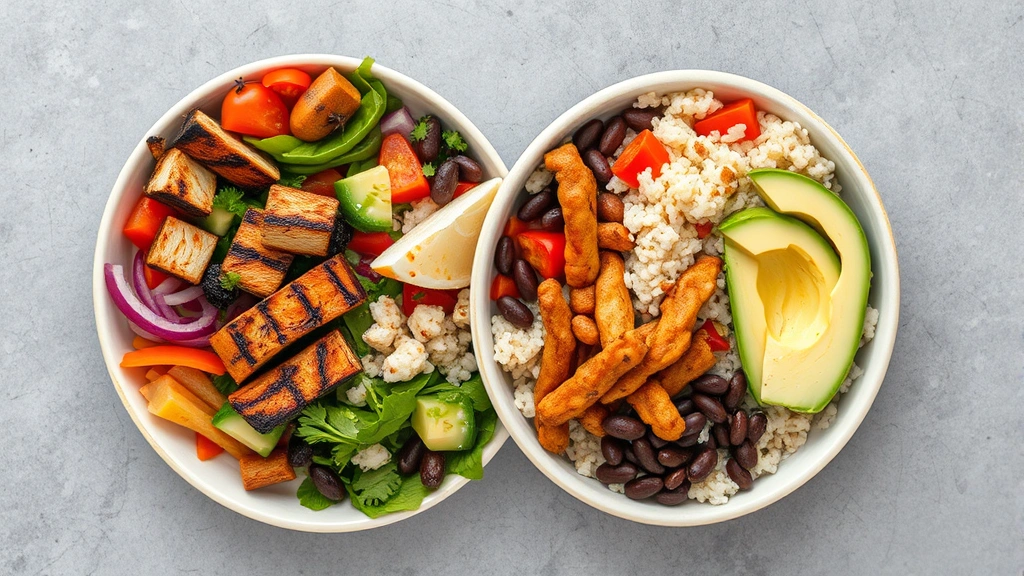
For vegetarian and vegan diners, the calculator clearly identifies plant-based options. Qdoba’s fajita vegetables, black beans, pinto beans, and tofu provide complete protein sources when combined strategically. The calculator removes guesswork regarding whether items contain animal-derived ingredients or were prepared on shared equipment.
Gluten-sensitive individuals benefit from the calculator’s ability to identify naturally gluten-free components. While the restaurant cannot guarantee zero cross-contamination, the tool enables informed decisions about which items carry higher risk. This transparency, combined with staff knowledge, significantly reduces anxiety for celiac disease patients.
The allergen information extends beyond major categories. Sesame, sulfites, and other less common allergens receive notation, addressing the needs of individuals with specialized dietary requirements. This comprehensive approach reflects growing recognition in the food service industry that allergen management represents a non-negotiable health priority.
Dietitian Perspectives on Fast-Casual Nutrition Tools
Registered Dietitian Nutritionists (RDNs) generally view nutrition calculators as valuable components of comprehensive dietary management strategies, though with important caveats. According to research from the Academy of Nutrition and Dietetics, transparent nutritional information in fast-casual settings increases consumers’ ability to make health-aligned choices.
Dietitians appreciate that tools like Qdoba’s calculator democratize nutritional knowledge. Individuals without formal nutrition training can make informed decisions comparable to those working with professional guidance. This accessibility aligns with public health objectives to reduce diet-related chronic diseases through empowered consumer choice.
However, experienced practitioners note important limitations. Nutritional data on calculators represents averages; actual values may vary based on preparation methods, ingredient sourcing, and individual restaurant variations. Additionally, the calculator provides numbers without behavioral context—it cannot address why someone might choose calorie-dense options or provide motivation for sustained healthy eating patterns.
Dietitians also emphasize that numerical tracking, while useful, should not become obsessive. The calculator functions best as an educational tool fostering awareness rather than as a restrictive mechanism promoting disordered eating patterns. For individuals with history of eating disorders, professional guidance becomes essential before using such tools extensively.
The profession recognizes fast-casual establishments as realistic components of modern eating patterns. Rather than promoting complete avoidance, dietitians increasingly help clients navigate these environments successfully using available transparency tools. The Qdoba calculator facilitates this practical, sustainable approach to nutrition management.
Practical Strategies for Healthy Qdoba Ordering
Understanding the nutrition calculator’s data becomes most valuable when applied through strategic ordering decisions. Several evidence-based approaches emerge from dietitian recommendations and nutritional analysis.
Protein-Focused Strategy: Prioritize protein sources as the foundation of your meal. Steak, carnitas, and barbacoa provide approximately 35 grams of protein per serving, supporting satiety and muscle maintenance. Combine with black beans (15 grams protein) for complementary plant-based amino acids. This approach creates meals ranging from 40-55 grams protein, supporting the athletic nutrition requirements of active individuals while promoting sustained fullness.
Vegetable Maximization: The fajita vegetable option—containing peppers, onions, and tomatoes—contributes minimal calories while providing fiber, vitamins, and minerals. Requesting extra vegetables or substituting them for higher-calorie components maintains satiety while reducing overall caloric density. This strategy proves particularly effective for individuals managing weight loss goals.
Healthy Fat Inclusion: Rather than eliminating fats entirely, select nutrient-dense sources strategically. Guacamole provides monounsaturated fats and potassium; cheese contributes calcium and protein. The calculator reveals that a burrito with standard portions of both totals approximately 800 calories—reasonable for many individuals when complemented with appropriate meals throughout the day.
Sodium Awareness: The calculator clearly displays sodium content, typically ranging from 900-1500 milligrams per meal. For individuals managing hypertension or following sodium-restricted diets, this information enables informed decisions. Requesting items without added salt and limiting sodium-heavy toppings like queso and salsa helps manage intake within recommended guidelines.
Beverage Choices: While the calculator focuses on food items, recognizing that beverages significantly impact daily nutrition proves essential. Water, unsweetened tea, or diet beverages prevent hundreds of additional calories from sugary drinks, making your carefully calculated meal far more impactful within daily nutritional targets.
Sodium and Fiber Analysis
Two nutritional components deserve particular attention in fast-casual dining: sodium and dietary fiber. The Qdoba nutrition calculator makes both transparent, enabling strategic dietary management.
Sodium Considerations: Fast-casual restaurants typically prepare food with added salt for flavor and food safety purposes. A typical Qdoba burrito contains 900-1200 milligrams of sodium—representing 39-52% of the recommended daily intake for adults. The calculator allows customers to identify lower-sodium combinations by avoiding salsa, cheese, and processed proteins in favor of simple grilled proteins and fresh vegetables.
For individuals with hypertension or kidney disease, this information proves medically significant. The American Heart Association recommends limiting sodium to 2,300 milligrams daily, making a single restaurant meal represent a substantial portion of daily allowance. Using the calculator to identify lower-sodium options supports long-term health management within real-world eating patterns.
Fiber Optimization: The importance of dietary fiber for your health cannot be overstated, and the Qdoba calculator facilitates fiber-conscious ordering. Black beans (8 grams fiber per serving) and brown rice (4 grams) significantly increase meal fiber content compared to white rice options. Requesting double vegetables further boosts fiber intake.
A strategically ordered Qdoba meal can provide 15-20 grams of fiber, representing 60-80% of the recommended daily intake for adults. This substantially exceeds typical fast-food offerings and supports digestive health, blood sugar regulation, and cardiovascular function. The calculator enables customers to identify high-fiber combinations intuitively, making healthy choices convenient.
Recent research published in the National Center for Biotechnology Information demonstrates that individuals who consume adequate fiber experience better weight management outcomes and reduced chronic disease risk. The Qdoba calculator empowers customers to achieve these fiber targets within their actual eating environments.
FAQ
Is the Qdoba nutrition calculator accurate?
The calculator provides reliable estimates based on standardized portion sizes and ingredient specifications. However, actual nutritional values may vary slightly due to preparation variations, ingredient sourcing differences, and individual restaurant practices. The data should be considered accurate within approximately 5-10% variance—suitable for general decision-making but not precise enough for clinical medical nutrition therapy without professional oversight.
Can I use the Qdoba calculator if I have a food allergy?
Yes, the calculator explicitly identifies major allergens and enables filtering for allergen-free options. However, for serious allergies, consulting directly with restaurant staff remains essential, as cross-contamination risks exist in shared kitchen environments. The calculator enhances safety through transparency but should complement rather than replace verbal communication with food service workers.
What’s the healthiest meal option on Qdoba?
The healthiest option depends on individual nutritional goals, but generally, meals featuring grilled protein, brown rice or fajita vegetables, black beans, and salsa with minimal cheese and sour cream provide excellent nutritional profiles. Using the nutrients pathway blog for broader nutrition information alongside the calculator creates comprehensive dietary awareness. Most registered dietitians recommend targeting 30-40 grams protein, 25+ grams fiber, and moderate sodium when possible.
Does the calculator account for preparation methods?
The calculator reflects standard Qdoba preparation procedures. Modifications like requesting items grilled without oil, sauce on the side, or extra vegetables may alter actual nutritional values. The calculator provides baseline data for standard preparation; special requests may reduce calories or sodium beyond what the tool displays.
How does the Qdoba calculator compare to competitors?
Qdoba’s calculator ranks among the most comprehensive in fast-casual dining, offering ingredient-level customization and real-time updates. Competitors like Chipotle and Panera provide similar transparency, though interface design and data granularity vary. Qdoba’s strength lies in its ability to modify virtually every component while immediately seeing nutritional impact—a flexibility that supports diverse dietary needs effectively.
Can I sync the calculator with fitness apps?
Currently, most Qdoba nutritional data must be entered manually into fitness tracking applications like MyFitnessPal or Cronometer. While this requires extra steps, the precise values the calculator provides enable accurate logging. Some third-party apps may integrate Qdoba data in future updates as the food service industry increasingly prioritizes digital health ecosystem compatibility.
Does the calculator help with weight loss?
The calculator facilitates weight loss by enabling caloric awareness and portion control—two evidence-based weight management strategies. Research demonstrates that individuals who track food intake and nutritional information experience better weight loss outcomes. However, the calculator functions as a tool supporting behavior change, not as a weight loss solution independently. Sustainable weight management requires complementary strategies including physical activity, behavioral modification, and often professional guidance.