
Costco Pizza Slice Nutrition: Dietitian’s Breakdown
Costco’s food court pizza has become an iconic American staple, with the warehouse chain serving millions of slices annually at its famously fixed $1.50 price point. For decades, this affordable convenience has made Costco pizza a go-to lunch option for shoppers, families, and office workers alike. However, understanding the nutritional profile of a Costco pizza slice is essential for anyone making informed dietary choices, whether you’re managing weight, tracking macronutrients, or simply curious about what you’re consuming.
This comprehensive dietitian’s breakdown examines the complete nutritional composition of Costco’s signature cheese pizza slice, explores how it fits into various dietary patterns, and provides practical guidance for enjoying this popular food while maintaining your healthy nutrition plan. Whether you’re a regular Costco shopper or considering it as an occasional treat, this analysis will help you make confident decisions about portion sizes, frequency, and complementary food choices.

Complete Nutritional Breakdown
A single slice of Costco’s cheese pizza (one-eighth of a large pie) contains approximately 680 calories, making it a substantial portion of most people’s daily caloric intake. For context, this represents about 34% of a 2,000-calorie diet, which is the standard reference value used on nutrition labels and by the FDA.
The complete nutritional profile per slice includes:
- Calories: 680
- Total Fat: 36 grams (55% of daily value)
- Saturated Fat: 15 grams (75% of daily value)
- Trans Fat: 0.5 grams
- Cholesterol: 45 milligrams (15% of daily value)
- Sodium: 1,520 milligrams (66% of daily value)
- Total Carbohydrates: 68 grams (25% of daily value)
- Dietary Fiber: 2 grams (8% of daily value)
- Total Sugars: 3 grams
- Protein: 26 grams (52% of daily value)
Understanding these numbers requires context. The protein content is notably high compared to many processed foods, while the saturated fat and sodium levels warrant consideration for those monitoring cardiovascular health. The fiber content is relatively modest, which is typical for refined grain-based products like pizza.
Caloric Content Analysis
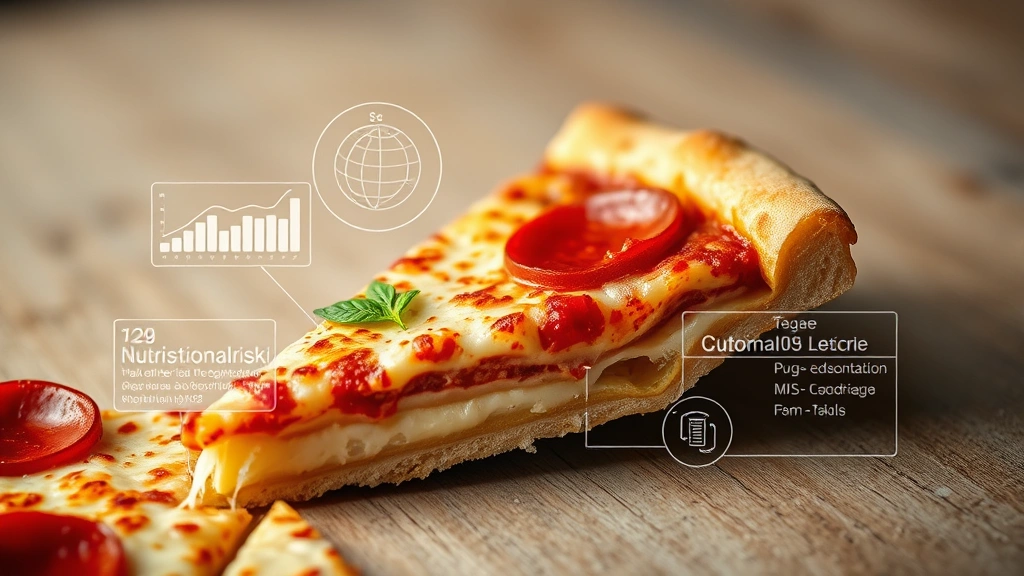
At 680 calories per slice, Costco pizza delivers substantial energy density. This caloric load comes from three primary sources: the crust (carbohydrates), the cheese (fat and protein), and the oil used in preparation. The large format of Costco’s pizza slices—significantly bigger than typical frozen or chain restaurant pizzas—contributes to this higher calorie count.
For athletes and active individuals following nutrition for athletes principles, these calories can serve legitimate purposes in post-workout recovery or fueling intense training sessions. The combination of carbohydrates for glycogen replenishment and protein for muscle repair makes pizza a surprisingly functional post-exercise meal when consumed strategically.
However, for sedentary individuals or those in a caloric deficit for weight management, a single slice represents a significant commitment. Two slices would total 1,360 calories—nearly 68% of a 2,000-calorie daily intake—before accounting for any beverages, sides, or other foods consumed that day.
Macronutrient Profile
Protein Content
The 26 grams of protein per slice is substantial and represents one of pizza’s most valuable nutritional attributes. This protein comes primarily from the cheese topping and to a lesser extent from the crust. For reference, this equals the protein content of approximately 3.5 ounces of chicken breast or one large egg plus Greek yogurt. This protein density helps create satiety, meaning the slice may keep you feeling fuller longer than its calorie count alone would suggest.
Fat Composition
The 36 grams of total fat breaks down into 15 grams of saturated fat, which accounts for 75% of the daily recommended value. This saturated fat primarily comes from the mozzarella cheese and any oil used in dough preparation. While dietary guidelines recommend limiting saturated fat to 5-6% of daily calories (approximately 10-13 grams on a 2,000-calorie diet), occasional consumption of higher-saturated-fat foods like pizza is generally acceptable within an overall balanced dietary pattern.
The fat content does contribute to the pizza’s palatability and satisfaction factor. Fat carries flavor compounds and creates the desired texture, which explains why pizza remains so appealing despite its nutritional density.
Carbohydrate Breakdown
The 68 grams of carbohydrates come almost entirely from the crust, which is made from refined wheat flour. This means the carbohydrates are primarily simple sugars and starches rather than complex carbohydrates with fiber. The modest 2 grams of fiber reinforces that this is a refined grain product. For individuals managing blood sugar or following lower-carbohydrate dietary patterns, this carbohydrate load may require consideration or portion adjustment.
Micronutrients and Minerals
Beyond the macronutrient profile, Costco pizza provides several important micronutrients, though not in exceptional amounts:
Calcium and Bone Health
The cheese topping provides meaningful calcium, with one slice delivering approximately 15-20% of the daily recommended value. For individuals not consuming adequate dairy through other sources, pizza can contribute to daily calcium intake, supporting bone health and muscle function.
Iron and B Vitamins
The enriched wheat flour crust is fortified with iron and B vitamins (thiamine, riboflavin, niacin, and folate) as required by U.S. food regulations. These nutrients support energy metabolism and red blood cell formation. While the amounts are modest, they contribute to overall micronutrient intake.
Selenium and Phosphorus
The cheese provides selenium, a mineral crucial for thyroid function and antioxidant protection, and phosphorus, which works with calcium for bone health. These minerals are often overlooked in nutritional discussions but play important biochemical roles.
Sodium and Health Implications
The 1,520 milligrams of sodium per slice represents perhaps the most significant nutritional concern. This single slice provides 66% of the FDA’s recommended daily sodium limit of 2,300 milligrams. The American Heart Association recommends even lower intake (1,500 milligrams daily for optimal cardiovascular health).
For individuals managing hypertension, following a DASH diet, or with salt sensitivity, consuming a Costco pizza slice requires careful consideration of sodium intake from other meals that day. Pairing the pizza with low-sodium beverages and vegetable-based sides can help balance overall sodium consumption.
The high sodium content serves functional purposes in the pizza formulation—enhancing flavor, preserving shelf stability, and improving dough development. However, it’s worth noting that this sodium level reflects typical commercial pizza production practices rather than any unusual formulation by Costco.
Comparison with Competitors
Understanding how Costco pizza compares to alternative options provides valuable perspective:
- Domino’s Large Cheese Pizza (per slice): 570 calories, 25g fat, 1,480mg sodium, 23g protein
- Pizza Hut Large Hand-Tossed (per slice): 510 calories, 21g fat, 1,160mg sodium, 19g protein
- DiGiorno Frozen Cheese Pizza (per slice): 360 calories, 16g fat, 720mg sodium, 14g protein
- Homemade Pizza (typical): 300-450 calories, 12-18g fat, 400-800mg sodium, 12-16g protein
Costco’s pizza is higher in calories and sodium than most competitors, primarily due to its larger slice size. However, the protein-to-calorie ratio is competitive, and the price-to-value proposition remains unmatched in the commercial pizza market. For those seeking lower-calorie alternatives, frozen options or homemade pizza provide options, though convenience is sacrificed.
Integration into Dietary Goals
Weight Management
For individuals in a caloric deficit, Costco pizza can fit into a weight loss plan, but requires intentionality. Consuming a single slice (680 calories) with a large salad or vegetable-based side creates a satisfying meal within reasonable caloric bounds. The key is avoiding the tendency to consume multiple slices, which can quickly consume 1,500+ calories.
Muscle Building and Athletic Performance
The 26 grams of protein per slice makes Costco pizza valuable for muscle recovery and building. When consumed post-workout, the combination of protein and carbohydrates supports glycogen repletion and muscle protein synthesis. Athletes following nutrition pathway guidance can strategically incorporate pizza into their fueling plans.
Balanced Nutrition and Whole Foods
Within a healthy nutrition plan, occasional pizza consumption is compatible with overall wellness goals. The strategy is complementing the pizza with nutrient-dense foods: pairing it with a substantial salad rich in leafy greens, vegetables, and nutrition facts about avocados or other healthy fats, and consuming adequate dietary fiber for your health from other sources throughout the day.
Cardiovascular Health Considerations
The saturated fat and sodium content warrant attention for those with cardiovascular concerns. Rather than complete avoidance, moderation and strategic pairing work well. Consuming one slice occasionally (perhaps monthly) rather than weekly, and balancing with heart-healthy foods like omega-3 rich fish, whole grains, and abundant vegetables, allows pizza enjoyment within cardiovascular health frameworks.
Practical Eating Strategies
Portion Control Approaches
Psychology research on portion control suggests several effective strategies: eating one slice rather than multiple, using a plate rather than eating from the box, drinking water before and during consumption, and setting a predetermined limit before eating. These behavioral tactics help prevent mindless consumption of additional slices.
Strategic Meal Planning
Consuming Costco pizza as the protein-carb component of a meal, rather than the entire meal, optimizes nutritional balance. Pair one slice with a substantial vegetable-based side (roasted vegetables, large salad, vegetable soup) to increase satiety and nutrient density without proportionally increasing calories.
Timing and Activity Level
Consuming pizza when you have planned activity—either before or after exercise—aligns with your energy needs. Post-workout consumption capitalizes on the muscle-building protein and carbohydrates for glycogen repletion. This timing strategy allows pizza enjoyment while serving legitimate physiological functions.
Frequency Recommendations
For most people following general wellness guidelines, consuming Costco pizza once or twice monthly presents minimal nutritional concern when the rest of the diet emphasizes whole foods, adequate vegetables, and appropriate caloric balance. Those with specific health conditions (hypertension, diabetes, high cholesterol) should discuss frequency with their healthcare provider.
Customization Options
While Costco’s food court menu is limited, some customization is possible. Requesting less cheese, though unconventional, reduces fat and calories. Some Costco locations offer vegetable-topped pizza options, which increase fiber and micronutrient content while reducing caloric density compared to cheese-only slices.
FAQ
How many calories are in a Costco pizza slice?
A single slice of Costco cheese pizza contains approximately 680 calories, representing about one-third of a standard 2,000-calorie daily diet. This calorie count reflects the large size of Costco’s slices compared to typical commercial pizza.
Is Costco pizza healthy?
Costco pizza is neither inherently healthy nor unhealthy—it’s a processed food that can fit into a balanced diet when consumed strategically. The high protein content (26g) and reasonable price-to-value ratio are positives, while the high sodium (1,520mg) and saturated fat (15g) warrant moderation. Occasional consumption paired with nutrient-dense foods is compatible with wellness goals.
How much sodium is in Costco pizza?
One slice contains 1,520 milligrams of sodium, representing 66% of the FDA’s 2,300mg daily recommendation. For those managing hypertension or following sodium-restricted diets, this represents a significant portion of daily sodium intake and requires consideration.
Can I eat Costco pizza on a diet?
Yes, Costco pizza can fit into weight loss plans when consumed intentionally. A single slice (680 calories) paired with a large salad or vegetable-based side creates a satisfying meal within reasonable caloric bounds. The key is limiting consumption to one slice and avoiding additional slices or high-calorie beverages.
How does Costco pizza compare nutritionally to other pizzas?
Costco pizza is higher in calories and sodium than most competitors due to its larger slice size. However, the protein-to-calorie ratio is competitive. Frozen pizzas offer fewer calories but less convenience, while homemade pizza allows greater control over ingredients and sodium content.
What’s the protein content in Costco pizza?
Each slice provides 26 grams of protein, derived primarily from mozzarella cheese and secondarily from the enriched wheat crust. This protein content is substantial and comparable to animal-based protein sources, making pizza surprisingly effective for muscle recovery when timed post-workout.
Is the saturated fat in Costco pizza concerning?
The 15 grams of saturated fat per slice (75% of daily value) is elevated but not unusual for cheese-based foods. For cardiovascular health, occasional consumption (monthly or less frequently) paired with a heart-healthy overall diet pattern is generally acceptable. Those with specific cardiovascular concerns should discuss frequency with their healthcare provider.
Can athletes eat Costco pizza?
Yes, athletes can strategically incorporate Costco pizza into their nutrition plans. The combination of 26g protein and 68g carbohydrates makes it valuable for post-workout recovery. Consuming one or two slices after intense training supports glycogen repletion and muscle protein synthesis, aligning with athletic nutrition principles.


