Gala Apple Nutrition Facts: Comprehensive Health Benefits Guide
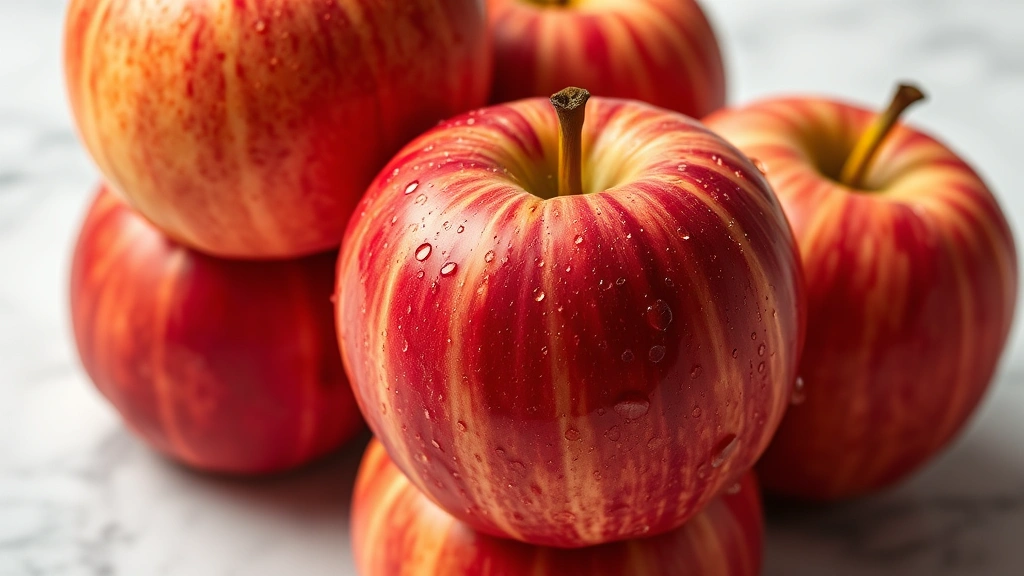
Gala apples stand among the most popular apple varieties worldwide, beloved for their crisp texture, sweet flavor, and impressive nutritional profile. These medium-sized apples with their distinctive red-orange striped appearance deliver substantial health benefits that extend far beyond their delicious taste. Understanding the nutrition facts of gala apples helps consumers make informed dietary choices and maximize the wellness advantages these fruits offer.
Whether you’re incorporating gala apples into a healthy nutrition plan or simply seeking to enhance your daily fruit intake, knowing the specific nutritional content empowers better health decisions. This comprehensive guide explores everything from caloric content to micronutrient density, disease prevention properties, and practical consumption recommendations.
Complete Nutritional Breakdown of Gala Apples
A medium-sized gala apple (approximately 182 grams) provides a well-balanced nutritional foundation that supports multiple aspects of human health. The fruit contains no cholesterol, minimal sodium, and delivers essential nutrients in easily digestible form. Gala apples represent one of nature’s most efficient nutrient delivery systems, packing substantial health value into a naturally sweet package that requires minimal preparation.
The nutritional composition reflects the apple’s development in temperate climates, where seasonal variations produce fruits rich in protective compounds and energy-dense carbohydrates. Unlike processed foods requiring extensive ingredient lists, gala apples offer transparent, whole-food nutrition that your body recognizes and metabolizes efficiently.
When comparing gala apples to similar fruits, their nutritional density becomes apparent. The balance between simple and complex carbohydrates, combined with fiber content, creates a food that provides sustained energy without dramatic blood sugar spikes. This characteristic makes gala apples particularly valuable for individuals managing metabolic health or seeking stable energy throughout the day.
Caloric Content and Macronutrient Profile
A medium gala apple contains approximately 95 calories, making it an excellent choice for calorie-conscious individuals without sacrificing nutritional value. The caloric content comes primarily from carbohydrates, which constitute roughly 25 grams per medium fruit. This macronutrient distribution provides quick and sustained energy for physical activity and cognitive function.
The carbohydrate composition includes both simple sugars (approximately 19 grams) and complex carbohydrates in the form of dietary fiber. Natural fruit sugars in gala apples—primarily fructose and glucose—provide sweetness while triggering minimal insulin response compared to refined sugars. This distinction proves crucial for understanding why whole fruits differ nutritionally from processed fruit products or juices.
Protein content in gala apples remains minimal at approximately 0.5 grams, which is typical for fruits. However, this doesn’t diminish their value in a comprehensive nutrition strategy. Gala apples work synergistically with protein-rich foods, enhancing nutrient absorption and providing complementary micronutrients that support muscle function and recovery.
Fat content is negligible at less than 0.3 grams, with virtually no saturated fat present. This fat profile aligns perfectly with heart-healthy dietary recommendations while supporting the absorption of fat-soluble vitamins from other food sources consumed alongside gala apples.
Vitamin and Mineral Content
Gala apples deliver meaningful quantities of essential vitamins, particularly vitamin C, which supports immune function, collagen synthesis, and antioxidant defense. A medium gala apple provides approximately 8-10% of the daily recommended vitamin C intake, contributing meaningfully to cumulative daily intake when consumed regularly.
The mineral profile includes potassium, an electrolyte critical for cardiovascular function, muscle contraction, and blood pressure regulation. One medium gala apple contains roughly 195 milligrams of potassium, representing approximately 4-5% of the adequate intake recommendation. Regular consumption of potassium-rich fruits like gala apples supports healthy blood pressure maintenance and reduces cardiovascular disease risk.
Trace minerals present in gala apples include manganese, copper, and iron. While individual quantities remain modest, the cumulative mineral contribution supports enzymatic function, collagen formation, and oxygen transport. These minerals work synergistically with vitamins present in the fruit, enhancing bioavailability and metabolic utilization.
B-complex vitamins appear in small quantities, including B6 and pantothenic acid. Though not abundant sources of B vitamins compared to whole grains or legumes, gala apples contribute to overall B-vitamin intake, particularly when incorporated into balanced dietary patterns. The presence of these vitamins supports energy metabolism and cognitive function.
Dietary Fiber Benefits and Digestive Health
Dietary fiber represents one of gala apple’s most valuable nutritional components, with approximately 4.4 grams per medium fruit. This fiber content places gala apples among fruits’ most fiber-dense options, providing roughly 17% of the daily recommended intake in a single serving. Understanding the importance of dietary fiber reveals why this component deserves particular attention.
The fiber in gala apples exists in two forms: soluble and insoluble. Soluble fiber, particularly pectin, dissolves in water and forms a gel-like substance in the digestive tract. This type of fiber slows gastric emptying, promotes satiety, and feeds beneficial gut bacteria, contributing to digestive health and metabolic function. Pectin specifically has demonstrated effectiveness in cholesterol reduction and blood sugar stabilization.
Insoluble fiber provides bulk to digestive contents, promoting regular bowel movements and preventing constipation. This fiber type supports healthy colonic microbiota and reduces transit time, potentially lowering colorectal cancer risk. The combination of soluble and insoluble fiber in gala apples creates comprehensive digestive support that extends beyond simple bowel regularity.
Regular gala apple consumption promotes the development of beneficial gut bacteria populations, which produce short-chain fatty acids supporting intestinal barrier integrity and systemic health. These microbial metabolites influence immune function, mood regulation, and metabolic health through mechanisms scientists continue actively researching.
Antioxidants and Disease Prevention
Gala apples contain substantial quantities of polyphenolic compounds, plant-based antioxidants that protect cells from oxidative stress and free radical damage. These compounds include quercetin, catechin, and chlorogenic acid—molecules with demonstrated anti-inflammatory and disease-preventive properties in scientific research.
Quercetin stands as the predominant flavonoid in gala apples, accounting for the majority of antioxidant activity. Research published in peer-reviewed journals indicates quercetin reduces inflammatory markers, supports cardiovascular health, and may offer neuroprotective benefits. The concentration of quercetin varies slightly depending on growing conditions, harvest timing, and storage duration.
The antioxidant capacity of gala apples helps neutralize reactive oxygen species that accumulate through normal metabolism and environmental exposure. By reducing oxidative stress, these compounds lower inflammation throughout the body, potentially reducing chronic disease risk including heart disease, type 2 diabetes, and certain cancers.
Polyphenols in gala apples demonstrate particular effectiveness against oxidative damage in cardiovascular tissue. Studies suggest regular apple consumption correlates with improved endothelial function, reduced arterial stiffness, and lower cardiovascular mortality rates. These benefits accumulate over time with consistent consumption, making gala apples valuable components of long-term disease prevention strategies.
Weight Management and Metabolic Health
The combination of fiber, water content, and natural sweetness makes gala apples exceptional tools for weight management. The fruit’s high water content (approximately 86%) provides volume and satiety with minimal caloric density. Consuming a gala apple delivers satisfaction and fullness with just 95 calories, making it an ideal snack for individuals managing body weight.
Fiber in gala apples slows digestion and absorption, extending satiety duration and reducing subsequent caloric intake. Studies demonstrate that consuming whole fruits, particularly those rich in fiber like gala apples, correlates with lower body weights and reduced obesity risk compared to fruit juice or processed alternatives. The mechanical action of chewing whole fruit also triggers satiety signals more effectively than liquid consumption.
The natural sweetness in gala apples satisfies cravings for sweet foods without triggering the insulin spikes associated with refined sugars or artificial sweeteners. This characteristic proves particularly valuable for individuals managing metabolic syndrome or prediabetic conditions. Regular gala apple consumption can reduce desire for energy-dense, nutrient-poor snacks that undermine weight management goals.
Metabolic rate benefits from gala apple consumption as well. The thermic effect of food—energy required for digestion and nutrient absorption—is higher for whole fruits than processed alternatives. Additionally, compounds in gala apples may support healthy mitochondrial function, the cellular powerhouses responsible for energy production and metabolic efficiency.
Heart Health and Cardiovascular Benefits
Cardiovascular disease prevention represents one of gala apples’ most extensively researched health benefits. The fruit’s polyphenols, fiber, and potassium content work synergistically to support heart health through multiple mechanisms. Population studies consistently demonstrate that individuals consuming apples regularly experience lower cardiovascular disease mortality rates.
Cholesterol reduction occurs through multiple pathways when consuming gala apples regularly. The soluble fiber pectin binds cholesterol in the digestive tract, promoting elimination before absorption. Polyphenols in gala apples reduce cholesterol synthesis and oxidation, both processes contributing to atherosclerotic plaque formation. Research indicates consumption of one to two apples daily can reduce LDL cholesterol by 10-20%.
Blood pressure regulation benefits from the potassium content and polyphenols in gala apples. Potassium promotes sodium excretion and supports vasodilation, mechanisms that lower blood pressure. Quercetin and other flavonoids reduce arterial stiffness and improve endothelial function, the cellular lining of blood vessels responsible for healthy blood flow regulation.
Inflammation reduction through gala apple consumption protects cardiovascular tissue from damage. Chronic inflammation drives atherosclerosis progression and increases heart attack and stroke risk. The polyphenols in gala apples suppress inflammatory pathways, reducing systemic inflammation markers that predict cardiovascular events. This anti-inflammatory effect extends to other tissues, supporting overall health maintenance.
Blood Sugar Control and Glycemic Impact
Despite containing natural sugars, gala apples have a low glycemic index (GI) of approximately 39-42, meaning they produce minimal blood sugar elevation compared to refined carbohydrates. This favorable glycemic profile results from the fiber content, which slows sugar absorption, and compounds that inhibit digestive enzymes responsible for carbohydrate breakdown.
The fructose content in gala apples doesn’t trigger the same insulin response as glucose or sucrose. Additionally, the natural sugars in whole fruit exist within a matrix of fiber, water, and plant compounds that moderate absorption rates. This differs fundamentally from fruit juices, where fiber removal accelerates sugar absorption and glycemic impact.
Regular gala apple consumption improves insulin sensitivity, the capacity of cells to respond appropriately to insulin signaling. Enhanced insulin sensitivity reduces the risk of developing type 2 diabetes and supports healthy glucose metabolism. Research participants consuming apples daily demonstrated improved fasting glucose levels and reduced diabetes incidence compared to control groups.
Polyphenols in gala apples inhibit alpha-glucosidase and alpha-amylase enzymes responsible for carbohydrate digestion. This enzyme inhibition slows glucose absorption, preventing rapid blood sugar spikes. The combination of enzyme inhibition and fiber effects creates a powerful tool for blood sugar management in both diabetic and non-diabetic populations.
Recommended Daily Intake Guidelines
Nutritional authorities recommend consuming 1.5 to 2 cups of fruit daily for adults, equivalent to approximately 1-2 medium apples. Gala apples represent an excellent choice for meeting these recommendations due to their nutrient density and health benefits. One medium gala apple satisfies a substantial portion of daily fruit intake recommendations while delivering meaningful nutrition.
Individuals with specific health conditions may benefit from adjusted consumption patterns. Those managing blood sugar should maintain consistent daily intake to establish stable glucose patterns. Individuals with digestive sensitivities may need to introduce gala apples gradually, allowing digestive systems to adapt to increased fiber intake. Those on certain medications should verify no interactions exist with apple consumption, though interactions remain rare.
The timing of gala apple consumption influences health outcomes. Consuming gala apples as part of balanced meals with protein and healthy fats optimizes nutrient absorption and minimizes blood sugar impact. Whole gala apples provide greater satiety than applesauce or juice, making them preferable for weight management goals.
Storage duration affects nutritional content, with freshly harvested gala apples containing higher polyphenol concentrations than long-stored fruit. However, even refrigerated gala apples maintain substantial nutritional value for several weeks. Proper storage in cool conditions preserves nutrients and extends shelf life, making gala apples convenient for consistent dietary inclusion.
FAQ
How many calories are in a gala apple?
A medium gala apple (approximately 182 grams) contains about 95 calories, making it a low-calorie food option suitable for weight management and balanced nutrition plans.
Do gala apples help with weight loss?
Yes, gala apples support weight management through high fiber and water content that promotes satiety, natural sweetness that reduces cravings, and a low caloric density that allows consumption without excessive calorie intake.
Are gala apples good for diabetics?
Gala apples have a low glycemic index and contain compounds that slow sugar absorption, making them suitable for diabetic individuals when consumed as whole fruit in appropriate portions as part of balanced meals.
What vitamins do gala apples contain?
Gala apples contain vitamin C, B-complex vitamins including B6 and pantothenic acid, and trace minerals including potassium, manganese, and copper supporting various metabolic functions.
How much fiber is in a gala apple?
A medium gala apple provides approximately 4.4 grams of dietary fiber, representing about 17% of daily recommended intake, with both soluble pectin and insoluble fiber components.
Can eating gala apples reduce cholesterol?
Regular gala apple consumption can reduce LDL cholesterol by 10-20% through soluble fiber binding and polyphenol effects on cholesterol synthesis and oxidation.
What antioxidants are in gala apples?
Gala apples contain quercetin, catechin, and chlorogenic acid—polyphenolic compounds with demonstrated anti-inflammatory and disease-preventive properties.
Should gala apples be eaten with skin?
Yes, the skin contains the highest concentration of polyphenols and fiber, so consuming whole gala apples with skin intact maximizes nutritional benefits and health value.


