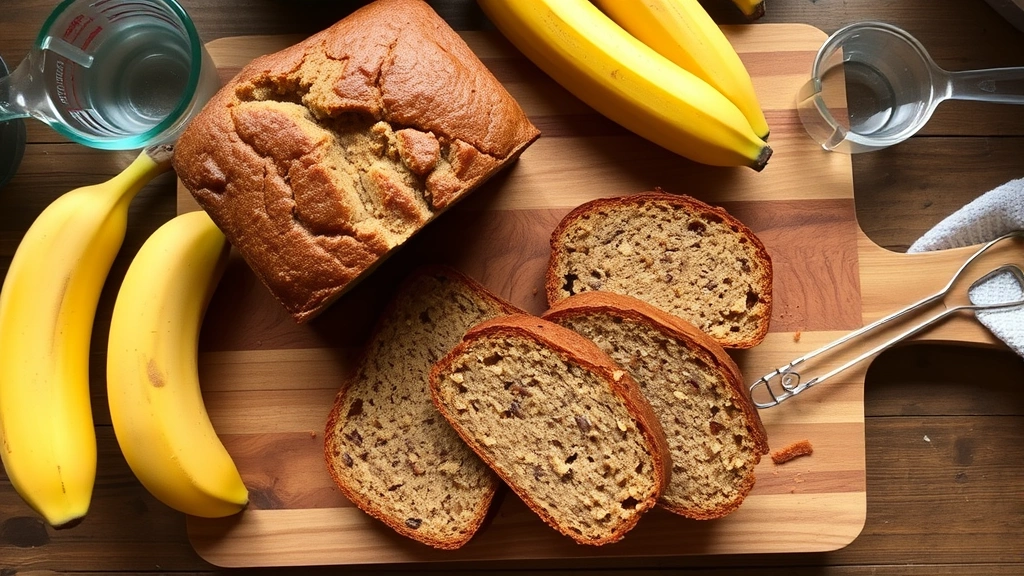
Banana Bread Nutrients? Dietitian Breakdown
Banana bread remains one of America’s most beloved comfort foods, gracing kitchen countertops and bakery shelves across the nation. Yet beneath its warm, inviting aroma and soft crumb lies a nutritional profile that deserves careful examination. As a dietitian-reviewed resource, we’re breaking down exactly what you’re consuming when you indulge in this classic treat, helping you make informed decisions about portion sizes, frequency, and how banana bread fits into your overall dietary goals.
Whether you’re a health-conscious consumer wondering if banana bread can fit into a balanced diet, or someone simply curious about the nutritional breakdown of your favorite snack, this comprehensive guide examines the macronutrients, micronutrients, and hidden ingredients that define banana bread’s nutritional landscape. Understanding these components allows you to enjoy banana bread mindfully rather than with guilt.
Macronutrient Profile of Banana Bread
A standard slice of banana bread (approximately 60-80 grams) typically contains a macronutrient distribution that reflects its primary ingredients: flour, sugar, eggs, and oil or butter. The carbohydrate content dominates, usually accounting for 35-45 grams per slice, making banana bread primarily a carbohydrate-rich food. This carbohydrate contribution comes from both the refined flour base and the added sugars, creating what nutritionists call a “refined carbohydrate” profile rather than a complex carbohydrate one.
Protein content in banana bread ranges from 3-5 grams per slice, contributed mainly by eggs and flour. While this isn’t substantial, it provides some amino acid contribution to your daily intake. The fat content typically falls between 8-14 grams per slice, depending on whether the recipe uses oil, butter, or a combination thereof. These fats are often saturated or partially saturated, particularly in traditional recipes using butter.
The banana itself contributes potassium, vitamin B6, and vitamin C, though these micronutrient benefits are often overshadowed by the refined carbohydrates and added sugars that comprise the majority of the bread’s composition. Understanding these macronutrient ratios helps explain why dietitians recommend viewing banana bread as an occasional treat rather than a dietary staple.
Calorie Content and Serving Sizes
The calorie density of banana bread represents one of its most significant nutritional considerations. A typical slice (60-80g) contains between 200-320 calories, making it a relatively calorie-dense food. A standard loaf recipe yields 8-10 slices, meaning an entire loaf contains 1,600-3,200 calories. This concentration of calories in a small volume explains why portion control becomes critical when incorporating banana bread into a balanced nutrition plan.
Commercial banana bread varieties often exceed homemade versions in caloric content, particularly when manufacturers add extra oils, chocolate chips, or glazes. A single slice from a coffee shop or bakery might contain 350-450 calories, substantially more than the basic recipe version. This discrepancy underscores why understanding serving sizes matters—what you perceive as a single serving might represent 1.5 or even 2 servings according to nutritional labeling standards.
For context, a 200-calorie slice represents 10% of a 2,000-calorie daily diet, a reasonable proportion for a snack. However, consuming multiple slices or larger portions quickly accumulates calories without providing significant satiety benefits, as banana bread’s refined carbohydrate structure doesn’t promote lasting fullness compared to whole grain alternatives.
Sugar Content Analysis
Sugar represents banana bread’s most controversial nutritional component. A typical slice contains 15-25 grams of added sugar, depending on recipe and portion size. This added sugar comes from granulated sugar, brown sugar, or sometimes honey incorporated into the batter, separate from the natural sugars already present in bananas (approximately 3-4 grams per medium banana). The American Heart Association recommends limiting added sugars to 25 grams daily for women and 36 grams for men, meaning a single slice of banana bread can consume a significant portion of these daily recommendations.
Store-bought varieties frequently contain even higher sugar concentrations, sometimes reaching 30+ grams per slice, particularly those marketed as “premium” or containing additional mix-ins. Some commercial banana bread products include refined sugars, high fructose corn syrup, or other sweetening agents that increase the glycemic load substantially.
This high sugar content triggers rapid blood glucose elevation, followed by insulin response and subsequent energy crashes—the familiar pattern of a “sugar rush” followed by fatigue and renewed cravings. For individuals managing diabetes, prediabetes, or metabolic syndrome, standard banana bread presents particular challenges due to this refined sugar load combined with refined carbohydrates.
Fiber and Digestive Health
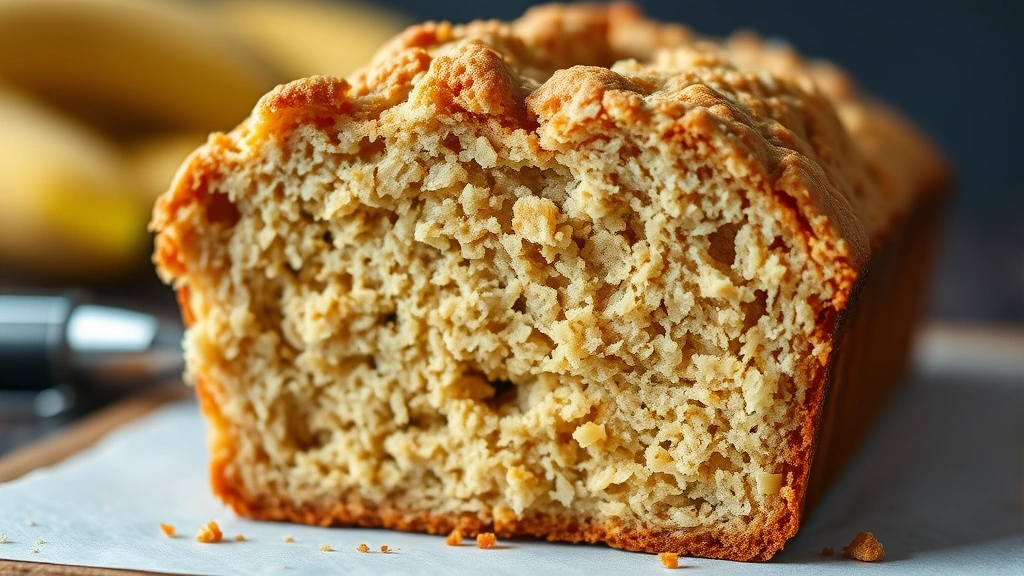
Dietary fiber content in banana bread typically ranges from 1-3 grams per slice, a relatively modest amount considering the overall carbohydrate content. This low fiber-to-carbohydrate ratio reflects the use of refined all-purpose flour rather than whole grain alternatives. The bananas do contribute some fiber—approximately 2-3 grams per medium banana—but this gets diluted throughout the entire loaf.
When you examine the fiber content in context of the importance of dietary fiber for your health, banana bread falls short of providing meaningful digestive support. The recommended daily fiber intake is 25-35 grams, and a slice of banana bread provides less than 10% of this target. More problematically, the high simple carbohydrate and sugar content can actually impair digestive health by feeding harmful bacteria and promoting inflammation when consumed regularly.
Homemade versions using whole wheat flour, oat flour, or adding ground flaxseed can significantly improve the fiber profile, potentially reaching 4-5 grams per slice. These modifications transform banana bread from a purely indulgent treat into a food with modest nutritional benefit, though it still wouldn’t qualify as a high-fiber food.
Micronutrients in Banana Bread
Beyond macronutrients, banana bread provides several micronutrients worth noting. The banana ingredient contributes potassium, an essential mineral for heart health and blood pressure regulation, with a medium banana providing approximately 420 milligrams. A slice of banana bread might contain 100-150 milligrams of potassium depending on banana quantity.
Bananas also provide vitamin B6 (pyridoxine), crucial for brain development and immune function, along with vitamin C and manganese. However, the overall micronutrient density remains modest when distributed across the calorie-dense bread matrix. You’d receive far more concentrated potassium and vitamins by eating a banana directly—one medium banana provides the same potassium as several slices of banana bread with a fraction of the calories and sugar.
The flour component contributes small amounts of iron, niacin, and thiamine, particularly in enriched varieties where B vitamins are added. Eggs contribute choline, lutein, and zeaxanthin—compounds supporting cognitive function and eye health. Yet again, these micronutrient contributions don’t substantially compensate for the refined carbohydrate and sugar burden.
Some commercial banana bread varieties are fortified with additional vitamins and minerals, which can improve the micronutrient profile somewhat, though this doesn’t address the fundamental sugar and refined carbohydrate concerns.
Healthier Preparation Methods
Creating a more nutritionally balanced banana bread requires strategic ingredient modifications. Substituting at least 50% of all-purpose flour with whole wheat flour, almond flour, or oat flour substantially increases fiber content and micronutrient density. Whole wheat flour adds 2-3 additional grams of fiber per slice while maintaining acceptable texture and moisture.
Reducing added sugar by 25-30% (achieved through increased banana ripeness for natural sweetness and sometimes adding a small amount of honey or maple syrup) decreases the glycemic impact without eliminating the dessert quality. Ripe bananas with significant browning provide natural sweetness that reduces the need for added sugars.
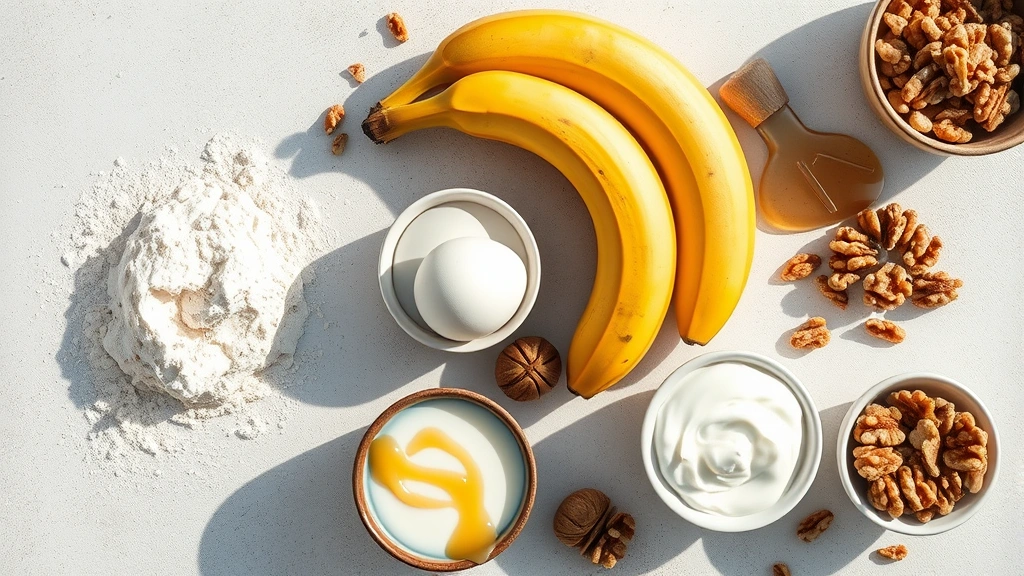
Incorporating protein sources for nutritional enhancement, such as Greek yogurt or protein powder, increases satiety and slows carbohydrate absorption. Adding nuts like walnuts or almonds provides healthy fats, additional fiber, and micronutrients including vitamin E and magnesium. Ground flaxseed or chia seeds contribute omega-3 fatty acids and additional fiber.
Using oil instead of butter provides a healthier fat profile, particularly when using heart-healthy options like coconut oil or olive oil, though the total fat content remains substantial. These modifications don’t transform banana bread into a health food, but they create a significantly more balanced version suitable for more frequent enjoyment.
Comparing Store-Bought vs Homemade
The nutritional differences between commercial and homemade banana bread can be substantial. Store-bought varieties often contain preservatives, additional sugars, and oils designed to extend shelf life and enhance appeal. A commercial banana bread slice frequently contains 40-50% more calories and 20-30% more sugar than homemade versions made with standard recipes.
Many commercial producers add mono- and diglycerides, polysorbate 60, or other emulsifiers to improve texture and shelf stability. While these additives are generally recognized as safe, they represent unnecessary chemical additions absent from homemade versions. Some brands use refined vegetable oils high in omega-6 polyunsaturated fats, which some research suggests may promote inflammation when consumed in excess.
Homemade banana bread allows complete control over ingredients, enabling the nutritional modifications discussed previously. You can verify exact sugar content, choose specific flour types, and adjust portion sizes according to your needs. The trade-off involves time investment and the reality that homemade versions still contain significant calories and sugar unless deliberately modified.
Reading nutrition labels on commercial products reveals surprising variations—premium bakery brands sometimes offer better nutritional profiles than mass-produced supermarket versions, though at higher price points. Understanding these differences helps you make intentional choices aligned with your nutritional goals.
Incorporating Banana Bread Into a Balanced Diet
Rather than viewing banana bread as forbidden or guilt-inducing, a balanced approach recognizes it as an occasional indulgence that fits within overall dietary patterns. A person consuming banana bread once weekly or biweekly can easily accommodate this within a nutritionally sound diet, particularly when the remainder of daily intake emphasizes whole foods, vegetables, lean proteins, and whole grains.
Pairing banana bread with protein sources—such as Greek yogurt, cheese, or nuts—slows carbohydrate absorption and improves satiety. This combination prevents the blood sugar spike-and-crash cycle that typically follows banana bread consumption alone. Consuming banana bread earlier in the day rather than evening allows more opportunity for calorie burn and prevents sleep disruption from rapid glucose fluctuations.
For individuals managing specific health conditions, banana bread requires more careful consideration. Those with diabetes should consult healthcare providers about appropriate frequency and portion sizes. People following ketogenic diets should avoid banana bread entirely due to high carbohydrate content. Individuals with weight management goals should account for banana bread’s calorie density within daily totals rather than consuming it “freely.”
Exploring how nutrition impacts overall wellness reveals that occasional indulgences don’t derail health when the overall dietary pattern remains sound. Restrictive approaches that eliminate all treats often prove unsustainable, whereas flexible moderation supports long-term adherence to nutritional goals.
Understanding banana bread’s nutritional reality—recognizing both its pleasurable qualities and legitimate nutritional concerns—enables conscious, guilt-free enjoyment. Whether you choose traditional versions or explore healthier modifications, informed decisions about frequency and portion size matter far more than complete avoidance.
For additional nutritional guidance on various foods, explore our nutritional analysis of other popular dishes and visit our nutrients pathway blog for comprehensive dietary information.
FAQ
Is banana bread healthy?
Banana bread contains beneficial nutrients from bananas but is primarily composed of refined carbohydrates and added sugars. It’s best viewed as an occasional treat rather than a health food. Homemade versions with whole grain flour and reduced sugar offer improved nutritional profiles compared to commercial varieties.
How much sugar is in banana bread?
A typical slice contains 15-25 grams of added sugar, which can represent 40-100% of recommended daily added sugar limits depending on age and sex. Commercial varieties often exceed these amounts significantly.
Can I eat banana bread on a diet?
Yes, but portion control is essential. A single slice consumed occasionally as part of a balanced diet won’t prevent weight loss. However, regular consumption of multiple slices could impede progress due to calorie and sugar density.
What’s the calorie count for banana bread?
A standard slice (60-80g) contains 200-320 calories, while commercial versions may reach 350-450 calories. An entire homemade loaf typically contains 1,600-3,200 calories depending on recipe and portion size.
How can I make healthier banana bread?
Use whole grain flours, reduce added sugar by 25-30%, incorporate protein sources like Greek yogurt, add nuts for healthy fats and fiber, and include seeds like flaxseed or chia. These modifications improve nutritional value while maintaining enjoyable taste and texture.
Is store-bought banana bread worse than homemade?
Commercial banana bread typically contains more calories, sugar, and additives than homemade versions. However, some premium bakery brands offer better nutritional profiles than mass-produced supermarket options. Reading labels helps identify better choices.
Does banana bread contain fiber?
Standard banana bread provides only 1-3 grams of fiber per slice, well below meaningful amounts. Whole grain versions can reach 4-5 grams per slice, though this remains modest relative to total carbohydrate content.


