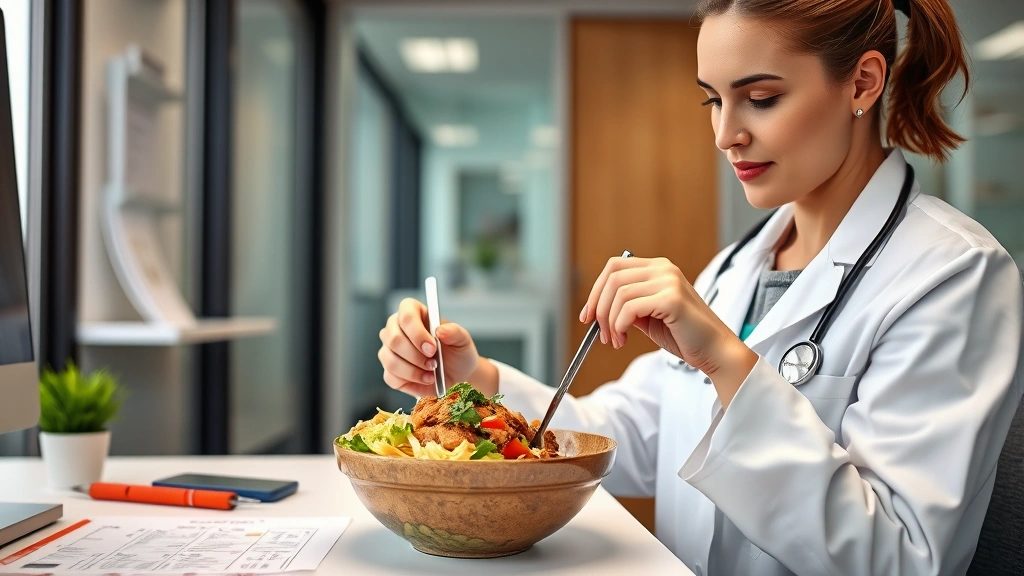
Chipotle Chicken Bowl: Dietitian’s Nutrient Breakdown
The Chipotle chicken bowl has become a staple for health-conscious diners seeking quick, customizable meals. But what exactly are you consuming when you order this popular fast-casual option? A comprehensive nutrient breakdown reveals the nutritional profile extends far beyond simple calories, encompassing macronutrients, micronutrients, sodium content, and ingredient quality that warrant careful examination. This analysis examines the complete nutritional picture through a dietitian’s lens, helping you make informed choices about this widely-consumed meal.
Understanding the nutritional value of Chipotle chicken bowls is essential for anyone tracking their diet, managing health conditions, or optimizing athletic performance. The bowl’s composition—from protein sources to rice varieties to toppings—significantly impacts its overall nutritional value. Whether you’re a fitness enthusiast, someone managing weight, or simply curious about what you’re eating, this detailed breakdown provides actionable insights for customizing your order to align with your nutritional goals.
Base Components and Caloric Foundation
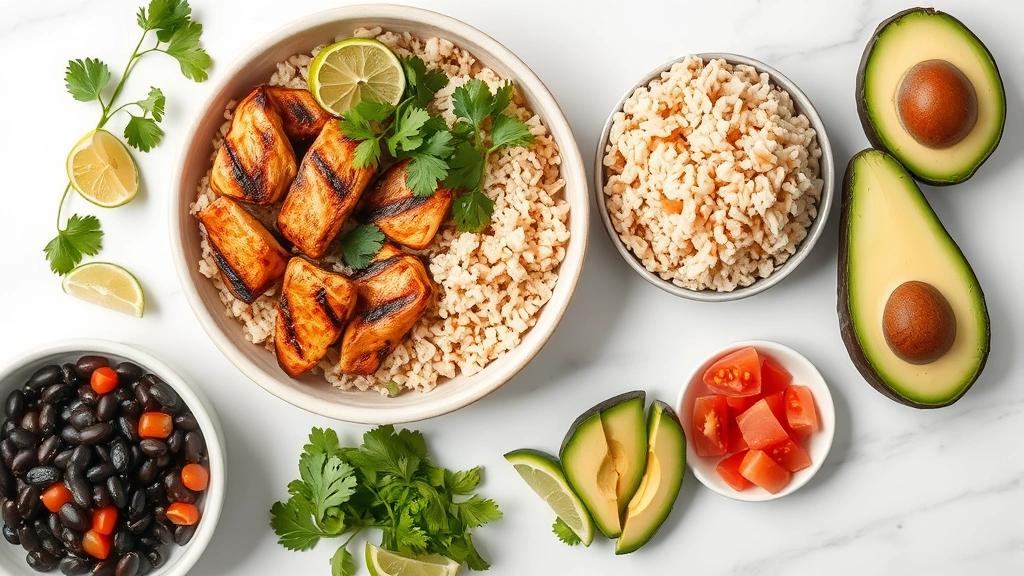
The Chipotle chicken bowl begins with foundational components that establish its caloric baseline. A standard bowl starts with either white rice, brown rice, or cilantro-lime rice, each contributing approximately 190-210 calories per serving. The choice of base significantly influences fiber content, with brown rice providing roughly 4 grams of dietary fiber compared to white rice’s negligible contribution. This distinction matters considerably for digestive health and sustained energy levels throughout the day.
The chicken itself—typically grilled and seasoned with a blend of spices—forms the protein core of the bowl. Chipotle’s standard chicken portion contains approximately 4 ounces of cooked chicken, contributing roughly 180-190 calories with minimal fat content. The cooking method (grilling rather than frying) preserves the lean protein benefits while adding flavor through seasoning. Understanding this base composition helps you calculate modifications and additions with accuracy.
Beans represent another crucial component, offering both protein and fiber. Black beans or pinto beans contribute approximately 120 calories per serving, along with 8-9 grams of protein and 7-8 grams of fiber. This combination makes beans particularly valuable for plant-based nutrition and sustained satiety. The legume component significantly enhances the bowl’s nutritional density beyond simple protein provision, delivering complex carbohydrates and essential minerals including iron, magnesium, and zinc.
Protein Content and Quality
A standard Chipotle chicken bowl delivers approximately 25-30 grams of protein when combining chicken and beans, positioning it as an excellent choice for nutrition for athletes optimizing performance through diet. The protein quality merits examination, as it combines complete proteins from animal sources with incomplete plant proteins from legumes. This combination creates a complete amino acid profile, providing all nine essential amino acids necessary for muscle synthesis and recovery.
The chicken contributes approximately 180 calories of high-quality protein with minimal saturated fat, making it an ideal lean protein source. This protein density supports muscle maintenance, immune function, and hormonal balance. For individuals engaged in resistance training or endurance activities, the protein-to-calorie ratio proves particularly favorable compared to many fast-casual alternatives. The thermic effect of protein—the energy required to digest it—also means approximately 20-30% of protein calories are burned during digestion, providing metabolic advantage.
Bean proteins complement the chicken by providing additional amino acids alongside fiber and resistant starch. This combination extends satiety signals, reducing overall caloric intake throughout the day. The synergistic effect of combining animal and plant proteins enhances bioavailability of certain nutrients, particularly iron absorption when vitamin C from salsa and lime juice is included. This nutritional complementarity demonstrates why mixed protein sources outperform single-source approaches for comprehensive nutrition.
Complete Macronutrient Breakdown
A baseline Chipotle chicken bowl—consisting of rice, chicken, and beans—typically contains approximately 485 calories with macronutrient distribution of roughly 45% carbohydrates, 25% protein, and 20% fat, with remaining calories from alcohol-free sources. This distribution aligns favorably with many evidence-based healthy nutrition plans guiding eating well for life, though individual requirements vary based on activity level and health goals.
Carbohydrates deserve particular attention, as they constitute the largest macronutrient component. The rice contributes approximately 40 grams of carbohydrates, while beans add another 20 grams. This carbohydrate composition includes both simple sugars and complex carbohydrates with varying glycemic impacts. Brown rice provides superior glycemic stability compared to white rice due to its higher fiber content and lower glycemic index. For individuals managing blood sugar levels or diabetes, choosing brown rice or cauliflower rice represents a significant modification affecting overall metabolic response.
Fat content in the baseline bowl remains modest at approximately 10-12 grams, primarily from the chicken and beans. However, popular additions dramatically alter this profile. Guacamole adds 190 calories and 17 grams of fat, while sour cream contributes 120 calories and 11 grams of fat per serving. Understanding these additions’ impact allows informed decision-making about fat distribution throughout your day. Despite higher caloric content, avocado’s nutrition facts about avocados reveal predominantly unsaturated fats with cardiovascular benefits.
Fiber content varies significantly based on selections. A bowl with brown rice, beans, and vegetable additions contains approximately 12-15 grams of fiber, supporting digestive health and metabolic function. The adequate fiber intake supports healthy gut microbiome, improves cholesterol profiles, and enhances insulin sensitivity. Most Americans consume insufficient fiber, making Chipotle bowls with strategic selections an opportunity to improve daily fiber intake substantially.
Sodium and Electrolyte Balance
Sodium content represents a significant nutritional consideration often overlooked in casual dining analysis. A standard Chipotle chicken bowl contains approximately 800-1000 milligrams of sodium from the chicken seasoning, beans, rice, and other components. This amount represents 35-45% of the recommended daily sodium intake for most adults. When adding salsa (150-200 mg), cheese (150 mg), and sour cream (100 mg), sodium content escalates to 1100-1400 milligrams per bowl.
For individuals with hypertension, sodium-sensitive conditions, or those monitoring overall cardiovascular health, this sodium concentration warrants attention. The American Heart Association recommends limiting sodium to 2300 milligrams daily, with optimal intake closer to 1500 milligrams for blood pressure management. A single Chipotle bowl can represent 45-60% of daily sodium allowance, necessitating careful dietary planning for the remainder of the day.
Sodium’s role extends beyond blood pressure regulation to include nerve function, muscle contraction, and fluid balance. However, excessive sodium intake without corresponding potassium and magnesium intake creates electrolyte imbalance. Chipotle bowls actually provide substantial potassium from beans and any vegetable additions, partially offsetting sodium’s effects. The ratio of sodium to potassium influences cardiovascular outcomes more significantly than sodium alone, suggesting bowls with generous vegetable portions offer superior electrolyte balance.
Essential Micronutrients
Beyond macronutrients, Chipotle bowls deliver diverse micronutrients supporting metabolic function and disease prevention. Iron content proves particularly robust, with beans contributing 2-3 milligrams and chicken providing 1-2 milligrams per serving. This 3-5 milligrams total represents 17-28% of the recommended daily iron intake, with enhanced bioavailability when vitamin C from salsa and lime juice is included. This combination proves especially valuable for vegetarians choosing bean-focused bowls without chicken.
Magnesium content reaches approximately 60-80 milligrams from beans and rice, supporting muscle function, bone health, and nervous system regulation. Many Americans demonstrate magnesium insufficiency, making dietary sources particularly important. The mineral’s role in over 300 enzymatic reactions throughout the body underscores its essential nature, and Chipotle bowls represent accessible sources for many diners.
Zinc, selenium, and chromium all appear in meaningful quantities through the combination of chicken, beans, and grains. Zinc supports immune function and wound healing, selenium provides antioxidant protection, and chromium assists blood sugar regulation. Folate from beans contributes approximately 25-30% of the recommended daily intake, supporting DNA synthesis and cellular division. Vitamin B6 from chicken aids neurotransmitter synthesis and immune function.
Antioxidant content varies substantially based on vegetable selections. Tomatoes provide lycopene, peppers deliver capsaicin and vitamin C, onions contribute quercetin, and cilantro offers various phytochemicals with anti-inflammatory properties. These compounds work synergistically to combat oxidative stress and inflammation, supporting long-term health outcomes. Diners maximizing vegetable portions dramatically increase antioxidant intake alongside micronutrient density.
Customization Strategies for Optimization
The Chipotle model’s customization capability enables tailoring bowls to specific nutritional goals. For individuals prioritizing weight management, requesting double vegetables instead of rice reduces caloric density while increasing satiety through fiber. Replacing half the rice with fajita vegetables decreases caloric content by approximately 100 calories while increasing micronutrient concentration. This modification reduces caloric density from approximately 1.2 calories per gram to 0.8 calories per gram, supporting sustained fullness with lower energy intake.
Athletes and individuals following athletic nutrition protocols benefit from requesting double chicken, which elevates protein to 45-50 grams while maintaining reasonable caloric increase. Pairing this with brown rice or white rice depending on timing relative to training sessions optimizes carbohydrate utilization. Adding beans increases total protein to 50+ grams while providing additional carbohydrates for glycogen replenishment.
For individuals managing blood sugar, selecting cauliflower rice eliminates approximately 150 calories and 35 grams of carbohydrates while maintaining volume and satisfaction. This modification reduces the glycemic load substantially, improving post-meal blood sugar stability. Combining this with double protein, beans for fiber, and generous vegetable portions creates a bowl with superior metabolic characteristics for glucose management. The fiber-to-carbohydrate ratio improves dramatically with this approach.
Sodium-conscious individuals should request items without added salt, omit cheese, and request salsa as the primary flavor component. Lime juice and cilantro provide flavor complexity without sodium contribution. Requesting fresh vegetables instead of pre-prepared components sometimes reduces sodium content, though this varies by location. Communicating dietary needs to staff often yields accommodations beyond standard menu offerings.
Individuals focused on nutrition and mental health impacts on brain function benefit from bowls emphasizing omega-3 fatty acids and B vitamins. While Chipotle’s chicken lacks significant omega-3 content compared to fatty fish, the bean and grain components provide B vitamins supporting neurotransmitter synthesis. Requesting extra guacamole adds omega-3 from avocado, supporting cognitive function and mood regulation. The combination of protein, complex carbohydrates, and micronutrients supports stable blood sugar and neurotransmitter production.
Comparison with Other Menu Items
Comparing Chipotle chicken bowls against alternative menu selections provides context for nutritional decision-making. A Chipotle burrito contains similar protein and carbohydrates but adds 150-200 calories from the tortilla wrapper, increasing fat content and reducing vegetable capacity. The burrito format also increases sodium slightly due to tortilla sodium contribution. For equivalent nutritional goals, bowls offer superior nutritional efficiency.
Chipotle tacos deliver concentrated protein in smaller portions but typically contain less fiber due to reduced bean and vegetable capacity per calorie. Three tacos approximate a bowl’s caloric content but provide less satiety due to lower fiber intake. The hand-held format appeals to some consumers despite nutritional disadvantages compared to bowls.
Quesadillas represent significantly higher-calorie options, with cheese and tortilla contributions elevating caloric content to 500+ calories before any fillings. Fat content reaches 25-30 grams primarily from cheese, making this option less suitable for individuals managing weight or cardiovascular health. The reduced fiber content due to limited vegetable capacity further reduces nutritional efficiency.
Compared to traditional fast-food options like burgers and fries, Chipotle bowls offer substantially superior nutritional profiles. A typical fast-food burger contains 500-600 calories with 25-30 grams of fat and minimal fiber. Chipotle bowls provide comparable calories with superior protein quality, fiber content, and micronutrient density. The customization capability further distinguishes Chipotle from traditional fast food in terms of nutritional flexibility.
Against other fast-casual options like Panera or Sweetgreen, Chipotle bowls remain competitive nutritionally. Panera salads often contain excessive dressings contributing 300+ calories despite lower protein content. Sweetgreen bowls offer similar nutritional profiles with perhaps slightly higher vegetable emphasis. Chipotle’s protein concentration and customization options position it favorably within the fast-casual landscape for nutrition-conscious consumers.
FAQ
How many calories does a standard Chipotle chicken bowl contain?
A baseline Chipotle chicken bowl with white rice, chicken, beans, salsa, and lettuce contains approximately 485-520 calories. This increases with additions like guacamole (add 190 calories), cheese (add 110 calories), or sour cream (add 120 calories). Customizations can reduce this to 350-400 calories or increase it to 700+ calories depending on selections.
Is the chicken at Chipotle a good protein source?
Yes, Chipotle’s grilled chicken represents an excellent lean protein source. The 4-ounce portion provides approximately 25-30 grams of protein with minimal saturated fat. The grilling preparation method preserves protein quality while adding flavor through seasoning. Combined with beans, it creates a complete amino acid profile supporting muscle health and recovery.
Does Chipotle chicken bowl fit within healthy eating guidelines?
Strategic Chipotle selections absolutely align with healthy eating guidelines. Choosing brown rice for superior fiber, maximizing vegetable portions, including beans for legume intake, and selecting lean protein creates a nutritionally balanced meal. The customization capability enables tailoring to specific dietary needs, making Chipotle an accessible option for various health goals. Visit our healthy nutrition plan guide for comprehensive dietary strategies.
What modifications reduce sodium content in Chipotle bowls?
Request items prepared without added salt, omit cheese and sour cream, and rely on salsa, lime juice, and cilantro for flavor. These modifications can reduce sodium from 1000+ milligrams to 600-700 milligrams. Requesting fresh vegetables and communicating sodium concerns to staff often yields additional accommodations. Brown rice sometimes contains less sodium than white rice depending on preparation methods.
Can Chipotle bowls support weight loss goals?
Yes, strategic Chipotle selections support weight loss when focusing on high-protein, high-fiber, lower-calorie options. Requesting double vegetables instead of rice, choosing brown rice, including beans, and selecting chicken without high-calorie additions creates a bowl of approximately 400-450 calories with 25-30 grams of protein and 12-15 grams of fiber. This composition promotes satiety and reduces subsequent caloric intake, supporting weight loss objectives.
What’s the best Chipotle bowl for athletes?
Athletes benefit from requesting double chicken, brown rice or white rice depending on training timing, beans for additional carbohydrates and fiber, and vegetables for micronutrient content. This combination delivers 45-50 grams of protein, 60-70 grams of carbohydrates, and essential micronutrients supporting performance. Adding guacamole provides additional calories and healthy fats for calorie-demanding training phases. Learn more about athletic nutrition optimization for comprehensive guidance.
How does Chipotle compare nutritionally to other fast-casual chains?
Chipotle offers competitive nutritional profiles compared to other fast-casual options. The customization capability exceeds most competitors, enabling precise nutritional tailoring. Protein content typically exceeds salad-based competitors, while fiber content rivals vegetable-focused alternatives. Sodium content may be higher than some competitors but remains reasonable when modifications are requested. Overall, Chipotle represents a solid choice within the fast-casual landscape for nutrition-conscious consumers.
Should I choose white or brown rice for my Chipotle bowl?
Brown rice offers superior nutritional advantages including 4 grams of fiber compared to white rice’s negligible fiber content. The higher fiber supports digestive health, sustained energy, and blood sugar stability. Brown rice contains more magnesium and other minerals, enhancing micronutrient density. However, white rice’s lower fiber and simpler carbohydrates suit athletes immediately post-workout when rapid glucose delivery is beneficial. For general health, brown rice represents the optimal choice.


