93/7 Ground Beef: Is It Nutritionally Balanced?
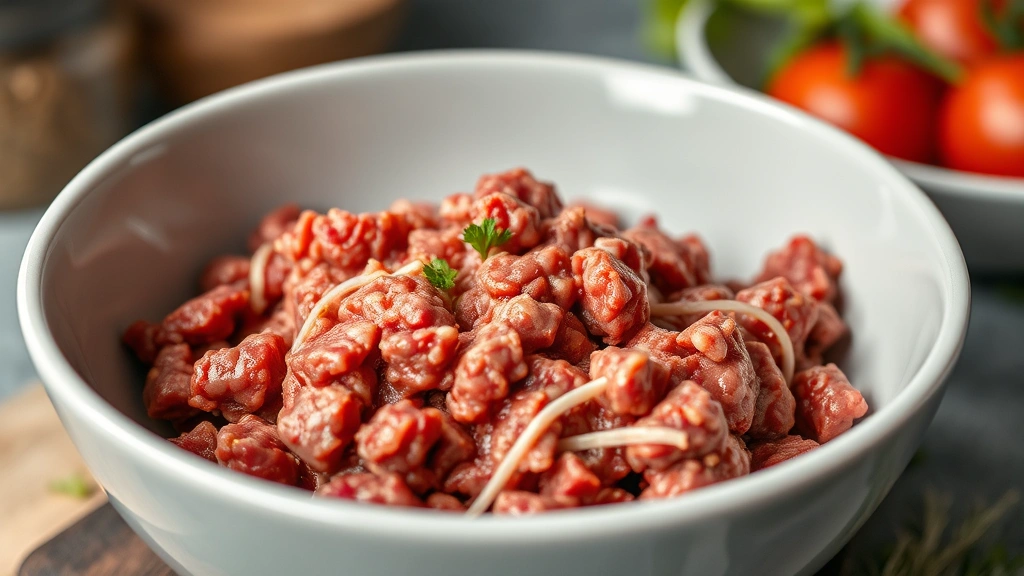
Ground beef remains one of America’s most versatile and accessible protein sources, appearing in everything from classic burgers to tacos, meatballs, and casseroles. Among the various fat-to-lean ratios available at your local supermarket, 93/7 ground beef has gained considerable attention from health-conscious consumers and fitness enthusiasts alike. The designation “93/7” refers to the meat composition: 93% lean meat and 7% fat by weight. But does this lean option actually deliver nutritional balance, or is the marketing narrative overshadowing the complete nutritional picture?
Understanding whether 93/7 ground beef is truly nutritionally balanced requires examining multiple dimensions of nutrition science. This lean variety sits in an interesting middle ground—leaner than standard 80/20 ground beef but less extreme than 99% lean options. The question isn’t simply whether it’s “healthy” in isolation, but rather how it fits into broader dietary patterns and whether it provides adequate nutritional support for various health goals.
Nutritional Profile of 93/7 Ground Beef
A standard 3.5-ounce (100-gram) serving of cooked 93/7 ground beef contains approximately 180-200 calories, depending on cooking method and fat retention. The macronutrient breakdown typically shows around 25-27 grams of protein, 9-10 grams of fat, and virtually zero carbohydrates. This composition makes it particularly attractive to individuals following nutrition for athletes and performance optimization protocols.
The caloric density of 93/7 ground beef is moderate compared to fattier cuts, making portion control more manageable for those tracking energy intake. Unlike extremely lean options that can feel dry and less palatable, this ratio maintains reasonable culinary qualities while keeping fat content relatively controlled. The fat that remains serves important functions: it carries fat-soluble vitamins, contributes to satiety, and enhances flavor profiles that encourage proper chewing and digestion.
According to USDA nutrition databases, 93/7 ground beef provides significant amounts of B vitamins, iron, zinc, and selenium. These micronutrients play crucial roles in energy metabolism, immune function, and antioxidant defense systems. The presence of these nutrients alongside substantial protein content suggests a nutrient-dense food choice, though “nutrient-dense” doesn’t automatically equal “nutritionally balanced” in a comprehensive sense.
Protein Content and Muscle Building
The protein content in 93/7 ground beef—roughly 25-27 grams per 100-gram serving—represents one of its strongest nutritional attributes. This high-quality, complete protein contains all nine essential amino acids in appropriate ratios for human utilization. For individuals engaged in resistance training or seeking to maintain lean muscle mass, this amino acid profile is particularly valuable.
Research published in the Journal of Nutrition and Metabolism indicates that consuming adequate protein with complete amino acid profiles supports muscle protein synthesis more effectively than plant-based proteins alone. The leucine content in beef—an amino acid particularly important for triggering muscle growth pathways—is substantial. This makes 93/7 ground beef an efficient choice for athletes optimizing performance through diet.
However, protein sufficiency alone doesn’t constitute nutritional balance. The body requires protein alongside other macronutrients, vitamins, and minerals in proper proportions. A meal containing only 93/7 ground beef lacks carbohydrates for glycogen replenishment and micronutrients found in vegetables, fruits, and whole grains. True nutritional balance emerges from thoughtful food combinations rather than individual ingredients.
Fat Composition and Health Implications
The 7% fat content in 93/7 ground beef deserves detailed examination, as fat quality significantly impacts cardiovascular and metabolic health. Ground beef contains a mixture of saturated, monounsaturated, and polyunsaturated fatty acids. Approximately 40-45% of the fat in beef is saturated, 45-50% is monounsaturated, and 5-10% is polyunsaturated.
Saturated fat has long been scrutinized in nutritional discourse. Traditional dietary guidelines recommended limiting saturated fat to less than 10% of total daily calories. However, contemporary research presents a more nuanced picture. Recent meta-analyses in the American Journal of Clinical Nutrition suggest that the relationship between saturated fat and cardiovascular disease is more complex than previously understood, particularly when saturated fat replaces refined carbohydrates.
The monounsaturated fat content in beef (including oleic acid, the same fatty acid prominent in olive oil) offers potential cardiovascular benefits. Additionally, beef contains conjugated linoleic acid (CLA), a fatty acid with emerging research suggesting anti-inflammatory and metabolic benefits. The lower fat percentage in 93/7 ground beef means reduced total fat intake while maintaining these beneficial compounds in proportion.
Cholesterol content in 93/7 ground beef averages 75-85 milligrams per 100-gram serving—a moderate amount that fits comfortably within most dietary recommendations. For individuals without familial hypercholesterolemia or specific medical contraindications, this cholesterol level presents minimal concern, particularly when consumed as part of a diet rich in fiber and other cholesterol-lowering compounds.
Micronutrients and Essential Elements
Beyond macronutrients, 93/7 ground beef provides an impressive array of micronutrients that support various physiological functions. A 100-gram serving typically supplies 20-25% of the daily value for iron, 40-50% for zinc, and 35-40% for selenium. These minerals work synergistically to support immune function, thyroid health, and antioxidant defense.
The iron in beef is heme iron, which the human body absorbs at rates of 15-35%, compared to 2-20% absorption for non-heme iron found in plant sources. This bioavailability difference makes beef particularly valuable for individuals at risk of iron deficiency, including menstruating women and vegetarians transitioning to omnivorous diets. The vitamin B12 content—approximately 1.5-2 micrograms per 100 grams—addresses a nutrient that’s naturally absent from plant foods, making beef important for those avoiding supplementation.
Niacin, riboflavin, and pantothenic acid appear in meaningful quantities in ground beef, supporting energy metabolism and nervous system function. The phosphorus content works alongside calcium and vitamin D to support bone health, though the phosphorus-to-calcium ratio in beef (roughly 1:0.05) differs from ideal ratios found in dairy products. This underscores why nutritional balance requires dietary diversity rather than relying on any single food source.
Comparison With Other Ground Beef Ratios
Understanding 93/7 ground beef’s nutritional profile becomes clearer when compared with alternative options. Standard 80/20 ground beef contains approximately 290 calories, 20 grams of protein, and 24 grams of fat per 100-gram serving. While the protein difference is modest, the fat content nearly triples, with corresponding increases in saturated fat and cholesterol.
At the opposite extreme, 99% lean ground beef provides 180 calories, 28 grams of protein, and just 1 gram of fat per serving. While this option minimizes fat intake, the extremely lean composition often results in dry, less flavorful meat that requires careful preparation. Additionally, the minimal fat content reduces the absorption of fat-soluble vitamins and diminishes satiety—the feeling of fullness that helps regulate appetite and food intake.
93/7 ground beef occupies a practical middle ground. It delivers substantially more lean meat than 80/20 while maintaining better palatability and nutrient absorption than 99% lean options. For individuals following healthy nutrition plans focused on eating well, this ratio often represents an optimal balance between nutritional goals and practical food preparation.
The environmental and economic considerations also matter. Leaner ground beef requires less trimming during processing, potentially reducing waste. The price point typically falls between 80/20 and 99% lean options, making it accessible for budget-conscious shoppers without significant quality compromise.
Is 93/7 Ground Beef Nutritionally Balanced?
Answering whether 93/7 ground beef is nutritionally balanced requires clarifying what “nutritionally balanced” means. If the question is whether a single serving of 93/7 ground beef provides all nutrients in optimal ratios, the answer is definitively no. No single food achieves complete nutritional balance in isolation.
However, if the question is whether 93/7 ground beef is a nutritionally balanced food choice—one that provides excellent macronutrient and micronutrient density relative to caloric content—the answer is substantially yes. The protein quality is exceptional, the micronutrient profile is impressive, and the fat composition, while containing some saturated fat, includes beneficial compounds and maintains reasonable proportions.
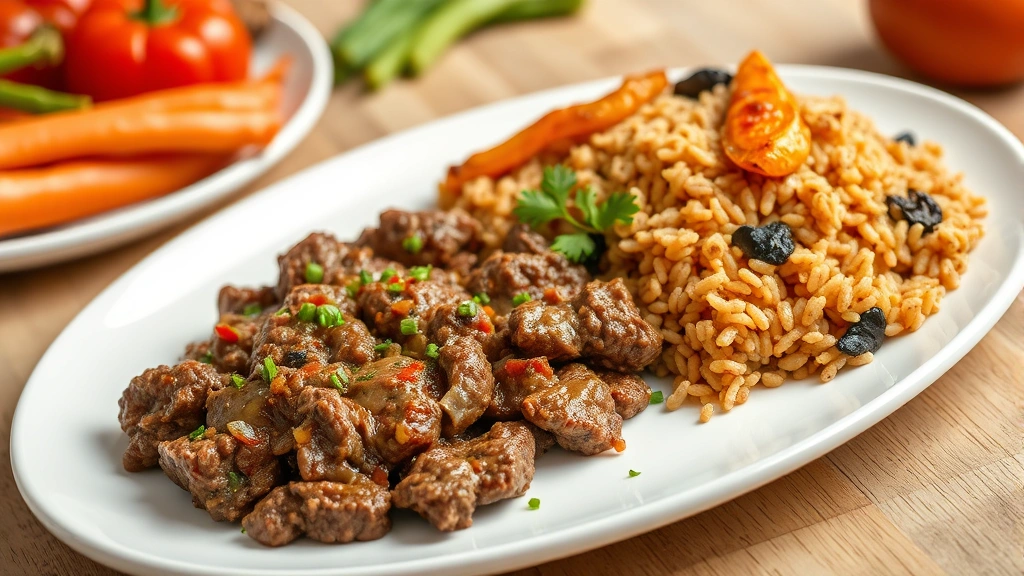
The concept of nutritional balance operates at the meal and daily diet level, not the individual food level. A nutritionally balanced meal might combine 93/7 ground beef with brown rice, roasted vegetables, and olive oil—together creating a plate with appropriate carbohydrate, protein, fat, fiber, and micronutrient ratios. This meal-level approach to nutrition planning is more scientifically sound than evaluating individual ingredients.
Research from the Harvard School of Public Health Nutrition Source emphasizes that food quality and dietary patterns matter more than individual nutrients or foods. Within the context of a diet emphasizing whole foods, vegetables, fruits, legumes, and healthy fats, 93/7 ground beef functions as a nutritionally sound protein source that supports various health goals.
For individuals with specific health conditions—elevated cholesterol, heart disease, or metabolic disorders—consulting with healthcare providers about appropriate beef consumption remains important. However, for generally healthy adults, 93/7 ground beef presents a reasonable nutritional choice that fits comfortably within evidence-based dietary recommendations.

Best Practices for Incorporating Into Your Diet
To maximize the nutritional benefits of 93/7 ground beef, certain preparation and pairing strategies enhance overall dietary quality. Cooking methods significantly impact final nutritional content. Grilling, baking, and broiling allow excess fat to drain away, further reducing fat content while preserving heat-sensitive nutrients. Pan-frying in minimal oil or using non-stick surfaces minimizes added fat, maintaining the lean profile.
Portion sizing matters for nutritional balance. A typical serving of 3-4 ounces (85-115 grams) provides 22-30 grams of protein—adequate for most nutritional needs without excessive caloric intake. This portion size aligns with USDA dietary guidelines and fits appropriately into meals structured around the “plate method,” where protein occupies roughly one-quarter of the plate.
Pairing 93/7 ground beef with fiber-rich carbohydrates dramatically improves overall meal nutritional balance. Whole grain buns, brown rice, sweet potatoes, or legumes provide carbohydrates, fiber, and additional micronutrients that complement beef’s protein and mineral content. This combination creates meals with appropriate macronutrient ratios and sustained energy release.
Vegetable inclusion enriches meals substantially. Onions, bell peppers, mushrooms, and leafy greens added to ground beef dishes increase fiber, vitamin, and phytochemical content while reducing the caloric density per bite. A beef and vegetable stir-fry or taco bowl with salsa and vegetables represents a nutritionally balanced meal where 93/7 ground beef functions as one component among several.
For those tracking specific nutrients, understanding preparation context helps optimize nutrition. If consuming 93/7 ground beef as part of a meal low in other fat sources, the moderate fat content supports fat-soluble vitamin absorption. If consuming as part of a higher-fat meal (with avocado, nuts, or oils), the lean ground beef helps maintain appropriate total fat intake while providing protein density.
Individuals following specific dietary approaches—ketogenic, paleo, or athletic performance diets—may find 93/7 ground beef particularly useful. The macronutrient flexibility allows adaptation to various nutritional frameworks. The micronutrient density supports metabolic health regardless of specific dietary pattern chosen.
FAQ
How does 93/7 ground beef compare nutritionally to chicken breast?
Chicken breast provides slightly more protein (31 grams per 100 grams cooked) with less fat (3.6 grams), making it marginally leaner. However, 93/7 ground beef provides superior iron, zinc, and B12 content. Both are nutritionally sound protein sources; the choice depends on individual preferences, budget, and specific nutrient needs. Dietary variety incorporating both supports comprehensive nutrition.
Is 93/7 ground beef suitable for weight loss diets?
Yes, 93/7 ground beef can support weight loss when incorporated into calorie-controlled meal plans. The high protein content promotes satiety, helping regulate appetite and reduce overall caloric intake. The moderate fat content maintains nutrient absorption and hormonal health better than extremely lean options. Success depends on overall dietary pattern and portion control rather than the ground beef choice alone.
Does the cooking method affect the nutritional value?
Cooking method impacts final nutrient composition. Grilling and broiling allow excess fat drainage, further reducing fat content. High-heat cooking may reduce some heat-sensitive B vitamins slightly, though the effect is modest. Ground beef retains most minerals and heat-stable vitamins regardless of cooking method. Pan-frying allows retention of fat-soluble vitamins better than methods where fat drains away completely.
Can 93/7 ground beef fit into a heart-healthy diet?
Evidence suggests that 93/7 ground beef can fit appropriately into heart-healthy dietary patterns. The lean profile reduces saturated fat intake compared to fattier cuts. The monounsaturated fat content and beneficial compounds like CLA may support cardiovascular health. Key factors include portion control, preparation methods avoiding added fats, and pairing with vegetables and whole grains. Individuals with specific cardiac conditions should consult healthcare providers about appropriate consumption.
What’s the difference between grass-fed and grain-fed 93/7 ground beef nutritionally?
Grass-fed beef typically contains higher omega-3 fatty acid content and higher CLA levels compared to grain-fed beef. The vitamin E content may be slightly elevated in grass-fed varieties. However, the macronutrient profile (protein, total fat, calories) remains similar. Both represent nutritionally sound choices; grass-fed offers potential micronutrient advantages, though differences are relatively modest. Choose based on budget, environmental preferences, and local availability alongside nutritional considerations.
Is 93/7 ground beef appropriate for children and teenagers?
Yes, 93/7 ground beef provides excellent nutrition for growing children and teenagers. The protein supports growth and development, while the iron and zinc content addresses micronutrient needs critical during adolescence. The moderate fat content supports brain development and hormone production. Portions should be appropriately sized for age and activity level. Preparation methods should avoid excessive sodium from added seasonings or condiments.