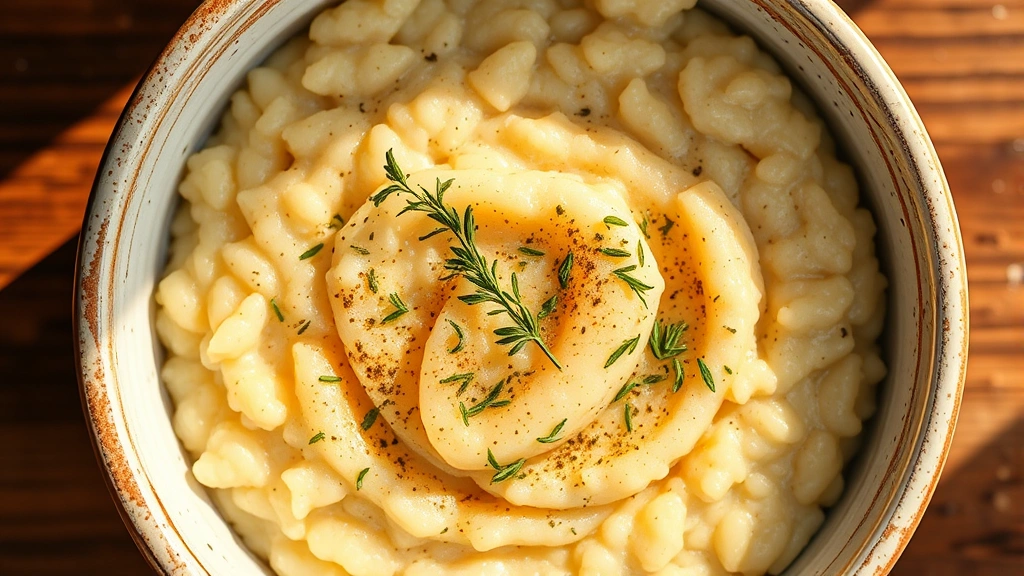
Grits: Are They Nutritious? Dietitian Insights
Grits have been a staple of Southern cuisine for centuries, but their nutritional reputation remains surprisingly misunderstood. This creamy cornmeal dish often appears on breakfast tables alongside eggs and bacon, yet many people question whether grits deserve a place in a balanced diet. The answer isn’t simple—it depends on preparation methods, portion sizes, and what you pair them with. Understanding the nutritional value of grits requires examining both their baseline composition and how they fit into broader dietary patterns.
As a registered dietitian nutritionist, I’ve observed that grits occupy an interesting middle ground in nutrition discussions. They’re neither nutritional powerhouses nor empty calories. Instead, they’re a versatile carbohydrate source with genuine health benefits when prepared thoughtfully. This comprehensive guide explores what grits actually offer nutritionally, backed by scientific evidence and practical dietary advice.
What Are Grits and How Are They Made
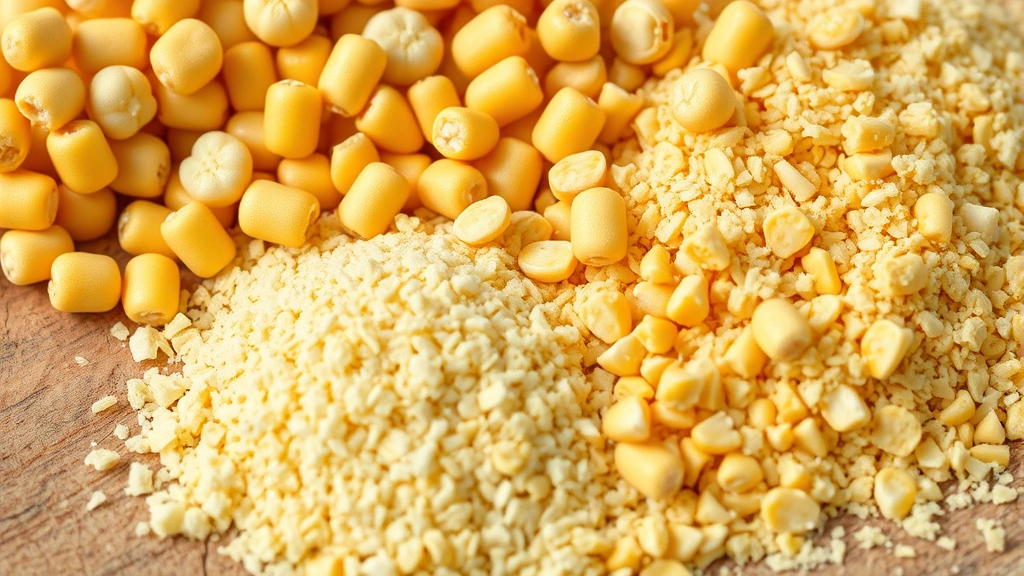
Grits are a traditional food made from dried corn kernels that have been coarsely ground into a meal. The process begins with corn kernels—typically dent corn varieties—that undergo a treatment process called nixtamalization in some traditional preparations, or simple mechanical grinding in others. This distinction matters nutritionally because nixtamalized corn becomes more bioavailable in certain nutrients, particularly niacin.
The term “grits” itself comes from Old English, referring to coarsely ground grain. Authentic Southern grits differ from polenta, though the terms are sometimes used interchangeably. Polenta typically uses a specific corn variety and finer grinding, while grits maintain a heartier texture. Understanding these differences helps clarify why nutritional profiles might vary slightly between products.
Modern grits come in several varieties: stone-ground grits preserve more of the corn’s outer layers and nutrients, instant grits undergo extensive processing and refinement, and quick grits fall somewhere between these extremes. The processing level directly impacts the fiber content and micronutrient retention. When selecting grits for optimal nutrition, stone-ground varieties typically offer superior nutritional density compared to their more processed counterparts.
Macronutrient Breakdown of Grits
A one-cup serving of cooked grits (prepared with water) contains approximately 182 calories, making them a relatively modest energy source. The macronutrient distribution reveals that grits are primarily carbohydrate-based, containing roughly 40 grams of carbohydrates per cooked cup. This carbohydrate content comes almost entirely from the corn kernel’s starch, which provides sustained energy release when prepared without excessive fat additions.
Protein content in grits is modest but noteworthy—one cup of cooked grits provides approximately 4 grams of protein. While this isn’t substantial compared to animal proteins, it represents a meaningful contribution from a plant-based source. The protein in grits contains all nine essential amino acids, though in varying proportions. This makes grits a useful component in plant-forward healthy nutrition plans, especially when combined with legumes or other complementary proteins.
Fat content in plain cooked grits is minimal—less than one gram per cup—but this changes dramatically with preparation methods. Traditional Southern preparations add butter, cream, and cheese, transforming grits into a high-fat dish. A serving prepared with two tablespoons of butter and a quarter cup of cheese can contain 25+ grams of fat. This distinction between plain grits and traditionally prepared grits is crucial for understanding their actual nutritional impact in typical consumption patterns.
The fiber content varies significantly based on processing. Stone-ground grits with the bran intact contain approximately 2 grams of fiber per cup, while instant or refined grits may contain less than one gram. For those focusing on dietary fiber importance, choosing less-processed grits becomes particularly relevant.
Micronutrients and Vitamins in Grits
The micronutrient profile of grits reflects their corn origin and processing method. One cup of cooked grits provides approximately 20-25% of the daily value for thiamine (vitamin B1), an essential nutrient for energy metabolism and nerve function. This B-vitamin contribution makes grits a legitimate source of micronutrients, not just empty carbohydrates.
Folate content in grits is also significant, with one cup providing roughly 15-20% of daily requirements. Folate plays critical roles in DNA synthesis, cell division, and homocysteine metabolism. This becomes particularly important for women of childbearing age and individuals at risk for cardiovascular disease.
Many commercial grits products are enriched with additional micronutrients, including niacin, iron, and additional B vitamins. The enrichment process adds back nutrients lost during processing, partially compensating for the removal of the bran and germ layers. However, enriched nutrients aren’t absorbed identically to naturally occurring nutrients, making whole-grain or stone-ground options nutritionally superior when available.
Iron content in grits varies by enrichment level but typically provides 5-10% of daily value per cup. While this iron is plant-based (non-heme) and absorbed less efficiently than animal-based iron, consuming grits with vitamin C sources enhances absorption significantly. Pairing grits with tomatoes, bell peppers, or citrus fruits optimizes iron bioavailability.
Magnesium, phosphorus, and manganese also appear in grits in meaningful quantities. Magnesium supports muscle function and energy production, while manganese contributes to bone health and metabolic processes. These minerals work synergistically with the carbohydrate content to support overall metabolic function.
Glycemic Impact and Blood Sugar
The glycemic index (GI) of grits presents an important consideration for blood sugar management. Plain cooked grits have a GI of approximately 69-71, classifying them as a medium-to-high glycemic food. This means grits cause a moderate to rapid rise in blood glucose compared to low-glycemic foods. However, GI values alone don’t tell the complete story about blood sugar impact.
Glycemic load (GL)—which accounts for portion size—provides more practical insight. A standard one-cup serving of cooked grits has a GL of approximately 28, which is moderate. This distinction matters because portion control significantly influences actual blood sugar response. A half-cup serving reduces the glycemic load considerably, making it manageable for most individuals, including those with prediabetes.
The preparation method dramatically affects glycemic response. Grits prepared with added fats (butter, cream, cheese) show slower glucose absorption compared to plain grits. The fat slows gastric emptying and carbohydrate digestion, resulting in a more gradual blood sugar rise. This counterintuitive finding explains why traditional Southern preparations, while higher in calories, may actually produce more stable blood glucose patterns than lean preparations.
Combining grits with protein and vegetables further improves glycemic response. A breakfast plate containing grits, eggs, and sautéed greens produces a significantly lower and slower blood glucose spike than grits alone. This emphasizes that evaluating grits’ nutritional value requires considering them within complete meals, not in isolation.
Preparation Methods Matter Most
The preparation method ultimately determines whether grits are nutritious or less-than-optimal. Plain grits cooked with water or low-sodium broth provide a clean carbohydrate base with minimal additives. This approach preserves the natural nutrient profile and keeps calories manageable at roughly 150-180 per cup.
Traditional Southern preparations enrich grits with butter, heavy cream, and cheese, creating a dish that’s delicious but calorie-dense and high in saturated fat. While these additions make grits more palatable and improve nutrient absorption of fat-soluble vitamins, they also transform a modest-calorie grain into a high-calorie, high-fat side dish. A cup of cheese grits can contain 400+ calories and 20+ grams of saturated fat.
Health-conscious preparations balance flavor with nutrition. Using modest amounts of butter (one teaspoon per cup rather than tablespoons), incorporating vegetable broths for depth, and adding herbs, spices, and vegetables creates satisfying grits without excessive fat. Adding sautéed mushrooms, caramelized onions, or roasted peppers provides flavor complexity and additional nutrients.
Using nutrition facts label generators helps customize recipes and understand exact nutritional impacts of different preparation approaches. This transparency enables informed decisions about how to incorporate grits into personal dietary goals.
The type of grits selected also matters. Stone-ground grits retain more bran and germ, preserving fiber and micronutrients. Polenta made from heirloom corn varieties sometimes offers superior nutrient density. Conversely, instant grits—while convenient—undergo processing that reduces fiber and some micronutrient content. For optimal nutrition, selecting less-processed options when available makes measurable differences.
Grits in Healthy Eating Patterns
Grits fit naturally into balanced eating patterns when prepared thoughtfully. As a whole grain or grain-adjacent food, they contribute to the recommended daily intake of grains—ideally half from whole grains. A serving of stone-ground grits counts toward this recommendation more substantially than refined instant grits.
In the context of nutrition and mental health, grits’ carbohydrate content supports brain function and mood regulation. Complex carbohydrates from grits help maintain steady serotonin levels and provide consistent glucose for cognitive function. This makes grits a reasonable choice for breakfast, when sustained mental performance is desired.
For individuals focused on athletic performance nutrition, grits offer value as a carbohydrate source for pre-workout meals or recovery nutrition. The digestible carbohydrates replenish muscle glycogen, while the modest protein contribution supports muscle repair when combined with additional protein sources.
Grits also suit various dietary patterns. They’re naturally vegan and gluten-free (when prepared without cross-contamination), making them accessible for those following restricted diets. They’re budget-friendly, particularly stone-ground varieties in bulk, supporting sustainable eating patterns without financial strain.
The satiety factor of grits deserves attention. Despite being carbohydrate-based, grits produce moderate satiety, especially when prepared with added fiber from vegetables or when fat is included. A serving of grits with eggs and vegetables typically satisfies hunger for several hours, making them useful for weight management when portions remain controlled.
Common Misconceptions Debunked
One pervasive misconception is that grits are nutritionally empty. This oversimplification ignores their B-vitamin content, mineral contribution, and role as an accessible carbohydrate source. While grits aren’t nutritional powerhouses like quinoa or kale, they’re far from worthless nutritionally.
Another misconception suggests that grits are inherently unhealthy due to their carbohydrate content. This reflects outdated nutritional thinking that demonizes all carbohydrates. Moderate amounts of carbohydrates from grains are appropriate in most healthy eating patterns and essential for optimal cognitive and physical function.
Some believe that only refined grits are available, overlooking the genuine whole-grain and stone-ground options readily available through specialty markets and online retailers. Quality grits do exist; they simply require intentional selection.
The misconception that traditional preparation methods are the only “authentic” approach prevents people from enjoying grits in healthier ways. While butter and cheese are traditional, modern adaptations maintain cultural significance while improving nutritional profiles.
Finally, many assume grits must be a breakfast food. In reality, grits work beautifully as dinner side dishes, bases for vegetable stews, or even in savory preparations alongside roasted vegetables and lean proteins. This versatility makes grits more nutritionally valuable by enabling varied preparation approaches.
FAQ
Are grits a whole grain?
Not all grits qualify as whole grains. Only stone-ground grits that retain the bran and germ layers are true whole grains. Instant and quick grits undergo refinement that removes these components, making them refined grains. Checking product labels helps identify whole-grain options.
How do grits compare nutritionally to oatmeal?
Oatmeal typically contains more fiber and beta-glucans (soluble fiber with cholesterol-lowering properties) than grits. However, grits provide comparable or superior B-vitamin content and similar carbohydrate profiles. Both are reasonable grain choices; preference and individual dietary goals determine the better option.
Can people with diabetes eat grits?
Yes, with portion control and proper pairing. A half-cup serving of grits combined with protein and vegetables produces manageable blood sugar response for most people with diabetes. Monitoring individual responses and working with healthcare providers ensures grits fit into diabetes management plans appropriately.
Are instant grits as nutritious as stone-ground grits?
Stone-ground grits retain more fiber and micronutrients due to less processing. Instant grits undergo extensive refinement and sometimes fortification. While fortified instant grits provide added micronutrients, stone-ground varieties offer superior overall nutritional density and fiber content.
What’s the best way to prepare grits for maximum nutrition?
Use stone-ground grits, cook with low-sodium broth rather than water for flavor, add sautéed vegetables for nutrients and fiber, use modest amounts of healthy fats, and pair with protein sources. This approach maximizes nutrition while maintaining satisfying flavors and textures. Visiting the Nutrients Pathway Blog provides additional recipe ideas and nutritional guidance.
Do grits contain gluten?
Pure grits made from corn are naturally gluten-free. However, cross-contamination can occur during processing. Those with celiac disease or gluten sensitivity should select certified gluten-free grits to ensure safety.


