Snickers Fun Size: Worth the Calories? Dietitian’s Take
Snickers Fun Size bars have become a staple in Halloween candy bowls, office desk drawers, and impulse checkout purchases everywhere. But with growing awareness around nutrition and health, many people wonder whether these bite-sized chocolate bars deserve a place in their diet. As a nutrition expert, I’ve analyzed the nutritional profile, ingredients, and practical considerations to help you make an informed decision about this beloved candy.
The appeal of Fun Size candies is undeniable—they offer portion control and satisfy sweet cravings without committing to a full-sized bar. However, “Fun Size” doesn’t automatically mean “nutritionally sound.” Understanding what’s actually in these treats and how they fit into your overall dietary pattern is essential for making choices aligned with your health goals.
Nutritional Breakdown of Snickers Fun Size
A standard Snickers Fun Size bar weighs approximately 10.86 grams and contains roughly 42-45 calories, depending on the specific product batch. When examining the nutritional value of snickers fun size bars, it’s crucial to look beyond the single serving and understand how these numbers translate to your daily intake.
Each Fun Size bar typically contains:
- Calories: 42-45 kcal
- Total Fat: 1.8-2 grams (including saturated fat of 0.7-0.8 grams)
- Carbohydrates: 6-7 grams
- Sugars: 4-5 grams
- Protein: 0.8-1 gram
- Sodium: 35-40 milligrams
Compared to a full-size Snickers bar (approximately 250 calories), the Fun Size version does offer genuine portion control. However, the real question isn’t whether Fun Size is smaller—it’s whether the nutritional trade-offs justify the calories consumed.
Calorie Content and Macronutrient Profile
From a macro perspective, Snickers Fun Size bars provide a combination of carbohydrates, fats, and minimal protein. The macronutrient distribution is approximately 80% carbohydrates, 16% fat, and 4% protein. This composition means you’re primarily consuming simple carbohydrates and added sugars with minimal satiety-promoting nutrients.
To contextualize these calories, a single Fun Size bar represents:
- About 2% of a standard 2,000-calorie daily diet
- Roughly 6-8% of the recommended daily added sugar intake for women (25 grams)
- Approximately 4-5% of daily added sugar for men (36 grams)
The protein content deserves particular attention. At less than 1 gram per bar, Snickers Fun Size provides negligible protein, making it purely a source of energy without the muscle-supporting benefits of more nutritious snacks. When considering your overall healthy nutrition plan, understanding how treats fit into your macronutrient targets is essential.
The fat content, while modest, consists primarily of saturated fat from chocolate, peanuts, and caramel. While moderate amounts of saturated fat are acceptable in a balanced diet, these calories don’t provide the cardiovascular benefits associated with unsaturated fats.
Sugar and Ingredient Analysis
Perhaps the most significant nutritional concern with Snickers Fun Size bars is the added sugar content. Each bar contains 4-5 grams of added sugar in a 10.86-gram package, meaning roughly 45-50% of the product’s weight is sugar.
The ingredient list for Snickers includes:
- Milk chocolate (cocoa, sugar, milk fat, skim milk, lactose, soy lecithin, artificial flavor)
- Peanuts
- Corn syrup
- Sugar
- Palm oil
- Skim milk
- Cocoa
- Magnesium oxide
- Gum arabic
- Artificial and natural flavors
The combination of multiple sugar sources—including milk chocolate, corn syrup, and added sugar—creates a product that delivers rapid blood sugar spikes. For individuals managing diabetes, prediabetes, or metabolic health, these spikes can be particularly problematic. Even for metabolically healthy individuals, frequent consumption of such sugar-dense foods contributes to dental erosion, energy crashes, and potential long-term metabolic dysfunction.
One positive element is the peanut content, which provides some dietary fiber, magnesium, and vitamin E. However, the peanuts are relatively minimal by weight, and their nutritional benefits are largely offset by the sugar and saturated fat.
Health Perspective from Dietitians
From a registered dietitian’s standpoint, the evaluation of Snickers Fun Size bars depends entirely on individual health goals, dietary patterns, and overall nutrition context. The “worth it” question isn’t binary—it’s contextual.
When Snickers Fun Size might be reasonable:
- Occasional indulgences for individuals with no metabolic health concerns
- Part of a balanced diet where overall added sugar intake remains within recommended limits
- Deliberate treats consumed mindfully, not as habitual snacking
- Situations where portion control is genuinely helpful (like Halloween or social events)
When Snickers Fun Size is problematic:
- Daily or frequent consumption that accumulates excessive added sugar
- For individuals with diabetes, prediabetes, or insulin resistance
- When consumed mindlessly or as a substitute for nutrient-dense snacks
- For those with dental health concerns or cavity history
- When competing for calories better spent on whole foods
Research from Pew Research Center on consumer food choices demonstrates that people often underestimate the impact of “small” treats, particularly when consumed daily. A single Fun Size bar doesn’t seem significant, but consuming one daily adds approximately 15,330 calories annually—equivalent to over 4 pounds of body weight gain if not offset by increased activity.
The psychological aspect matters too. Some individuals can enjoy a single Fun Size bar without triggering cravings for additional sweets, while others find that eating one creates a domino effect leading to overconsumption. Understanding your personal relationship with sugar is crucial for making sustainable dietary choices.
Consider how Snickers Fun Size fits within your broader approach to nutrition and mental health, as the psychological satisfaction of occasional treats contributes meaningfully to dietary adherence and overall wellbeing.
Moderation Strategies and Alternatives
If you enjoy Snickers Fun Size bars and want to include them in your diet, implementing strategic moderation approaches helps manage calorie and sugar intake while maintaining satisfaction.
Practical moderation strategies:
- Scheduled treats: Designate specific occasions (once weekly, during social events) rather than allowing ad hoc consumption
- Portion pairing: Combine one Fun Size bar with a protein source or fiber-rich snack to improve satiety and moderate blood sugar impact
- Conscious consumption: Eat deliberately, savoring the experience rather than mindless snacking, which increases satisfaction from smaller amounts
- Substitution days: Alternate between candy and nutrient-dense treats to reduce overall frequency
- Environmental control: Keep Fun Size bars out of immediate view to reduce impulsive consumption
Nutritious alternatives with similar satisfaction:
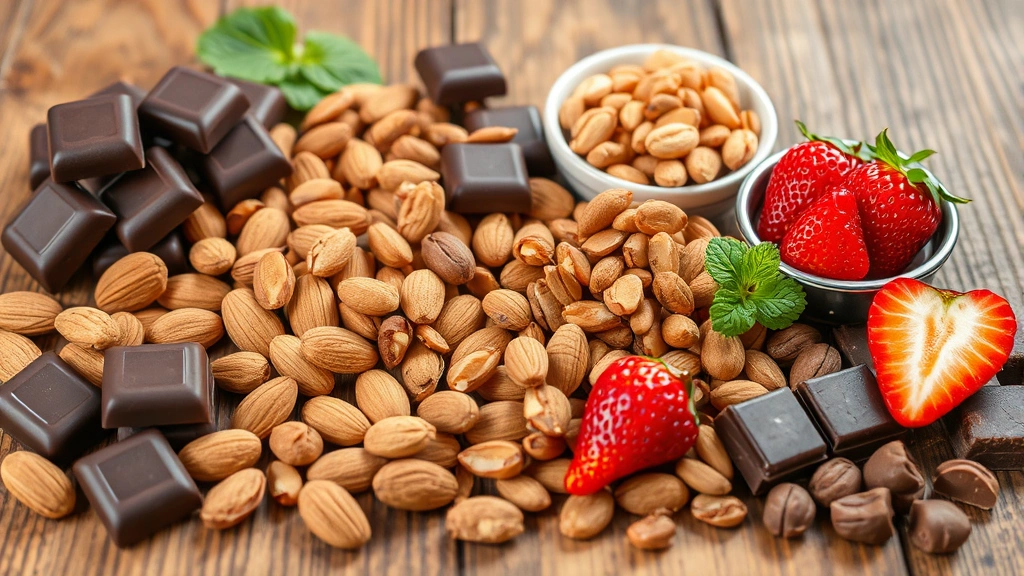
- Dark chocolate with almonds: Provides antioxidants, healthy fats, and protein while delivering chocolate satisfaction with lower sugar (approximately 3-4 grams per serving)
- Peanut butter and apple slices: Combines protein, fiber, and natural sugars for sustained energy and greater nutritional density
- Trail mix with nuts and dark chocolate chips: Offers variety, healthy fats, and controlled portions with more nutritional value
- Homemade energy balls: Made with nuts, dates, and cocoa powder provide similar satisfaction with whole-food ingredients
- Greek yogurt with granola and honey: Delivers protein, probiotics, and satisfaction with better nutritional balance
For those interested in optimizing their overall dietary approach, reviewing the importance of dietary fiber for your health provides context for why whole-food alternatives typically outperform processed candy nutritionally.
Additionally, exploring how to improve digestion reveals that high-sugar foods like Snickers can negatively impact digestive health and microbiome balance, making this another consideration for frequent consumers.
Comparing Fun Size to Other Treats
To properly evaluate whether Snickers Fun Size is worth the calories, comparing it to other common treats provides helpful perspective.
Similar-sized alternatives:
- Hershey’s Kiss: 24 calories, 2.7g sugar (lower calorie, but purely chocolate with no protein from nuts)
- Reese’s Peanut Butter Cup (mini): 42 calories, 4.2g sugar (similar profile with slightly more protein)
- Tootsie Roll: 37 calories, 6g sugar (fewer calories but nearly identical sugar content)
- Skittles (fun size): 41 calories, 8.3g sugar (similar calories with significantly higher sugar)
- M&Ms (fun size): 43 calories, 6g sugar (comparable calories with higher sugar density)
Among comparable mass-market candies, Snickers Fun Size performs reasonably well due to the peanut content providing slight nutritional advantage. However, this doesn’t mean it’s an optimal choice—it simply means it’s relatively comparable to other processed confections.
Expert Recommendations from Nutrition Research
Current dietary guidelines from organizations like the American Heart Association recommend limiting added sugars to no more than 6% of daily calories. For a 2,000-calorie diet, this translates to approximately 25 grams of added sugar daily. A single Snickers Fun Size bar consumes 16-20% of this daily allowance, making it a significant sugar commitment for a single snack.
Research published in peer-reviewed nutrition journals demonstrates that frequent consumption of high-sugar, low-fiber foods correlates with increased risk for:
- Type 2 diabetes development
- Cardiovascular disease
- Dental cavities and erosion
- Weight gain and obesity
- Metabolic syndrome
- Increased inflammation markers
However, occasional consumption of such treats within an otherwise balanced dietary pattern poses minimal risk for most individuals. The key distinction is between occasional indulgence and habitual consumption.
For additional insights on comprehensive nutrition planning, the Nutrients Pathway Blog offers evidence-based articles on various nutritional topics that can help contextualize how individual foods fit within overall dietary strategies.
External resources like Harvard’s Nutrition Source provide detailed guidance on added sugar intake and processed food evaluation, offering scientific perspective on these consumption decisions.

The Practical Verdict
Is a Snickers Fun Size bar worth the calories? The answer depends on your individual context:
Yes, it might be worth it if: You enjoy occasional treats, maintain overall balanced nutrition, consume added sugars well within recommended limits, don’t have metabolic health concerns, and can enjoy a single bar without triggering overconsumption patterns.
No, it likely isn’t worth it if: You consume them frequently, have diabetes or prediabetes, already exceed recommended sugar intake from other sources, experience energy crashes after consuming high-sugar foods, or have dental health concerns.
The fundamental principle is this: no single food is inherently “worth it” or “not worth it” in isolation. Food value exists within the context of overall dietary patterns, individual health status, and personal satisfaction. A Fun Size Snickers bar delivering pleasure and social enjoyment during occasional consumption might absolutely be worth those 42-45 calories. The same bar consumed daily as mindless snacking represents poor nutritional value.
FAQ
How many calories are in a Snickers Fun Size bar?
A standard Snickers Fun Size bar contains approximately 42-45 calories. This small portion size provides genuine calorie control compared to full-size bars, which contain around 250 calories.
Is the sugar content in Snickers Fun Size problematic?
Each Fun Size bar contains 4-5 grams of added sugar, representing about 16-20% of the American Heart Association’s daily added sugar recommendation. For occasional consumption, this isn’t problematic; for frequent consumption, it contributes significantly to total daily sugar intake and potential metabolic concerns.
Does Snickers Fun Size contain any beneficial nutrients?
The peanut content provides modest amounts of protein, healthy fats, magnesium, and vitamin E. However, these benefits are minimal given the small quantity of peanuts and are substantially offset by the high sugar and saturated fat content.
Can people with diabetes eat Snickers Fun Size?
People with diabetes should consult their healthcare providers, but generally, the rapid blood sugar spike from 4-5 grams of added sugar in a small bar makes Snickers Fun Size problematic for blood sugar management. Sugar-free alternatives or genuinely nutrient-dense snacks are typically better choices.
How does Snickers Fun Size compare nutritionally to other candies?
Among common mass-market candies, Snickers Fun Size performs reasonably well due to peanut content providing protein and healthy fats. However, it remains calorie-dense with high added sugar relative to nutritional benefit, similar to most processed confections.
What’s a healthier alternative if I crave chocolate and peanuts?
Dark chocolate (70% cocoa or higher) paired with raw almonds or peanuts provides similar satisfaction with more nutritional value, including antioxidants, healthy fats, and protein while containing less added sugar.
How often can I eat Snickers Fun Size without health concerns?
For most metabolically healthy individuals without diabetes or dental concerns, occasional consumption (once weekly or less) poses minimal health risk. Daily consumption, however, contributes problematically to total added sugar intake and calorie density.
Does Fun Size mean it’s portion-controlled and healthy?
“Fun Size” refers to portion size, not nutritional quality. While smaller portions do mean fewer calories and sugar per serving, the calorie density and sugar concentration of Snickers remains high regardless of package size.
Should I feel guilty eating a Snickers Fun Size bar?
Guilt about food consumption creates unhealthy psychological relationships with eating. If you enjoy occasional Snickers Fun Size bars within a balanced dietary pattern, you can enjoy them without guilt. The key is mindful consumption and context within overall nutrition.