
Pepsi Nutrition: What Dietitians Want You to Know
Pepsi remains one of the world’s most consumed carbonated beverages, with millions of servings sold daily across the globe. Yet despite its popularity, many consumers remain uncertain about what they’re actually consuming when they crack open a can or bottle. Understanding Pepsi nutrition facts is essential for making informed dietary choices, particularly as health-conscious consumers increasingly scrutinize their beverage selections. Dietitians and nutrition experts have long advocated for transparency in soft drink consumption, emphasizing the importance of understanding the nutritional impact of regular soda intake.
This comprehensive guide breaks down everything you need to know about Pepsi’s nutritional profile, from its sugar content to artificial additives, helping you understand why nutrition professionals recommend moderation or elimination of sugary drinks from your daily routine. Whether you’re a casual Pepsi drinker or someone considering dietary changes, the information ahead will equip you with the knowledge dietitians believe is crucial for your long-term health.
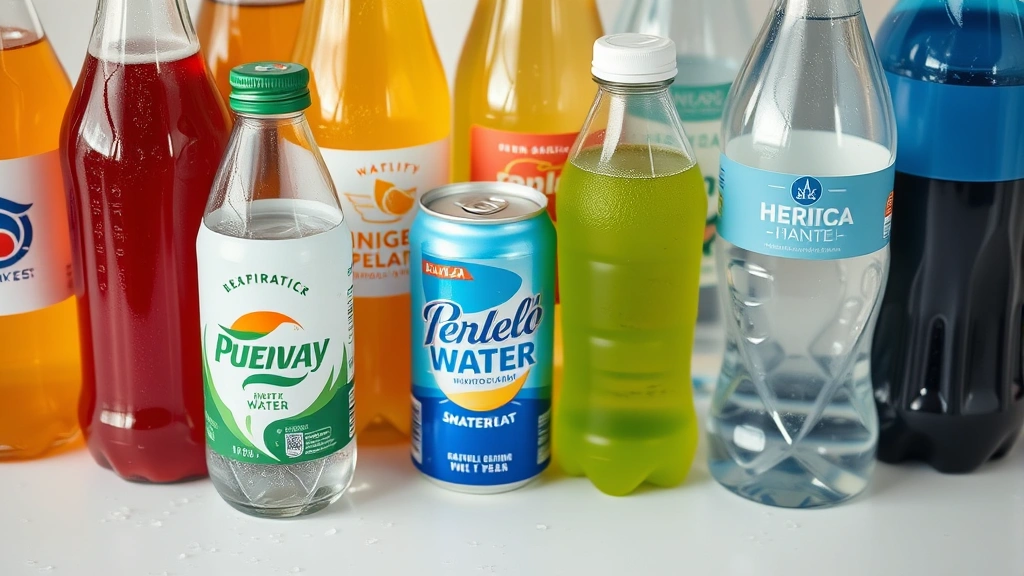
Standard Pepsi Nutrition Breakdown
A standard 12-ounce can of regular Pepsi contains approximately 150 calories, making it a relatively calorie-dense beverage without substantial nutritional value. The breakdown reveals 0 grams of fat, 0 grams of protein, and 41 grams of carbohydrates, with 41 grams of those carbohydrates coming from added sugars. This single serving represents a significant portion of the daily recommended sugar intake for most individuals.
Beyond the macronutrient profile, Pepsi contains minimal essential nutrients. There are trace amounts of sodium (approximately 30-35mg per 12oz serving), potassium, and phosphorus, but no vitamins, minerals, or fiber that would contribute meaningfully to daily nutritional requirements. The beverage is essentially carbonated water, high-fructose corn syrup or sugar, caramel coloring, phosphoric acid, natural flavors, and caffeine—a combination designed for taste and shelf stability rather than nutritional benefit.
When examining Pepsi nutrition facts more closely, it’s important to recognize that larger serving sizes dramatically increase the nutritional impact. A 20-ounce bottle contains 250 calories and approximately 69 grams of sugar, while a 2-liter bottle provides roughly 800 calories and 220 grams of sugar. Understanding serving sizes is critical for accurately assessing the impact of Pepsi consumption on your overall diet, particularly when considering how serving sizes have increased over decades.

Sugar Content and Health Implications
The sugar content in Pepsi represents the most significant nutritional concern for dietitians and health professionals. A single 12-ounce can contains 41 grams of sugar, which exceeds the American Heart Association’s recommended daily sugar intake for women (25 grams) and approaches the limit for men (36 grams). This means consuming just one can of Pepsi can exceed optimal daily sugar consumption, before accounting for sugars from food sources.
Excessive sugar consumption has been extensively documented as a risk factor for numerous health conditions. Research from major health institutions demonstrates clear links between regular sugary beverage consumption and increased risk of type 2 diabetes, obesity, dental decay, and metabolic syndrome. When you maintain a healthy nutrition plan, limiting added sugars is a cornerstone principle that nutrition professionals consistently emphasize.
Pepsi’s sugar typically comes from high-fructose corn syrup (HFCS) or cane sugar, depending on the specific product and region. High-fructose corn syrup has become particularly controversial, with some research suggesting it may be metabolized differently than regular sugar, potentially contributing more directly to insulin resistance and fatty liver disease. The liquid form of these sugars is particularly problematic because it doesn’t trigger satiety signals the way solid foods do, meaning consumers don’t feel as full after consuming sugar-sweetened beverages, making overconsumption more likely.
According to the American Heart Association, regular consumption of sugary beverages is a leading dietary risk factor for preventable death and disease in the United States. The organization explicitly recommends limiting or avoiding sugary drinks, particularly for children and adolescents whose developing bodies are especially vulnerable to metabolic disruption from excessive sugar intake.
Artificial Sweeteners in Diet Pepsi
Diet Pepsi presents an alternative to regular Pepsi by replacing sugar with artificial sweeteners, primarily aspartame, along with acesulfame potassium. While Diet Pepsi contains virtually zero calories and zero sugar, the long-term health implications of artificial sweetener consumption remain a subject of ongoing scientific debate and research.
Aspartame has been extensively studied and approved by the FDA, yet some research suggests potential concerns with regular consumption. A growing body of evidence indicates that artificial sweeteners may alter gut bacteria composition, potentially affecting metabolism and glucose tolerance. Some studies have also suggested associations between artificial sweetener consumption and increased appetite, possibly due to the disconnect between sweet taste and caloric intake that confuses metabolic signaling.
The European Food Safety Authority and other international regulatory bodies have maintained that aspartame is safe at current consumption levels, though they continue monitoring emerging research. However, many dietitians recommend cautious consumption of artificial sweeteners, particularly for individuals trying to reduce their overall dependence on sweet-tasting beverages. The underlying concern is that regular Diet Pepsi consumption may reinforce sweet taste preferences and cravings, making it more difficult to transition to genuinely healthier beverage options.
For those concerned about artificial additives, understanding the difference between various artificial sweeteners is important. Aspartame is a dipeptide methyl ester that breaks down into aspartic acid, phenylalanine, and methanol during digestion. Individuals with phenylketonuria (PKU) must avoid aspartame entirely, which is why Diet Pepsi carries specific warning labels on packaging.
Caffeine and Stimulant Effects
Both regular and Diet Pepsi contain caffeine, with a 12-ounce can providing approximately 35-40 mg of caffeine. While this is less than coffee (which contains 95-200mg per cup), it still represents a meaningful dose of this stimulant, particularly for caffeine-sensitive individuals, children, or those consuming multiple servings daily.
Caffeine functions as a central nervous system stimulant, increasing alertness and temporarily boosting metabolism. However, excessive caffeine consumption can lead to jitteriness, anxiety, sleep disruption, and dependence. For athletes and those focused on nutrition for athletes, understanding caffeine’s effects on hydration and performance is particularly important, as caffeine has mild diuretic properties that can affect electrolyte balance.
The timing of Pepsi consumption matters significantly. Drinking Pepsi in the afternoon or evening can interfere with sleep quality due to caffeine’s long half-life (approximately 5-6 hours), meaning half of the caffeine you consume remains in your system hours after drinking. Poor sleep quality subsequently affects metabolism, appetite regulation, and overall health outcomes.
For children and adolescents, caffeine consumption from soft drinks represents a particular concern. The American Academy of Pediatrics recommends that children avoid caffeine-containing beverages, yet many young people regularly consume Pepsi and other sodas. This early exposure to caffeine and sugar combinations can establish unhealthy beverage patterns that persist into adulthood.
Sodium and Electrolyte Concerns
While Pepsi’s sodium content (approximately 30-35mg per 12oz) is relatively modest compared to many processed foods, the concern isn’t sodium quantity but rather the overall sodium-to-nutrient ratio. Pepsi provides sodium without meaningful accompanying electrolytes, vitamins, or minerals that would make it beneficial in any nutritional context.
The phosphoric acid in Pepsi presents a separate concern regarding electrolyte balance and bone health. Phosphoric acid is a weak acid used as a preservative and flavoring agent, but regular consumption has been associated with altered calcium and phosphorus metabolism. Some research suggests that excessive phosphoric acid consumption may interfere with calcium absorption and contribute to weakened bone density over time, particularly concerning for post-menopausal women and older adults already at risk for osteoporosis.
Additionally, the combination of caffeine and phosphoric acid may have subtle effects on mineral absorption. While a single serving of Pepsi won’t cause significant problems, regular consumption patterns can cumulatively affect nutrient status, particularly when Pepsi replaces more nutritious beverages like milk, fortified plant-based alternatives, or water.
Pepsi vs Healthier Alternatives
When considering beverage choices, understanding how Pepsi compares to alternatives is essential. Water remains the gold standard—calorie-free, sugar-free, and essential for every biological process. Herbal teas, both hot and cold, provide hydration plus phytonutrients and antioxidants without added sugars or artificial ingredients. Sparkling water offers the carbonation that some Pepsi drinkers enjoy without the sugar, calories, or additives.
For those seeking nutritional value alongside beverage consumption, nutrition facts about avocados and other whole foods remind us that meaningful nutrition comes from solid foods, not beverages. If you’re consuming Pepsi for energy, consider that the crash following the initial caffeine and sugar rush typically leads to fatigue and increased cravings.
Coconut water provides natural electrolytes and minerals that make it suitable for post-workout hydration, though it contains natural sugars that should be accounted for in daily intake. Unsweetened plant-based milks offer protein and micronutrients, making them nutritionally superior to any soft drink. Coffee and tea, when consumed without added sugar, provide beneficial compounds including polyphenols and antioxidants associated with reduced disease risk.
The transition away from Pepsi doesn’t require complete deprivation. Gradually reducing consumption, diluting sodas with sparkling water, or shifting to occasional consumption as a treat rather than daily habit makes the transition more sustainable. Many individuals find that after reducing sugar-sweetened beverage consumption for several weeks, their taste preferences shift, making unsweetened beverages increasingly appealing.
What Dietitians Actually Recommend
Professional dietitians and nutrition organizations maintain consistent messaging regarding Pepsi and similar sugary beverages: they should be eliminated or severely limited from regular consumption patterns. The Academy of Nutrition and Dietetics explicitly recommends water as the primary beverage, with occasional consumption of other drinks accounting for minimal added sugar.
For individuals currently consuming Pepsi regularly, dietitians typically recommend a gradual reduction approach rather than abrupt elimination, which often leads to rebound consumption. A practical strategy involves replacing one Pepsi daily with water or herbal tea, then progressively increasing the substitution ratio. This approach allows taste preferences to adjust while preventing the psychological resistance that comes with perceived deprivation.
Dietitians also emphasize reading nutrition labels carefully, as many consumers underestimate their actual beverage consumption. Tracking daily intake for one week often reveals surprising patterns—many people consuming Pepsi with lunch and dinner plus occasional afternoon servings consume 300+ grams of sugar weekly from beverages alone, equivalent to nearly a pound of sugar.
For individuals with specific health conditions, Pepsi recommendations become even more restrictive. Those managing diabetes, prediabetes, or obesity should avoid both regular and diet versions, as research indicates artificial sweeteners may worsen metabolic outcomes. Individuals with hypertension should consider sodium intake from all sources, including beverages. Those concerned about dental health should recognize that both the sugar and acidic content of Pepsi damage tooth enamel and promote cavity formation.
The broader recommendation centers on establishing a healthy approach to nutrition that prioritizes whole foods and minimally processed beverages. Dietitians recognize that nutrition exists within the context of overall lifestyle, stress management, sleep quality, and physical activity. However, reducing or eliminating sugary beverages represents one of the most impactful changes individuals can make for metabolic health, with benefits appearing within weeks of dietary modification.
Research from Pew Research Center indicates that awareness of sugary beverage health risks has increased substantially, yet consumption patterns remain stubbornly persistent, particularly among younger demographics. This suggests that knowledge alone doesn’t drive behavior change—environmental modifications, social support, and gradual habit substitution prove more effective than information provision.
Professional nutrition counseling can provide personalized strategies for beverage transition based on individual preferences, health status, and consumption patterns. Working with a registered dietitian helps identify underlying drivers of Pepsi consumption—whether social habit, energy needs, taste preference, or stress management—and develop targeted interventions addressing root causes rather than symptoms.
FAQ
How much sugar is actually in Pepsi?
A standard 12-ounce can of Pepsi contains 41 grams of sugar, equivalent to approximately 10 teaspoons. A 20-ounce bottle contains 69 grams, and a 2-liter bottle contains approximately 220 grams of sugar total.
Is Diet Pepsi healthier than regular Pepsi?
Diet Pepsi eliminates sugar and calories but replaces them with artificial sweeteners. While it’s technically lower in calories, emerging research suggests artificial sweeteners may have metabolic effects that dietitians are still evaluating. Neither represents a genuinely healthy choice compared to water or unsweetened beverages.
Can I drink Pepsi if I have diabetes?
Dietitians recommend that individuals with diabetes avoid both regular Pepsi (due to sugar content) and Diet Pepsi (due to artificial sweeteners and potential metabolic effects). Water, unsweetened tea, and sugar-free beverages without artificial sweeteners represent better choices.
How much caffeine does Pepsi contain?
A 12-ounce can of Pepsi contains approximately 35-40 mg of caffeine. While less than coffee, this still represents a meaningful dose, particularly for caffeine-sensitive individuals or those consuming multiple servings daily.
What are the main ingredients in Pepsi?
Pepsi’s primary ingredients are carbonated water, high-fructose corn syrup or sugar, caramel coloring, phosphoric acid, natural flavors, and caffeine. Some formulations also include sodium benzoate as a preservative.
How can I reduce my Pepsi consumption?
Dietitians recommend gradual reduction, replacing one serving daily with water or herbal tea, then progressively increasing substitution. Many people find that after several weeks without sugary beverages, taste preferences shift toward unsweetened options.
Are there health benefits to Pepsi?
No. Pepsi provides calories, sugar, and caffeine without meaningful nutritional benefits. Any perceived energy boost is temporary and typically followed by a crash that increases fatigue and cravings.
What do nutrition experts say about Pepsi?
Nutrition experts, including the American Heart Association and Academy of Nutrition and Dietetics, recommend limiting or eliminating sugary beverages like Pepsi due to links with obesity, type 2 diabetes, dental decay, and metabolic syndrome.


