Pork Rinds: Healthy Snack? Dietitian Explains
Pork rinds have experienced a remarkable resurgence in popularity, particularly among followers of low-carb and ketogenic diets. Once relegated to gas station snack aisles and considered purely indulgent junk food, these crispy morsels of fried pork skin have been repositioned by nutrition enthusiasts as a protein-rich, carb-free alternative to traditional snacks. But does this redemption narrative hold up under nutritional scrutiny? Understanding the true pork rinds nutrition facts requires examining their macronutrient profile, ingredient composition, and how they fit within a balanced dietary framework.
The conversation around pork rinds reflects broader shifts in how we evaluate foods. Rather than applying blanket judgments about “healthy” versus “unhealthy,” modern nutrition science emphasizes context, portion control, and individual dietary goals. This article explores what registered dietitians actually say about pork rinds, examining both their nutritional benefits and legitimate health concerns that deserve consideration.
Pork Rinds Nutrition Facts: Breaking Down the Numbers
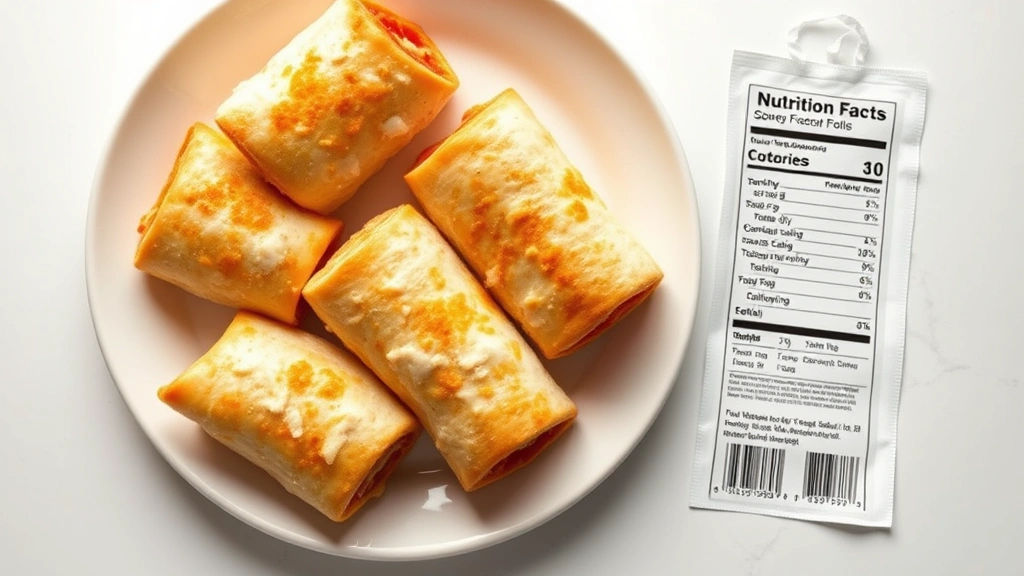
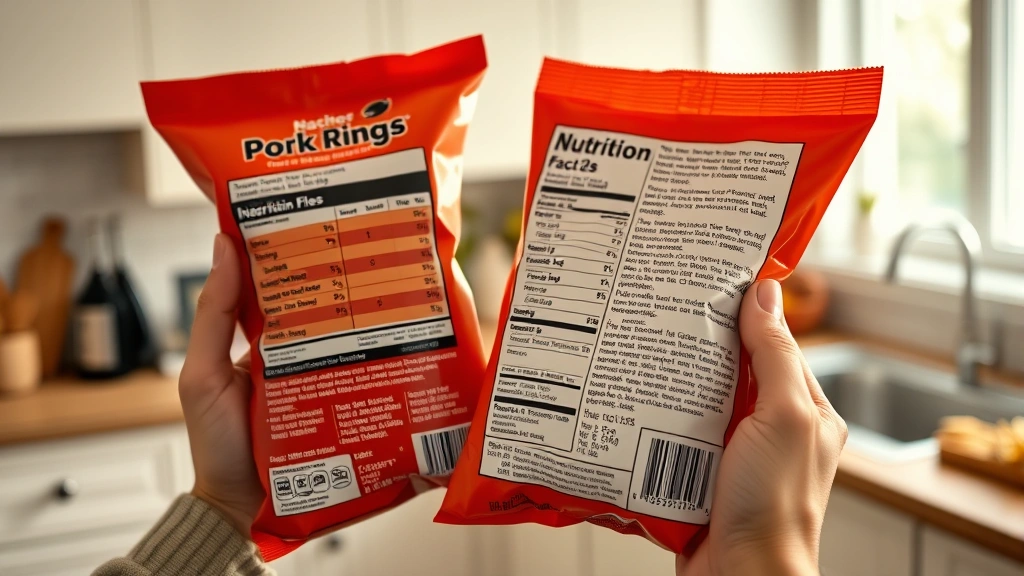
A standard one-ounce serving of pork rinds typically contains approximately 160 calories, 10 grams of fat, 17 grams of protein, and zero grams of carbohydrates. These macronutrient ratios immediately explain their popularity among ketogenic dieters, who prioritize high-fat, high-protein foods while minimizing carbohydrate intake. However, the complete nutritional picture extends beyond these headline figures.
The specific composition varies depending on the brand and preparation method. Some manufacturers produce baked versions with slightly lower fat content, while traditional fried varieties maintain higher fat percentages. Flavored varieties introduce additional sodium and potentially problematic additives, making plain pork rinds a more straightforward nutritional choice. When evaluating any packaged snack, examining the ingredient list becomes as important as reviewing the nutrition label itself.
Comparing pork rinds to other popular low-carb snacks reveals interesting distinctions. Unlike cheese crisps or nuts, pork rinds contain virtually no fiber and minimal micronutrient density relative to their caloric content. This characteristic matters when considering how they fit within a comprehensive approach to healthy nutrition planning. The absence of carbohydrates and fiber means pork rinds don’t significantly impact blood sugar levels, which appeals to individuals managing diabetes or following metabolic health protocols.
Protein Content and Amino Acid Profile
The protein story surrounding pork rinds deserves particular attention, as this represents their strongest nutritional argument. At 17 grams of protein per ounce, pork rinds deliver impressive protein density—comparable to many traditional protein sources. More importantly, pork skin is rich in collagen, a structural protein that comprises approximately 70-80% of the dry weight of pork rinds.
Collagen protein differs from complete proteins found in muscle tissue, as it lacks certain amino acids in optimal ratios for human protein synthesis. However, collagen provides glycine, proline, and hydroxyproline—amino acids with specific physiological functions. Glycine supports glutathione production and cellular detoxification, while proline contributes to connective tissue integrity. Recent research has explored collagen’s potential benefits for joint health, skin elasticity, and gut barrier function, though much of this research remains preliminary.
The distinction between collagen protein and complete proteins matters contextually. If pork rinds represent your primary protein source, you’re missing essential amino acids and the full spectrum of nutrients found in muscle-based proteins. However, when consumed as a supplementary protein source within a diet already containing complete proteins from meat, fish, eggs, or legumes, the collagen contribution becomes less problematic. Consider pork rinds as a protein-rich snack rather than a replacement for primary protein sources.
This positioning aligns with how nutrition professionals recommend approaching snacking within a balanced diet. Rather than viewing snacks as nutritional afterthoughts, strategic snacking can support protein intake goals throughout the day, particularly for individuals with elevated protein requirements or those managing appetite hormones.
Fat Composition: Understanding the Details
The fat content in pork rinds presents a nuanced situation that requires moving beyond simplistic saturated fat concerns. Traditional nutritional guidance demonized saturated fat broadly, but contemporary research has challenged this oversimplification. A 2019 meta-analysis published in the American Journal of Clinical Nutrition found that the relationship between saturated fat consumption and cardiovascular disease is more complex than previously assumed, particularly when considering the overall dietary pattern and individual metabolic factors.
Pork skin fat composition includes approximately 45% saturated fat, 45% monounsaturated fat, and 10% polyunsaturated fat. This distribution is notably different from beef fat, containing a higher proportion of monounsaturated fats. The saturated fats present include stearic acid, which research suggests may have neutral or even beneficial effects on cholesterol profiles compared to other saturated fatty acids.
The preparation method significantly impacts fat quality. Pork rinds fried in industrial seed oils (rich in omega-6 polyunsaturated fats) differ nutritionally from those fried in tallow or other traditional fats. The heating process and potential oxidation of oils during frying introduces oxidized lipids, which some researchers associate with inflammatory responses in the body. This concern applies to most fried foods, not exclusively to pork rinds, but it remains relevant when evaluating their overall health impact.
For individuals following low-carbohydrate diets where fat comprises 70% or more of calories, pork rinds fit naturally into macronutrient targets. However, for those consuming moderate-fat diets with emphasis on whole foods, the caloric density and fat concentration of pork rinds warrants portion awareness. Balancing pork rinds consumption with nutrient-dense fat sources like avocados, nuts, and fatty fish ensures adequate intake of essential fatty acids and fat-soluble vitamins.
Sodium Levels and Health Implications
One of the most significant health concerns surrounding pork rinds involves their sodium content. A one-ounce serving typically contains 400-600 milligrams of sodium, representing 17-26% of the recommended daily intake. For flavored varieties, sodium content can exceed 700 milligrams per serving. When consumed casually—grabbing a handful here and there—sodium accumulation occurs rapidly.
Excessive sodium intake correlates with elevated blood pressure, particularly in sodium-sensitive individuals. The American Heart Association recommends limiting sodium to 2,300 milligrams daily, though many public health organizations suggest 1,500 milligrams as optimal for cardiovascular health. For individuals with hypertension, kidney disease, or genetic predisposition to salt sensitivity, pork rinds consumption requires careful monitoring and moderation.
However, context matters significantly. For individuals engaging in intense exercise, particularly in hot climates, modest sodium intake from pork rinds might actually support electrolyte balance. Athletes and active individuals often need more sodium than sedentary populations, as sodium losses through perspiration increase mineral requirements. In this specific context, the sodium content becomes less problematic.
Manufacturers have responded to health-conscious consumers by developing lower-sodium pork rinds options, typically containing 200-300 milligrams per serving. These alternatives allow individuals who enjoy the snack to participate without sodium-related health concerns dominating the equation. Reading labels carefully and selecting reduced-sodium varieties represents a practical strategy for incorporating pork rinds into a health-conscious diet.
Micronutrient Content and Mineral Benefits
Beyond macronutrients, examining micronutrient composition reveals both strengths and limitations. Pork rinds provide meaningful amounts of selenium, a trace mineral supporting thyroid function and antioxidant defense. A one-ounce serving delivers approximately 25-30% of the daily recommended selenium intake, a notable contribution from a small serving size.
Phosphorus content in pork rinds also reaches significant levels, supporting bone health and energy metabolism. However, the phosphorus-to-calcium ratio skews heavily toward phosphorus without meaningful calcium contribution. When consumed as part of a balanced diet including adequate calcium sources, this imbalance presents minimal concern. For individuals relying heavily on pork rinds without ensuring sufficient calcium intake, the phosphorus-dominant mineral profile might warrant attention.
Pork rinds contain minimal iron, vitamin B12, or zinc compared to muscle-based pork products. This distinction matters when positioning pork rinds within a nutritional strategy. They function as a complementary protein and mineral source rather than a comprehensive nutritional contributor. This reality underscores why dietitians emphasize variety in food selection and why pork rinds shouldn’t dominate your snacking choices.
The micronutrient profile also lacks fiber, vitamin C, and significant amounts of B vitamins beyond trace amounts. For individuals concerned about micronutrient density, incorporating pork rinds alongside vegetable-based snacks or nutrient-rich foods like avocados creates more balanced snacking patterns. This complementary approach maximizes nutritional benefit while satisfying the desire for varied textures and flavors.
Comparison with Alternative Snacks
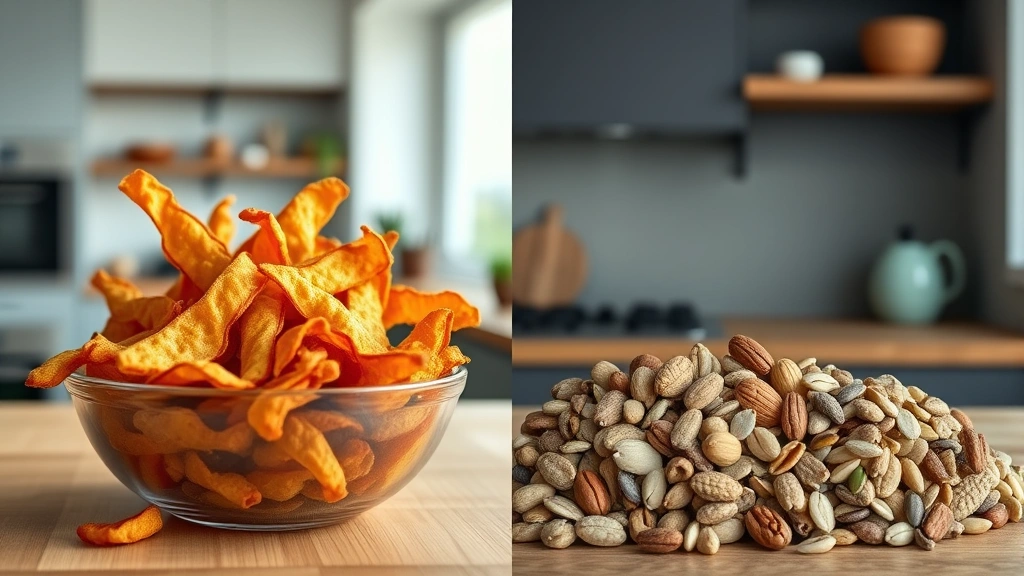
Evaluating pork rinds requires contextualizing them within the broader snacking landscape. Compared to traditional potato chips, pork rinds offer superior protein content and zero carbohydrates, making them objectively preferable for low-carb dieters. Compared to pretzels, they provide more satiety due to higher fat and protein content, potentially supporting better appetite regulation.
When compared to nuts and seeds, however, pork rinds show nutritional disadvantages. Almonds and walnuts provide fiber, vitamin E, magnesium, and beneficial plant compounds alongside their protein and healthy fats. Pumpkin seeds deliver zinc, magnesium, and polyunsaturated fats. These alternatives offer micronutrient density that pork rinds simply cannot match. For individuals seeking maximum nutritional return from snacking calories, nuts represent a superior choice.
Cheese crisps present an interesting comparison point. These snacks offer similar macronutrient profiles to pork rinds but include calcium and additional micronutrients from dairy sources. The choice between pork rinds and cheese crisps might depend on individual preferences and dietary goals rather than clear nutritional superiority of one option.
Whole food snacks—hard-boiled eggs, Greek yogurt, cottage cheese, and vegetable-based options—consistently outperform processed snacks including pork rinds in terms of overall nutritional density. Registered dietitians typically recommend prioritizing whole foods while allowing processed snacks a modest place in a balanced eating pattern. Pork rinds can fit this secondary role effectively, particularly for individuals following ketogenic or low-carb protocols where options remain limited.
Digestive Considerations and Collagen
The digestive impact of pork rinds deserves consideration, particularly for individuals with sensitive digestive systems. The high fat content can trigger digestive discomfort in some people, especially those with gallbladder issues or fat malabsorption disorders. The processed nature and lack of fiber mean pork rinds provide no digestive benefits and might actually contribute to constipation if consumed in large quantities without adequate hydration and fiber from other sources.
Collagen’s digestive fate presents an interesting biochemical question. When you consume pork rinds, the collagen undergoes acid denaturation in the stomach, converting to gelatin. This gelatin-like substance then enters the small intestine, where it’s broken down into amino acids for absorption. Unlike some supplement marketing suggests, consuming collagen doesn’t directly provide “collagen to your joints.” Instead, the amino acids are absorbed and distributed throughout the body according to physiological needs.
However, some research suggests that collagen peptides and gelatin might support joint health through mechanisms beyond simple amino acid provision. PubMed research databases contain emerging evidence that specific collagen-derived peptides might influence cartilage metabolism, though this research remains preliminary. For individuals with joint concerns, pork rinds might provide modest benefit, though more targeted interventions typically prove more effective.
The satiety effect of pork rinds warrants mention. The combination of protein and fat creates substantial satiety signaling, meaning relatively small quantities can produce meaningful fullness sensations. This characteristic supports their use as a strategic snack for appetite management, potentially reducing overall calorie consumption when consumed mindfully rather than eaten unconsciously.
Practical Guidelines for Consumption
Registered dietitians approaching pork rinds with evidence-based pragmatism typically offer these guidelines: pork rinds can fit within a healthy diet when consumed in moderation, selected in reduced-sodium varieties, and positioned as a supplementary snack rather than a staple food. For individuals following ketogenic or low-carbohydrate diets, pork rinds represent a convenient, portable option that supports macronutrient targets.
Portion control emerges as the critical variable. A reasonable serving size—approximately one ounce or a small handful—provides protein and satiety without excessive sodium or caloric intake. Consuming entire bags in single sittings transforms pork rinds from a reasonable snack into a problematic consumption pattern. Mindful eating practices, including eating from a bowl rather than directly from the bag and paying attention to satiety signals, support healthier relationships with pork rinds.
For individuals with specific health conditions, pork rinds warrant consideration within broader dietary strategies. Those managing hypertension should prioritize reduced-sodium varieties and limit frequency. Individuals with digestive sensitivities might find pork rinds problematic and should experiment cautiously. People with elevated cholesterol might benefit from limiting saturated fat intake, though the evidence suggests pork rinds consumed in moderation within an otherwise healthy diet present minimal concern.
Incorporating pork rinds alongside complementary snacks creates more balanced snacking patterns. Pairing pork rinds with vegetables, fruit, or nuts increases micronutrient intake and fiber content. This combination approach addresses pork rinds’ nutritional limitations while maintaining the satisfaction and convenience they provide. Many individuals find that combining pork rinds with raw vegetables creates a satisfying snack with improved nutritional profile compared to either option alone.
The psychological dimension of food choices deserves recognition. If you enjoy pork rinds, incorporating them mindfully into your diet supports adherence to broader nutritional goals better than rigid restriction. Nutrition science increasingly emphasizes that sustainable healthy eating requires balancing nutritional optimization with genuine food enjoyment and cultural food preferences. For many people, pork rinds hold nostalgic or cultural significance that extends beyond pure nutrition.
Exploring how pork rinds fit within your individual context—your dietary goals, health status, activity level, and food preferences—allows for personalized decision-making. Someone following a healthy nutrition plan might integrate pork rinds differently than someone managing diabetes or hypertension. This individualized approach reflects modern nutrition science’s recognition that one-size-fits-all dietary recommendations often prove ineffective.
FAQ
Are pork rinds actually healthy?
Pork rinds occupy a nutritional middle ground. They’re not inherently unhealthy, but they’re not nutrient-dense superfoods either. They work well as a protein-rich, low-carb snack within a balanced diet, particularly for ketogenic dieters. However, they shouldn’t displace more nutrient-dense whole foods like vegetables, fruits, nuts, and fish. Moderation and context determine whether they fit your health goals.
How much sodium is in pork rinds?
Standard pork rinds contain 400-600 milligrams of sodium per one-ounce serving, representing roughly 17-26% of daily recommended intake. Flavored varieties can exceed 700 milligrams. Reduced-sodium options contain 200-300 milligrams per serving. For individuals managing hypertension or sodium sensitivity, reduced-sodium varieties represent the better choice.
Do pork rinds have any nutritional benefits?
Yes, several. They provide substantial protein (17 grams per ounce), collagen with potential joint health benefits, selenium for thyroid function, and zero carbohydrates. They support satiety and fit well within low-carb dietary frameworks. However, they lack fiber, vitamin C, and significant micronutrient diversity compared to whole food alternatives.
Can you eat pork rinds on a diet?
Absolutely, particularly if following ketogenic or low-carbohydrate diets. Their protein and fat content support satiety, potentially reducing overall calorie consumption. However, portion awareness remains important—consuming entire bags undermines dietary goals. As part of a mindful eating approach with attention to portions, pork rinds can support weight management.
Are pork rinds better than chips?
Compared to traditional potato chips, pork rinds offer superior protein content and zero carbohydrates, making them preferable for most dietary contexts. However, compared to nuts, seeds, and whole food snacks, pork rinds show nutritional disadvantages due to lower micronutrient density and lack of fiber. The “best” snack depends on your individual goals and dietary approach.
What does research say about pork rinds?
Direct research specifically on pork rinds remains limited. However, broader research on collagen, protein intake, and low-carbohydrate diets informs our understanding. Studies support collagen’s potential role in joint health and show that high-protein snacks support satiety and metabolic function. Research also confirms that sodium intake matters for cardiovascular health, supporting the case for reduced-sodium varieties.