
Prime Nutrition Benefits? Expert Insights on Achieving Optimal Wellness
The term “prime nutrition” has become increasingly prevalent in wellness circles, yet many people remain uncertain about what it truly means and how to achieve it. Prime nutrition represents the strategic consumption of nutrient-dense foods that maximize health outcomes, support bodily functions, and prevent chronic disease. In our modern food environment, where processed options dominate grocery shelves, understanding prime nutrition benefits has never been more critical to long-term wellbeing.
Expert nutritionists and health researchers have spent decades investigating which dietary approaches deliver the most significant health returns. The consensus emerging from this research is clear: prime nutrition isn’t about restrictive dieting or complex supplementation protocols. Instead, it centers on consuming whole foods rich in essential vitamins, minerals, antioxidants, and macronutrients that your body genuinely needs. This comprehensive guide explores what prime nutrition means, the documented benefits supported by scientific research, and actionable strategies to implement these principles into your daily life.
Whether you’re managing a chronic health condition, seeking to optimize athletic performance, or simply wanting to feel your best, understanding prime nutrition benefits can fundamentally transform your relationship with food and your overall health trajectory.
What Is Prime Nutrition?
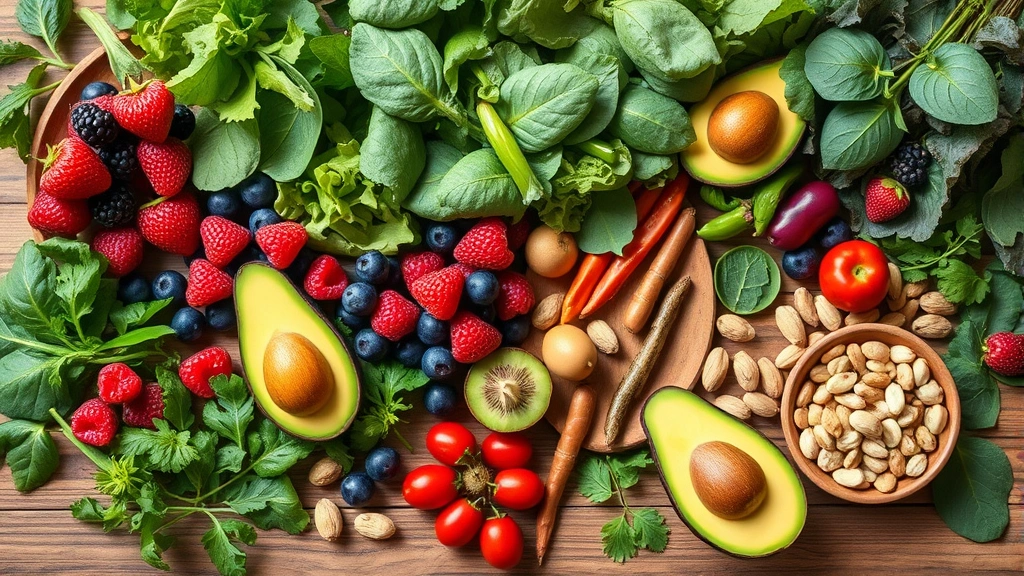
Prime nutrition fundamentally differs from conventional dietary approaches because it prioritizes nutrient quality over caloric quantity. Rather than simply counting calories, prime nutrition examines the micronutrient profile of foods—the vitamins, minerals, phytonutrients, and other bioactive compounds that drive physiological functions. When you embrace prime nutrition principles, you’re essentially asking: “Does this food provide meaningful nutritional value that supports my body’s optimal functioning?”
The concept builds on decades of nutritional epidemiology research, which has consistently demonstrated that populations consuming whole, minimally processed foods experience dramatically lower rates of obesity, diabetes, cardiovascular disease, and certain cancers. Research institutions like Harvard School of Public Health’s Nutrition Source have documented these patterns across diverse populations worldwide, revealing that dietary patterns matter profoundly for long-term health outcomes.
Prime nutrition emphasizes several foundational principles: prioritizing plant-based whole foods, selecting high-quality protein sources, incorporating healthy fats from diverse origins, and minimizing ultra-processed foods laden with added sugars and artificial ingredients. This approach acknowledges that your body requires specific nutrients to function optimally—and those nutrients are most bioavailable when consumed in their natural food matrix rather than isolated supplement form.
Key Benefits of Prime Nutrition
The documented benefits of embracing prime nutrition principles extend across virtually every system in your body. Research has consistently shown that individuals following nutrient-dense eating patterns experience improvements in energy levels, mental clarity, immune function, and metabolic health. Let’s explore the most significant benefits substantiated by scientific evidence.
Enhanced Energy and Metabolic Function: When you consume nutrient-dense foods, your body receives the micronutrients necessary for efficient energy production at the cellular level. B vitamins facilitate metabolic processes, iron enables oxygen transport, and magnesium supports ATP synthesis—the fundamental energy currency of your cells. Many people report experiencing sustained energy throughout the day after transitioning to prime nutrition, without the energy crashes associated with processed foods high in refined carbohydrates.
Improved Cognitive Performance: Your brain represents approximately 2% of your body weight yet consumes roughly 20% of your daily energy expenditure. Prime nutrition directly supports cognitive function through omega-3 fatty acids, B vitamins, antioxidants, and minerals that protect neural tissue and support neurotransmitter synthesis. A comprehensive review published in Nutrients journal documented that dietary patterns emphasizing whole foods consistently correlated with better memory, processing speed, and overall cognitive performance across age groups.
Strengthened Immune Function: Your immune system requires specific nutrients to mount effective responses against pathogens. Vitamin C, zinc, vitamin D, selenium, and various polyphenols all play critical roles in immune cell development and function. Prime nutrition ensures you’re consuming adequate quantities of these immune-supporting compounds through whole food sources, which often contain complementary nutrients that enhance absorption and efficacy.
Weight Management Without Deprivation: Nutrient-dense foods typically contain higher satiety per calorie compared to processed alternatives. Fiber, protein, and water content in whole foods create greater fullness signals, naturally reducing overall caloric intake without conscious restriction. This mechanism explains why individuals transitioning to a healthy nutrition plan often achieve sustainable weight loss without experiencing the hunger and fatigue associated with restrictive dieting.
Reduced Inflammation: Chronic inflammation underlies most modern diseases, from arthritis to cardiovascular disease to cognitive decline. Prime nutrition emphasizes anti-inflammatory foods rich in polyphenols, omega-3 fatty acids, and other bioactive compounds that actively reduce systemic inflammation. Foods like fatty fish, leafy greens, berries, and olive oil contain compounds that suppress pro-inflammatory signaling pathways, creating a biological environment that supports healing and disease prevention.
Understanding Nutrient Density and Food Quality
Nutrient density represents the amount of micronutrients relative to caloric content. A food might be low in calories but high in vitamins and minerals—this represents high nutrient density. Conversely, many processed foods deliver substantial calories with minimal nutritional value, creating a nutrient-poor caloric load that leaves your body undernourished despite adequate energy intake.
Consider the difference between a candy bar and an apple of similar caloric content. The candy bar provides simple sugars and little else nutritionally. The apple, meanwhile, delivers fiber, vitamin C, polyphenols, potassium, and various phytonutrients that support multiple bodily systems. Your body recognizes and responds to these different nutrient profiles distinctly, which explains why calorie-for-calorie substitution of processed foods doesn’t produce equivalent health outcomes.
Understanding food quality extends beyond individual nutrients to encompassing how foods are produced and processed. Foods grown in nutrient-rich soil contain higher micronutrient concentrations. Minimally processed foods retain more bioactive compounds compared to heavily processed versions. Grass-fed animal products contain different fatty acid profiles than grain-fed alternatives. Prime nutrition considers these nuances, recognizing that the source and processing method of foods meaningfully impacts their nutritional value and health effects.
Resources like the nutrition facts about avocados illustrate how single foods can deliver remarkable nutrient density—avocados provide healthy fats, fiber, potassium, vitamin K, and numerous phytonutrients in a relatively modest portion.
Implementation Strategies for Prime Nutrition Success
Transitioning to prime nutrition doesn’t require perfection or dramatic overnight changes. Instead, sustainable implementation involves gradual shifts that build new habits while maintaining enjoyment and social flexibility. Here are evidence-based strategies that facilitate successful adoption:
Start with Addition Rather Than Subtraction: Rather than immediately eliminating foods you enjoy, begin adding nutrient-dense options to your current diet. Include an extra serving of vegetables at dinner, add berries to breakfast, incorporate nuts as snacks. This addition-focused approach reduces psychological resistance while naturally displacing some less nutritious options through simple space constraints on your plate and in your appetite.
Prioritize Fiber-Rich Foods: Dietary fiber represents one of the most impactful nutrients for health, yet most people consume far below recommended quantities. Gradually increasing fiber from whole grains, legumes, vegetables, and fruits supports digestive health, stabilizes blood sugar, feeds beneficial gut bacteria, and promotes sustained satiety. The key is increasing fiber gradually while increasing water intake to avoid digestive discomfort.
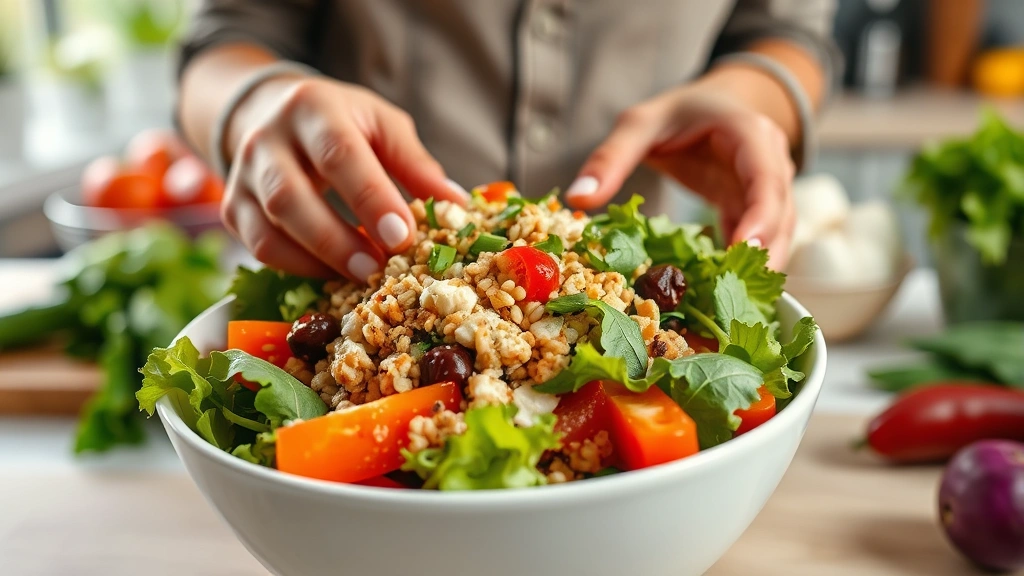
Master Basic Meal Preparation: Effective meal planning removes barriers to prime nutrition by ensuring healthy options are conveniently available. Dedicating a few hours weekly to preparing grains, roasting vegetables, cooking proteins, and assembling simple components makes it dramatically easier to construct nutritious meals throughout the week. This practical strategy addresses the most common obstacle to dietary improvement: convenience and time constraints.
Build a Diverse Vegetable Repertoire: Nutritional research consistently demonstrates that dietary diversity—particularly vegetable diversity—predicts long-term health outcomes better than individual foods. Aim to consume vegetables representing different colors and botanical families throughout the week. Different colored vegetables contain different phytonutrient profiles: orange vegetables provide carotenoids, purple vegetables contain anthocyanins, dark greens deliver lutein and zeaxanthin. This diversity ensures you’re obtaining a broad spectrum of bioactive compounds.
Understand Your Personal Nutritional Needs: While prime nutrition principles apply universally, your specific nutrient requirements vary based on age, sex, activity level, health status, and genetic factors. Someone training intensively for athletic competition requires different macronutrient ratios than a sedentary individual. A woman in her reproductive years requires different iron quantities than a postmenopausal woman. Consulting with a registered dietitian can help personalize prime nutrition principles to your unique circumstances.
Prime Nutrition and Disease Prevention
Perhaps the most compelling evidence supporting prime nutrition comes from epidemiological research documenting disease prevention outcomes. Populations consuming nutrient-dense whole food diets experience dramatically reduced rates of chronic diseases that plague developed nations.
Cardiovascular disease, the leading cause of death globally, demonstrates strong inverse associations with prime nutrition patterns. Research from the American Heart Association has consistently shown that diets emphasizing whole grains, legumes, nuts, fish, and plant-based foods reduce cardiovascular events by 20-30% compared to typical Western dietary patterns. These benefits arise through multiple mechanisms: reduced blood pressure, improved cholesterol profiles, decreased inflammation, and enhanced endothelial function.
Type 2 diabetes prevention represents another area where prime nutrition demonstrates remarkable efficacy. The Diabetes Prevention Program, a landmark clinical trial, demonstrated that dietary improvements combined with modest physical activity reduced diabetes incidence by 58% in at-risk populations. Participants didn’t require extreme dietary restriction—simply shifting toward whole foods, reducing added sugars, and increasing physical activity produced profound metabolic improvements.
Mental Health Connections: Emerging research increasingly recognizes bidirectional relationships between nutrition and mental health outcomes. Studies have documented associations between prime nutrition patterns and reduced depression and anxiety risk. Mechanisms include improved gut microbiome composition (which influences neurotransmitter synthesis), reduced systemic inflammation (which affects mood regulation), and adequate micronutrient status for neural function. This connection suggests that dietary improvements may offer complementary benefits to conventional mental health treatments.
Cancer Risk Reduction: While no single food prevents cancer, dietary patterns emphasizing plant foods, whole grains, and limited processed meats consistently show reduced cancer risk across numerous studies. Protective mechanisms include antioxidant and anti-inflammatory compounds, fiber-mediated improvements in gut health, and reduced obesity (itself a cancer risk factor). The World Health Organization’s International Agency for Research on Cancer acknowledges that dietary patterns substantially influence cancer risk.
FAQ
What exactly qualifies as “prime nutrition”?
Prime nutrition encompasses eating patterns emphasizing nutrient-dense whole foods—vegetables, fruits, legumes, whole grains, nuts, seeds, quality proteins, and healthy fats—while minimizing ultra-processed foods, added sugars, and artificial ingredients. It’s not a specific diet but rather a framework prioritizing food quality and nutritional value.
Can I follow prime nutrition principles while eating plant-based?
Absolutely. Plant-based diets can absolutely embody prime nutrition principles by emphasizing legumes for protein and iron, varied vegetables for micronutrients, whole grains for fiber, and nuts and seeds for healthy fats. The key is ensuring adequate protein, vitamin B12, iron, and omega-3 fatty acids through thoughtful food selection or supplementation when appropriate.
How quickly will I notice benefits from adopting prime nutrition?
Energy and digestion improvements often appear within 1-2 weeks. Sustained weight loss typically becomes apparent within 4-6 weeks. Improvements in chronic disease markers like blood sugar and cholesterol require 8-12 weeks minimum, though benefits continue accumulating over months and years.
Is prime nutrition expensive?
Prime nutrition doesn’t require expensive specialty foods or supplements. Seasonal vegetables, bulk grains and legumes, frozen fruits, and whole eggs represent affordable nutrient-dense options. Strategic shopping and meal preparation often reduce food costs compared to frequent consumption of processed foods and restaurant meals.
Can I follow prime nutrition if I have food allergies or intolerances?
Yes. Prime nutrition principles remain applicable regardless of food restrictions. Whether avoiding gluten, dairy, nuts, or other allergens, you can construct nutrient-dense meals using alternative whole foods. Consulting a registered dietitian ensures your restricted diet still provides complete nutrition.
What’s the relationship between prime nutrition and supplements?
Prime nutrition prioritizes obtaining nutrients from whole foods whenever possible, as food-based nutrients often come with complementary compounds that enhance absorption and efficacy. However, certain supplements may be appropriate—vitamin D in limited sunlight climates, B12 for vegans, iron for some women—but shouldn’t replace nutritious eating patterns.
Visit the Nutrients Pathway Blog for additional evidence-based nutrition information and practical guidance on implementing these principles into your lifestyle.


