Quaker Oats Nutrition: Dietitian’s Insight
Quaker Oats has been a breakfast staple in American households for over 140 years, but understanding its actual nutritional value requires more than just marketing claims. As a registered dietitian, I’ve analyzed countless breakfast cereals and oatmeal products, and Quaker Oats deserves a comprehensive examination that goes beyond the nutrition label. This guide breaks down exactly what you’re consuming when you pour a bowl of Quaker Oats, explores how it fits into a healthy nutrition plan, and reveals whether this iconic brand lives up to its wholesome reputation.
The landscape of breakfast nutrition has evolved dramatically, with consumers increasingly scrutinizing ingredients and questioning whether traditional oat products align with modern dietary science. Quaker Oats, owned by PepsiCo, has positioned itself as a heart-healthy option, but the reality is more nuanced. Different Quaker Oats products contain vastly different nutritional profiles, and choosing the right variant can mean the difference between a genuinely nutritious breakfast and one loaded with added sugars and artificial ingredients.
Quaker Oats Nutrition Basics: What’s Actually in Your Bowl
A standard serving of Quaker Oats (½ cup dry, approximately 40 grams) contains roughly 150 calories, 5 grams of protein, 27 grams of carbohydrates, and 3 grams of fat. However, these numbers tell only part of the story. The macronutrient composition places oats in an interesting nutritional category—they’re neither a protein-rich food nor a low-carbohydrate option, but rather a complex carbohydrate source with modest protein content.
What makes Quaker Oats nutritionally distinctive is their beta-glucan content, a soluble fiber that has been extensively studied for cardiovascular benefits. The FDA has approved health claims linking beta-glucan in oatmeal to cholesterol reduction, making this a legitimate selling point. However, the amount of beta-glucan varies depending on processing methods. Steel-cut oats retain more of this beneficial compound than instant varieties, which undergo more processing and degradation.
The glycemic index (GI) of Quaker Oats varies by type. Old Fashioned rolled oats have a moderate GI of approximately 55, while instant oatmeal can reach 65-70, approaching the threshold for high GI foods. This distinction matters significantly for blood sugar management and long-term metabolic health. Individuals concerned with nutrition and mental health should note that stable blood sugar contributes to cognitive function and mood stability.

Understanding Fiber Content and Heart Health Benefits
The fiber story in Quaker Oats is where the product genuinely shines from a nutritional standpoint. A single serving provides approximately 4 grams of dietary fiber, which represents roughly 16% of the daily recommended intake for adults. This fiber is predominantly soluble, meaning it dissolves in water and forms a gel-like substance in the digestive tract.
Research published by the American Heart Association consistently supports the consumption of oat-based products for cholesterol management. The beta-glucan in oats can reduce LDL cholesterol (the harmful type) by 5-10% when consumed regularly as part of a heart-healthy diet. This effect is particularly pronounced in individuals with elevated cholesterol levels, making Quaker Oats a legitimate therapeutic food for cardiovascular disease prevention.
Beyond cholesterol management, the importance of dietary fiber for your health extends to digestive function, blood sugar regulation, and weight management. The soluble fiber in oats slows gastric emptying, promoting satiety and reducing overall calorie intake throughout the day. This mechanism makes oatmeal particularly valuable for individuals pursuing weight loss or metabolic optimization.
However, fiber content varies significantly across Quaker’s product range. Instant packets often contain less fiber than old-fashioned oats due to processing, and many flavored varieties dilute the fiber concentration through ingredient additions. A dietitian’s recommendation would always favor minimally processed options that preserve the full fiber profile.
Sugar Content: The Hidden Problem in Flavored Varieties
This is where Quaker Oats faces legitimate criticism. While plain Quaker Oats contain zero added sugars, the company’s flavored instant varieties tell a different story entirely. Quaker Instant Oatmeal packets in varieties like Maple and Brown Sugar, Apple Cinnamon, and Strawberries & Cream contain 10-12 grams of added sugars per packet—equivalent to consuming 2-3 teaspoons of sugar before breakfast has even begun.
The American Heart Association recommends limiting added sugar to 6 teaspoons (25 grams) daily for women and 9 teaspoons (36 grams) for men. A single instant oatmeal packet consumes 25-40% of a woman’s entire daily sugar allowance. When combined with typical breakfast beverages like orange juice or coffee with added sweeteners, the blood sugar spike becomes problematic.
This sugar content contradicts the cardiovascular benefits derived from the oatmeal itself. Excessive added sugar consumption is linked to inflammation, oxidative stress, and accelerated atherosclerosis development. The irony is profound: consumers believing they’re making a heart-healthy choice with Quaker Instant Oatmeal are potentially undermining cardiovascular health through hidden sugar content.
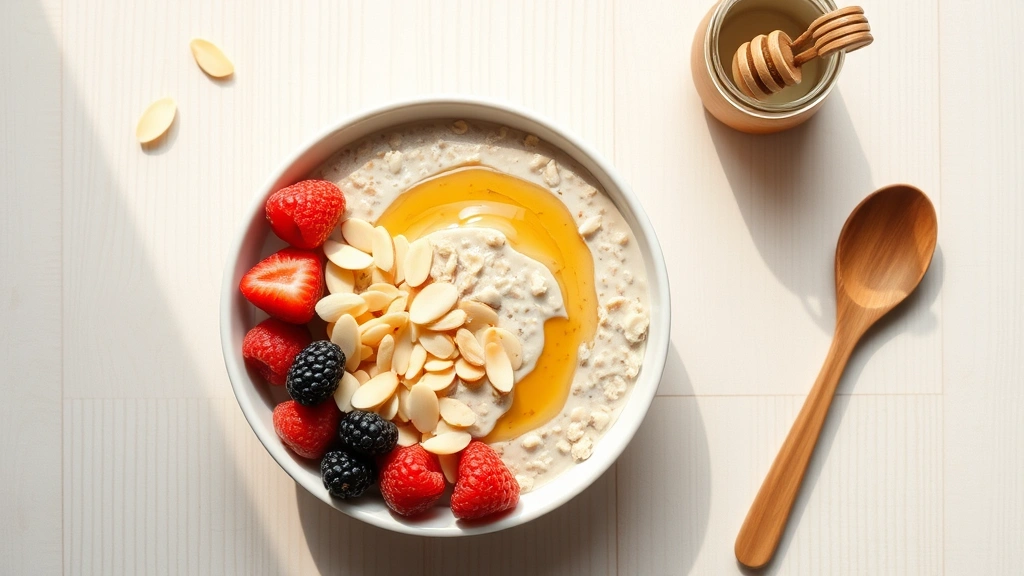
For individuals managing diabetes, prediabetes, or pursuing optimal metabolic health, flavored instant packets should be avoided entirely. The plain varieties provide all the nutritional benefits without the metabolic disruption caused by added sugars. Adding fresh fruit, nuts, and a small drizzle of honey to plain oatmeal delivers superior nutrition with complete control over sweetness levels.
Protein and Amino Acid Profile
Quaker Oats provide approximately 5 grams of protein per serving, a modest amount that represents about 10% of daily requirements for most adults. More importantly, oat protein is complete, meaning it contains all nine essential amino acids in adequate proportions. This distinguishes oats from many other plant-based foods and makes them a legitimate protein contributor in vegetarian and vegan diets.
The amino acid composition of oats is particularly rich in glutamic acid and leucine, amino acids crucial for muscle protein synthesis and metabolic function. For individuals engaged in nutrition for athletes optimizing performance through diet, oatmeal serves as a valuable pre-workout carbohydrate source that simultaneously contributes to protein intake.
However, relying solely on oatmeal for protein intake is insufficient for most active individuals and those pursuing muscle development. Complementing oatmeal with eggs, Greek yogurt, nuts, or plant-based protein sources becomes necessary for achieving adequate daily protein consumption. A dietitian would typically recommend combining Quaker Oats with protein-rich toppings to create a nutritionally complete breakfast.
The bioavailability of oat protein is excellent, meaning your body efficiently absorbs and utilizes the amino acids present. This efficiency makes oatmeal particularly valuable for older adults at risk of sarcopenia (age-related muscle loss) when combined with adequate total protein intake from multiple sources.
Micronutrients and Fortification Analysis
Beyond macronutrients, Quaker Oats contain significant micronutrient content. A single serving provides approximately 10-20% of daily requirements for manganese, phosphorus, and magnesium—minerals critical for bone health, energy metabolism, and enzymatic function. The naturally occurring micronutrient density of oats makes them nutritionally superior to many refined breakfast cereals.
Quaker fortifies many of their products with additional vitamins and minerals, including iron, B vitamins, and occasionally vitamin D. This fortification strategy addresses common nutritional gaps in Western diets, particularly important for populations at risk of deficiency. However, fortification cannot replicate the comprehensive nutrient profile of whole foods, and relying on fortified products as primary micronutrient sources is suboptimal from a nutritional standpoint.
The bioavailability of fortified nutrients varies depending on chemical form and food matrix interactions. Iron fortification in oats, for instance, has lower bioavailability than iron from animal sources, though pairing oatmeal with vitamin C sources (berries, citrus) enhances absorption. A dietitian’s approach emphasizes whole food sources of micronutrients supplemented by fortified products rather than the reverse.
Comparing Quaker Oats Product Lines
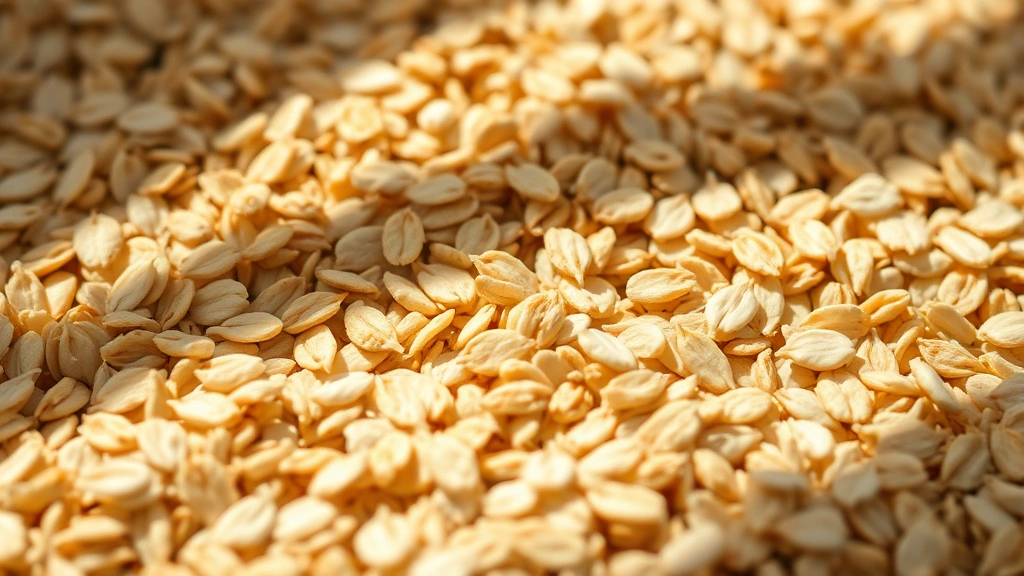
Quaker’s product portfolio extends far beyond simple rolled oats, and each variant warrants individual nutritional analysis. Old Fashioned Oats represent the most minimally processed option, containing only rolled oats and nothing else. These provide the full nutritional benefit profile including maximum fiber content and zero added sugars.
Quaker Instant Oatmeal, while convenient, undergoes additional processing that reduces particle size and increases surface area, accelerating digestion and elevating glycemic response. Plain instant varieties remain acceptable choices, but flavored packets should be avoided due to added sugar content discussed previously.
Quaker Steel-Cut Oats occupy a premium position, offering superior fiber retention and lower glycemic impact compared to rolled varieties. The longer cooking time (20-30 minutes versus 5 minutes for rolled oats) results in lower starch gelatinization, promoting more gradual glucose absorption. For individuals prioritizing blood sugar management, steel-cut oats represent the optimal choice despite reduced convenience.
Quaker’s newer products, including overnight oats blends and protein-enhanced varieties, attempt to address nutritional gaps by combining oats with additional protein sources. These products can provide convenience benefits, though whole food combinations of plain oats with Greek yogurt or nut butters typically offer superior ingredient quality and cost-effectiveness.
Pesticide Residues and Safety Concerns
A significant concern regarding Quaker Oats involves glyphosate residues, the active ingredient in the herbicide Roundup. Multiple independent testing organizations have detected glyphosate in conventional Quaker Oats products, though residue levels remain below EPA regulatory limits. This distinction between “detectable” and “unsafe” often confuses consumers, but from a regulatory standpoint, these levels are deemed acceptable.
However, the precautionary principle suggests that minimizing exposure to pesticide residues aligns with optimal health practices, particularly for children whose developing neurological systems may be more vulnerable to environmental toxins. Organic Quaker Oats products prohibit synthetic pesticide use, though organic certification doesn’t guarantee pesticide-free status due to environmental persistence and drift from neighboring conventional farms.
The Environmental Working Group consistently ranks conventional oats among the “Dirty Dozen” produce items with highest pesticide residue levels. For individuals seeking to minimize pesticide exposure, organic oat products represent a reasonable investment despite premium pricing. A dietitian’s perspective acknowledges that the nutritional benefits of oat consumption likely outweigh the risks from residual pesticides at current exposure levels, but individual risk tolerance varies.
Practical Recommendations for Optimal Nutrition
From a dietitian’s standpoint, Quaker Oats can absolutely be incorporated into a nutritious diet when selected and prepared thoughtfully. The recommendations are straightforward: choose plain varieties (old-fashioned or steel-cut), avoid instant flavored packets, and enhance nutritional completeness through strategic topping selections.
An optimal Quaker Oats breakfast combines the base oatmeal with protein sources (eggs, Greek yogurt, nut butters), healthy fats (nuts, seeds, avocado), and micronutrient-dense carbohydrates (berries, other fruits). This approach transforms oatmeal from a simple carbohydrate source into a nutritionally complete meal that stabilizes blood sugar, promotes satiety, and provides sustained energy throughout the morning.
Portion control matters despite oatmeal’s health halo. A standard serving of ½ cup dry oats represents appropriate portion sizing for most individuals. Doubling portion sizes without adjusting complementary foods can result in excess calorie consumption, particularly when topped with sweetened ingredients. Dietitians recommend measuring portions initially to establish appropriate sizing habits.
Preparation method influences nutritional outcomes. Using water as the cooking liquid (rather than milk-based alternatives) reduces calorie density while preserving nutrient bioavailability. Adding cinnamon, vanilla extract, or other spices provides flavor complexity without added sugars, supporting adherence to reduced-sugar dietary patterns.
For individuals with specific health conditions, modifications become necessary. Those with celiac disease should verify Quaker’s certification status, as oat contamination with wheat remains a concern despite cross-contamination protocols. Individuals with irritable bowel syndrome may need to introduce oatmeal gradually due to fiber content changes. A registered dietitian can provide personalized recommendations addressing individual health status and dietary requirements.
The Nutrients Pathway Blog provides nutrition information that complements this analysis with evidence-based dietary guidance. Consulting with healthcare professionals ensures that oat consumption aligns with personal health goals and medical history.
Quaker Oats represent a legitimate whole grain choice when selected thoughtfully. The key distinction separates minimally processed plain varieties from heavily processed, sugar-laden products marketed under the same brand. Understanding these differences empowers consumers to make informed breakfast decisions that genuinely support long-term health outcomes rather than relying on marketing claims and brand reputation.
FAQ
Does Quaker Oats contain gluten?
Standard Quaker Oats products are naturally gluten-free, as oats contain no gluten protein. However, cross-contamination with wheat can occur during processing. Quaker offers certified gluten-free varieties that undergo enhanced testing protocols for individuals with celiac disease or gluten sensitivity.
How much cholesterol reduction can I expect from daily oatmeal consumption?
Research indicates that consuming 3 grams of beta-glucan daily (approximately 1 cup of cooked oatmeal) can reduce LDL cholesterol by 5-10%. Individual responses vary based on baseline cholesterol levels, overall diet quality, and genetic factors. Results typically appear within 2-4 weeks of consistent consumption.
Is Quaker Oats suitable for diabetic diets?
Plain Quaker Oats can be incorporated into diabetic meal plans due to their moderate glycemic index and fiber content, which slows glucose absorption. However, portion control and pairing with protein and fat sources becomes essential. Flavored instant varieties should be avoided entirely due to added sugar content.
Should I choose organic Quaker Oats?
Organic certification eliminates synthetic pesticide use, which some consumers prefer despite higher cost. The nutritional profiles of organic and conventional Quaker Oats are essentially identical. Individual preference regarding pesticide exposure determines whether the premium justifies the additional expense.
Can children eat Quaker Oats?
Quaker Oats are appropriate for children over age two, providing valuable whole grains and fiber. Plain varieties without added sugars are preferable to flavored packets. Ensure adequate liquid availability during consumption to prevent choking risk, particularly for younger children.
What’s the difference between rolled oats and steel-cut oats nutritionally?
Steel-cut oats retain more of the original grain structure, resulting in slightly higher fiber content and lower glycemic response compared to rolled oats. Both varieties provide similar overall nutrition, with steel-cut oats offering marginally superior blood sugar management at the cost of longer preparation time.