Are Quest Chips Healthy? A Dietitian’s Evidence-Based Analysis
Quest Chips have become a popular snack choice among fitness enthusiasts, low-carb dieters, and anyone seeking healthier alternatives to traditional potato chips. With bold marketing claims about protein content, minimal carbohydrates, and functional ingredients, these chips promise nutritional benefits that conventional snacks simply cannot deliver. But do they live up to the hype? As a registered dietitian nutritionist, I’ve analyzed the nutritional profile, ingredient list, and scientific evidence surrounding Quest Chips to provide you with an honest, comprehensive assessment of whether they truly deserve a place in a healthy diet.
The snack food industry has undergone a significant transformation over the past decade, with brands increasingly marketing “better-for-you” alternatives that appeal to health-conscious consumers. Quest Nutrition, owned by PepsiCo, has positioned Quest Chips as a premium functional snack that bridges the gap between indulgence and nutrition. Understanding the reality behind these claims requires examining the actual nutritional data, ingredient composition, and how these chips fit into various dietary patterns and health goals.
Quest Chips Nutritional Profile Overview
Quest Chips come in several flavors, with the most popular varieties being Nacho Cheese, Sour Cream and Onion, and BBQ. A standard serving size is approximately 21 grams (roughly one ounce), which contains approximately 140 calories. The macronutrient breakdown is where these chips attempt to differentiate themselves: they contain about 12 grams of protein, 5 grams of net carbohydrates (total carbs minus fiber), and 7 grams of fat per serving.
For context, a traditional serving of regular potato chips contains roughly 150-160 calories with minimal protein (typically 2-3 grams), 15-17 grams of carbohydrates, and 9-10 grams of fat. This comparison immediately reveals Quest Chips’ primary marketing angle: dramatically increased protein content with significantly reduced carbohydrates. This macronutrient profile makes them particularly attractive to individuals following low-carbohydrate diets or those seeking to increase protein intake throughout the day.
The calorie density remains relatively similar to traditional chips, which is an important consideration for individuals focused on weight management. While the protein boost is noteworthy, the overall energy content hasn’t been substantially reduced—the main difference is how those calories are distributed across macronutrients rather than a dramatic calorie reduction.
Protein Content and Amino Acid Composition
The 12 grams of protein per serving represents a substantial protein boost compared to conventional snacks. However, it’s crucial to understand that this protein primarily comes from milk protein concentrate and whey protein isolate, rather than whole food sources. The complete amino acid profile includes all nine essential amino acids, making Quest Chips a complete protein source—a relatively rare characteristic for a snack food.
From a muscle protein synthesis perspective, the protein content is meaningful. Research published in the Journal of the International Society of Sports Nutrition indicates that consuming 10-20 grams of high-quality protein in a single sitting can stimulate muscle protein synthesis, particularly when combined with resistance training. This positions Quest Chips as a potentially useful post-workout snack option for fitness-focused individuals.
However, it’s important to distinguish between having protein and being an optimal protein source. The protein in Quest Chips is processed and concentrated, lacking the micronutrients, phytonutrients, and whole-food matrix that come with naturally protein-rich snacks like nuts, seeds, or Greek yogurt. Additionally, the protein is often combined with sweeteners and additives that warrant closer examination.
Carbohydrate Content and Fiber Considerations
The 5-gram net carbohydrate claim is calculated by subtracting total dietary fiber from total carbohydrates—a calculation method that reveals important nuances about Quest Chips’ composition. Most Quest Chips varieties contain approximately 12-13 grams of total carbohydrates, with 7-8 grams coming from fiber, primarily from chicory root fiber and soluble corn fiber.
This distinction matters significantly. While the net carb count appeals to ketogenic and low-carb dieters, it’s worth questioning whether all fiber should be equally weighted in carbohydrate calculations. Dietary fiber provides significant health benefits, but some of the fiber sources in Quest Chips are functional fibers—isolated, extracted fibers that differ from the whole-food fiber found in vegetables, fruits, and whole grains.
According to research from nutritional science bodies, functional fibers can provide some benefits, including improved bowel regularity and modest glycemic control, but they don’t offer the complete nutritional package of whole-food fiber sources. Additionally, some individuals report digestive discomfort from high amounts of chicory root fiber, which is a prebiotic that can cause bloating and gas in sensitive individuals.
Ingredient Analysis and Food Additives
Beyond the macronutrient profile, examining the actual ingredient list provides crucial insight into whether Quest Chips are truly a “healthy” snack option. The primary ingredients typically include:
- Corn starch and tapioca starch – The base structure of the chip
- Milk protein concentrate and whey protein isolate – The protein sources
- Vegetable oils – Usually soybean or sunflower oil, contributing to the fat content
- Chicory root fiber and soluble corn fiber – Added fiber for carb reduction
- Maltitol and/or sucralose – Sugar alcohols and artificial sweeteners
- Various flavorings and seasonings – Natural and artificial flavors
- Preservatives – Such as mixed tocopherols (vitamin E)
The presence of sugar alcohols like maltitol warrants discussion. While these provide sweetness without spiking blood glucose as dramatically as sugar, they can cause digestive issues including bloating, gas, and laxative effects—particularly in larger quantities. Some individuals report that maltitol affects their appetite regulation and satisfaction signals differently than other sweeteners.
The vegetable oil composition is relatively standard for the snack industry, though it typically contains omega-6 polyunsaturated fats. While not inherently unhealthy, the high omega-6 to omega-3 ratio in modern processed foods is a legitimate nutritional concern worth considering when evaluating frequent snack consumption.
Comparison to Traditional and Competitor Chips
To properly evaluate Quest Chips’ healthfulness, comparing them to alternatives provides important context. Traditional potato chips offer approximately 2-3 grams of protein, 15-17 grams of carbohydrates, and no added fiber—making them significantly less balanced macronutrient-wise. They also typically contain more saturated fat and sodium.
When compared to other protein-enriched chip alternatives, Quest Chips perform competitively. Brands like Wilde Protein Chips and Boomchickapop’s Protein Snacks offer similar macronutrient profiles, though individual flavor variations exist. Some alternatives use different protein sources (such as pea protein or cricket flour) which may appeal to individuals with dairy sensitivities.
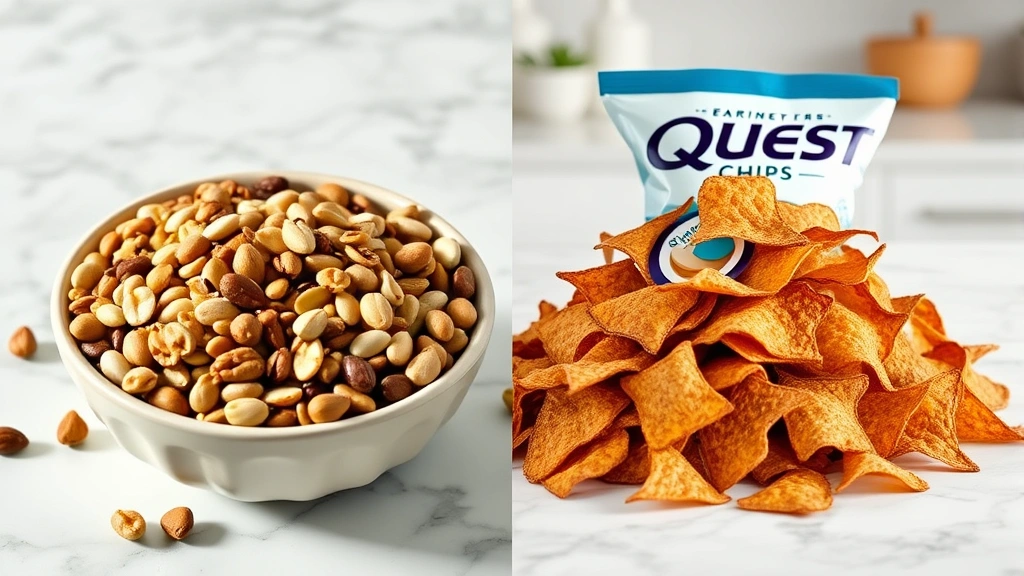
Compared to whole food snack options like almonds, pistachios, or roasted chickpeas, Quest Chips contain less fiber density, fewer micronutrients, and more processed ingredients. A one-ounce serving of almonds provides 6 grams of protein, 3.5 grams of fiber, plus significant amounts of vitamin E, magnesium, and polyphenols—all from a whole food matrix without artificial additives.
Health Considerations and Potential Concerns
While Quest Chips aren’t inherently “unhealthy,” several considerations should inform consumption decisions:
Digestive Response Variability: The combination of functional fibers and sugar alcohols can cause different responses in different individuals. Some people tolerate them excellently, while others experience bloating, cramping, or altered bowel function. Individual experimentation is necessary.
Satiety and Portion Control: Despite the protein content, many individuals report that Quest Chips don’t provide the same satiety as whole foods. The processed nature and convenient packaging can lead to overconsumption. Eating directly from the bag versus portioning into a bowl often results in consuming multiple servings without realizing it.
Sodium Content: Most Quest Chips flavors contain 180-200 mg of sodium per serving, which is moderate but worth considering if you’re monitoring total sodium intake. Multiple servings can quickly add up.
Ultra-Processed Classification: Quest Chips fall into the ultra-processed foods category according to the NOVA classification system. While not all ultra-processed foods are harmful, research increasingly suggests that minimizing ultra-processed food consumption is associated with better long-term health outcomes.
How Quest Chips Fit Into Different Diets
The appropriateness of Quest Chips varies significantly based on individual dietary patterns and health goals. Following a healthy nutrition plan requires understanding how specific foods fit your goals.
For Ketogenic Dieters: Quest Chips can be a valuable tool, providing a satisfying chip-like experience while maintaining ketosis. The low net carb count and reasonable calorie density make them practical for people strictly limiting carbohydrates. However, they shouldn’t form the foundation of a keto diet—whole foods should remain primary.
For Low-Carb Dieters: Similar benefits apply to general low-carb approaches. They offer a familiar snack format that reduces the psychological deprivation some people experience when eliminating traditional junk foods.
For Athletes and Fitness Enthusiasts: The protein content can support recovery and muscle building when combined with resistance training. As a post-workout snack paired with a carbohydrate source and consumed within an appropriate overall nutrition plan, they serve a functional purpose.
For General Health-Conscious Consumers: If your goal is general wellness and disease prevention, whole food snacks like nuts, seeds, fresh fruits, and vegetables should form the bulk of your snacking. Quest Chips can be an occasional option but shouldn’t replace nutrient-dense whole foods.
For Weight Management: The calorie density (approximately 6.7 calories per gram) isn’t particularly advantageous for weight loss compared to whole food alternatives. The satiety benefits are questionable for many individuals, potentially leading to overconsumption.
Practical Recommendations and Best Practices
If you choose to include Quest Chips in your diet, these strategies optimize their role:
- Monitor Individual Tolerance: Pay attention to how your digestive system responds. If you experience bloating or other GI distress, reduce frequency or eliminate them.
- Portion Control: Pre-portion into small bowls rather than eating directly from the bag. This prevents mindless consumption and helps you stay aware of intake.
- Combine with Whole Foods: Pair Quest Chips with whole food sources of nutrition. For example, enjoy them with guacamole, hummus, or alongside a vegetable-based meal to increase overall nutrient density.
- Consider Your Complete Diet: If you’re consuming multiple processed foods throughout the day, Quest Chips may push your overall diet toward excessive processing. Balance is key.
- Use as a Transition Tool: For people transitioning from heavy junk food consumption, Quest Chips can serve as a harm-reduction strategy. They’re superior to traditional chips nutritionally, though whole foods remain optimal.
- Check Your Goals: Ensure Quest Chips actually align with your specific health objectives. If you’re following a nutrition plan focused on mental health optimization, whole foods will likely serve you better.
From a meal planning perspective, consider whether Quest Chips improve your overall dietary quality or simply provide convenient indulgence. Intentionality matters more than the specific food choice.
FAQ
Are Quest Chips keto-friendly?
Yes, with approximately 5 grams of net carbohydrates per serving, Quest Chips fit within most ketogenic diet parameters (typically 20-50 net carbs daily). However, they should complement rather than dominate a keto diet, which should prioritize whole foods like fatty fish, eggs, avocados, and non-starchy vegetables.
Do Quest Chips cause digestive issues?
Some individuals experience bloating, gas, or altered bowel function from the chicory root fiber and sugar alcohols. This is highly individual—some people tolerate them perfectly while others don’t. Start with small amounts to assess your response.
How much protein is actually in Quest Chips?
A standard serving contains 12 grams of complete protein from milk protein concentrate and whey protein isolate. While this is substantial for a snack, it’s still less than a Greek yogurt serving (15-20g) or a handful of almonds (6g) plus other nutrients.
Are Quest Chips better than regular chips?
From a macronutrient perspective, yes—significantly more protein and fiber, fewer digestible carbohydrates. However, “better” depends on your goals and individual response. If satiety is poor or digestive tolerance is problematic, they may not be genuinely better for you personally.
Can Quest Chips help with weight loss?
They can be part of a weight loss strategy if they help you reduce overall calorie intake by satisfying cravings while being less calorie-dense than alternatives. However, they don’t inherently promote weight loss, and some people find them less satiating than whole foods, potentially leading to increased consumption.
What’s the healthiest snack alternative to Quest Chips?
Whole food options like raw almonds, walnuts, pistachios, fresh berries, Greek yogurt, hard-boiled eggs, or vegetable crudités with hummus provide superior micronutrient profiles, better satiety, and less processing. These should form your primary snacking foundation.
Are the artificial ingredients in Quest Chips concerning?
Quest Chips contain minimal artificial sweeteners and additives compared to many processed foods. While not ideal, the amounts present are generally recognized as safe by regulatory agencies. However, minimizing ultra-processed food consumption remains a sound nutritional strategy.


