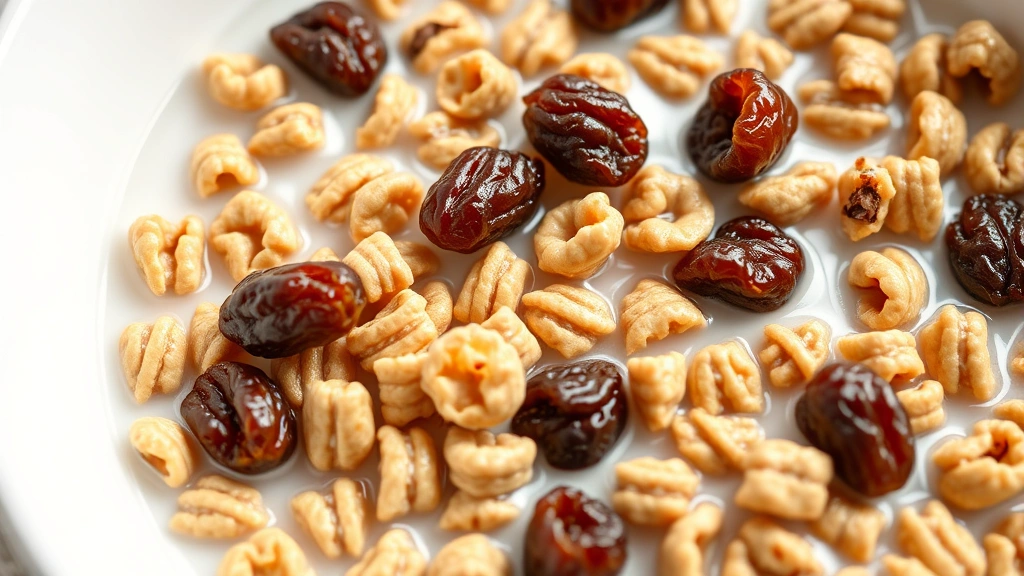
Raisin Bran Nutrition Facts: Dietitian’s Insight
Raisin bran has long been positioned as a breakfast staple for health-conscious consumers, combining whole grain fiber with the natural sweetness of raisins. Yet behind the marketing claims and colorful cereal box lies a complex nutritional profile that deserves closer examination. As a media outlet focused on digital trends in health communication, we’re analyzing how nutrition information reaches consumers and what the actual raisin bran nutrition panel reveals about this popular cereal.
The breakfast cereal industry has undergone significant transformation over the past two decades, with manufacturers increasingly emphasizing fiber content and whole grain benefits in their messaging. Raisin bran exemplifies this trend—marketed as a functional food that delivers sustained energy and digestive support. However, understanding the complete nutritional picture requires looking beyond headline claims to examine the actual macronutrients, micronutrients, and added ingredients that constitute each serving.
Understanding Raisin Bran’s Basic Nutrition Profile
A standard serving of raisin bran—typically one cup or approximately 59 grams—contains roughly 190-210 calories, depending on the brand and specific formulation. This caloric density reflects the combination of bran cereal pieces and dried raisins, both relatively concentrated sources of nutrients and energy. The macronutrient breakdown reveals that most calories derive from carbohydrates, with minimal fat content and moderate protein contribution.
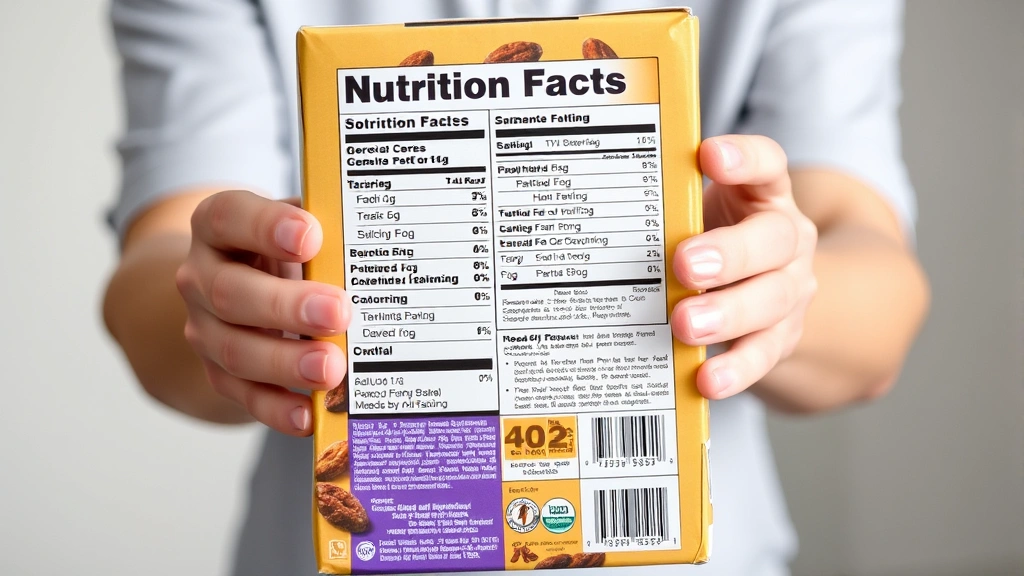
When examining the raisin bran nutrition panel more closely, you’ll notice that carbohydrates constitute approximately 40-45 grams per serving, with protein ranging from 4-5 grams and fat around 1-2 grams. This macronutrient ratio aligns with the broader cereal category’s nutritional architecture, though raisin bran distinguishes itself through higher fiber concentration compared to many competing breakfast options. Understanding these baseline numbers provides essential context for evaluating how raisin bran functions within daily nutritional intake.
The ingredient list on most raisin bran boxes reads similarly: whole grain wheat bran, raisins, sugar, corn syrup, salt, malt flavoring, and various vitamins and minerals added through fortification. Some manufacturers include additional components like molasses, honey, or cinnamon to enhance palatability. This relatively straightforward ingredient profile has remained largely consistent across major brands, though formulation specifics vary by manufacturer and regional market considerations.
Fiber Content: The Primary Health Benefit
The most compelling aspect of raisin bran’s nutritional profile is its fiber content, which typically ranges from 6-8 grams per serving. This substantial fiber contribution represents the cereal’s primary marketing advantage and its most legitimate health claim. Dietary fiber plays crucial roles in digestive health, blood sugar regulation, and cardiovascular function—benefits extensively documented in nutrition science literature.
Raisin bran derives fiber from two primary sources: the wheat bran itself, which comprises the outer layer of wheat kernels and contains concentrated fiber, and the raisins, which contribute both soluble and insoluble fiber varieties. This dual-source approach creates a more balanced fiber profile than cereals relying solely on grain-based fiber. For context, the importance of dietary fiber for your health extends beyond digestive regularity to include metabolic regulation and long-term disease prevention.
The soluble fiber in raisins can help moderate blood glucose spikes, while the insoluble bran fiber supports digestive transit and microbial ecosystem health. Together, these fiber types address multiple physiological pathways, making raisin bran a genuinely functional breakfast option for individuals seeking to increase fiber intake. However, it’s important to note that consuming raisin bran should complement rather than replace other whole food fiber sources like vegetables, legumes, and fresh fruits.
Research from nutrition epidemiology suggests that adequate fiber intake correlates with reduced risk for type 2 diabetes, certain cancers, and cardiovascular disease. A single serving of raisin bran provides approximately 20-30% of the daily recommended fiber intake, making it a meaningful contributor to daily fiber goals. This quantifiable benefit distinguishes raisin bran from many competing breakfast cereals that offer minimal fiber content.
Sugar Analysis and Sweetening Agents
While raisin bran’s fiber content represents a genuine nutritional asset, its sugar content presents a more complicated picture. The raisin bran nutrition panel typically lists 12-16 grams of sugar per serving, with approximately half deriving from the raisins themselves and the remainder from added sweeteners like sugar, corn syrup, or honey.
Understanding sugar sources requires distinguishing between intrinsic and added sugars. Raisins are dried fruits containing naturally concentrated sugars—primarily glucose, fructose, and sucrose. When manufacturers list sugar on nutrition labels, they combine both natural and added varieties, which can obscure the actual composition of sweetening sources. A significant portion of raisin bran’s sugar content comes from added sweeteners intended to enhance palatability and offset the bitter notes of wheat bran.
For consumers monitoring sugar intake—particularly those managing diabetes, metabolic syndrome, or pursuing weight management—this sugar content warrants consideration. The American Heart Association recommends limiting added sugar to 25 grams daily for women and 36 grams for men, meaning a single serving of raisin bran can constitute 30-50% of daily added sugar recommendations. This reality complicates the cereal’s health positioning, as the fiber benefits must be weighed against potential metabolic impacts of elevated sugar consumption.
Several manufacturers have responded to consumer concerns about added sugars by developing reduced-sugar variants of raisin bran, typically containing 8-10 grams of sugar per serving. These versions maintain fiber content while reducing sweetener additions, offering an alternative for sugar-conscious consumers. However, availability and market penetration of lower-sugar options remain limited compared to traditional formulations.
Micronutrients and Fortification
The micronutrient profile of raisin bran reflects the cereal industry’s standard practice of fortifying grain-based products with essential vitamins and minerals. Most commercial raisin bran formulations contain added B vitamins including thiamine, riboflavin, niacin, and B6, along with folate and B12. These additions address nutritional gaps created by grain refining processes and help cereals contribute meaningfully to micronutrient intake.
Iron fortification represents another standard addition, typically providing 8-9 mg per serving—approximately 45-50% of the daily recommended intake for adult women and 100% for adult men. This iron fortification carries particular significance for populations at risk for iron deficiency, including menstruating individuals and vegetarians. However, the bioavailability of fortified iron can vary based on other dietary components consumed simultaneously; vitamin C enhances absorption while calcium and phytates in the cereal itself may inhibit it.
Raisins contribute their own micronutrient profile, including potassium, manganese, and boron, along with polyphenol antioxidants. These compounds offer potential anti-inflammatory benefits, though research on specific health outcomes remains ongoing. The combination of fortified grain base and nutrient-dense raisins creates a micronutrient-rich breakfast option that can meaningfully contribute to daily vitamin and mineral intake.
Sodium content in raisin bran typically ranges from 200-300 mg per serving, which represents 9-13% of the daily recommended maximum. While not excessively high compared to other processed breakfast foods, this sodium contribution warrants awareness for individuals following sodium-restricted diets or managing hypertension.
Comparing Brands and Variations
The raisin bran category encompasses numerous brands with distinct formulations, each presenting slightly different nutritional profiles. Major manufacturers like Kellogg’s, Post, and Quaker offer their own raisin bran variants, while store brands provide budget-conscious alternatives. These options vary in fiber content, sugar composition, and fortification strategies, making direct comparison valuable for informed purchasing decisions.
Kellogg’s Raisin Bran, the category pioneer, contains 8 grams of fiber and 18 grams of sugar per cup serving. Post Raisin Bran offers similar fiber content with slightly lower sugar at 16 grams. Store-brand versions frequently match major brand nutritional profiles while offering price advantages. These variations, while seemingly minor numerically, compound across weeks and months of regular consumption.
Beyond standard raisin bran, the market includes specialized variations targeting specific dietary preferences. Organic raisin bran options eliminate synthetic pesticides and additives, though nutritional profiles remain comparable to conventional versions. Reduced-sugar formulations address health-conscious consumer segments, while higher-fiber variants cater to individuals prioritizing digestive health. Some manufacturers incorporate additional whole grains like oats or barley to enhance nutritional density, creating products that blur category boundaries.
When selecting raisin bran, comparing nutrition panels across available options provides concrete data for decision-making. Small differences in fiber-to-sugar ratios compound across regular consumption patterns, making informed brand selection a meaningful dietary choice. The healthy nutrition plan guide emphasizes that consistent small improvements in breakfast choices yield significant long-term health outcomes.
How Raisin Bran Fits Into Modern Diets
Positioning raisin bran within contemporary dietary approaches requires acknowledging both its genuine nutritional contributions and its limitations. As a breakfast staple, raisin bran offers legitimate advantages: substantial fiber content, micronutrient fortification, convenience, and palatability. For individuals seeking to increase fiber intake or improve breakfast nutrition without extensive meal preparation, raisin bran provides a practical solution.
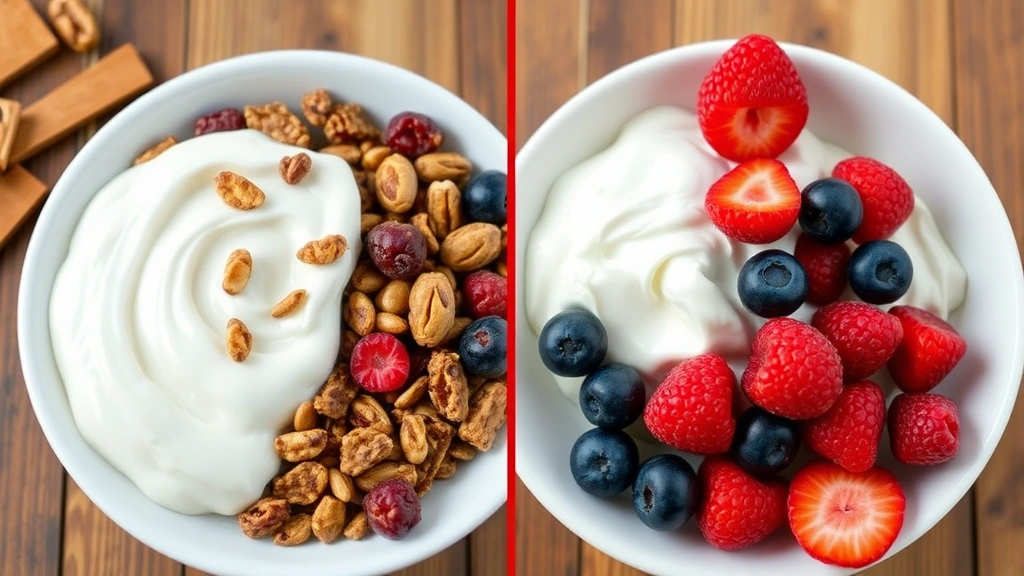
However, raisin bran functions most effectively as one component of a diverse dietary pattern rather than as a standalone breakfast solution. Pairing raisin bran with protein sources—Greek yogurt, cottage cheese, nuts, or hard-boiled eggs—creates a more balanced breakfast that moderates blood sugar response and extends satiety. Adding fresh fruit, particularly berries or sliced apple, increases micronutrient density and fiber variety while introducing whole food elements that processed cereals cannot replicate.
For individuals managing specific health conditions, raisin bran’s role requires careful consideration. Those with diabetes or prediabetes should account for sugar and carbohydrate content in their meal planning, potentially opting for lower-sugar variants or smaller portions. Individuals with digestive sensitivities might find high fiber content challenging, requiring gradual introduction or combination with adequate hydration. Conversely, those specifically targeting increased fiber intake for digestive health find raisin bran particularly valuable.
The environmental and economic dimensions of raisin bran consumption warrant acknowledgment. As a processed food, raisin bran requires industrial agricultural inputs, manufacturing infrastructure, and packaging, creating environmental costs beyond the nutritional analysis. Whole food alternatives like oatmeal with dried fruit offer comparable nutritional benefits with potentially lower processing intensity, though convenience trade-offs exist.
Modern dietary approaches increasingly emphasize food quality, ingredient transparency, and whole food prioritization. Within this context, raisin bran occupies a middle ground—more nutritious than highly processed sugary cereals, yet less nutrient-dense than whole grain preparations or fresh fruit-based breakfasts. Its role depends on individual circumstances, dietary goals, and available alternatives.
For athletes and active individuals, raisin bran can serve specific functional roles. The carbohydrate-rich composition supports glycogen replenishment post-exercise, while the fiber content aids digestive health. Athletes might incorporate nutrition for athletes through optimized diet strategies that strategically position raisin bran as part of periodized nutrition planning.
The breakfast cereal market continues evolving, with manufacturers responding to consumer preferences for cleaner labels, reduced added sugars, and functional ingredients. Raisin bran, as an established category, undergoes incremental improvements addressing contemporary nutritional concerns. These innovations suggest that raisin bran will likely remain relevant as a breakfast option, though its positioning may shift toward emphasizing whole grain benefits and fiber functionality rather than broad health claims.
Understanding how raisin bran fits into digestion improvement strategies connects breakfast cereal selection to broader wellness goals. The fiber content directly supports digestive function, making raisin bran a legitimate component of digestive health approaches when combined with adequate hydration and complementary dietary practices.
FAQ
How much fiber does one serving of raisin bran contain?
Standard raisin bran servings contain 6-8 grams of dietary fiber, representing approximately 20-30% of daily recommended intake. This substantial fiber contribution derives from both the wheat bran base and the dried raisins, creating a balanced mix of soluble and insoluble fiber types.
Is raisin bran suitable for people with diabetes?
While raisin bran’s fiber content offers benefits for blood sugar regulation, its sugar content (12-16 grams per serving) requires careful consideration for diabetic meal planning. Reduced-sugar variants provide alternatives, and portion control combined with protein additions can moderate glycemic response. Consulting healthcare providers about individual suitability remains essential.
What’s the difference between added sugar and natural sugar in raisin bran?
Raisins contain naturally concentrated sugars from fruit drying, while manufacturers add additional sweeteners like sugar or corn syrup to enhance taste. Nutrition labels combine both sources under “total sugars,” making it difficult to distinguish contributions without examining ingredient lists. Approximately half the sugar content typically derives from each source, though this varies by brand.
How does raisin bran compare nutritionally to other breakfast cereals?
Raisin bran’s fiber content (6-8 grams) significantly exceeds most conventional cereals, positioning it among higher-fiber breakfast options. However, sugar content remains moderate to high compared to plain bran cereals. The Nutrients Pathway Blog provides detailed comparisons of various breakfast options for context.
Can raisin bran help with weight management?
The high fiber content promotes satiety, potentially reducing overall calorie intake when raisin bran replaces less nutritious breakfast options. However, modest caloric density and sugar content mean that portion control remains important. Pairing raisin bran with protein sources enhances weight management benefits through improved satiety.
Are there significant nutritional differences between raisin bran brands?
Major brand variations exist but remain relatively modest—typically 1-2 gram differences in fiber and 2-3 gram differences in sugar content per serving. Store brands generally match major manufacturer profiles nutritionally while offering cost advantages. Examining individual nutrition panels provides concrete data for brand selection.


