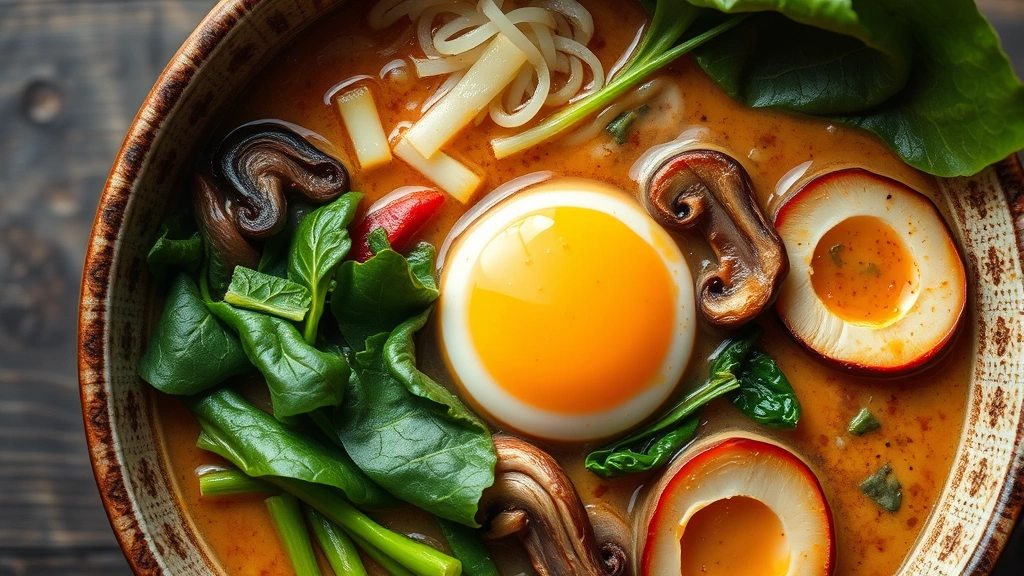
Ramen Nutrition: What a Dietitian Wants You to Know
Ramen has become a global phenomenon—from humble college dorm staple to trendy restaurant delicacy. But when it comes to ramen nutrition facts, the picture is more complex than most people realize. Whether you’re slurping instant noodles or enjoying a carefully crafted bowl at a specialty shop, understanding what’s actually in your ramen is essential for making informed dietary choices.
As a food that bridges cultures and socioeconomic backgrounds, ramen deserves a nuanced examination. This guide breaks down the nutritional profile of different ramen types, explores what dietitians want you to know, and offers practical strategies for enjoying this beloved dish as part of a balanced diet.
Instant Ramen vs. Fresh Ramen: The Nutritional Divide
The ramen universe splits into two primary categories, and their nutritional profiles couldn’t be more different. Understanding this distinction is crucial for anyone tracking their intake or managing health conditions.
Instant ramen—those convenient brick-shaped noodles that cost mere cents—typically contains 350-400 calories per serving, with the seasoning packet adding another 50-100 calories and a significant sodium load. The noodles themselves are deep-fried during production, which increases their fat content and shelf stability. This manufacturing process makes them shelf-stable for years but also oxidizes the oils, potentially creating compounds some researchers have questioned.
Fresh ramen, whether homemade or purchased from restaurants, uses eggs, wheat flour, water, and kansui (an alkaline solution) to create the noodle structure. A typical serving contains similar calories to instant varieties—around 300-400 calories for just the noodles—but the broth and toppings dramatically increase the total meal’s caloric content to 500-1,200 calories depending on preparation.
The key difference isn’t just in the noodles themselves but in what accompanies them. Restaurant broths often simmer for 12-24 hours, extracting collagen, gelatin, and umami compounds that create depth of flavor. While this makes for delicious food, it also means higher fat content from bone marrow, fatty meats, or added oils.
Sodium Content: The Primary Concern
If dietitians could highlight one nutritional concern about ramen, it’s sodium. This mineral is where the real story emerges.
A single packet of instant ramen contains 800-2,000 mg of sodium, depending on the brand and flavor. The American Heart Association recommends 2,300 mg per day for most adults, meaning one bowl could represent 35-87% of your daily limit. Add the broth from the seasoning packet, and many people consume their entire day’s sodium in a single meal.
Restaurant ramen presents a similar challenge. A typical bowl contains 1,500-2,500 mg of sodium, with some specialty broths reaching 3,000 mg or more. This happens because salt enhances flavor perception, helps preserve broths, and balances the richness of fats.
Why does this matter? Chronic high sodium intake is linked to hypertension, cardiovascular disease, and stroke. The risk increases for people with genetic predisposition, those over 50, and individuals with existing kidney disease. However, research from Pew Research Center on dietary habits shows that awareness of sodium intake remains surprisingly low among regular ramen consumers.
The good news: you can significantly reduce sodium without sacrificing flavor by using only half the seasoning packet, making your own broth, or choosing low-sodium alternatives.
Protein, Carbohydrates, and Fat Breakdown
Beyond sodium, let’s examine the macronutrient composition of ramen.
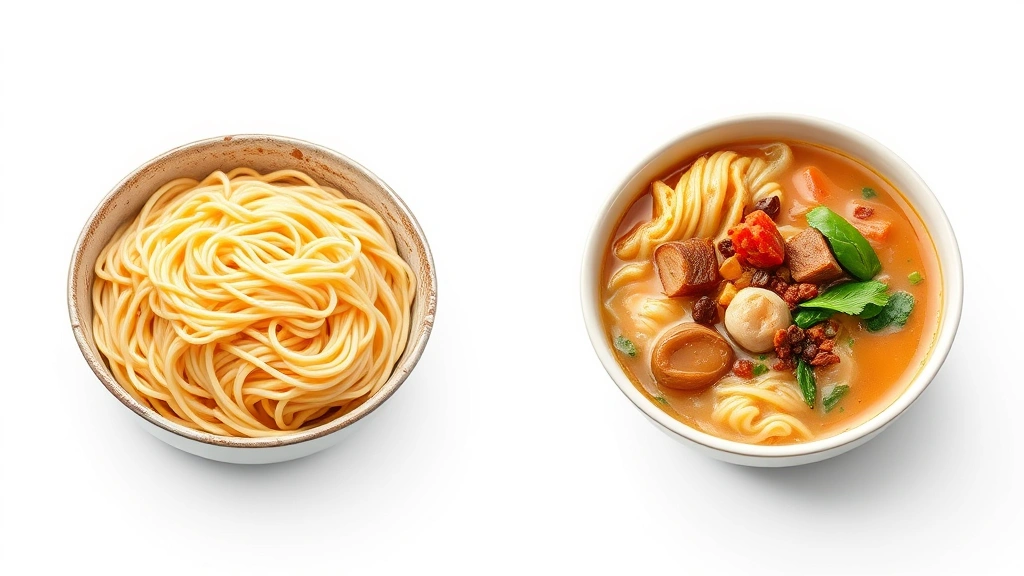
Carbohydrates dominate ramen’s macronutrient profile. Instant ramen noodles contain about 50-55g of carbs per serving, mostly refined wheat with minimal fiber. This means your body rapidly digests and absorbs these carbs, creating quick blood sugar spikes. For people managing diabetes or prediabetes, this is significant. A Journal of Nutrition study found that regular consumption of refined wheat noodles was associated with increased metabolic syndrome risk.
Protein content varies significantly. Instant ramen contains only 3-4g of protein per serving—minimal for any meal. Fresh ramen with eggs and traditional toppings like chashu pork or chicken can provide 15-25g, making it a more complete protein source. Adding an egg, tofu, or meat to instant ramen dramatically improves its nutritional profile.
Fat comprises about 10-15g in instant ramen, primarily from the frying process. Restaurant ramen’s fat content ranges from 15-30g depending on the broth base. While fat isn’t inherently bad, the type matters. Broths made from bone marrow contain saturated fat, while broths using vegetable oil contain varying ratios of polyunsaturated and monounsaturated fats.
The macronutrient ratio of unmodified ramen—roughly 85% carbs, 5% protein, 15% fat—makes it nutritionally incomplete as a standalone meal. This is why dietitians emphasize ramen as a base to which you add vegetables, proteins, and healthy fats rather than as a complete meal.
Micronutrients and What’s Missing
Ramen’s micronutrient profile reveals why it requires supplementation with other foods.
Instant ramen is often fortified with B vitamins—thiamine, riboflavin, niacin, and folic acid—due to regulations in many countries. These additions help prevent deficiencies but don’t address the broader micronutrient gap. Fresh ramen typically contains minimal fortification, relying instead on whatever vegetables and proteins you add.
The critical missing elements include:
- Fiber: Ramen noodles contain almost no fiber. In contrast, the importance of dietary fiber for your health cannot be overstated. Adding vegetables like bok choy, spinach, mushrooms, or bamboo shoots provides both fiber and additional micronutrients.
- Vitamin C: Absent in both instant and fresh ramen unless vegetables are added. This matters because vitamin C enhances iron absorption from the noodles.
- Calcium: Minimal unless the broth uses bones or you add dairy-based toppings.
- Iron: Present in fortified instant ramen and in broths made from meat or bones, but the form and bioavailability vary.
Following a healthy nutrition plan that incorporates ramen means treating it as a component rather than a complete meal. This approach aligns with how ramen is traditionally consumed in Japan, where the meal includes numerous vegetable and protein toppings that transform the nutritional equation.
Healthier Ramen Modifications
The beauty of ramen is its flexibility. Strategic modifications can dramatically improve its nutritional value without sacrificing enjoyment.
For Instant Ramen:
- Use only half the seasoning packet and add low-sodium broth, miso paste, or soy sauce to taste
- Boil the noodles, drain the water, and rinse them to remove some sodium and starch
- Cook noodles in vegetable or bone broth instead of plain water
- Add 1-2 eggs for protein and micronutrients
- Include frozen vegetables (spinach, broccoli, peas) or fresh greens
- Top with a tablespoon of sesame oil, which adds healthy fats and flavor
- Include a source of vitamin C like lime juice or sriracha with added vegetables
For Restaurant Ramen:
- Request reduced seasoning or broth on the side
- Ask about sodium content—many restaurants now provide this information
- Choose broths with vegetable bases when available
- Load up on vegetable toppings
- Limit or skip sugary drinks that often accompany ramen
These modifications address what dietitians emphasize: ramen itself isn’t “bad,” but context and preparation matter tremendously. A bowl of ramen with 2 cups of mixed vegetables, 2 eggs, and half the standard sodium is a nutritionally balanced meal. The same bowl with minimal vegetables and full seasoning is nutritionally incomplete and sodium-heavy.
Restaurant Ramen vs. Package Ramen
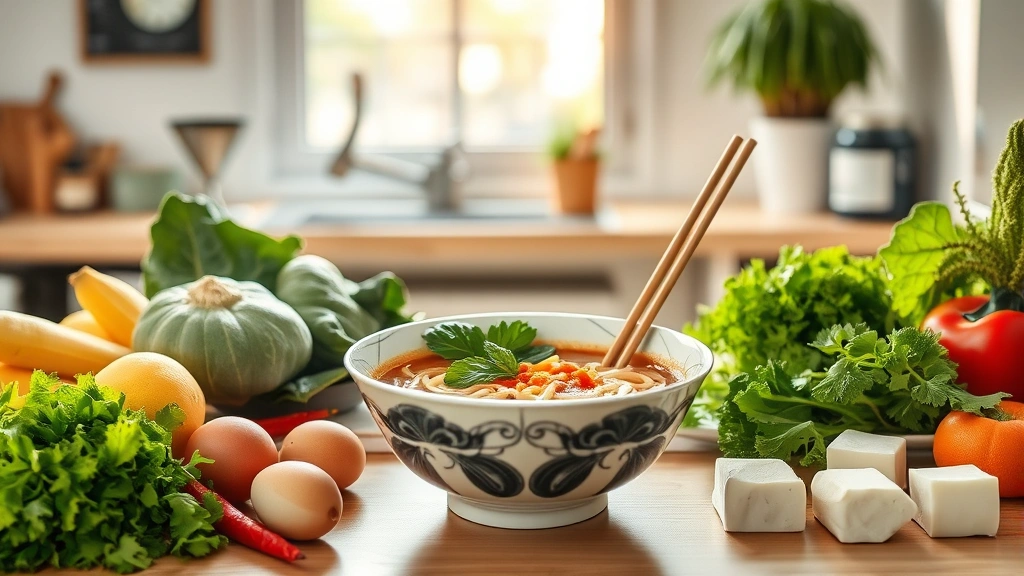
The restaurant ramen renaissance has created an interesting nutritional paradox. Higher-end ramen restaurants often use better ingredients and traditional preparation methods, yet individual bowls can contain more total calories and sodium than instant ramen due to generous portions and rich broths.
Quality factors in restaurant ramen:
- Broths simmered for 12-24+ hours develop complex flavors requiring less salt for taste satisfaction
- Fresh noodles contain eggs, improving protein and micronutrient content
- Toppings are typically fresher and more abundant
- Restaurants can customize sodium levels upon request
- Transparency about ingredients is increasingly common
Challenges with restaurant ramen:
- Portion sizes exceed what most nutrition guidelines recommend
- Traditional broths rely on fatty animal bones and meat
- Hidden sodium in seasonings, soy sauce, and miso pastes
- Cost barrier prevents regular consumption for budget-conscious consumers
Research from nutrition and culinary institutions shows that restaurant ramen quality varies enormously. A study examining nutrition in Asian cuisine found that traditional ramen shops often provided better nutritional balance through vegetable inclusion than modern fusion restaurants, which sometimes prioritized richness over nutritional completeness.
Neither type is inherently superior from a health perspective. Instant ramen offers affordability and convenience but requires intentional modification. Restaurant ramen offers quality ingredients and customization but demands portion awareness and sodium consciousness.
Ramen in a Balanced Diet
The central question isn’t whether ramen is “healthy” or “unhealthy”—it’s whether it fits into your overall dietary pattern.
Occasional ramen consumption, even instant varieties, poses minimal health risk for most people. Someone eating ramen once weekly versus three times weekly experiences vastly different cumulative sodium and refined carbohydrate intake. The frequency and context matter more than any single bowl.
For people managing specific health conditions, ramen requires more consideration. Those with hypertension, heart disease, or kidney issues should limit sodium-heavy instant ramen and request low-sodium preparations at restaurants. People managing diabetes benefit from adding vegetables and proteins that slow carbohydrate absorption. Individuals focused on weight management should monitor portion sizes, as restaurant ramen bowls often exceed 1,000 calories.
Incorporating ramen into a balanced approach to nutrition and mental health means recognizing food’s role beyond pure nutrition. Cultural food traditions, social eating experiences, and psychological satisfaction matter for sustainable health. Complete avoidance of beloved foods often backfires. Strategic enjoyment—eating ramen mindfully, prepared nutritionally—works better than restriction.
The Nutrients Pathway Blog emphasizes that dietary excellence comes from patterns, not individual meals. One bowl of ramen doesn’t determine health outcomes. Consistent choices across weeks and months do.
Practical ramen integration into a healthy diet includes:
- Treating ramen as a component of meals, not the entire meal
- Adding vegetables to reach 2-3 cups per bowl
- Including protein sources (eggs, tofu, meat, legumes)
- Managing sodium through portion control or reduced seasoning
- Pairing with fiber-rich sides when eating instant ramen
- Limiting frequency to 1-2 times weekly if managing sodium-sensitive conditions
- Staying hydrated, as high-sodium meals increase thirst and fluid retention
FAQ
Is instant ramen bad for you?
Instant ramen isn’t inherently “bad,” but it’s nutritionally incomplete and high in sodium. Occasional consumption poses minimal risk for most people. Regular consumption without modifications—using full seasoning packets and adding no vegetables—creates excessive sodium intake and provides inadequate fiber, vitamins, and minerals. Modifying preparation methods and adding nutrient-dense toppings significantly improves the nutritional profile.
How much sodium is in a bowl of ramen?
Instant ramen contains 800-2,000 mg of sodium per packet, depending on brand and flavor. Restaurant ramen typically contains 1,500-2,500 mg per bowl. This represents 35-109% of the daily recommended limit established by the American Heart Association. Using half the seasoning packet or requesting reduced sodium can cut intake substantially.
Can I eat ramen on a diet?
Yes, ramen can fit into weight management strategies. Focus on portion control, add vegetables to increase volume and satiety without excess calories, and include protein for satisfaction. Restaurant ramen bowls often exceed 1,000 calories, while modified instant ramen can be 400-600 calories. Frequency and total daily intake matter more than eliminating ramen entirely.
What are the best toppings to add to ramen?
Optimal toppings include eggs (protein and micronutrients), leafy greens like spinach or bok choy (fiber and vitamins), mushrooms (umami and minerals), bamboo shoots (fiber), soft tofu (plant-based protein), and sesame oil or seeds (healthy fats). These additions transform ramen from a carbohydrate-dominated dish into a nutritionally complete meal.
Is fresh ramen healthier than instant ramen?
Fresh ramen made with eggs and traditional ingredients has better protein and micronutrient content than instant varieties. However, restaurant ramen often contains similar sodium levels and significantly more calories due to portion sizes and rich broths. The preparation method matters more than the noodle type. A well-prepared instant ramen bowl with vegetables and protein can be more nutritious than a high-sodium restaurant bowl.
How often can I safely eat ramen?
For most healthy adults, ramen 1-2 times weekly poses minimal health risk. People with hypertension, heart disease, or kidney conditions should limit frequency and sodium content. Those managing diabetes should focus on adding vegetables and proteins to slow carbohydrate absorption. Individual health status, overall dietary patterns, and sodium intake from other sources determine safe frequency.


