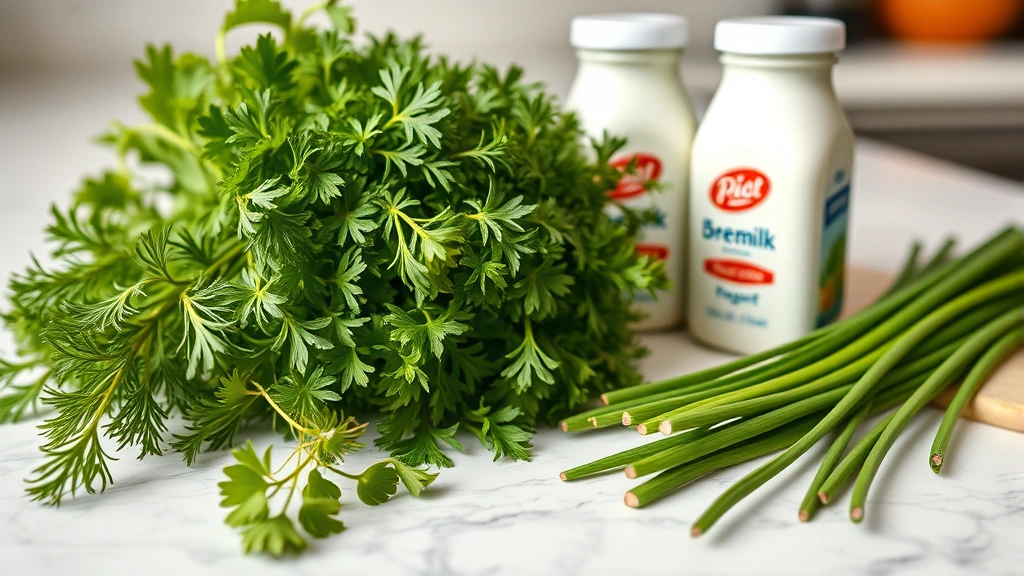
Ranch Dressing: Healthy Choice? Dietitian Insight
Ranch dressing remains one of America’s most beloved condiments, gracing salad bowls and vegetable platters across the nation. Yet behind its creamy, tangy appeal lies a complex nutritional profile that warrants closer examination. As a registered dietitian nutritionist, I’ve fielded countless questions about whether this ubiquitous dressing can fit into a balanced diet. The answer, like most nutrition questions, is nuanced and depends on portion sizes, frequency of consumption, and individual health goals.
The rise of ranch dressing’s popularity coincides with America’s evolving food culture. What began as a simple buttermilk-based ranch dip at Hidden Valley in the 1950s has transformed into a multi-billion dollar category, with countless variations available at grocery stores and restaurants. Today’s consumers face an overwhelming array of choices: full-fat versions, light versions, organic options, and homemade alternatives. Understanding the nutrition facts about ranch dressing is essential for making informed dietary decisions that align with your health objectives.
Ranch Dressing Nutrition Facts Breakdown
A standard serving of commercially prepared ranch dressing typically contains between 130 to 160 calories per two-tablespoon portion. However, most people consume considerably more than this recommended serving size, often doubling or tripling their intake without realizing it. This portion distortion is one of the primary reasons ranch dressing gets labeled as unhealthy, not necessarily because of what it contains per serving, but because of how much people actually use.
The base ingredients of traditional ranch dressing include mayonnaise, buttermilk, sour cream, and various herbs and seasonings. Mayonnaise, which serves as the primary fat component, contributes roughly 90 calories and 10 grams of fat per tablespoon. When combined with sour cream and buttermilk, the fat content quickly accumulates. Most commercial ranch dressings derive 80-90% of their calories from fat, making them a high-fat condiment by definition.
Examining the macronutrient distribution reveals that a two-tablespoon serving typically contains:
- Total Fat: 12-15 grams (18-23% of daily value based on 2,000 calorie diet)
- Saturated Fat: 2-3 grams (10-15% of daily value)
- Protein: 0-1 gram
- Carbohydrates: 1-2 grams
- Fiber: 0 grams
- Sodium: 260-320 milligrams (11-14% of daily value)
From a macronutrient perspective, ranch dressing provides minimal nutritional value beyond calories and fat. It contains no meaningful amounts of protein, fiber, or essential micronutrients. This nutritional emptiness is what concerns dietitians most when evaluating ranch as a dietary staple rather than an occasional indulgence.
Calories, Fat, and Sodium Content
The caloric density of ranch dressing makes it a significant contributor to total daily calorie intake, particularly for individuals managing their weight. A seemingly innocent salad—perhaps containing leafy greens, vegetables, and proteins—can transform into a 400+ calorie meal when dressed with three or four tablespoons of ranch. This represents a substantial portion of daily calorie allotment, especially for those following lower-calorie eating patterns.
The saturated fat content deserves particular attention. While modern nutrition science recognizes that not all saturated fat is equally harmful, the American Heart Association still recommends limiting saturated fat to 5-6% of total daily calories. For a 2,000-calorie diet, this translates to roughly 11-13 grams daily. A single serving of ranch dressing provides 10-15% of this limit, leaving minimal room for saturated fat from other dietary sources without exceeding recommendations.
Sodium presents another concern. The recommended daily sodium intake is 2,300 milligrams, yet the average American consumes 3,400 milligrams daily. Two tablespoons of ranch dressing accounts for 11-14% of the daily sodium limit. When considered alongside other processed foods, bread products, and restaurant meals, ranch dressing becomes part of a pattern of excessive sodium consumption linked to hypertension and cardiovascular disease.
Research from the American Heart Association indicates that reducing sodium intake significantly decreases blood pressure in salt-sensitive individuals. For those with existing hypertension or family history of cardiovascular disease, monitoring condiment sodium becomes increasingly important. The hidden sodium in dressings, sauces, and other flavor-enhancing products often exceeds the sodium in the primary food components.
Hidden Sugars and Additives
Many commercial ranch dressings contain added sugars, despite savory flavor profiles that don’t taste sweet. Manufacturers add sugar to balance flavors, improve shelf stability, and enhance palatability. A two-tablespoon serving may contain 1-2 grams of added sugar, which seems minimal until you consider the cumulative effect across multiple servings and days.
Beyond sugar, commercial ranch dressings often contain various additives and preservatives:
- Monosodium Glutamate (MSG): Enhances savory flavor but raises concerns for sensitive individuals
- Xanthan Gum: Thickening agent that provides texture but may cause digestive distress in some people
- Soy Lecithin: Emulsifier derived from soy, problematic for those with soy allergies
- Artificial Flavors: Chemical compounds designed to mimic natural herb and spice flavors
- Sodium Benzoate: Preservative that prevents microbial growth but raises safety questions in combination with other additives
The ingredient list on commercial ranch dressings often reads like a chemistry experiment rather than food. While regulatory agencies deem these additives safe in approved quantities, some consumers prefer minimizing their intake of artificial ingredients. This preference has driven the growth of organic and clean-label ranch dressing options, though these still contain substantial fat and sodium.
Comparing Ranch to Other Dressings
Understanding how ranch dressing compares to alternatives provides context for dietary decisions. Vinegar-based dressings like balsamic vinaigrette or Italian dressing typically contain 40-60 calories per two-tablespoon serving, with 4-6 grams of fat and 200-250 milligrams of sodium. Oil-and-vinegar combinations offer superior nutritional profiles because they rely on minimal fat quantities and lack the emulsifying creamy base.
Creamy alternatives present a more direct comparison:
- Thousand Island: 120-150 calories, 11-14g fat, similar sodium to ranch
- Blue Cheese: 150-160 calories, 16-17g fat, higher sodium than ranch
- Caesar: 160-190 calories, 17-20g fat, significantly higher sodium
- Greek Yogurt-Based Dressings: 50-80 calories, 4-6g fat, lower sodium
When following a healthy nutrition plan, lighter dressing options clearly offer advantages. Greek yogurt-based dressings provide similar creamy texture with dramatically reduced calories, fat, and sodium. These alternatives maintain flavor through herbs and spices rather than relying on fat for taste delivery.
Healthier Alternatives and Modifications
For those unwilling to abandon ranch entirely, several strategies reduce the nutritional impact while maintaining flavor satisfaction. The simplest approach involves diluting commercial ranch dressing with plain Greek yogurt or buttermilk. This technique reduces calories by 30-40% per serving while increasing protein content and maintaining creamy texture.
Homemade ranch dressing offers superior control over ingredients and proportions. A basic recipe combines:
- 1 cup plain Greek yogurt (provides protein and probiotics)
- ½ cup buttermilk (reduces fat compared to sour cream)
- 2 tablespoons fresh herbs (dill, parsley, chives)
- 1 tablespoon fresh lemon juice (adds flavor without sodium)
- ½ teaspoon garlic powder
- Salt and pepper to taste
This homemade version delivers approximately 25 calories per two-tablespoon serving, 1.5 grams fat, and 180 milligrams sodium—a dramatic improvement over commercial versions. The Greek yogurt base provides 4-5 grams of protein per serving, transforming the dressing from pure fat delivery into a more balanced condiment.
Another modification strategy involves using ranch as a flavor accent rather than a primary dressing. Mixing one tablespoon of ranch with three tablespoons of vinaigrette creates a hybrid dressing that satisfies creamy cravings while reducing overall fat and calorie intake by approximately 50%. This blending approach works particularly well for those transitioning away from heavy dressings.
For those interested in broader dietary fiber and nutrition optimization, pairing any dressing—ranch included—with high-fiber vegetables maximizes nutritional value. Vegetables like leafy greens, cruciferous vegetables, and raw vegetables provide fiber, micronutrients, and volume that ranch dressing lacks, creating a more balanced overall dish.
Portion Control Strategies
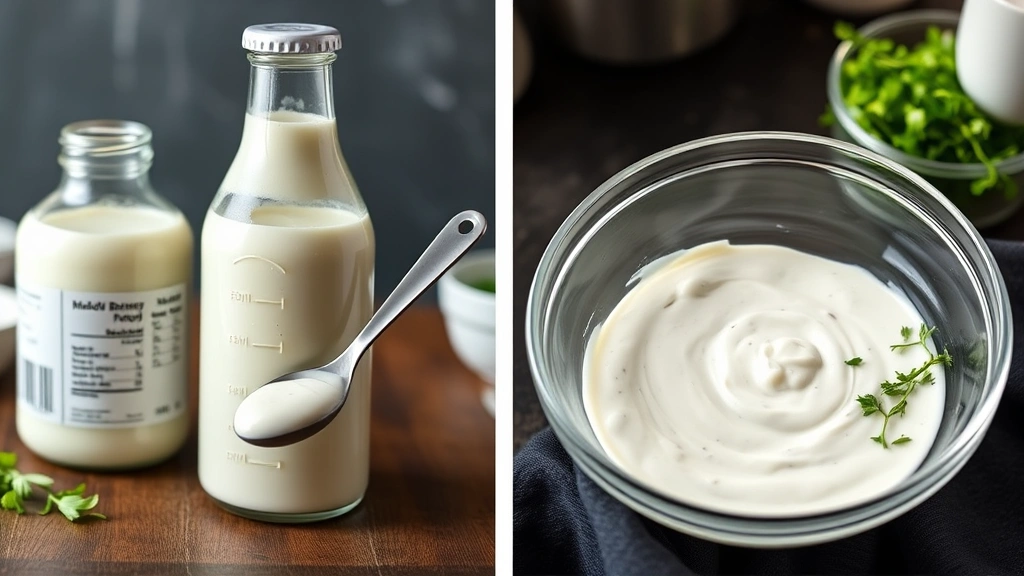
Effective portion control represents the most practical approach for those who genuinely enjoy ranch dressing. Rather than complete elimination, establishing clear serving guidelines prevents excessive consumption. Using measuring spoons rather than pouring directly from the bottle creates awareness of actual intake.
Visual portion guides help restaurant and dining situations where measuring is impossible. Two tablespoons roughly equals the volume of a standard bottle cap or a thumb’s width. Most people underestimate their dressing consumption by 50-100%, believing they’ve used one tablespoon when they’ve actually used three.
Container modifications can reduce consumption without requiring willpower. Transferring dressing to spray bottles or squeeze bottles with small openings naturally limits per-use quantities. Studies on food accessibility demonstrate that reducing friction—making the desired food harder to access—significantly decreases consumption without requiring conscious restriction.
For salads, applying dressing to salad components rather than drizzling over the entire bowl ensures even distribution and reduces total quantity needed. Tossing salad ingredients with a small amount of dressing coats vegetables efficiently, whereas pouring dressing over the top requires substantially more to achieve flavor saturation.
When Ranch Fits Into a Healthy Diet
Despite nutritional limitations, ranch dressing can fit appropriately into a healthy diet when used strategically. Individuals with high energy expenditure—athletes, active individuals, or those with physically demanding occupations—can accommodate the caloric and fat density ranch provides without negative health consequences. For these populations, optimizing athletic nutrition includes flexible approaches to calorie-dense foods.
Those following higher-fat dietary patterns, such as ketogenic or paleo approaches, can incorporate ranch dressing more liberally than people limiting fat intake. The macronutrient profile aligns well with these nutritional frameworks where fat comprises 60-75% of daily calories.
Occasional consumption represents the most straightforward approach for the general population. Using ranch dressing 1-2 times weekly in reasonable portions (one to two tablespoons) poses minimal health risks for most individuals. This frequency prevents the cumulative sodium, saturated fat, and calorie accumulation that becomes problematic with regular consumption.
For individuals managing specific health conditions, ranch dressing requires more careful consideration. Those with hypertension should prioritize lower-sodium alternatives due to the substantial sodium contribution per serving. People with cardiovascular disease or elevated cholesterol may benefit from reducing saturated fat intake, making lighter dressing options preferable. Those managing diabetes or prediabetes should monitor portion sizes carefully to prevent excessive calorie consumption from fat-dense foods.
Research from CDC nutrition guidelines emphasizes that no single food determines dietary quality. Rather, overall eating patterns across days and weeks determine health outcomes. A single salad with ranch dressing doesn’t create health problems; however, daily reliance on high-fat, high-sodium dressings as primary flavor sources contributes to problematic dietary patterns.
The relationship between nutrition and mental health extends to food enjoyment and satisfaction. Completely eliminating beloved foods often backfires, creating feelings of deprivation that undermine long-term dietary adherence. Allowing modest portions of ranch dressing can support psychological well-being and sustainable healthy eating patterns.
Understanding ingredient quality matters when ranch dressing is consumed regularly. Organic versions eliminate synthetic pesticide residues, though nutritional content remains similar. Versions made with real buttermilk and herbs rather than artificial flavoring offer subjective quality improvements. Paying attention to nutrition facts on foods you consume regularly helps identify products aligned with your health priorities.
FAQ
Is ranch dressing bad for weight loss?
Ranch dressing isn’t inherently incompatible with weight loss, but its high caloric density requires careful portion control. At 130-160 calories per two tablespoons, even modest over-consumption quickly adds significant calories. For weight loss success, lighter dressing alternatives or homemade Greek yogurt versions provide superior calorie-to-satisfaction ratios. However, complete elimination isn’t necessary; modest portions (½ to 1 tablespoon) can fit within calorie targets.
Can I eat ranch dressing daily?
Daily ranch consumption isn’t recommended due to cumulative sodium and saturated fat intake. Regular daily consumption contributes to exceeding recommended sodium limits and saturated fat guidelines. Alternating ranch with vinegar-based or lighter dressings provides flavor variety while managing nutrient intake more effectively. If you genuinely enjoy ranch daily, homemade versions with Greek yogurt present a more sustainable approach.
What’s the best store-bought healthy ranch option?
Light ranch versions reduce fat content by 50% compared to full-fat versions, typically containing 60-80 calories and 5-7 grams fat per serving. Organic ranch options eliminate synthetic ingredients but don’t significantly reduce calories or sodium. Greek yogurt-based ranch alternatives offer the most nutritional improvement, with 50-70 calories and 4-5 grams protein per serving. Reading ingredient lists helps identify versions with real herbs rather than artificial flavoring.
How does homemade ranch compare nutritionally to store-bought?
Homemade ranch made with Greek yogurt and buttermilk contains approximately 25 calories and 1.5 grams fat per serving, compared to 130-160 calories and 12-15 grams fat in commercial versions. Homemade versions eliminate artificial additives and allow sodium control. The primary trade-off involves preparation time and shelf stability; homemade versions last only 5-7 days refrigerated, while commercial versions remain stable for months.
Is ranch dressing appropriate for people with high blood pressure?
Traditional ranch dressing’s sodium content (260-320mg per two tablespoons) makes it problematic for those managing hypertension. The sodium alone comprises 11-14% of the recommended daily limit per serving. Those with high blood pressure should prioritize homemade versions with reduced sodium or light vinaigrette alternatives. If ranch is consumed occasionally, portion sizes should remain minimal (½ tablespoon) to manage sodium intake.
Can ranch dressing fit into a Mediterranean diet?
The Mediterranean diet emphasizes olive oil-based dressings rather than cream-based options, making traditional ranch misaligned with this pattern. However, homemade ranch using Greek yogurt (common in Mediterranean countries) better fits this dietary approach. Mixing Greek yogurt with herbs, lemon juice, and minimal olive oil creates a Mediterranean-inspired ranch variant that honors both cultural food traditions and nutritional principles.


