Red Lentils Nutrition Facts: Dietitian Insights
Red lentils stand out as one of the most nutrient-dense legumes available, offering exceptional value for health-conscious eaters and those seeking plant-based protein sources. These small, lens-shaped pulses have gained significant attention in nutritional science due to their impressive micronutrient profile, accessibility, and versatility in global cuisines. Whether you’re planning meals for weight management, athletic performance, or disease prevention, understanding the complete nutritional breakdown of red lentils is essential.
As a registered dietitian perspective, red lentils deserve a prominent place in modern nutrition strategies. They deliver substantial amounts of fiber, plant-based protein, essential minerals, and phytonutrients while remaining remarkably affordable and shelf-stable. This comprehensive guide explores the science-backed nutrition facts, health benefits, and practical applications of red lentils in your daily diet.
Complete Nutritional Breakdown of Red Lentils
One cup of cooked red lentils (approximately 198 grams) contains roughly 230 calories, making them an energy-efficient food choice. The macronutrient distribution reveals why nutritionists recommend red lentils as a cornerstone legume: they provide 18 grams of protein, 40 grams of carbohydrates, and less than 1 gram of fat per serving. This composition makes red lentils particularly valuable for individuals following plant-based diets, as discussed in our nutrition facts about avocados comparison, which explores alternative protein sources.
The carbohydrate content deserves special attention because these are primarily complex carbohydrates and resistant starches, not simple sugars. Red lentils contain approximately 15 grams of dietary fiber per cooked cup, representing about 60% of the daily recommended intake. The remaining carbohydrates break down slowly in your digestive system, providing sustained energy release without dramatic blood sugar spikes. This characteristic makes red lentils fundamentally different from refined grain products despite similar caloric density.
Raw red lentils are more concentrated in nutrients. One-quarter cup of dry red lentils yields approximately 190 calories when cooked, with the same nutritional density increasing proportionally. Understanding this conversion is crucial for meal planning and portion control. The water absorption during cooking roughly triples the volume, which explains why small amounts of dry lentils create satisfying portions.
Protein and Amino Acid Profile
Red lentils deliver 9 grams of complete-spectrum amino acids per cooked cup, though they’re not technically a complete protein on their own. The amino acid profile is rich in lysine, an essential amino acid often limiting in grains. This complementary relationship is why traditional food pairings like lentils with rice have sustained populations for millennia. When combined with whole grains, red lentils create a complete amino acid profile equivalent to animal proteins.
The protein quality in red lentils is enhanced through proper preparation methods. Research from the Journal of the American College of Nutrition demonstrates that sprouting and fermentation increase amino acid bioavailability and reduce anti-nutritional factors. For athletes and active individuals, combining red lentils with complementary proteins becomes a strategic nutritional choice rather than a limitation.
The leucine content in red lentils, approximately 0.8 grams per cooked cup, contributes to muscle protein synthesis stimulation. While this is lower than animal sources, the overall amino acid package, combined with the fiber and micronutrient content, creates a synergistic effect that supports muscle maintenance and recovery. This is why plant-based athletes increasingly incorporate lentils into performance nutrition protocols.
Fiber Content and Digestive Health Benefits
Dietary fiber in red lentils exists in both soluble and insoluble forms, each contributing distinct health benefits. The soluble fiber content helps regulate cholesterol levels and promotes satiety, while insoluble fiber supports digestive motility and feeds beneficial gut bacteria. This dual-fiber approach addresses multiple aspects of digestive and metabolic health simultaneously. For comprehensive understanding of fiber’s broader health implications, review our importance of dietary fiber for your health resource.
The fermentation of red lentil fiber by colonic bacteria produces short-chain fatty acids, particularly butyrate, which nourishes intestinal cells and supports the blood-brain barrier. This mechanism connects digestive health to broader systemic health outcomes. Research published in Nature Reviews Endocrinology emphasizes this gut-health connection in metabolic disease prevention.
Individuals transitioning to higher fiber intake should introduce red lentils gradually, starting with quarter-cup portions and increasing over two to three weeks. This approach minimizes digestive discomfort while allowing the microbiome to adapt. Adequate hydration becomes increasingly important when increasing fiber consumption, as water facilitates proper fiber function throughout the digestive tract.
The resistant starch content in cooked and cooled red lentils increases significantly, providing additional prebiotic benefits. This is why meal-prep strategies that cool lentils before consumption can enhance their health-promoting properties. The resistant starch acts similarly to fiber, feeding beneficial bacteria and contributing to metabolic health improvements.
Essential Minerals and Micronutrients
Red lentils deliver impressive mineral density that often surprises nutrition professionals. One cooked cup provides 356 milligrams of potassium (approximately 10% of daily needs), supporting cardiovascular function and electrolyte balance. The magnesium content reaches 71 milligrams, contributing to muscle function, energy production, and nervous system regulation. These minerals work synergistically, and their presence in whole-food form ensures superior absorption compared to isolated supplements.
Iron content in red lentils reaches approximately 6.6 milligrams per cooked cup, though plant-based iron (non-heme iron) has lower bioavailability than animal sources. Combining red lentils with vitamin C-rich foods like citrus, tomatoes, or bell peppers dramatically increases iron absorption. This strategic pairing demonstrates how nutritional science informs practical meal composition. The zinc content of approximately 1.3 milligrams supports immune function and protein synthesis.
Phosphorus, manganese, and copper round out the mineral profile, each playing crucial roles in bone health, antioxidant defense, and metabolic processes. The mineral density of red lentils, combined with their plant-based status, makes them particularly valuable for individuals managing chronic diseases where mineral status directly impacts outcomes. Consulting our healthy nutrition plan guide to eating well for life provides context for incorporating these minerals into comprehensive dietary strategies.
Folate content reaches 358 micrograms per cooked cup, exceeding 90% of daily requirements. This B-vitamin is essential for DNA synthesis, cell division, and homocysteine metabolism. For women of childbearing age and pregnant individuals, this folate density makes red lentils a nutritional cornerstone. The B-vitamin profile also includes thiamine, riboflavin, and niacin, supporting energy metabolism comprehensively.
Polyphenols and Antioxidant Power
Red lentils contain over 15 distinct polyphenol compounds, with catechin, epicatechin, and kaempferol representing the primary antioxidant classes. These plant compounds neutralize free radicals, reducing oxidative stress that contributes to chronic disease development. The antioxidant capacity of red lentils rivals many conventionally celebrated superfoods, though they receive less marketing attention due to their humble appearance and affordability.
The red coloration itself indicates the presence of anthocyanins and other flavonoid compounds concentrated in the seed coat. These pigments provide not only visual appeal but also documented anti-inflammatory and neuroprotective properties. Research demonstrates that polyphenol-rich foods like red lentils support cognitive function and reduce neuroinflammation markers associated with age-related cognitive decline.
The synergistic interaction between red lentil polyphenols and their fiber content creates a powerful anti-inflammatory effect throughout the digestive tract. This combination addresses inflammation at the source, supporting the gut barrier and reducing systemic inflammatory markers. For individuals managing autoimmune or inflammatory conditions, red lentils represent a scientifically-supported nutritional intervention.
Heat processing affects polyphenol content minimally compared to many plant foods, making red lentils stable across various cooking methods. Both boiling and pressure cooking retain approximately 80-90% of the original polyphenol content, ensuring that convenient preparation methods don’t significantly compromise nutritional value. This stability is a practical advantage rarely discussed in nutrition literature.
Impact on Blood Sugar and Metabolic Health
Red lentils possess a low glycemic index (approximately 21), meaning they produce minimal blood sugar elevation compared to refined carbohydrates. This characteristic results from the combination of fiber, resistant starch, and specific polyphenol compounds that slow glucose absorption. For individuals managing diabetes or prediabetes, red lentils provide carbohydrate-based nutrition without destabilizing blood sugar control.
The glycemic load of red lentils is even more impressive than the glycemic index alone suggests. A typical serving contributes only about 5 glycemic load units, compared to 15-20 for white bread or refined pasta. This means consuming red lentils produces minimal insulin demand, supporting metabolic flexibility and reducing the risk of insulin resistance development. Over time, regular red lentil consumption can improve insulin sensitivity metrics in clinical populations.
The polyphenols in red lentils, particularly the anthocyanins, have demonstrated alpha-glucosidase inhibition properties in laboratory studies. This mechanism slows carbohydrate digestion and glucose absorption, providing additional blood sugar stability benefits. The combination of multiple bioactive compounds creates redundant metabolic benefits that exceed what any single nutrient could provide.
Weight management outcomes improve substantially when refined carbohydrates are replaced with red lentils in hypocaloric diets. The satiety-promoting effect of the fiber and protein combination reduces overall caloric intake without requiring conscious restriction. This mechanism explains why legume-based diets consistently produce superior weight loss outcomes in clinical research compared to other dietary approaches.
Red Lentils in Weight Management Strategies
The caloric density of red lentils (approximately 116 calories per cooked cup) combined with their satiating properties makes them ideal for weight management protocols. The thermic effect of digesting red lentil protein accounts for roughly 10% of calories consumed, meaning your body expends significant energy processing the meal. This postprandial thermogenesis contributes meaningfully to total daily energy expenditure over time.
Volume-based eating strategies benefit tremendously from red lentils’ water-absorbing properties. One-quarter cup of dry lentils expands to approximately one cup when cooked, creating substantial portion volume without excessive calories. This volumetric advantage promotes satiety signals through gastric stretch receptors, supporting appetite regulation without relying on willpower alone.
The sustained energy release from red lentil carbohydrates prevents the energy crashes that typically follow refined carbohydrate consumption. This stability reduces subsequent cravings and snacking impulses, supporting caloric adherence in weight loss programs. For sustainable weight management, red lentils provide the metabolic support necessary for long-term success rather than rapid but unsustainable restriction.
Incorporating red lentils into breakfast meals demonstrates particular efficacy for appetite control throughout the day. Studies show that legume-based breakfasts reduce subsequent caloric intake at lunch and dinner, suggesting systemic appetite regulation benefits extending beyond the meal itself. This appetite-suppressing effect persists for several hours post-consumption, providing practical advantages for meal timing strategies.
Practical Preparation and Bioavailability
Red lentils require minimal preparation compared to other legumes, cooking completely in 15-20 minutes without pre-soaking. This convenience factor significantly impacts dietary adherence, as preparation barriers often limit legume consumption despite their nutritional superiority. The quick cooking time makes red lentils practical for weeknight meal preparation and emergency pantry ingredients.
Soaking red lentils for 30 minutes before cooking, while optional, reduces anti-nutritional factors like phytic acid and tannins that can inhibit mineral absorption. The water used for soaking should be discarded, along with the initial cooking water if extended soaking occurs. This additional step maximizes bioavailability of minerals like iron, zinc, and calcium, particularly important for individuals with mineral status concerns.
Sprouting red lentils for 2-3 days before cooking creates a more bioavailable product with enhanced enzyme activity and reduced anti-nutrients. While more time-intensive, sprouted lentils offer superior nutritional density and are worth the effort for those seeking maximum nutritional extraction. The sprouting process also increases vitamin C content, further supporting mineral absorption.
Storage stability represents a significant practical advantage of red lentils. Dried red lentils maintain nutritional quality for 2-3 years in cool, dry conditions, making them ideal for food security and emergency preparedness. Unlike fresh produce with limited shelf-life, red lentils provide consistent nutrition year-round without refrigeration or preservation concerns. This stability makes them economically practical for bulk purchasing and long-term meal planning.
Cooking methods influence nutrient retention minimally, with boiling, pressure cooking, and slow cooking all preserving the majority of vitamins and minerals. However, pressure cooking offers the advantage of reduced cooking time while maintaining or slightly improving polyphenol retention compared to extended boiling. For maximum nutrient preservation with minimal time investment, pressure cooking represents the optimal approach.
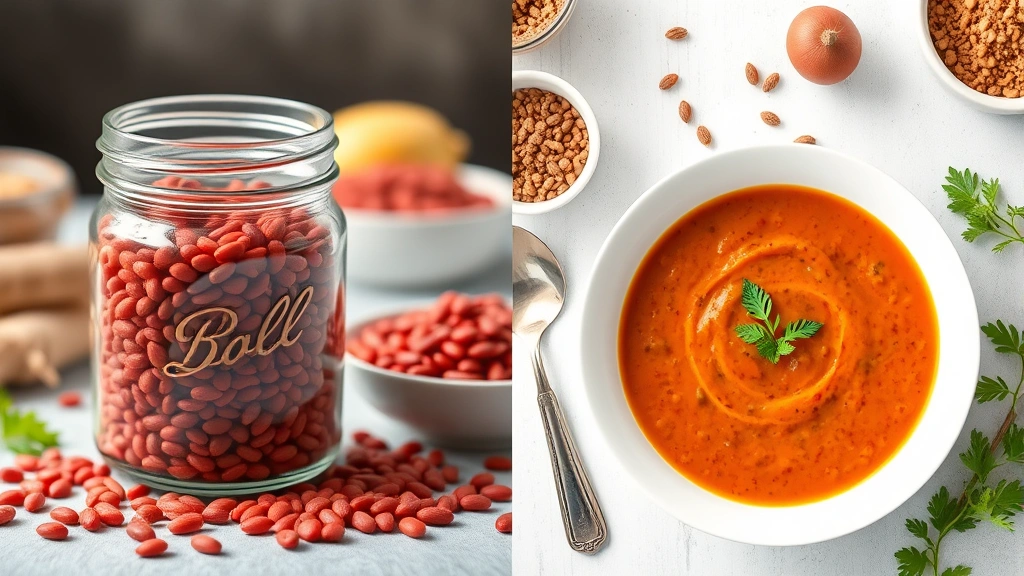
Combining red lentils with complementary foods amplifies their nutritional impact. Pairing with vitamin C sources increases iron bioavailability, while combining with healthy fats improves fat-soluble vitamin absorption. The traditional practice of serving lentils with rice or other whole grains creates a complete amino acid profile, demonstrating how ancestral food combinations align with modern nutritional science. Review our nutrition and mental health resource to understand how these nutrient combinations support cognitive function.
For individuals with digestive sensitivities, cooking red lentils thoroughly until completely soft reduces oligosaccharide content, which can cause bloating. The cooking liquid contains dissolved oligosaccharides, so discarding it and replacing with fresh water during cooking further reduces these compounds. This modification allows individuals with sensitive digestive systems to access red lentil nutrition without discomfort.
Exploring the Nutrients Pathway Blog provides additional context for integrating red lentils into comprehensive nutritional strategies. The blog features complementary articles addressing broader nutrition principles that contextualize specific foods within overall dietary patterns.
FAQ
How much protein do red lentils contain compared to chicken?
Cooked red lentils provide 9 grams of protein per cup, while chicken breast contains approximately 26 grams per 100-gram serving. However, red lentils offer substantially more fiber (15 grams versus negligible amounts in chicken) and significantly more micronutrients. For plant-based diets, combining red lentils with whole grains creates a complete protein equivalent to animal sources while providing superior micronutrient density.
Are red lentils safe for people with kidney disease?
Red lentils’ phosphorus and potassium content requires careful consideration for individuals with advanced chronic kidney disease. Those with kidney concerns should consult healthcare providers regarding appropriate lentil portions, as individual needs vary based on kidney function levels. For most individuals without kidney disease, red lentils pose no safety concerns and provide significant health benefits.
Do red lentils cause bloating or digestive issues?
Some individuals experience bloating when initially consuming red lentils due to oligosaccharide compounds. Gradually increasing intake over several weeks allows the microbiome to adapt. Cooking thoroughly, discarding cooking water, and combining with digestive spices like ginger or cumin can minimize digestive discomfort. Most individuals adapt within 2-4 weeks of regular consumption.
What’s the best way to store dried red lentils?
Store dried red lentils in airtight containers in cool, dry locations away from direct sunlight. Properly stored red lentils maintain quality for 2-3 years. For extended storage beyond 3 years, refrigeration or freezing can further preserve nutritional quality. Inspect for signs of moisture or pest contamination before use.
Can red lentils help with weight loss?
Red lentils support weight loss through multiple mechanisms: low caloric density, high satiety-promoting fiber and protein, and metabolic benefits from resistant starch. Studies consistently show that legume-based diets produce superior weight loss outcomes compared to other dietary approaches. However, weight loss ultimately depends on overall caloric balance and consistent adherence to dietary changes.
Are canned red lentils as nutritious as dried?
Canned red lentils retain approximately 85-90% of the nutritional value of home-cooked dried lentils. The convenience advantage often outweighs minor nutrient losses, as consistency of consumption matters more than marginal nutrient differences. Choose canned lentils without added sodium when possible, or rinse thoroughly to reduce sodium content.


