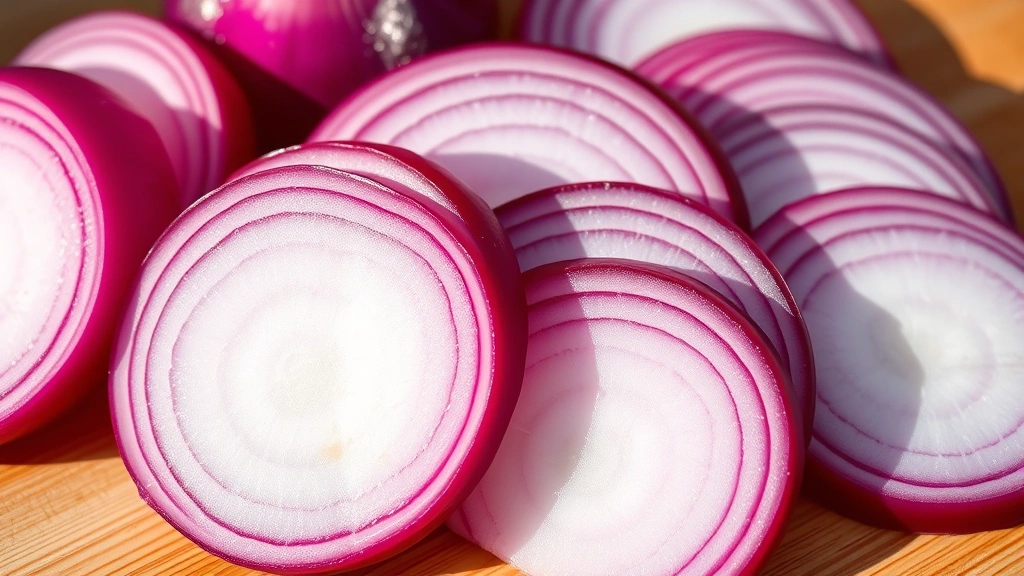
Red Onion Nutrition: Dietitian Insights on Health Benefits and Dietary Applications
Red onions stand as one of nature’s most nutrient-dense vegetables, offering far more than just culinary appeal. These vibrant bulbs contain powerful phytonutrients, antioxidants, and minerals that contribute meaningfully to overall health and disease prevention. Dietitians increasingly recognize red onions as a cornerstone ingredient for those pursuing evidence-based nutritional strategies, particularly for cardiovascular health, blood sugar management, and anti-inflammatory wellness protocols.
The distinctive ruby color of red onions comes from anthocyanins and quercetin, compounds that research associates with reduced inflammation, improved vascular function, and protective cellular mechanisms. Unlike their white or yellow counterparts, red onions deliver substantially higher concentrations of these beneficial compounds, making them a superior choice for health-conscious consumers. Understanding the complete nutritional profile of red onions empowers individuals to make informed dietary decisions aligned with their wellness objectives.
Complete Nutritional Breakdown of Red Onions
A single medium red onion (approximately 150 grams) contains roughly 44 calories, making it an exceptionally calorie-efficient food for nutrient delivery. The macronutrient composition includes 10 grams of carbohydrates, 2 grams of dietary fiber, and negligible fat content. Protein content reaches approximately 1.5 grams, positioning red onions as a carbohydrate-based vegetable suitable for virtually all dietary frameworks.
The micronutrient density of red onions deserves particular attention. Each medium onion provides approximately 10% of the daily recommended value for vitamin C, supporting immune function and collagen synthesis. Manganese content reaches 8% of daily requirements, essential for bone health and metabolic processes. Potassium comprises roughly 6% of daily needs, contributing to cardiovascular regulation and electrolyte balance. Chromium, a trace mineral often overlooked in nutritional discussions, appears in meaningful quantities—red onions contain approximately 25 micrograms per 100-gram serving, supporting glucose metabolism and insulin sensitivity.
Folate (vitamin B9) content reaches approximately 15 micrograms per medium onion, supporting cellular division and DNA synthesis. Vitamin B6 contributes to neurotransmitter synthesis and homocysteine metabolism. This diverse micronutrient profile explains why nutritionists recommend red onions as part of a comprehensive healthy nutrition plan rather than isolated supplements.
Antioxidants and Phytonutrients: The Powerhouse Compounds
Red onions distinguish themselves through extraordinary antioxidant concentrations, particularly anthocyanins—water-soluble pigments responsible for their vibrant coloration. Research published in the Journal of Agricultural and Food Chemistry demonstrates that red onions contain up to 10 times more anthocyanins than yellow varieties. These compounds function as potent free radical scavengers, neutralizing oxidative stress that contributes to chronic disease development.
Quercetin represents another critical phytonutrient in red onions, comprising approximately 50% of the total flavonoid content. This powerful polyphenol exhibits anti-inflammatory, antihistamine, and cardiovascular-protective properties. Studies indicate that quercetin consumption correlates with reduced blood pressure, improved endothelial function, and decreased cardiovascular mortality risk. The bioavailability of quercetin from red onions improves significantly when consumed with dietary fats, suggesting that pairing raw red onions with olive oil-based dressings optimizes nutrient absorption.
Sulfur-containing compounds called thiosulfates and disulfides contribute distinctive flavor profiles while delivering additional health benefits. These volatile compounds exhibit antimicrobial properties and may support liver detoxification pathways. Raw red onions retain maximum thiosulfate content, though cooking partially diminishes these compounds while preserving quercetin and anthocyanins. This nutritional distinction influences preparation recommendations for specific health objectives.
The synergistic interaction between multiple antioxidant systems in red onions creates what nutritionists term “phytonutrient synergy”—the combined effect exceeds what individual compounds achieve independently. This phenomenon underscores why whole-food approaches outperform isolated supplement strategies in most clinical research contexts.
Cardiovascular Health and Blood Pressure Regulation
Epidemiological research consistently demonstrates associations between regular red onion consumption and improved cardiovascular outcomes. A comprehensive review in Nutrients Journal identified multiple mechanisms through which red onions support heart health. The anthocyanin and quercetin content reduces arterial inflammation, improves endothelial function, and enhances nitric oxide bioavailability—a critical signaling molecule for vascular health.
Blood pressure reduction represents one of the most clinically significant benefits. Studies show that individuals consuming red onions regularly experience systolic blood pressure reductions of 5-10 mmHg, particularly pronounced in those with existing hypertension. This modest but meaningful reduction, when combined with other lifestyle modifications, can substantially decrease cardiovascular disease risk. The mechanism involves improved vascular elasticity, reduced arterial stiffness, and enhanced sodium-potassium balance through potassium content.
Red onions also influence lipid profiles favorably. Research indicates that quercetin consumption correlates with improved HDL (“good”) cholesterol levels and reduced LDL oxidation—a critical factor in atherosclerotic plaque development. The sulfur compounds may further support cholesterol metabolism through liver function optimization. For individuals following nutritional strategies similar to those for avocados, red onions provide complementary cardiovascular support through distinct but synergistic mechanisms.
Inflammation reduction extends beyond immediate vascular benefits. Chronic systemic inflammation represents a foundational risk factor for atherosclerosis, heart attack, and stroke. Red onions’ anti-inflammatory compounds help suppress inflammatory markers like TNF-alpha and IL-6, addressing underlying disease mechanisms rather than merely treating symptoms.
Blood Sugar Regulation and Metabolic Health
For individuals managing diabetes or pursuing metabolic optimization, red onions offer evidence-based benefits. The low glycemic index (approximately 10 on a 100-point scale) means red onions produce minimal blood sugar spikes when consumed. The dietary fiber content—approximately 1.5 grams per medium onion—slows glucose absorption and promotes satiety.
Chromium content deserves specific emphasis for blood sugar management. This trace mineral enhances insulin sensitivity and glucose uptake in peripheral tissues. Research suggests that adequate chromium intake correlates with improved glucose tolerance and reduced diabetes risk. Red onions provide chromium in bioavailable forms, supporting these metabolic processes more effectively than many isolated supplements.
Quercetin itself demonstrates direct glucose-regulating properties. Studies show that this flavonoid inhibits enzymes responsible for carbohydrate digestion, thereby reducing postprandial glucose spikes. For individuals following structured nutrition for athletes or metabolic health protocols, red onions support stable energy availability and insulin sensitivity.
The inulin content in red onions—a prebiotic fiber—promotes beneficial gut bacteria growth, which indirectly supports glucose metabolism and metabolic endotoxemia reduction. This microbiome-mediated mechanism represents an often-overlooked benefit of regular red onion consumption.
Digestive Health and Gut Function Support
Red onions function as prebiotics, selectively stimulating growth of beneficial bacterial species in the colon. The inulin and fructooligosaccharides (FOS) content creates an environment favoring Bifidobacteria and Lactobacillus species—microorganisms associated with improved digestive health, enhanced immune function, and reduced inflammatory markers.
Improved gut barrier function represents another significant benefit. The anthocyanins and quercetin in red onions strengthen tight junctions between intestinal epithelial cells, reducing intestinal permeability (commonly termed “leaky gut”). This protective mechanism has implications for systemic inflammation reduction and improved nutrient absorption efficiency.
For those concerned with dietary fiber importance for health, red onions provide both soluble fiber (inulin) and insoluble fiber, supporting comprehensive digestive function. The soluble fraction ferments in the colon, producing short-chain fatty acids (particularly butyrate) that nourish colonocytes and support metabolic health.
Raw red onion consumption maximizes prebiotic activity, though cooked preparations retain substantial benefits while potentially improving tolerability for individuals with sensitive digestive systems. The balance between raw and cooked preparation depends on individual digestive capacity and specific health objectives.
Practical Incorporation Strategies for Optimal Nutrition
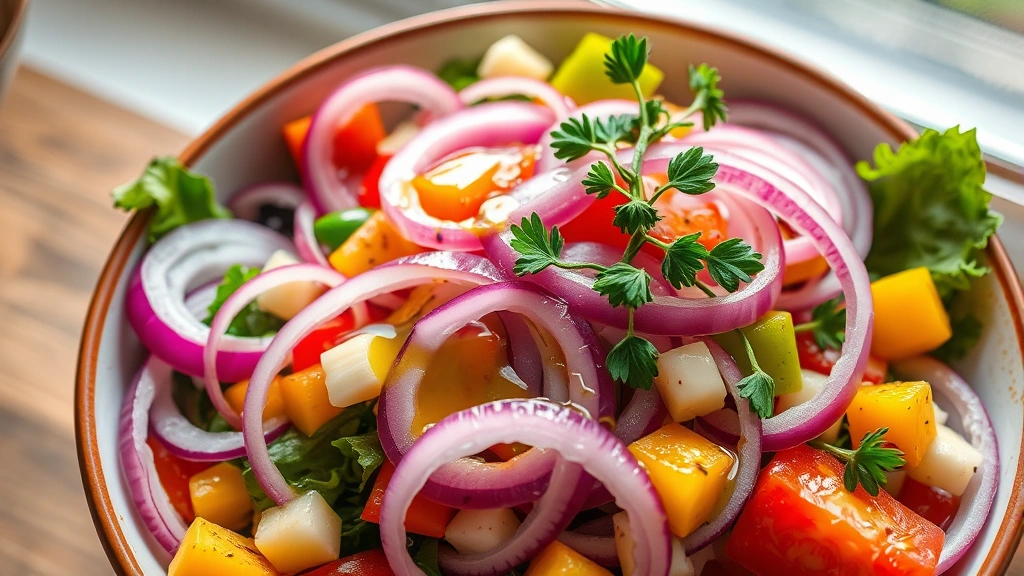
Dietitians recommend consuming red onions in multiple preparation formats to maximize different nutrient profiles. Raw red onion consumption in salads, salsas, and garnishes preserves thermolabile compounds like thiosulfates and maximizes quercetin bioavailability when paired with dietary fats. A simple approach involves adding thin-sliced raw red onions to Mediterranean-style salads with olive oil-based dressings.
Roasted red onions present an alternative approach, caramelizing natural sugars while preserving anthocyanins and quercetin. Roasting involves heating at 400-425°F for 25-30 minutes, creating a naturally sweet side dish complementing protein-based meals. This preparation method suits individuals preferring cooked vegetables while maintaining substantial nutrient retention.
Fermented red onions represent an advanced incorporation strategy, combining prebiotic benefits with probiotic potential. Simple fermentation involves salt-curing sliced red onions for 3-7 days, creating an intensely flavored condiment with enhanced bioactive compound concentration and extended shelf stability.
Incorporating red onions into nutrition and mental health optimization protocols leverages emerging research on polyphenols and cognitive function. The antioxidant and anti-inflammatory compounds in red onions support neuroinflammation reduction and may contribute to improved mood regulation and cognitive resilience.
Practical daily targets involve consuming 1/2 to 1 medium red onion daily, equivalent to approximately 75-150 grams. This quantity delivers meaningful nutrient loads while remaining palatable for most individuals. Frequency matters more than absolute quantity—consistent daily consumption outperforms sporadic large portions in research contexts.
Storage, Selection, and Preparation Optimization
Proper storage preserves red onion nutritional value and extends shelf life significantly. Store red onions in cool (45-55°F), well-ventilated environments away from direct sunlight and moisture. Under optimal conditions, red onions remain viable for 3-4 weeks. Refrigerator storage in perforated bags extends viability to 6-8 weeks, though some volatile compounds diminish gradually.
Selection criteria involve choosing firm onions without soft spots, sprouting, or mold development. The papery outer skin should remain intact, protecting inner layers from microbial contamination and moisture loss. Smaller to medium-sized onions typically offer superior flavor intensity and nutrient concentration compared to oversized varieties.
Cutting technique influences nutrient retention and bioavailability. Allowing cut red onions to rest 5-10 minutes before consumption permits enzymatic reactions that enhance phytonutrient formation. This simple practice, supported by research on sulfur compound development, maximizes nutritional benefit from raw preparations.
Pairing considerations enhance nutrient absorption significantly. Red onions combined with dietary fats (olive oil, avocado, nuts) improve quercetin bioavailability through enhanced lipophilic absorption. Combining with vitamin C sources (tomatoes, bell peppers, citrus) amplifies iron absorption and overall antioxidant capacity. Consuming red onions alongside sulfur-rich foods (garlic, cruciferous vegetables) creates complementary phytonutrient profiles supporting comprehensive detoxification pathways.
Temperature considerations matter for specific applications. Raw consumption preserves maximum thiosulfate content but may cause digestive discomfort in sensitive individuals. Gentle cooking (steaming, light sautéing) for 5-8 minutes reduces sulfur compound intensity while retaining anthocyanins and quercetin. Prolonged cooking (20+ minutes) substantially diminishes volatile compounds but maintains stable phenolic compounds.
Frequently Asked Questions About Red Onion Nutrition
How do red onions compare nutritionally to yellow and white varieties?
Red onions contain significantly higher anthocyanin concentrations—up to 10 times more than yellow varieties. This distinction makes red onions superior for antioxidant intake and anti-inflammatory benefits. Yellow onions offer slightly higher quercetin content in some studies, while white onions provide minimal anthocyanin content. For maximum nutritional benefit, red onions represent the optimal choice among common onion varieties available in most markets.
Can red onion consumption help with weight management?
Red onions support weight management through multiple mechanisms. The low caloric density (44 calories per medium onion) combined with fiber content promotes satiety without substantial energy contribution. The prebiotic compounds support gut microbiome health, which research increasingly associates with improved metabolic rate and reduced obesity risk. However, red onions function best as part of comprehensive dietary strategies rather than isolated weight loss solutions.
Are there any risks or contraindications for red onion consumption?
Red onions are generally safe for most populations. Individuals with fructose malabsorption or irritable bowel syndrome may experience digestive discomfort from inulin content—cooking substantially reduces this concern. Those taking blood-thinning medications should maintain consistent red onion consumption rather than dramatically changing intake, as quercetin may modestly enhance anticoagulant effects. Pregnant individuals should consume normal dietary quantities without concern.
What’s the optimal frequency for red onion consumption?
Daily consumption of 1/2 to 1 medium red onion represents an evidence-based target for most individuals. This frequency ensures consistent phytonutrient intake while avoiding excessive sulfur compound accumulation that some individuals find digestively challenging. Consistency matters more than absolute quantity—regular daily consumption outperforms sporadic large portions in research contexts.
How does cooking method affect red onion nutritional value?
Raw consumption maximizes thiosulfate content but may cause digestive discomfort. Light cooking (5-8 minutes steaming or sautéing) preserves anthocyanins and quercetin while reducing volatile sulfur compounds. Prolonged cooking (20+ minutes) substantially diminishes volatile compounds but maintains stable phenolic compounds. Choose preparation methods based on individual tolerance and specific health objectives rather than assuming raw consumption always provides superior benefits.
Can red onions help with inflammation management?
Yes, multiple mechanisms support inflammation reduction. Anthocyanins and quercetin directly suppress inflammatory markers like TNF-alpha and IL-6. The prebiotic compounds support beneficial gut bacteria growth, reducing lipopolysaccharide-driven inflammation. Consistent red onion consumption correlates with reduced systemic inflammatory markers in research populations. For comprehensive inflammation management, combine red onions with other anti-inflammatory foods and lifestyle practices rather than relying on red onions exclusively.
Is there a best time to consume red onions for maximum benefit?
Timing considerations relate primarily to digestive tolerance rather than nutrient absorption. Some individuals prefer consuming raw red onions with meals to minimize digestive distress. From a nutrient absorption perspective, consuming red onions with dietary fats (olive oil, avocado) enhances quercetin bioavailability. Morning consumption supports metabolic optimization, while evening consumption may promote prebiotic fermentation supporting overnight microbiome activity.


