Ritz Crackers: Are They Healthy? Dietitian Insights
Ritz crackers have been a pantry staple for generations, offering a satisfying crunch and convenient snacking option for millions of households. However, as nutrition awareness grows and consumers increasingly scrutinize food labels, questions about their healthfulness have become more pressing. This comprehensive dietitian-backed analysis examines the nutritional profile of Ritz crackers, their ingredients, and whether they fit into a balanced diet.
The snacking landscape has evolved dramatically over the past decade, with consumers seeking transparency about what they consume. Ritz crackers, manufactured by Mondelez International, represent a processed snack category that warrants careful examination. Understanding their nutritional content and how they compare to alternatives enables informed dietary decisions that align with your health goals and lifestyle.
Nutritional Profile Breakdown
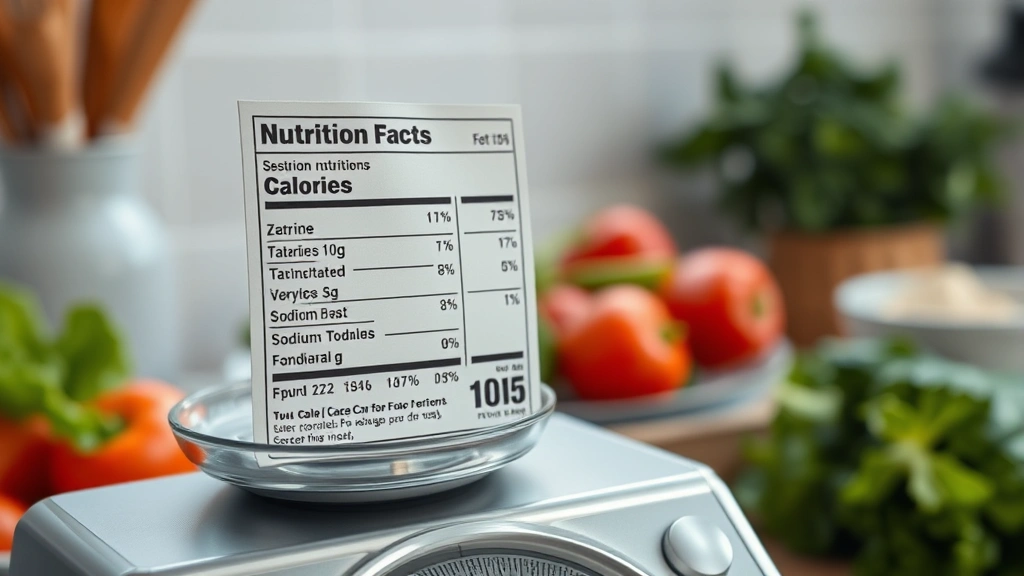
A standard serving of original Ritz crackers (approximately 27 crackers or 30 grams) contains roughly 150 calories, making them a relatively calorie-dense snack. The macronutrient distribution reveals 8 grams of fat, 17 grams of carbohydrates, and just 2 grams of protein per serving. This composition raises important questions about satiety and nutritional value, particularly for those following a healthy nutrition plan.
The sodium content presents a more significant concern, with each serving containing approximately 320-370 milligrams of sodium, representing roughly 14-16% of the daily recommended intake. For individuals managing hypertension or cardiovascular health, this sodium density becomes problematic when crackers are consumed regularly. The absence of meaningful fiber content—typically less than 1 gram per serving—further limits their nutritional contribution to digestive health.
Ritz crackers contain minimal essential vitamins and minerals in their original form. While some varieties are fortified with B vitamins and iron, the amounts remain modest compared to whole grain alternatives. The carbohydrate content consists primarily of refined grains, offering limited sustained energy and minimal micronutrient density compared to whole grain options. Understanding these fundamentals helps contextualize where these crackers fit within broader dietary patterns.
Ingredient Analysis and Concerns
The ingredient list of original Ritz crackers reveals their processed nature: enriched flour, vegetable oil, salt, yeast, and various preservatives and flavoring agents. The enriched flour base indicates that the original grain nutrients have been stripped away during processing, then partially restored through fortification—a less nutritionally complete approach than using whole grains from the start.
Vegetable oil comprises a significant portion of the product, contributing to the high fat content and calorie density. While not inherently unhealthy, the specific oils used and their processing methods influence the nutritional profile. Trans fats have been largely eliminated from modern Ritz formulations following regulatory changes, but the saturated fat content remains elevated at approximately 1.5-2 grams per serving.
Sodium content deserves particular scrutiny. Salt functions as both a flavoring agent and preservative in Ritz crackers, but the quantities used exceed what many health organizations recommend for snack foods. For individuals with salt sensitivity or those managing blood pressure conditions, regular consumption can contribute meaningfully to daily sodium totals. Additionally, some formulations contain soy lecithin and other emulsifiers that, while generally recognized as safe, may concern those with specific dietary restrictions or sensitivities.
The addition of yeast and various flavor compounds creates the characteristic taste that makes these crackers appealing, but these ingredients add minimal nutritional value. When examining processed snacks, it’s valuable to compare them against whole food options and understand how they impact overall dietary quality when consumed as part of a regular eating pattern.
How They Compare to Alternatives
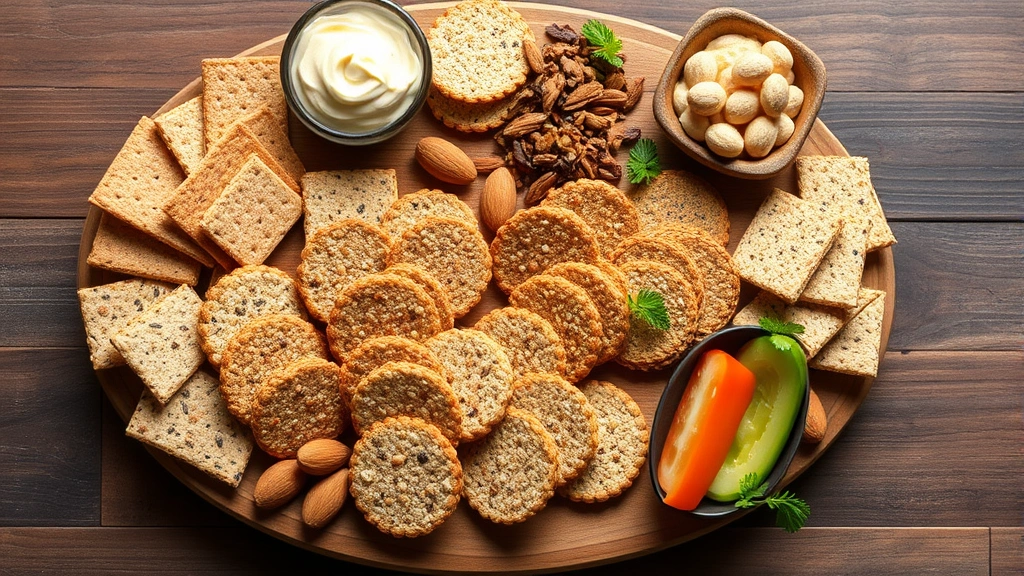
Comparing Ritz crackers to other snack options reveals important context for dietary decisions. Whole grain crackers typically offer superior fiber content—often 2-4 grams per serving compared to less than 1 gram in Ritz. This fiber difference significantly impacts digestion and satiety, as explained in our guide to how to improve digestion.
Whole grain varieties also provide more sustained energy due to their lower glycemic index, meaning they cause less dramatic blood sugar spikes. This becomes particularly important for individuals managing diabetes or seeking stable energy throughout the day. Additionally, whole grain crackers retain more of the original grain’s micronutrients, including B vitamins, magnesium, and manganese.
When compared to fresh vegetables with hummus or nut-based snacks, Ritz crackers offer significantly less protein, healthy fats, and micronutrient density. A serving of almonds provides comparable calories but delivers nearly 6 grams of protein, beneficial unsaturated fats, and valuable minerals like magnesium. Similarly, vegetables like carrots or bell peppers with hummus provide fiber, vitamins, and minerals with lower calorie density.
Multigrain and seed-based crackers represent another superior alternative category, often containing ingredients like flax, sesame, or sunflower seeds that add nutritional complexity. These options typically contain more protein and healthy fats while maintaining reasonable sodium levels. The comparison isn’t meant to demonize Ritz crackers but rather to contextualize their nutritional contribution relative to other available options.
Portion Control and Moderation
The key to incorporating any processed snack into a healthy diet centers on portion awareness and frequency. Ritz crackers’ calorie and sodium density means that portion control becomes essential. A single serving (27 crackers) is appropriate as an occasional snack, but many people consume multiple servings in one sitting without realizing the accumulated nutritional impact.
The convenient package design can encourage mindless eating, a documented challenge in snacking research. When consuming directly from the box rather than portioning into a bowl, individuals typically consume 30-50% more than intended. This behavioral aspect of snacking significantly influences the overall nutritional impact of these crackers on daily intake.
For those incorporating Ritz crackers into their diet, pairing them with nutrient-dense foods can improve the overall nutritional value of the snack. Combining them with protein sources like cheese or nuts, or pairing with vegetables, creates a more balanced snack profile. However, this strategy works best when practiced occasionally rather than as a daily habit, as it still doesn’t address the refined grain and sodium concerns.
Frequency matters considerably. Consuming Ritz crackers twice weekly as a moderate portion snack differs dramatically from daily consumption. Those following a healthy diet emphasizing dietary fiber should recognize that regular Ritz consumption contributes to refined grain intake that displaces whole grain options more beneficial for long-term health.
Where Ritz Crackers Fit in a Healthy Diet
Ritz crackers can be incorporated into a healthy diet, but their role should be clearly defined and limited. They function best as an occasional indulgence or convenient option when superior alternatives aren’t available. For individuals maintaining overall dietary quality through consistent consumption of whole foods, vegetables, fruits, and lean proteins, occasional Ritz cracker consumption presents minimal health concern.
The Mediterranean diet, often cited as one of the healthiest eating patterns, typically excludes processed crackers in favor of whole grain bread and legumes. However, within the context of an otherwise balanced diet, a small portion of crackers occasionally doesn’t negate the benefits of consistent healthy eating patterns. The problem emerges when crackers become a dietary staple rather than an occasional treat.
For those managing specific health conditions—including hypertension, diabetes, or cardiovascular disease—Ritz crackers warrant more careful consideration or avoidance. The sodium content poses particular concerns for blood pressure management, while the high glycemic index impacts blood sugar stability. Consulting with healthcare providers about snacking choices becomes increasingly important as health conditions require more targeted nutritional approaches.
Athletes and active individuals might occasionally incorporate Ritz crackers as a quick carbohydrate source, though superior options exist. The refined carbohydrates provide rapid energy but lack the micronutrient density that supports athletic performance and recovery. For pre-workout nutrition, whole grain options or fruit provide better sustained energy and nutritional support.
Healthier Cracker Alternatives
Several cracker categories offer superior nutritional profiles for those seeking healthier snacking options. Whole grain crackers made from 100% whole wheat flour provide substantially more fiber and micronutrients. Brands emphasizing minimal processing and shorter ingredient lists typically deliver better nutritional value than conventional options.
Seed-based crackers incorporating flax, sesame, pumpkin, or sunflower seeds add protein, healthy fats, and minerals while maintaining reasonable sodium levels. These options provide more sustained satiety due to their nutrient density and generally support better blood sugar stability. The complex carbohydrates in whole grains digest more slowly than the refined carbohydrates in Ritz crackers.
Legume-based crackers represent an emerging category with exceptional protein content—often 4-6 grams per serving. Made from chickpea or lentil flour, these options deliver complete nutritional profiles with fiber, protein, and micronutrients. While sometimes more expensive than conventional crackers, their superior satiety and nutritional density often justify the cost difference.
For those seeking convenience without processed crackers, simple alternatives include whole grain bread, rice cakes topped with nutrient-dense spreads, or nuts and seeds. These options require minimal preparation while delivering superior nutritional value. Understanding that nutrition impacts mental health and overall wellness reinforces the importance of choosing nutrient-dense options consistently rather than relying on processed snacks.
Homemade cracker options using whole grain flours, seeds, and minimal salt provide complete control over ingredients and nutrition. While requiring more preparation time, homemade versions can be batch-prepared and stored, offering convenience comparable to commercial options with superior nutritional profiles.
FAQ
Are Ritz crackers entirely unhealthy?
Ritz crackers aren’t entirely unhealthy but represent a processed snack with limited nutritional value. They contain refined grains, high sodium, and minimal fiber or protein. Within the context of an otherwise balanced diet, occasional consumption presents minimal harm, but they shouldn’t form a dietary staple. The key distinction lies between occasional enjoyment and regular consumption as a primary snacking choice.
How often can I safely eat Ritz crackers?
For generally healthy individuals without specific health conditions, occasional consumption—perhaps once or twice weekly in reasonable portions—fits within a healthy diet. Those managing hypertension, diabetes, or cardiovascular conditions should limit frequency further or avoid them entirely. Consulting with healthcare providers about individual circumstances ensures personalized guidance aligned with specific health needs.
What’s a reasonable serving size?
The manufacturer’s standard serving of approximately 27 crackers represents a reasonable portion size. However, many people consume significantly larger quantities. Portioning crackers into a bowl rather than eating directly from the box helps maintain awareness of actual consumption. Pairing with nutrient-dense foods improves the nutritional value of the overall snack.
Do different Ritz varieties have different nutritional profiles?
Yes, Ritz offers numerous varieties with varying nutritional profiles. Flavored varieties often contain additional sodium and ingredients, making them less desirable from a health perspective. Some reduced-fat versions lower calorie content but may contain added ingredients to maintain flavor and texture. Reading individual labels ensures accurate nutritional comparison rather than assuming all varieties are identical.
Can Ritz crackers fit into a weight loss diet?
While Ritz crackers can technically fit into a calorie-controlled diet due to their defined portion sizes, they’re suboptimal choices for weight loss. Their low protein and fiber content provides minimal satiety, making sustained hunger management challenging. Alternatives offering more protein, fiber, and nutrient density better support weight loss goals by promoting sustained fullness with fewer calories.
Are there any additives in Ritz crackers I should know about?
Original Ritz crackers contain minimal additives beyond salt and yeast, though specific formulations may include soy lecithin, preservatives, and flavoring agents. Those with soy allergies should verify ingredient lists. The primary concern centers on sodium content and refined grain composition rather than specific additives, though ingredient transparency remains important for informed dietary choices.


