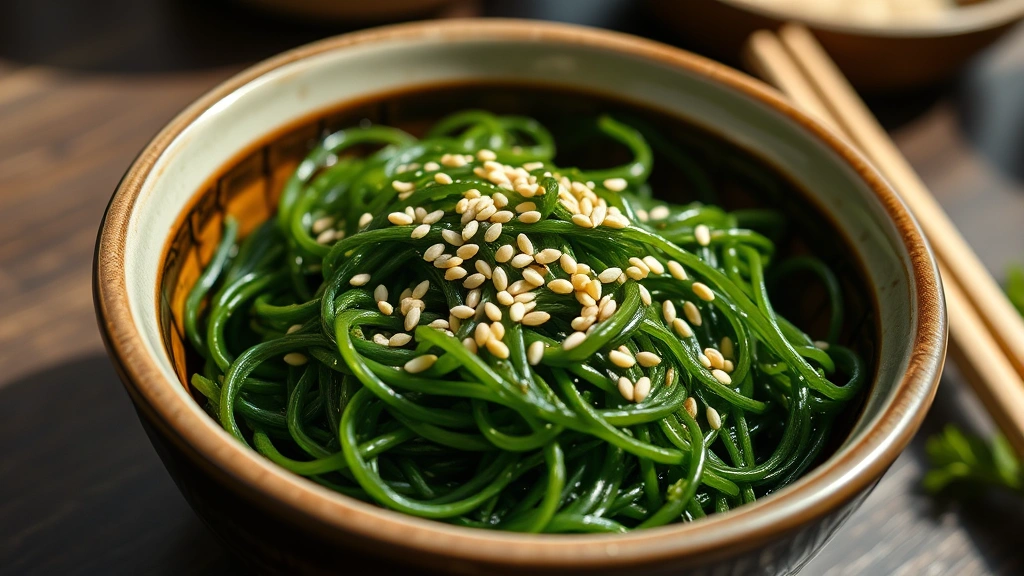
Seaweed Salad Calories? Dietitian Explains Complete Nutrition Breakdown
Seaweed salad has become a staple in health-conscious dining, gracing sushi restaurant menus and specialty grocery store shelves worldwide. But beneath its vibrant green appearance and umami-rich flavor lies a question that nutritionists hear constantly: exactly how many calories are in seaweed salad, and is it truly as healthy as its reputation suggests? As a registered dietitian, I’ve helped countless clients navigate the nutritional landscape of this popular Japanese side dish, and the answer is more nuanced than a simple calorie count.
The truth about seaweed salad calories depends on multiple factors—the type of seaweed used, preparation methods, portion sizes, and added ingredients like sesame oil and dressing. While a typical serving contains between 70-150 calories, the real nutritional story involves understanding the mineral density, iodine content, and bioavailability of nutrients that make seaweed salad uniquely valuable in a balanced diet. This comprehensive guide will help you understand not just the caloric content, but why seaweed salad deserves a prominent place in your nutritional strategy.
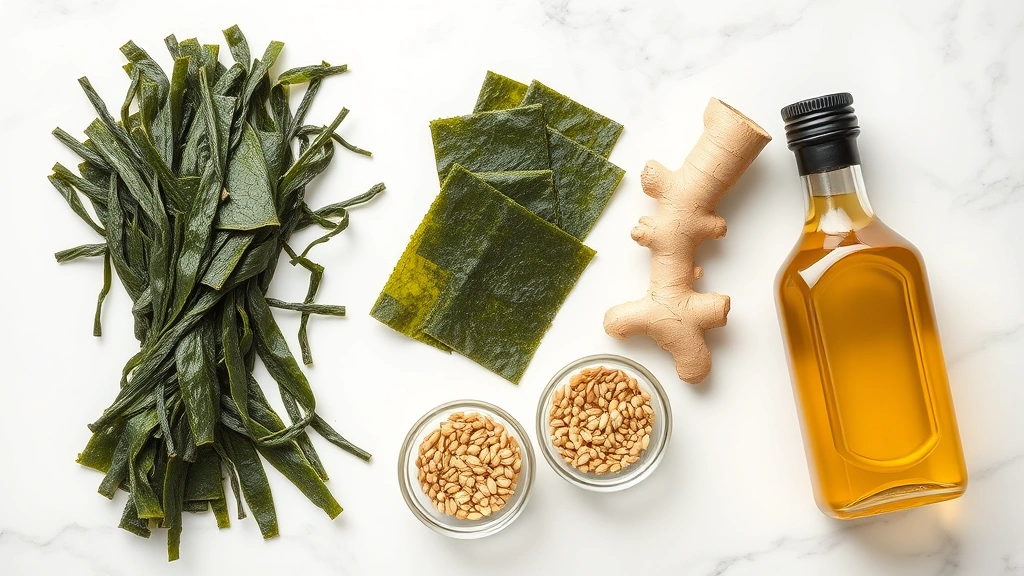
Seaweed Salad Calorie Breakdown by Type
When discussing seaweed salad calories, precision matters tremendously. The most common variety served in restaurants is made from undaria pinnatifida, commonly known as wakame seaweed. A standard 3.5-ounce (100-gram) serving of commercially prepared seaweed salad typically contains 70-100 calories, though this can vary significantly based on the oil content in the dressing.
The primary caloric contributors in seaweed salad are not the seaweed itself—which contains only 30-45 calories per 100 grams in its dried form—but rather the added oils and seasonings. Most restaurant versions include sesame oil, which adds approximately 40-60 calories per tablespoon. A single serving of seaweed salad at a typical Japanese restaurant contains roughly one to two teaspoons of sesame oil, accounting for the majority of the caloric content.
Different seaweed varieties present slightly different caloric profiles. Nori (the seaweed used in sushi rolls) contains about 5 calories per sheet, while kelp varieties range from 45-60 calories per 100 grams. The preparation and hydration state of seaweed dramatically affects how we measure and consume it, making standardized calorie counts challenging without knowing the exact product specifications.

Complete Nutrition Facts Analysis
Beyond calories, seaweed salad delivers an impressive nutritional package that makes it exceptional among side dishes. A 100-gram serving of typical seaweed salad contains approximately:
- Protein: 2-3 grams—making it a meaningful plant-based protein source
- Carbohydrates: 12-15 grams—primarily from complex carbs and fiber
- Dietary Fiber: 2-3 grams—supporting digestive health and satiety
- Fat: 2-4 grams—predominantly from the added sesame oil, mostly unsaturated
- Sodium: 800-1200 mg—a consideration for those monitoring salt intake
The macronutrient profile makes seaweed salad an excellent complement to a healthy nutrition plan because it provides satiety without excessive calories. The combination of fiber and protein helps stabilize blood sugar levels and promotes sustained energy throughout the day.
What distinguishes seaweed salad from conventional vegetable salads is its micronutrient density. The trace mineral content is extraordinary—a single serving provides substantial amounts of iodine, selenium, iron, and magnesium. These nutrients are often deficient in modern Western diets, making seaweed salad a nutritional powerhouse despite its modest calorie count.
Essential Minerals and Iodine Content
The most remarkable aspect of seaweed nutrition is its iodine concentration. Iodine is essential for thyroid function, metabolism regulation, and cognitive development. A single serving of seaweed salad can provide 50-100% of the daily recommended iodine intake, depending on the seaweed variety and ocean source.
However, this abundance creates an important consideration: individuals with thyroid conditions should consult healthcare providers about seaweed consumption, as excessive iodine can affect thyroid function. For the general population consuming seaweed salad 1-3 times weekly, iodine levels remain within safe and beneficial ranges.
Beyond iodine, seaweed salad provides exceptional amounts of:
- Selenium—supporting immune function and reducing inflammation
- Iron—critical for oxygen transport and energy production
- Magnesium—involved in over 300 enzymatic reactions in the body
- Calcium—supporting bone health and muscular function
- Potassium—regulating blood pressure and cardiovascular health
Research from the National Center for Biotechnology Information demonstrates that seaweed consumption correlates with improved mineral status in populations with limited dietary diversity. This makes seaweed salad particularly valuable for vegetarians, vegans, and individuals seeking to improve nutrient absorption from plant-based sources.
Documented Health Benefits
Beyond the numerical nutritional profile, seaweed salad offers evidence-based health benefits that justify its inclusion in a balanced diet. The polysaccharides in seaweed, particularly fucoidan, have demonstrated anti-inflammatory properties in peer-reviewed studies. These compounds may help reduce chronic inflammation markers associated with cardiovascular disease, arthritis, and metabolic disorders.
The iodine in seaweed supports thyroid health, which directly impacts metabolism, energy levels, and hormonal balance. For individuals living in regions with iodine-poor soil—which includes much of North America—seaweed salad provides a natural, whole-food iodine source that many nutritionists recommend as an alternative to iodized salt.
Seaweed also contains compounds called phytochemicals, including phenolic acids and carotenoids, which function as antioxidants. These substances help neutralize free radicals and may reduce the risk of chronic disease development. Studies published in marine biology and nutrition journals suggest that regular seaweed consumption is associated with lower rates of certain cancers, though more human clinical trials are needed to establish definitive causation.
The soluble fiber in seaweed, known as alginate, may help regulate blood sugar levels and promote healthy cholesterol profiles. This makes seaweed salad particularly beneficial for individuals managing diabetes or seeking to optimize their metabolic health. Additionally, the fiber content supports beneficial gut bacteria growth, contributing to improved digestive health and immune function.
Portion Control and Serving Recommendations
Understanding appropriate portion sizes ensures you maximize seaweed salad’s benefits while maintaining caloric and sodium balance. A standard restaurant serving (approximately 100 grams or 3.5 ounces) contains 70-150 calories depending on oil content, making it an ideal portion size for most dietary contexts.
For individuals following a nutrition for athletes program, seaweed salad serves as an excellent pre- or post-workout side dish due to its mineral content and moderate carbohydrate profile. Athletes can consume slightly larger portions (150-200 grams) without exceeding reasonable caloric intake, while benefiting from the mineral replenishment seaweed provides.
For general population dietary recommendations, consuming seaweed salad 2-3 times weekly provides optimal iodine and mineral intake without risk of excessive iodine accumulation. Those with sodium-sensitive conditions should be mindful of the 800-1200 mg sodium content per serving, potentially rinsing prepared seaweed salad to reduce salt concentration by 20-30%.
Home preparation allows for portion customization and reduced sodium levels. By preparing seaweed salad with reduced sesame oil and lower-sodium tamari instead of traditional soy sauce, you can create a version containing just 50-80 calories per serving while maintaining nutritional density. This approach appeals to individuals in calorie-deficit phases or those seeking maximum nutrient-to-calorie ratios.
How Preparation Affects Nutritional Value
The way seaweed salad is prepared significantly impacts its final nutritional composition. Commercial preparations often use refined sesame oil heated to high temperatures, which can reduce some of the oil’s beneficial compounds. Cold-pressed sesame oil retains more of its nutritional value, including sesame lignans that possess antioxidant properties.
Traditional Japanese preparation involves rehydrating dried wakame seaweed in water, then combining it with a dressing of sesame oil, rice vinegar, sugar, and salt. This method preserves most of the seaweed’s heat-sensitive nutrients while creating the characteristic umami flavor. Some manufacturers add additional ingredients like soy sauce, sake, or mirin, which increase sodium and simple carbohydrate content.
Home preparation offers significant advantages for nutritional optimization. By using high-quality, cold-pressed sesame oil and selecting low-sodium soy sauce alternatives, you can reduce sodium by 40-50% while maintaining flavor complexity. Adding fresh citrus juice provides additional vitamin C, which enhances the bioavailability of iron present in the seaweed—a synergistic nutritional benefit.
Raw seaweed salads, which involve minimal processing, retain maximum nutritional value compared to cooked or heavily processed versions. However, food safety considerations require ensuring seaweed comes from reputable sources with proper testing for heavy metals and contaminants, as seaweed naturally absorbs elements from ocean water.
Comparison with Other Seaweed Products
Understanding how seaweed salad compares to other seaweed-based foods helps contextualize its nutritional role. Nori sheets used in sushi contain approximately 5 calories per sheet with similar micronutrient density to seaweed salad, making them an excellent low-calorie alternative for iodine and mineral intake. Kelp noodles, increasingly popular in health-conscious cuisine, contain 6-8 calories per serving with comparable mineral profiles but less fiber.
Seaweed snacks—roasted and seasoned sheets—typically contain 30-50 calories per serving with slightly higher sodium than fresh seaweed salad due to the roasting process and added seasonings. These offer convenience but may contain added oils or flavor enhancers that increase caloric density without proportional nutritional benefit.
Compared to conventional vegetable salads, seaweed salad provides 3-5 times more mineral density in similar caloric amounts. A traditional garden salad with dressing might contain 100-150 calories but delivers far fewer trace minerals than seaweed salad’s 70-100 calories. This makes seaweed salad exceptionally efficient from a nutrient-density perspective, offering superior nutritional return on caloric investment.
When compared to other Asian side dishes commonly served with Japanese cuisine, seaweed salad outperforms edamame (calories equivalent but lower mineral diversity) and matches or exceeds gyoza or tempura in nutritional value while containing significantly fewer calories. This positioning makes seaweed salad the optimal choice for health-conscious diners seeking maximum nutritional benefit from appetizer selections.
Incorporating Seaweed Salad Into Your Diet
Strategic incorporation of seaweed salad into your regular diet maximizes its health benefits while maintaining nutritional balance. As a restaurant side dish, seaweed salad pairs excellently with sushi, sashimi, or other protein-based Japanese meals, providing mineral supplementation and digestive support without excessive calories.
For home meal preparation, seaweed salad serves multiple functions. Mixed into grain bowls with quinoa or brown rice, it adds mineral density and umami flavor while keeping the overall calorie count moderate. Combined with avocado nutrition facts, seaweed salad provides complementary nutritional profiles—the monounsaturated fats from avocado enhance the absorption of fat-soluble vitamins, while seaweed’s minerals and avocado’s potassium create a synergistic nutritional combination.
Athletes and active individuals benefit from including seaweed salad in post-workout meals. The carbohydrates support glycogen replenishment, while the minerals—particularly magnesium and potassium—support muscle recovery and reduce exercise-induced inflammation. This application is particularly valuable for endurance athletes seeking recovery foods with minimal gastrointestinal burden.
For individuals interested in optimizing omega-3 fatty acid intake, seaweed salad serves as a complementary food. While seaweed contains some omega-3s, combining it with fatty fish creates a synergistic nutrient profile that maximizes anti-inflammatory benefits and supports cardiovascular and cognitive health.
Weight management applications benefit from seaweed salad’s fiber and mineral density. The satiety provided by the fiber and protein helps reduce overall caloric intake at meals while ensuring micronutrient sufficiency—a crucial consideration during calorie-deficit phases where nutrient deficiency risk increases. The volume of seaweed salad per serving creates psychological fullness signals that support adherence to dietary goals.
FAQ
How many calories are in a typical restaurant serving of seaweed salad?
A standard restaurant serving of seaweed salad (approximately 100 grams or 3.5 ounces) contains 70-150 calories, with the variation primarily dependent on the amount of sesame oil in the dressing. Most restaurant versions fall within the 100-120 calorie range, making them a relatively low-calorie side dish option.
Is seaweed salad high in sodium?
Yes, seaweed salad typically contains 800-1200 mg of sodium per serving, which represents approximately 35-50% of the daily recommended intake. Individuals monitoring sodium intake for hypertension or other health conditions should be aware of this content. Rinsing prepared seaweed salad or preparing it at home with reduced-sodium soy sauce alternatives can significantly decrease sodium content.
Can seaweed salad affect thyroid function?
Seaweed salad contains substantial iodine, which is essential for thyroid function but can be problematic in excess for individuals with certain thyroid conditions. Those with hypothyroidism, hyperthyroidism, or taking thyroid medications should consult their healthcare provider about appropriate seaweed consumption frequency. For the general population consuming seaweed salad 1-3 times weekly, iodine levels remain within safe and beneficial ranges.
Is seaweed salad suitable for vegetarians and vegans?
Yes, seaweed salad is naturally vegetarian and vegan, containing no animal products. It provides valuable plant-based sources of iodine, iron, and minerals that are often deficient in vegetarian and vegan diets, making it a nutritionally strategic addition to these dietary patterns.
How does homemade seaweed salad compare to store-bought versions?
Homemade seaweed salad typically contains fewer calories (50-80 per serving) when prepared with reduced oil and lower-sodium seasonings, while maintaining equivalent or superior mineral content. Store-bought versions often contain added sugars, preservatives, and excess sodium that homemade preparations can minimize. However, quality store-bought versions from reputable manufacturers offer convenience and consistency.
Can seaweed salad help with weight loss?
Seaweed salad can support weight loss efforts through its combination of fiber, protein, and minerals in a relatively low-calorie package. The satiety provided by these nutrients helps reduce overall caloric intake at meals. Additionally, the minerals—particularly iodine—support thyroid function and metabolic rate optimization, which indirectly supports weight management efforts.
What heavy metals might be present in seaweed salad?
Seaweed naturally absorbs elements from ocean water, including trace amounts of heavy metals like arsenic, cadmium, and lead. However, studies indicate that moderate consumption of properly sourced seaweed salad (2-3 times weekly) poses minimal health risk. Selecting products from reputable manufacturers who conduct regular testing for contaminants minimizes this concern significantly.
How should seaweed salad be stored?
Unopened packaged seaweed salad should be stored in a cool, dry place away from direct sunlight, with a shelf life of 6-12 months depending on the product. Once opened, refrigerate in an airtight container and consume within 3-5 days. Homemade seaweed salad should be refrigerated and consumed within 2-3 days for optimal quality and safety.


