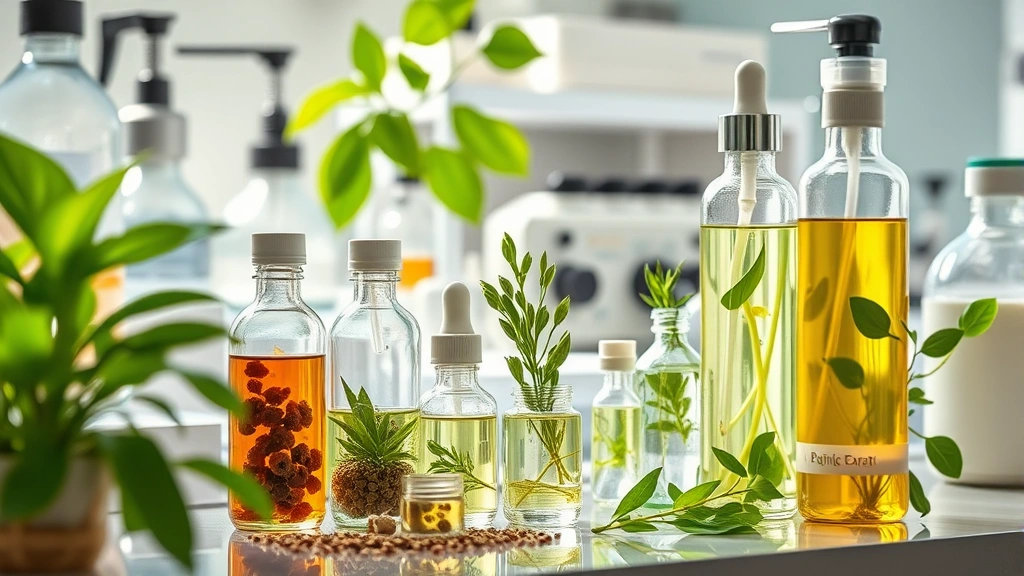
Botanical Benefits for Skin? Expert Insights on Nature’s Most Powerful Ingredients
The intersection of botanical science and dermatology has never been more compelling. As consumers increasingly seek natural alternatives to synthetic skincare, research validates what ancient healing traditions have long suggested: plants contain extraordinary compounds capable of transforming skin health from the inside out. This shift toward plant-based skincare isn’t merely a trend—it represents a fundamental understanding that true skin nutrition begins with understanding how botanical compounds interact with our body’s largest organ.
Modern dermatologists and nutritionists now recognize that the most effective approach to skin health combines topical botanical applications with internal consumption of nutrient-dense plant compounds. The question isn’t whether botanicals benefit skin, but rather how to strategically integrate them into a comprehensive wellness routine. This article explores the science-backed botanical ingredients transforming skincare, the mechanisms through which they work, and expert recommendations for maximizing their potential.
The Science Behind Botanical Skin Benefits
Botanical compounds work through multiple biological pathways to improve skin health. Polyphenols, flavonoids, and phytonutrients found in plants possess antioxidant and anti-inflammatory properties that directly address common skin concerns including premature aging, acne, and hyperpigmentation. Research from Pew Research Center’s health studies demonstrates that consumers incorporating plant-based ingredients report measurable improvements in skin elasticity and clarity within 4-12 weeks.
The effectiveness of botanicals stems from their ability to neutralize free radicals—unstable molecules that damage collagen and elastin, accelerating visible aging. Unlike synthetic antioxidants, plant-derived compounds often work synergistically with the body’s natural defense mechanisms. When you explore a comprehensive nutrients pathway blog, you’ll discover how different botanical families target specific skin challenges through distinct chemical compositions.
Dermatological research increasingly validates traditional botanical uses. Green tea polyphenols reduce sebum production and bacterial growth associated with acne. Rosehip seed oil contains vitamin A compounds that stimulate cellular turnover. Turmeric’s curcumin demonstrates anti-inflammatory effects comparable to certain pharmaceutical interventions, without the associated side effects. This scientific validation has transformed botanicals from folk remedies into evidence-based skincare solutions.
Top Botanicals for Skin Nutrition and Health
Retinol-Rich Plant Sources: While synthetic retinoids dominate pharmaceutical skincare, botanical alternatives deliver similar benefits through different mechanisms. Carrot seed oil, rosehip, and sea buckthorn contain carotenoids that convert to vitamin A within the body. These ingredients prove particularly valuable for individuals with sensitive skin who cannot tolerate prescription retinoids. The gentle yet effective nature of plant-derived retinol alternatives makes them ideal for long-term skin nutrition strategies.
Antioxidant Powerhouses: Green tea, white tea, and oolong extract contain catechins—powerful antioxidants that penetrate the skin barrier and neutralize environmental stressors. Vitamin C from kakadu plum and rosehip provides photoprotection and brightening effects. When considering nutrition facts about avocados, it’s worth noting that avocado’s high vitamin E content also supports skin barrier function and prevents oxidative stress damage.
Hydrating and Barrier-Supporting Botanicals: Hyaluronic acid, though technically a polysaccharide rather than a botanical alkaloid, is abundantly present in plant sources including fermented botanicals. Ceramides from plant oils strengthen the skin’s lipid barrier, preventing transepidermal water loss. Squalane derived from plant sources mimics skin’s natural sebum, providing nourishment without congestion. These botanicals address the fundamental principle that hydrated skin is healthier, more resilient skin.
Anti-Inflammatory Botanicals: Chamomile, calendula, and centella asiatica reduce inflammation-driven skin conditions. Ginger and turmeric contain compounds that inhibit inflammatory cytokines. These botanicals prove especially valuable for individuals with rosacea, eczema, or reactive skin conditions. Understanding the importance of dietary fiber for your health extends to how gut health influences skin inflammation—dietary fiber supports beneficial bacteria that reduce systemic inflammation affecting skin.
Pigmentation and Brightening Agents: Licorice root extract inhibits tyrosinase, the enzyme responsible for melanin production. Vitamin C-rich botanical extracts prevent oxidation of existing melanin. Kojic acid from fermented botanicals provides gentle yet effective brightening. Alpha-arbutin from bearberry offers skin-lightening benefits without the safety concerns associated with hydroquinone.
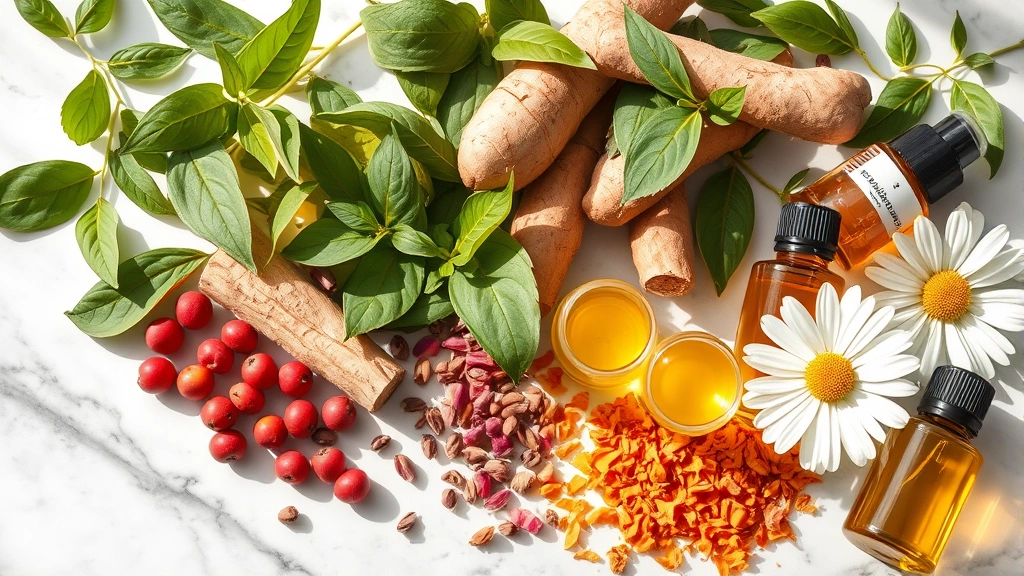
How Plant Compounds Work at the Cellular Level
Understanding botanical efficacy requires examining cellular mechanisms. Phytochemicals penetrate the epidermis and interact with skin cells through multiple pathways. Some compounds activate sirtuins—longevity genes that regulate cellular repair and regeneration. Others enhance mitochondrial function, improving cellular energy production necessary for maintaining skin structure and function.
Botanical compounds influence gene expression patterns. Resveratrol from grapes activates NAD+-dependent pathways that support DNA repair mechanisms. Green tea polyphenols upregulate antioxidant enzyme production, essentially teaching skin cells to produce their own protective compounds. This epigenetic effect represents a paradigm shift in skincare—rather than simply providing external protection, botanicals enhance the skin’s intrinsic defense systems.
The role of the skin microbiome in botanical efficacy cannot be overstated. Certain plant compounds act as prebiotics, selectively feeding beneficial bacterial species while inhibiting pathogenic bacteria. This microbial rebalancing reduces acne-causing bacteria without the indiscriminate destruction associated with antibacterial agents. Such approaches align with growing understanding that skin health depends on bacterial diversity and balance.
Botanical compounds also influence skin’s natural moisturizing factor (NMF) production. Certain plant extracts stimulate filaggrin production—a protein that breaks down into amino acids essential for skin hydration. This mechanism explains why consistent botanical skincare use produces cumulative benefits: the skin gradually becomes more efficient at maintaining its own hydration and barrier function.
Internal vs. Topical: Which Approach Works Better
The most effective botanical skincare strategy combines both internal and external approaches. Topical application delivers concentrated plant compounds directly to skin cells, providing immediate antioxidant and anti-inflammatory benefits. Topical botanicals work rapidly on surface concerns and can penetrate the epidermis through enhanced formulation techniques including liposomal encapsulation and nanoparticle technology.
However, internal consumption of botanical compounds offers advantages that topical application cannot replicate. Orally ingested plant compounds enter systemic circulation, supporting skin from within by reducing body-wide inflammation, supporting collagen synthesis, and enhancing blood flow to skin tissue. Antioxidants consumed internally accumulate in skin tissue over weeks and months, providing sustained protection against environmental damage.
Research demonstrates that combining internal and topical approaches produces superior results compared to either method alone. When you develop a healthy nutrition plan: a guide to eating well for life, incorporating skin-supporting botanicals into your diet while simultaneously using topical botanical products creates synergistic effects. Your skin receives botanical compounds through multiple delivery mechanisms, maximizing their bioavailability and effectiveness.
Timing matters significantly. Consuming botanical compounds in the morning provides antioxidant protection during daytime UV exposure. Evening application of topical botanicals supports skin’s nighttime repair processes. This strategic timing optimizes each delivery method’s unique advantages, creating a comprehensive botanical skincare protocol.
Building Your Botanical Skincare Strategy
Assessment Phase: Begin by identifying your primary skin concerns—aging, acne, sensitivity, dryness, or hyperpigmentation. Different botanical combinations address different concerns. Someone targeting fine lines and elasticity loss requires different botanicals than someone addressing acne-prone skin. Understanding nutrition and mental health: how your diet impacts your brain also proves relevant, as stress-related skin issues benefit from botanicals that support both neurological and dermatological health.
Layering Approach: Effective botanical skincare requires strategic layering. Begin with cleansing using gentle botanical surfactants. Follow with hydrating toners containing botanical extracts. Apply serums featuring concentrated plant compounds in appropriate molecular weights for penetration. Finish with moisturizers incorporating botanical oils and butters. Each layer delivers different botanical compounds at different concentrations, creating comprehensive coverage.
Concentration and Potency: Not all botanical products deliver equivalent efficacy. Third-party tested products with standardized botanical extracts provide consistent potency. Look for products specifying botanical extract percentages—10% green tea extract provides measurably different results than 1% extract. Understanding concentration levels ensures you’re receiving therapeutically effective doses.
Consistency and Patience: Botanical skincare requires commitment. Unlike prescription medications that produce rapid visible changes, plant-based approaches work gradually as they support the skin’s natural regenerative cycles. Most individuals observe meaningful improvements within 6-8 weeks of consistent use, with optimal results appearing after 12+ weeks. This timeline aligns with skin’s natural 28-day renewal cycle multiplied across several regenerative cycles.
Integration with Lifestyle: Botanical skincare amplifies when combined with complementary lifestyle practices. Adequate sleep supports skin repair processes that botanical compounds facilitate. Regular exercise increases blood flow delivering botanical nutrients to skin tissue. Stress reduction through meditation or yoga decreases inflammatory responses that botanicals help regulate. This holistic integration creates multiplicative benefits.
Expert Recommendations and Safety Considerations
Dermatologists increasingly recommend botanical skincare, particularly for individuals seeking to minimize synthetic ingredient exposure. However, expert consensus emphasizes several safety principles. First, botanical doesn’t automatically mean safe—some plants contain potent compounds requiring careful dosing. Patch testing remains essential, particularly for individuals with sensitive skin or known plant allergies.
Second, quality and sourcing matter profoundly. Botanicals cultivated in contaminated soil may accumulate heavy metals or pesticides. Reputable manufacturers conduct rigorous testing ensuring botanical purity and potency. Third-party certifications from organizations like NSF International or USP provide additional assurance of product quality and safety claims.
Third, interactions between botanical compounds and medications require consideration. Certain botanicals may interact with pharmaceutical medications or increase photosensitivity. Consulting healthcare providers before incorporating new botanical regimens proves especially important for individuals taking medications or managing medical conditions.
Experts also emphasize avoiding over-reliance on single ingredients. Botanical skincare benefits from diversity—rotating between different plant compounds prevents the skin from adapting and losing responsiveness. Seasonal variation in botanical use aligns with traditional medicine wisdom and modern dermatological understanding of skin’s changing needs throughout the year.
Understanding how to improve digestion proves relevant because skin health begins with nutrient absorption. Even the most potent botanical compounds require optimal digestive function to deliver their benefits. Supporting gut health through dietary fiber, probiotics, and digestive enzymes enhances the bioavailability of orally consumed botanical compounds.
Leading dermatologists recommend starting with well-researched botanicals supported by substantial clinical evidence—green tea, retinol-rich plants, vitamin C sources, and proven anti-inflammatory botanicals. As your skin adapts and you understand your individual responses, gradually expanding your botanical repertoire allows for increasingly customized skincare protocols.
The emerging field of botanical dermatology research continues validating traditional knowledge while revealing new mechanisms through which plants support skin health. Investment in botanical skincare represents investment in long-term skin health through nature’s most sophisticated delivery systems—compounds refined through millions of years of evolution.
FAQ
How long before botanical skincare produces visible results?
Most individuals observe initial improvements within 2-4 weeks, with more substantial changes appearing after 8-12 weeks of consistent use. Results depend on baseline skin condition, botanical potency, consistency of application, and complementary lifestyle factors. Patience and realistic expectations prove essential for success with botanical skincare approaches.
Are botanical skincare products suitable for all skin types?
Botanical skincare can benefit all skin types when properly formulated and selected. However, specific botanicals suit different skin types—lighter botanical oils for oily skin, richer botanicals for dry skin, soothing botanicals for sensitive skin. Understanding your skin type and selecting appropriate botanical formulations ensures compatibility and effectiveness.
Can botanical skincare replace dermatological treatments?
Botanical skincare provides excellent support for skin health but shouldn’t automatically replace prescribed dermatological treatments for serious conditions. However, many individuals successfully use botanicals as primary skincare with professional guidance. Consulting dermatologists allows for integrating botanical and conventional approaches appropriately based on individual conditions.
Which botanicals work best for anti-aging?
Retinol-rich botanicals, vitamin C sources, resveratrol-containing plants, and collagen-supporting compounds like vitamin E and hyaluronic acid prove most effective for anti-aging. Combining multiple botanical anti-aging compounds addresses various aging mechanisms—cellular turnover, collagen synthesis, antioxidant protection, and hydration.
Are there risks associated with botanical skincare?
Botanical skincare generally presents minimal risks when sourced from reputable manufacturers and used as directed. Potential concerns include allergic reactions, photosensitivity with certain botanicals, and interactions with medications. Patch testing, consulting healthcare providers, and purchasing from certified sources mitigate these risks effectively.


