
Snickers Fun Size: Nutrition Facts Breakdown
Snickers Fun Size bars have become a staple in candy bowls, Halloween trick-or-treat bags, and office break rooms across America. These miniature chocolate bars pack a surprising amount of flavor into a diminutive package, making them appealing to consumers seeking portion-controlled indulgence. However, understanding the snickers fun size nutritional value is essential for anyone monitoring their dietary intake, managing weight, or making informed choices about processed sugar consumption.
The Fun Size version of Snickers represents Mars Incorporated’s strategic approach to modern snacking trends. Rather than eliminating chocolate bars from their portfolio, the company downsized the classic candy to meet evolving consumer preferences for smaller portions and reduced calorie counts. This article provides a comprehensive breakdown of the nutritional profile of Snickers Fun Size, examining macronutrients, micronutrients, and how this candy fits within various dietary frameworks.
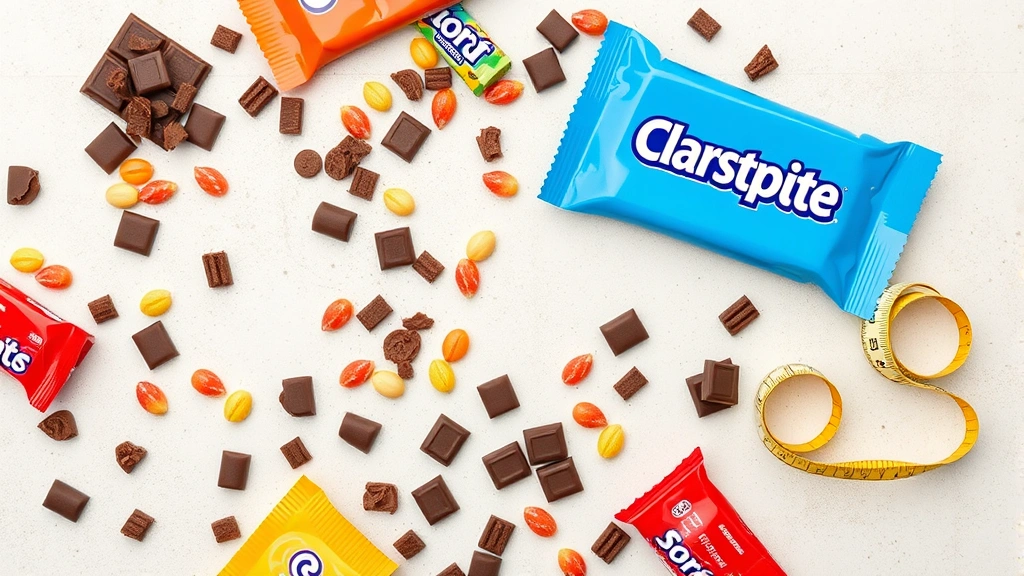
Complete Nutritional Profile
A standard Snickers Fun Size bar, weighing approximately 10.86 grams, contains a carefully balanced mixture of ingredients designed to deliver the brand’s signature chocolate-peanut-caramel experience. According to Mars Wrigley’s official nutritional labeling, understanding each component helps consumers make deliberate dietary choices rather than mindlessly consuming these treats.
The complete nutritional breakdown per Fun Size bar includes calories, total fat, saturated fat, trans fat, cholesterol, sodium, total carbohydrates, dietary fiber, total sugars, and protein. Each of these elements plays a distinct role in how your body processes and utilizes the candy. The ingredient list typically includes milk chocolate, peanuts, corn syrup, sugar, skim milk, butter, and various stabilizers and preservatives.
Snickers Fun Size bars are manufactured with consistency standards that ensure each miniature version maintains the brand’s flavor profile while reducing overall nutrient density. This makes them predictable from a nutritional standpoint—consumers can reliably expect the same nutritional content across multiple bars, which aids in meal planning and dietary tracking.
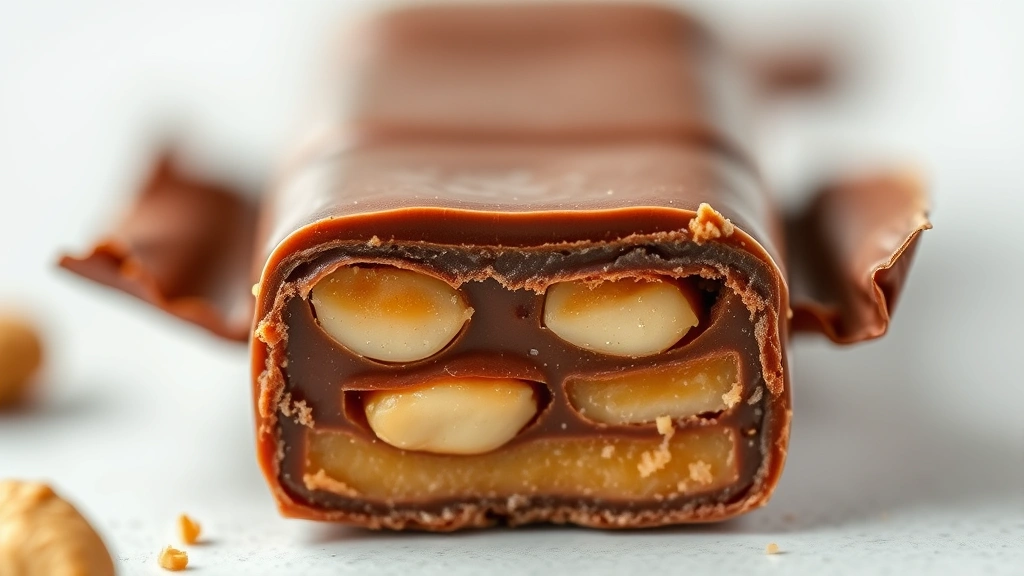
Caloric Content Analysis
Each Snickers Fun Size bar contains approximately 42-43 calories, making it one of the lower-calorie candy options available. This modest caloric contribution derives from the bar’s small size—roughly one-quarter the weight of a standard Snickers bar. For individuals following a healthy nutrition plan, understanding how these calories fit into daily energy expenditure becomes crucial.
The caloric density of candy typically ranges from 3 to 5 calories per gram. Snickers Fun Size falls toward the higher end of this range due to its chocolate and fat content, delivering approximately 3.9 calories per gram. This caloric density matters because it means the bar provides concentrated energy without significant satiety or nutritional benefit.
For context, 43 calories represents roughly 2% of a 2,000-calorie daily diet. However, the concern with candy consumption extends beyond simple calorie counting. The calories in Snickers Fun Size come almost entirely from refined carbohydrates and fats, providing minimal nutritional value compared to whole foods. Someone consuming multiple Fun Size bars throughout the day could easily exceed their daily caloric targets while still experiencing hunger due to lack of protein and fiber.
Sugar and Carbohydrate Breakdown
The most significant nutritional concern with Snickers Fun Size involves its sugar content. Each bar contains approximately 7 grams of sugar, with total carbohydrates reaching around 8 grams. This means roughly 87.5% of the bar’s carbohydrate content comes from sugars rather than complex carbohydrates or fiber.
The American Heart Association recommends that added sugars comprise no more than 6% of daily caloric intake. For a 2,000-calorie diet, this translates to roughly 25 grams of added sugar daily. A single Snickers Fun Size bar consumes 28% of this recommended daily allowance. Consuming multiple bars or combining them with other sugary snacks quickly leads to excessive sugar intake.
The glycemic impact of Snickers Fun Size is substantial. The combination of refined sugar, corn syrup, and chocolate creates rapid blood glucose elevation. This triggers an insulin response that can lead to energy crashes and subsequent cravings for more sugar. Individuals managing blood sugar levels, whether due to diabetes, prediabetes, or metabolic syndrome, should approach these bars cautiously or avoid them entirely.
The carbohydrate profile lacks dietary fiber. Dietary fiber aids digestion, promotes satiety, and helps regulate blood sugar levels. With minimal to no fiber content, Snickers Fun Size provides empty carbohydrate calories that fail to support digestive health or sustained energy. In contrast, consuming carbohydrates from whole grains, fruits, or vegetables provides fiber alongside energy.
Fat Content Examination
Total fat content in a Snickers Fun Size bar reaches approximately 2 grams, with roughly 0.7 grams comprising saturated fat. This fat composition reflects the presence of milk chocolate, peanuts, and butter in the formulation. While fat is an essential macronutrient necessary for hormone production, vitamin absorption, and cellular function, the type and source of fat matters considerably.
The saturated fat in Snickers Fun Size comes primarily from milk chocolate and dairy ingredients. Saturated fat consumption remains controversial in nutritional science, though peer-reviewed research suggests excessive intake correlates with elevated LDL cholesterol levels. The 0.7 grams of saturated fat per bar represents approximately 3.5% of a 2,000-calorie diet’s saturated fat allowance of 20 grams.
Notably, Snickers Fun Size contains no trans fat, which represents a positive attribute. Trans fats have been largely eliminated from processed foods in most developed nations due to their association with cardiovascular disease. The peanut content provides some heart-healthy monounsaturated and polyunsaturated fats, though the amount is minimal given the bar’s small size.
The fat-to-sugar ratio in Snickers Fun Size creates a particularly palatable combination. From a food science perspective, this combination triggers pleasure centers in the brain, creating the addictive quality associated with many processed desserts. The fat content slows digestion slightly, which means the sugar enters the bloodstream somewhat more gradually than it would from pure sugar alone, but this effect is minimal.
Protein and Other Nutrients
Snickers Fun Size contains approximately 1.5 grams of protein per bar, derived primarily from peanuts and milk solids. While this represents a modest amount, it’s noteworthy because most candy bars contain negligible protein. The protein content provides minimal satiety benefit, as protein typically needs to comprise a more substantial portion of a food item to meaningfully impact hunger signaling.
Micronutrient content in Snickers Fun Size is minimal. The bar provides trace amounts of calcium and iron, though not in quantities that would contribute meaningfully to daily requirements. Individuals relying on candy as a source of micronutrients would be dramatically underestimating their dietary needs. Unlike nutrition facts about avocados or other whole foods, processed candy offers virtually no vitamins, minerals, or phytonutrients.
The sodium content in Snickers Fun Size reaches approximately 33 milligrams per bar, representing less than 2% of the recommended daily sodium intake. This modest sodium level reflects the candy’s composition, though it’s worth noting that combined with other processed foods consumed throughout the day, sodium intake can accumulate quickly.
One notable absence is dietary fiber. Snickers Fun Size contains zero grams of fiber, which means it provides no support for digestive health, cholesterol management, or blood sugar regulation. This absence highlights the distinction between whole foods and processed confections.
Comparison with Other Candies
When evaluating Snickers Fun Size nutritional value within the broader candy landscape, several comparisons prove illuminating. A Reese’s Peanut Butter Cup Fun Size contains roughly 42 calories and 4.5 grams of sugar—slightly lower sugar content than Snickers. M&M’s Fun Size packets contain approximately 43 calories but derive more heavily from chocolate than protein-containing peanuts.
Compared to full-size Snickers bars, the Fun Size version delivers approximately one-quarter the nutritional impact. A standard Snickers bar contains roughly 170 calories, 33 grams of carbohydrates, and 27 grams of sugar. This makes the Fun Size version genuinely portion-controlled rather than simply a marketing gimmick.
In the broader context of nutritional analysis, Snickers Fun Size ranks as a moderate-calorie, high-sugar candy option. It’s neither the worst choice available—some gummies and hard candies offer minimal nutritional benefit—nor a particularly healthful treat option. The presence of peanuts provides some protein and healthy fats compared to chocolate-only candies.
Healthier alternative snacks offering similar caloric content include single almonds (approximately 7 calories), apple slices with almond butter, or Greek yogurt. These alternatives provide sustained energy, satiety, and nutritional benefit that Snickers Fun Size cannot match.
Health Considerations
The nutritional profile of Snickers Fun Size raises several health considerations relevant to different populations. For individuals managing weight, the modest 43-calorie content makes these bars theoretically compatible with calorie-restricted diets, provided they don’t trigger overconsumption patterns.
However, research on nutrition and mental health suggests that refined sugar consumption impacts mood, cognitive function, and mental wellbeing. The rapid blood glucose spike followed by the subsequent crash can exacerbate anxiety, depression, and attention difficulties.
For individuals with diabetes or prediabetes, Snickers Fun Size presents a genuine concern. The 7 grams of sugar per bar and rapid carbohydrate absorption make it unsuitable for blood sugar management. Diabetic individuals should consult healthcare providers about appropriate treat options.
The peanut content means Snickers Fun Size is unsuitable for individuals with tree nut or peanut allergies. Cross-contamination during manufacturing also poses risks for those with severe allergies.
For children, the high sugar content and addictive nature of the candy-chocolate combination warrant parental consideration. The American Academy of Pediatrics recommends limiting added sugar in children’s diets, and candy consumption should be occasional rather than routine.
Portion Control Strategies
For those who choose to consume Snickers Fun Size despite its nutritional limitations, strategic portion control becomes essential. The bar’s modest size actually supports portion control compared to full-size alternatives. A single Fun Size bar provides a defined endpoint rather than tempting consumers to continue eating from a larger container.
Effective portion control strategies include purchasing Fun Size varieties rather than standard bars, which physically limits intake. Pairing a single bar with protein and healthy fats—such as consuming it after a meal that included adequate protein—can minimize blood sugar impact.
Incorporating candy consumption into meal planning strategies proves more effective than treating candy as an unplanned indulgence. Designating specific times and quantities for candy consumption helps prevent mindless snacking and excessive intake.
Mindful consumption practices, such as eating slowly and savoring the experience rather than consuming quickly, can increase satisfaction from smaller quantities. This aligns with research suggesting that satisfaction derives partially from the eating experience itself rather than merely caloric intake.
For individuals prone to binge eating or sugar addiction, complete avoidance may prove more effective than portion control. The addictive nature of sugar-fat combinations means that consuming a single bar sometimes triggers cravings for additional sweets. Understanding personal response patterns helps determine optimal strategies.
FAQ
How many calories are in a Snickers Fun Size bar?
A standard Snickers Fun Size bar contains approximately 42-43 calories, making it a relatively low-calorie candy option. However, these calories derive almost entirely from refined carbohydrates and fats, providing minimal nutritional benefit.
Is Snickers Fun Size suitable for diabetics?
Snickers Fun Size is generally not recommended for individuals with diabetes due to its high sugar content (approximately 7 grams) and rapid carbohydrate absorption. Individuals with diabetes should consult healthcare providers about appropriate treat options.
Does Snickers Fun Size contain any nutritional value?
Snickers Fun Size provides minimal nutritional value. The bar contains small amounts of protein from peanuts and trace minerals, but lacks vitamins, fiber, and significant micronutrient content. It should be considered an occasional indulgence rather than a nutritious food.
How does Snickers Fun Size compare to other candy bars?
Snickers Fun Size contains similar calories to other Fun Size candy bars (approximately 42-43 calories). However, the peanut content provides more protein than chocolate-only options. Compared to full-size Snickers bars, the Fun Size version delivers one-quarter the nutritional impact.
Can Snickers Fun Size fit into a weight loss diet?
The modest caloric content of Snickers Fun Size technically allows it to fit into calorie-restricted diets. However, the high sugar content and minimal satiety may trigger overconsumption patterns. Healthier snack alternatives providing similar calories with greater nutritional benefit are preferable.
What are healthier alternatives to Snickers Fun Size?
Healthier alternatives include almonds, apple slices with almond butter, Greek yogurt, or dark chocolate (70% cacao or higher). These options provide sustained energy, satiety, and nutritional benefit that processed candy cannot match.


