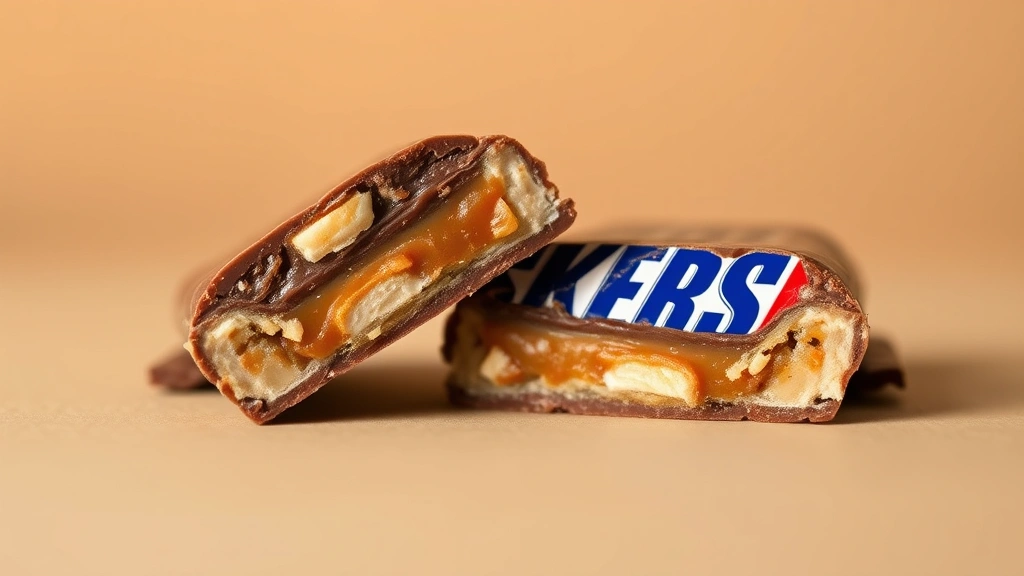
Snickers Nutrition Facts: What a Dietitian Says
Snickers bars have been an American candy staple since 1930, combining chocolate, caramel, peanuts, and nougat into one of the world’s best-selling chocolate bars. But what does a registered dietitian actually say about the snickers nutrition facts you’ll find on that wrapper? Understanding the complete nutritional profile—beyond just calories—helps you make informed choices about occasional indulgences and how they fit into your overall diet.
This comprehensive guide breaks down every aspect of a standard Snickers bar’s nutrition, examines what the numbers mean for your health, and provides practical perspective on enjoying chocolate treats responsibly. Whether you’re a casual candy consumer or someone tracking macronutrients carefully, knowing the facts empowers better dietary decisions.
Complete Nutrition Facts Breakdown
A standard Snickers bar (52.7 grams or 1.86 ounces) contains the following nutritional information according to manufacturer data:
- Calories: 250 per bar
- Total Fat: 12 grams (15% Daily Value)
- Saturated Fat: 4.5 grams (23% Daily Value)
- Trans Fat: 0 grams
- Cholesterol: 5 milligrams (2% Daily Value)
- Sodium: 120 milligrams (5% Daily Value)
- Total Carbohydrates: 33 grams (12% Daily Value)
- Dietary Fiber: 1 gram (4% Daily Value)
- Total Sugars: 27 grams
- Protein: 4 grams (8% Daily Value)
These numbers represent a typical full-size bar. It’s important to note that Snickers comes in multiple sizes—fun-size versions contain roughly half these values, while King Size bars nearly double them. The nutrition label you see on packaging reflects the serving size, so checking the actual weight of your bar matters significantly.
The ingredient list reads: milk chocolate (sugar, cocoa butter, chocolate, skim milk, lactose, milkfat, soy lecithin, artificial flavor), peanuts, corn syrup, sugar, palm oil, skim milk powder, and salt. This combination creates the characteristic texture and taste profile that’s made Snickers the top-selling candy bar globally.
Caloric Content and Energy Density
At 250 calories per standard bar, Snickers represents a moderate caloric commitment within a typical 2,000-calorie daily diet—roughly 12.5% of daily intake. However, understanding caloric density provides more meaningful insight. Snickers delivers approximately 4.7 calories per gram, which is relatively high compared to whole foods like fruits or vegetables but typical for processed candy and chocolate products.
For context, this caloric load comes almost entirely from carbohydrates and fats, with minimal water content. The bar’s compact size means you’re consuming significant energy in a small volume, which doesn’t trigger the same satiety signals as more voluminous foods. Registered dietitians call this low satiety-to-calorie ratio—meaning you’ll feel less full after consuming 250 calories from a Snickers than from 250 calories of, say, grilled chicken or beans.
From a metabolic perspective, these calories digest relatively quickly. The simple carbohydrates and sugars cause rapid blood glucose elevation, followed by insulin response, potentially leading to energy crashes within 1-2 hours. This differs significantly from balanced meals containing protein, fiber, and complex carbohydrates, which provide sustained energy release. Understanding this distinction helps explain why candy makes poor meal replacements and why developing a healthy nutrition plan requires intentional food choices.
Sugar Content Analysis
Perhaps the most concerning aspect of Snickers nutrition facts is the 27 grams of sugar per bar. To contextualize this: the American Heart Association recommends maximum daily added sugar intake of 25 grams for women and 36 grams for men. A single Snickers bar exceeds the recommended daily maximum for women and represents 75% of men’s daily allowance.
This 27-gram total includes both added sugars and naturally occurring sugars from milk ingredients. The bar contains roughly 25-26 grams of added sugars specifically. Consuming this quantity triggers significant insulin response, potentially problematic for individuals with diabetes, prediabetes, or metabolic syndrome. Even for metabolically healthy individuals, regular candy consumption contributes to weight gain, dental problems, and increased chronic disease risk.
The sugar content combines multiple sources: refined white sugar, corn syrup (a glucose-fructose blend), and lactose from milk solids. This mixture ensures rapid absorption and maximum blood glucose impact. The fructose component particularly concerns dietitians because it metabolizes differently than glucose, with stronger associations to fatty liver disease and metabolic dysfunction when consumed in excess.
For those monitoring sugar intake due to health conditions, awareness of actual versus perceived sugar content matters tremendously. Many people underestimate candy bar sugar because they don’t conceptualize “27 grams” viscerally. Translating to teaspoons (roughly 6.75 teaspoons of sugar) or comparing to other foods helps create meaningful perspective.
Fat Profile Explained
Snickers contains 12 grams of total fat, with 4.5 grams from saturated fat. While total fat percentage seems moderate, the type of fat matters significantly. Saturated fat comprises about 37% of total fat content, which exceeds optimal ratios for daily consumption.
The fat in Snickers comes primarily from three sources: cocoa butter (natural cocoa fat), palm oil (highly saturated vegetable oil), and milk fat. Palm oil particularly concerns nutritionists because it’s highly saturated and linked to inflammation, cardiovascular stress, and environmental sustainability issues. Cocoa butter, conversely, contains stearic acid, a saturated fat that doesn’t negatively impact cholesterol levels the way other saturated fats do.
The bar contains zero trans fats, which represents improvement from older candy formulations. Trans fats—artificially created through hydrogenation—pose serious cardiovascular risks and have been largely phased out of American food manufacturing since FDA restrictions took effect.
From a nutritional standpoint, the fat content contributes significantly to the bar’s texture and mouthfeel. The combination of cocoa butter, palm oil, and milk fat creates the smooth melting sensation that makes Snickers appealing. However, from a health perspective, these fats provide empty calories with no micronutrient density—unlike fat from nuts, seeds, or fatty fish that provide additional nutritional benefits.
Protein and Fiber Components
At 4 grams of protein per bar, Snickers provides a modest protein contribution. This comes primarily from peanuts (roughly 3 grams) and milk solids (roughly 1 gram). While 4 grams isn’t negligible, it’s insufficient to meaningfully impact satiety or provide amino acid profile benefits.
The protein quality matters as well. Peanut protein, while containing all essential amino acids, isn’t as bioavailable or complete as animal proteins or legume combinations. The small quantity also limits functional impact—you’d need substantially more peanuts to derive meaningful protein benefits. For athletes optimizing performance through diet, Snickers provides negligible protein support compared to dedicated protein sources.
The fiber content of 1 gram falls well short of meaningful dietary contribution. Daily fiber recommendations range from 25-35 grams depending on age and sex, so a single candy bar provides roughly 3-4% of daily needs. The peanuts contribute most fiber, though the processing and sugar content reduce overall digestive benefits. Compare this to the importance of dietary fiber for your health, where whole food sources provide 5-10 grams per serving alongside other micronutrients.
From a digestive perspective, the minimal fiber and high sugar content means Snickers provides no prebiotic benefits or digestive support. In fact, high sugar intake can negatively impact gut microbiota diversity, making candy consumption potentially counterproductive for efforts to improve digestion.
Micronutrients and Minerals
Beyond macronutrients, examining micronutrient density reveals Snickers’ nutritional limitations. The bar contains negligible amounts of essential vitamins and minerals relative to caloric content:
- Calcium: Approximately 80-100 mg (8-10% DV) from milk ingredients
- Iron: Roughly 0.4-0.5 mg (2-3% DV) from cocoa and peanuts
- Magnesium: Approximately 30-40 mg (7-10% DV) from cocoa and peanuts
- Phosphorus: Around 50-60 mg (4-5% DV)
- Potassium: Minimal amounts (less than 2% DV)
- Zinc: Trace amounts from peanuts
- Vitamins: Negligible B vitamins, no vitamin C or A
While cocoa and peanuts naturally contain beneficial compounds—including polyphenols, flavonoids, and resveratrol with antioxidant properties—the processing, sugar content, and small serving size minimize these benefits. A Snickers bar contains only about 10-12 grams of peanuts, insufficient to deliver meaningful antioxidant doses.
Dietitians emphasize that while chocolate contains compounds with theoretical health benefits, the sugar and fat content negates potential advantages. You’d receive superior antioxidant protection from a small handful of plain peanuts (15-20 grams) combined with dark chocolate squares, totaling fewer calories and less sugar while providing greater micronutrient density.
Comparison with Other Candy Bars
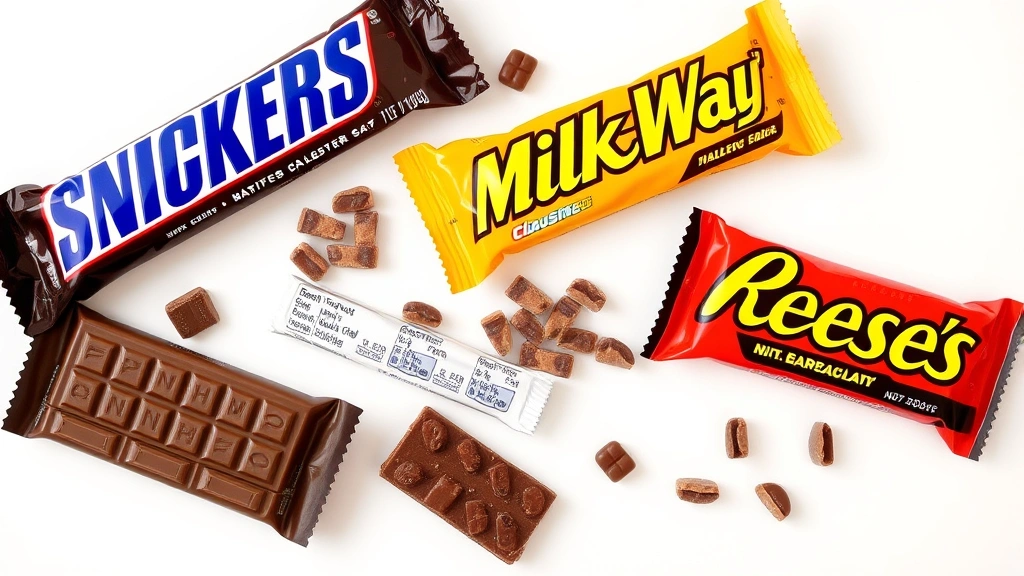
Understanding Snickers nutrition facts gains perspective when compared to similar products. Here’s how Snickers stacks against common alternatives per standard bar:
- Snickers (52.7g): 250 cal, 27g sugar, 12g fat, 4g protein
- Milky Way (52.7g): 240 cal, 33g sugar, 9g fat, 2g protein
- Mars Bar (52.7g): 240 cal, 32g sugar, 10g fat, 2g protein
- 3 Musketeers (47g): 210 cal, 33g sugar, 8g fat, 1g protein
- Twix (50g): 250 cal, 27g sugar, 12g fat, 2g protein
- Reese’s Peanut Butter Cup (42g): 210 cal, 21g sugar, 13g fat, 5g protein
- Hershey’s Milk Chocolate (43g): 220 cal, 24g sugar, 13g fat, 4g protein
Snickers performs relatively well in comparative analysis, particularly regarding protein content. The peanut inclusion provides protein advantages over pure chocolate bars. Sugar-wise, Snickers sits in the middle range—better than Milky Way or Mars but higher than Reese’s. For those prioritizing protein intake, Snickers and Reese’s Peanut Butter Cups offer modestly better profiles than alternatives.
However, “better than other candy” remains a low bar nutritionally. Comparing candy bars resembles choosing between different processed options rather than evaluating true nutritional value. A more meaningful comparison would examine Snickers against whole food alternatives providing similar caloric content with superior nutrient density.
Dietitian Recommendations
Registered dietitians approach candy bar consumption from a moderation and context framework rather than absolute prohibition. Complete food elimination typically backfires through psychological rebellion and unsustainable restriction. Instead, practical strategies include:
Portion Control Strategies: Fun-size Snickers bars (17-18 grams) contain approximately 80 calories and 9 grams of sugar—more reasonable portions for occasional treats. Alternatively, breaking a standard bar into halves and consuming over multiple days reduces single-sitting sugar and caloric load while extending enjoyment.
Frequency Guidelines: Dietitians suggest limiting candy consumption to 1-2 times weekly for generally healthy individuals. This frequency allows enjoyment without significant metabolic impact or dental damage risk. Those with diabetes, prediabetes, or cardiovascular disease should consult healthcare providers about appropriate limits.
Pairing Strategies: Consuming Snickers alongside protein and fat sources (like nuts or Greek yogurt) slows sugar absorption and reduces blood glucose spike. While not eliminating the sugar content, this pairing improves satiety and metabolic response. Similarly, eating a Snickers after balanced meals rather than on an empty stomach moderates glycemic impact.
Contextual Consumption: Timing matters significantly. Snickers before or after exercise provides quick carbohydrates for performance or recovery, making it more functionally appropriate than consumption during sedentary periods. Athletes might justify Snickers inclusion in sports nutrition plans more easily than sedentary individuals.
Hydration and Dental Care: Sugar’s primary health risks include dental decay and metabolic dysfunction. Rinsing mouth with water after candy consumption and maintaining robust oral hygiene reduces cavity risk. Adequate hydration supports metabolic processing of high-sugar foods.
Psychological Permission: Dietitians increasingly recognize that rigid restriction creates problematic relationships with food. Allowing occasional candy treats, enjoyed without guilt, often supports long-term dietary adherence better than absolute prohibition. The key involves conscious, intentional consumption rather than mindless eating.

For those seeking nutrition facts about alternative foods or wanting to explore the nutrients pathway blog for comprehensive dietary information, numerous resources support evidence-based nutrition education beyond candy analysis.
FAQ
Is Snickers bad for you?
Snickers isn’t inherently “bad,” but it’s nutritionally dense in calories, sugar, and fat while providing minimal micronutrient value. Occasional consumption (1-2 times weekly) fits within healthy diets for most people. Regular consumption contributes to weight gain, metabolic dysfunction, and dental problems. Context matters—frequency, portion size, and overall dietary pattern determine health impact more than any single food.
How much sugar is in a Snickers bar?
A standard Snickers bar contains 27 grams of total sugar, with approximately 25-26 grams from added sources. This exceeds the American Heart Association’s daily added sugar recommendation for women (25g) and represents 75% of men’s recommended daily maximum (36g).
Can I eat Snickers on a diet?
Yes, with strategic planning. Fun-size bars (80-90 calories) fit more easily into calorie-restricted diets. Consuming smaller portions, less frequently, and paired with protein sources makes Snickers compatible with weight loss efforts. However, the sugar content and minimal satiety mean whole food alternatives typically support weight loss more effectively.
Is Snickers gluten-free?
Standard Snickers bars are gluten-free and safe for celiac disease sufferers. However, manufacturing processes may involve cross-contamination risks, so those with severe gluten sensitivity should verify current production practices with manufacturers.
Does Snickers have peanuts?
Yes, Snickers contains peanuts as a primary ingredient. Those with peanut allergies must avoid Snickers entirely. Cross-contamination risks exist in manufacturing facilities, making allergen-sensitive individuals vulnerable even to “peanut-free” production lines sharing equipment.
What’s the protein in Snickers?
A standard bar contains 4 grams of protein, primarily from peanuts (3g) and milk solids (1g). While not negligible, this amount provides insufficient protein for meaningful satiety or muscle support compared to dedicated protein sources.
How often can I eat Snickers?
Dietitians suggest limiting candy consumption to 1-2 times weekly for generally healthy individuals. Those with diabetes, cardiovascular disease, or obesity should consult healthcare providers about appropriate frequency for their specific health status.


