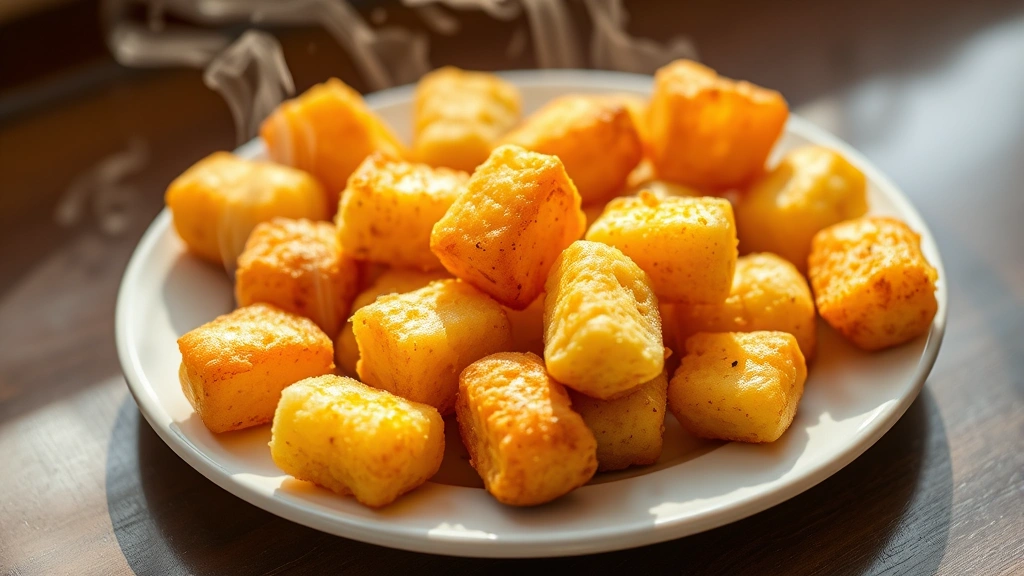
Tater Tots: Healthy or Not? Dietitian Insights on Nutrition and Preparation
Tater tots occupy an interesting space in American cuisine—beloved as a comfort food, yet frequently scrutinized by health-conscious consumers and nutrition professionals. These golden, crispy potato cylinders appear everywhere from school cafeterias to upscale gastropubs, but their nutritional profile remains misunderstood. Whether tater tots deserve a place in a balanced diet depends largely on portion sizes, preparation methods, and frequency of consumption. This comprehensive guide examines the actual tater tot nutrition information through a dietitian’s lens, separating myth from metabolic reality.
Understanding what makes tater tots nutritionally problematic—or potentially acceptable—requires examining their ingredients, cooking methods, and how they fit within broader dietary patterns. The truth is nuanced: a single serving of frozen tater tots isn’t inherently toxic, but regular consumption patterns and portion distortion can significantly impact overall health outcomes. We’ll explore the science behind their caloric density, sodium content, and whether modifications can make them a more nutritious choice for families and individuals seeking comfort foods that align with wellness goals.
Understanding Tater Tot Composition and Basic Nutrition Facts
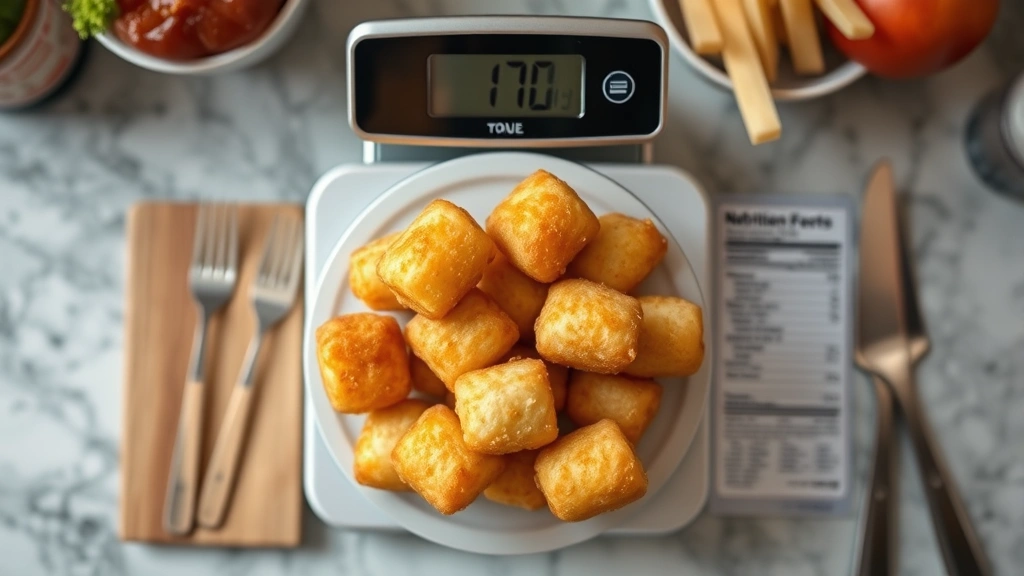
Tater tots are essentially shredded potatoes combined with seasonings, binders, and sometimes fillers, then deep-fried until crispy. A standard serving of frozen tater tots—typically defined as 10 pieces or approximately 85 grams—contains roughly 190-230 calories, depending on the brand and specific formulation. The base ingredient remains potatoes, which are naturally nutritious whole foods rich in potassium, vitamin C, and resistant starch when prepared minimally.
The transformation from whole potato to tater tot introduces several modifications that alter the nutritional profile. Processing shreds the potato, increasing surface area for oil absorption during frying. Commercial manufacturers add potato starch, salt, various seasonings, and often preservatives to achieve the desired texture and shelf stability. Some brands include vegetable oil, corn flour, or other binding agents that further concentrate calories and fat per serving.
According to USDA nutritional databases, a medium-sized baked potato contains approximately 100 calories and minimal fat, while the equivalent weight in tater tots delivers nearly triple the calories with 8-12 grams of fat. This dramatic difference illustrates how cooking method fundamentally transforms a humble vegetable into a calorie-dense processed food. The Nutrients Pathway Blog regularly examines how food preparation techniques impact nutritional value, a principle directly applicable to understanding tater tot transformation.
Examining ingredient labels reveals another important consideration: many commercial tater tots contain dextrose, disodium dihydrogen pyrophosphate, and other additives that extend shelf life but contribute minimal nutritional value. These additions don’t create immediate health hazards in small quantities, but they do represent ultra-processed food category classification, which research increasingly links to suboptimal health outcomes when consumed regularly.
Caloric Density and Weight Management Concerns
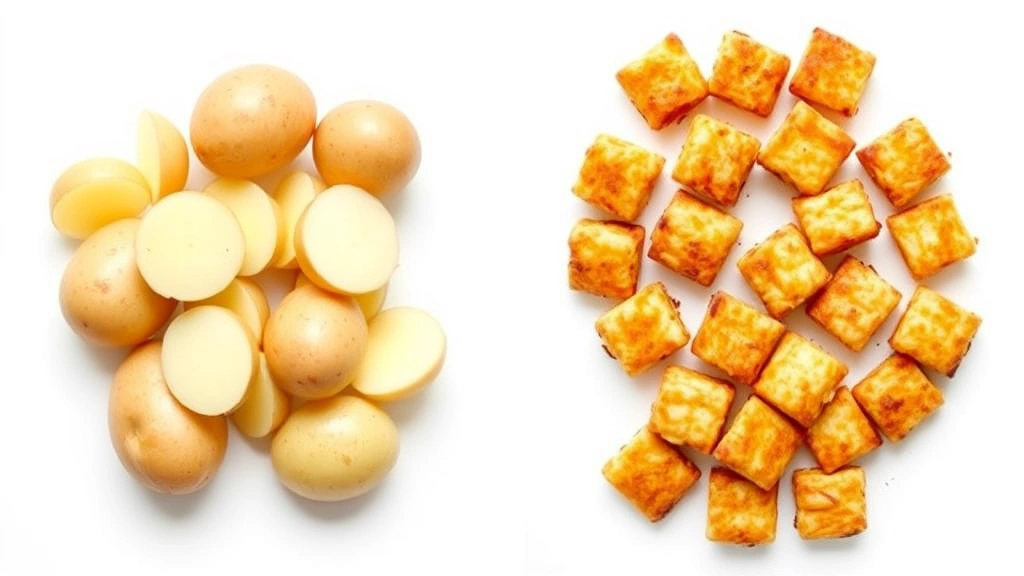
Caloric density—the number of calories per unit weight of food—represents the primary nutritional concern with tater tots for individuals managing their weight. At approximately 2.2-2.7 calories per gram, tater tots rank among the most calorie-dense potato preparations available. Compare this to boiled potatoes at 0.8 calories per gram, and the difference becomes stark.
For weight management, caloric density matters because it influences satiety and total energy intake. Tater tots provide relatively few satiety signals compared to their caloric load. The processing removes fiber, water content, and cellular structure that slows digestion in whole potatoes. Consequently, consuming 10 tater tots (190 calories) produces less fullness than consuming a medium baked potato (100 calories) with substantially less caloric impact.
Research from nutrition science demonstrates that processed foods high in fat and refined carbohydrates trigger less robust appetite suppression than whole foods with similar calorie counts. A 2019 study published in Cell Metabolism found that ultra-processed foods increased caloric intake by approximately 500 calories daily compared to unprocessed alternatives, primarily through reduced satiety signaling. Tater tots exemplify this mechanism: their crispy exterior and soft interior, combined with salt and fat, encourages overconsumption beyond intended portions.
For individuals following a healthy nutrition plan, accounting for tater tot caloric density becomes essential. A single serving might fit within daily macronutrient targets, but portion creep—consuming 15 or 20 pieces instead of 10—rapidly accumulates excess calories without corresponding nutritional benefit. Dietitians typically recommend treating tater tots as an occasional indulgence rather than a regular side dish.
Sodium Content: A Primary Health Consideration
Sodium represents the most significant health concern in tater tot consumption from a dietitian perspective. A standard 85-gram serving contains 350-450 mg of sodium, representing 15-19% of the recommended daily limit of 2,300 mg established by the American Heart Association. Consuming two servings at a single meal—a common occurrence in restaurant settings—delivers nearly 40% of daily sodium recommendations from a single food item.
The sodium concern extends beyond immediate consumption to cumulative dietary patterns. Most Americans already exceed sodium recommendations through bread, processed meats, cheese, and condiments. Adding tater tots to this baseline significantly increases total daily intake. Chronic excessive sodium consumption correlates strongly with hypertension, cardiovascular disease, and kidney dysfunction, particularly in sodium-sensitive populations including African Americans, older adults, and individuals with existing hypertension.
Frozen tater tot brands vary considerably in sodium content. Premium or health-focused brands may offer reduced-sodium options containing 200-250 mg per serving, while standard commercial varieties reach 500 mg or higher. Always reading nutrition labels before purchase allows informed decision-making about sodium loads. Some manufacturers use potassium chloride as a partial salt replacement, reducing sodium while maintaining flavor—a strategy worth seeking out for regular consumers.
The sodium-potassium balance matters nutritionally as well. While potatoes naturally contain significant potassium—approximately 600 mg in a medium baked potato—the processing and frying of tater tots doesn’t substantially alter this. However, the high sodium content creates an unfavorable sodium-to-potassium ratio. Adequate potassium intake helps offset sodium’s blood pressure effects, making the mineral composition somewhat protective, though not enough to overcome the sodium excess.
Fat Profile and Cardiovascular Health
Fat composition in tater tots warrants detailed examination because not all fats impact cardiovascular health identically. A typical serving contains 8-12 grams of total fat, with the breakdown varying by cooking oil used during manufacturing. Most commercial tater tots are fried in vegetable oils—typically soybean, canola, or palm oil—which contain predominantly polyunsaturated and monounsaturated fats rather than saturated fat.
Saturated fat content typically ranges from 1.5-3 grams per serving, representing 7-15% of the recommended daily limit. This falls within acceptable ranges for occasional consumption. However, the manufacturing process and high-temperature frying can create trans fats through partial hydrogenation, though modern regulations have substantially reduced this concern in contemporary products. Most frozen tater tots contain negligible trans fat, but checking labels remains prudent.
The greater concern involves the oxidized polyunsaturated fats created during deep-frying at high temperatures. When oils reach smoking points, chemical degradation produces compounds including lipid peroxides and oxidized linoleic acid metabolites (OXLAMs) that may promote inflammation and oxidative stress. While occasional consumption poses minimal risk, regular tater tot consumption contributes to systemic inflammation through accumulated oxidized fat exposure.
Interestingly, potatoes themselves contain compounds with potential cardiovascular benefits when prepared minimally. They’re rich in potassium, resistant starch (when cooled after cooking), and polyphenols that support vascular health. The deep-frying process largely destroys these protective compounds while adding problematic oxidized fats. This represents a case where processing directly undermines the nutritional foundation of an otherwise beneficial whole food.
Protein and Micronutrient Content
Protein content in tater tots remains surprisingly minimal given their caloric load. A standard serving provides only 3-4 grams of protein, making them an inefficient source of this essential macronutrient. For comparison, a medium baked potato with skin contains 4 grams of protein in half the calories. This low protein-to-calorie ratio means tater tots don’t contribute meaningfully to daily protein requirements while consuming significant caloric space.
Micronutrient retention during tater tot processing varies by nutrient type. Potatoes naturally contain vitamin C, vitamin B6, manganese, and choline. Processing and frying destroy much of the vitamin C content—estimates suggest 50-80% loss during manufacturing and cooking. Fat-soluble vitamins like vitamin E may actually concentrate slightly due to the oil addition, though not substantially. Mineral content including potassium and magnesium largely survives processing, though sodium additions skew the mineral balance unfavorably.
Some tater tot brands are enriched with additional vitamins and minerals, particularly B vitamins, to partially offset processing losses. These enrichments improve the nutritional profile marginally, though they don’t restore the full spectrum of benefits from whole potato consumption. Examining packaging for enrichment information allows consumers to select nutritionally optimized versions when choosing to consume tater tots.
The fiber content deserves special mention because potatoes naturally contain resistant starch—a prebiotic fiber with metabolic benefits. Standard tater tots contain only 1-2 grams of fiber per serving compared to 3-4 grams in a medium baked potato with skin. This fiber loss reduces satiety, slows nutrient absorption, and diminishes the prebiotic benefits that support healthy gut microbiome function. Understanding how nutrient absorption works helps explain why fiber-depleted processed foods like tater tots require compensatory dietary strategies to maintain micronutrient bioavailability.
Preparation Methods and Their Impact
The cooking method fundamentally determines tater tot nutritional impact. Commercial frozen tater tots arrive pre-fried, so consumers’ preparation choices matter less than those selecting raw potatoes. However, the home preparation method still influences final nutritional outcomes. Oven-baking frozen tater tots at 400°F for 15-20 minutes reduces additional oil absorption compared to deep-frying from frozen. Baked tater tots typically contain 150-170 calories per serving versus 190-230 for deep-fried versions—a 20-30% caloric reduction.
Air frying represents an emerging preparation method gaining popularity for reheating frozen tater tots. Air fryers use rapid hot air circulation to create crispy exteriors with minimal additional oil. Studies on air-fried foods suggest they absorb 75-80% less oil than traditional deep-fried preparations while maintaining similar sensory properties. For individuals regularly consuming tater tots, transitioning to air frying or oven baking could meaningfully reduce caloric and fat intake without eliminating the food entirely.
Homemade tater tot preparation using fresh potatoes offers greater nutritional control than commercial frozen versions. Making tater tots from scratch allows reduction of sodium content—using salt judiciously rather than relying on pre-salted commercial formulations. Homemade versions can incorporate whole wheat flour or almond flour as binders instead of standard wheat starch, increasing fiber and micronutrient density. While time-intensive, homemade preparation represents a superior nutritional option for individuals seeking this comfort food regularly.
The oil selected for frying significantly impacts the final fat profile. Using oils with higher smoke points and greater oxidative stability—such as avocado oil or refined coconut oil—produces fewer harmful oxidation byproducts than polyunsaturated oils. Temperature control also matters; maintaining frying oil at 325-350°F rather than higher temperatures reduces oxidative damage. These technical considerations demonstrate that preparation methodology directly translates to nutritional consequences.
Making Tater Tots Healthier: Practical Strategies
Dietitians recommend several evidence-based strategies for improving tater tot nutritional profiles without eliminating them entirely from the diet. The first involves portion modification: reducing serving sizes from 10 pieces to 6-7 pieces cuts calories and sodium by approximately 30% while maintaining the sensory satisfaction of consuming this comfort food. Pairing smaller tater tot portions with nutrient-dense sides—roasted vegetables, grilled chicken, or a large salad—creates balanced meals where tater tots contribute to rather than dominate the nutritional profile.
Homemade preparation using whole potatoes allows substantial nutritional enhancement. Shred potatoes, squeeze out excess moisture thoroughly, then combine with finely minced vegetables including zucchini, bell peppers, and carrots. Add one beaten egg and minimal flour as binder. Season with herbs rather than excessive salt. Shape into tot-sized cylinders and bake at 400°F for 20-25 minutes. This approach delivers approximately 120 calories per serving with doubled vegetable content and reduced sodium.
Another strategy involves selecting commercial brands specifically formulated for nutritional optimization. Some manufacturers produce tater tots with added vegetables, whole grain incorporation, or reduced sodium formulations. Organic brands often use simpler ingredient lists without artificial additives. While these premium options cost more, they represent a reasonable investment for individuals consuming tater tots regularly.
Pairing tater tots with complementary foods enhances the overall meal’s nutritional profile. Serving them alongside protein sources like grilled fish or beans, with non-starchy vegetables like broccoli or Brussels sprouts, and with nutrient-dense foods like avocados, creates balanced nutrition despite tater tots’ limitations. This strategy acknowledges that foods don’t exist in isolation; total meal composition determines dietary impact.
Incorporating omega-3 fatty acids through other meal components helps offset the inflammatory potential of oxidized fats in tater tots. Consuming fatty fish, flaxseeds, or walnuts at the same meal provides anti-inflammatory compounds that may mitigate negative effects from tater tot consumption. While not a complete nutritional offset, this strategy represents practical dietary management for comfort food lovers.
Portion Control and Frequency Guidelines
Dietitian recommendations regarding tater tot consumption center on frequency and portion control rather than absolute elimination. For individuals without specific health conditions like hypertension or obesity, occasional tater tot consumption—once weekly or less—poses minimal health risk when portions remain moderate. A single serving (approximately 10 pieces or 85 grams) fits within daily caloric and sodium recommendations when the remainder of the diet emphasizes whole foods.
For individuals with cardiovascular disease, hypertension, or weight management goals, tater tots should be limited to 1-2 times monthly at maximum. The sodium content alone makes regular consumption problematic for these populations. Those with diabetes should monitor tater tots’ impact on blood glucose and account for the rapid-digesting carbohydrates in their meal planning.
Children represent a population requiring particular attention regarding tater tot consumption. School cafeterias frequently serve tater tots, and their palatability makes them popular with young consumers. However, children’s lower daily caloric and sodium recommendations mean that a single serving represents a larger percentage of daily limits than for adults. A child consuming 85 grams of tater tots receives 15-20% of daily sodium recommendations from a single food item. Balancing school-served tater tots with home meals emphasizing whole foods becomes essential for pediatric nutrition.
Athletes and highly active individuals have greater caloric flexibility that accommodates tater tots more easily than sedentary populations. Someone burning 3,000+ calories daily through training can accommodate 200-calorie servings without proportional weight gain. However, even athletes benefit from replacing some tater tot consumption with more nutrient-dense carbohydrate sources supporting recovery and performance. Understanding nutrition for athletes reveals that while tater tots aren’t forbidden, superior alternatives exist for supporting athletic goals.
Comparing Tater Tots to Alternative Potato Preparations
Contextualizing tater tots’ nutritional profile requires comparing them to alternative potato preparations available to consumers. A medium baked potato with skin delivers 100-110 calories, 0.1 grams of fat, 4 grams of protein, 3-4 grams of fiber, and minimal added sodium. Boiled potatoes provide similar nutrition with slightly less potassium retention. Both preparations represent substantially superior nutritional choices to tater tots for equivalent serving sizes.
Homemade oven-roasted potato cubes prepared with minimal oil deliver approximately 150 calories per serving with far superior nutrient density than tater tots. Roasting potatoes at 400°F with just 1 teaspoon of oil creates satisfying crispy exteriors without the caloric load of deep-fried preparations. Adding herbs like rosemary and thyme provides flavor complexity without sodium excess.
French fries occupy a nutritional position similar to tater tots—calorie-dense, high in sodium, and nutritionally unremarkable despite potatoes’ inherent benefits. A standard fast-food serving of fries (110-150 grams) contains 300-400 calories and 200-300 mg sodium. Interestingly, some research suggests that potato preparation method matters less for health outcomes than frequency and context. Both tater tots and fries are acceptable occasional foods within balanced diets but shouldn’t constitute regular side dishes.
Hash browns and potato pancakes represent intermediate options between whole potatoes and tater tots. Prepared with minimal oil and no added salt, these can deliver 150-180 calories per serving while maintaining more structural integrity and water content than tater tots. Vegetable-enhanced versions incorporating spinach, peppers, or mushrooms substantially improve micronutrient profiles.
Sweet potato preparations deserve mention as a nutritionally superior alternative. Sweet potato fries or baked sweet potatoes provide superior antioxidant content, higher micronutrient density, and greater satiety due to higher fiber content. A medium baked sweet potato contains 100-110 calories with 3-4 grams of fiber, significant beta-carotene, and superior mineral content compared to standard potatoes. For individuals seeking comfort food nutrition, sweet potato alternatives offer meaningful advantages over traditional tater tots.
FAQ
Are frozen tater tots healthier than homemade versions?
No; homemade tater tots prepared from fresh potatoes typically offer superior nutrition. You control sodium levels, can incorporate vegetables, and choose healthier cooking methods. Commercial frozen tater tots contain added preservatives and typically higher sodium concentrations. However, frozen tater tots offer convenience advantages for busy households willing to accept the nutritional tradeoff.
Can tater tots fit into a weight loss diet?
Occasional tater tot consumption can fit within weight loss diets when portions remain controlled and the remainder of the diet emphasizes whole foods. However, their high caloric density and low satiety make them suboptimal choices for weight management. Replacing tater tots with baked potatoes or roasted vegetables provides greater nutritional value with fewer calories, supporting weight loss more effectively.
What’s the best way to prepare frozen tater tots nutritionally?
Oven-baking at 400°F for 15-20 minutes reduces oil absorption compared to deep-frying, cutting calories by 20-30%. Air frying represents an even superior option, reducing oil absorption by 75-80% while maintaining crispy texture. Avoid deep-frying frozen tater tots at home, as this maximizes caloric and fat content.
How do tater tots compare nutritionally to other frozen potato products?
Most frozen potato products—fries, hash browns, and waffle fries—contain similar nutritional profiles with 180-250 calories per serving and 300-400 mg sodium. Whole potato preparations (baked, boiled, or roasted) substantially outperform all processed potato products nutritionally, containing 100-120 calories with minimal added fat and sodium.
Are there health benefits to consuming tater tots?
Tater tots provide some potato-derived benefits including potassium, manganese, and choline, though processing diminishes these advantages considerably. They’re not toxic or forbidden foods, but their nutritional profile doesn’t justify regular consumption from a health optimization perspective. Whole potatoes provide identical base nutrients with superior fiber, micronutrient density, and satiety characteristics.
Can children safely eat tater tots regularly?
Occasional tater tot consumption poses minimal risk to children. However, regular consumption—multiple times weekly—contributes excessive sodium relative to children’s lower daily recommendations. Balancing school-served tater tots with home meals emphasizing whole foods, vegetables, and lean proteins maintains healthy dietary patterns while allowing occasional indulgences.
Do organic or premium tater tots offer nutritional advantages?
Organic tater tots typically avoid synthetic pesticides and artificial additives, which some consumers prioritize. However, they contain similar calories, sodium, and fat profiles as conventional versions. Premium brands sometimes reduce sodium or incorporate vegetables, potentially offering modest nutritional improvements. Examining specific nutrition labels matters more than organic certification alone.


