Tortilla Nutrition Facts: Dietitian Insights
Tortillas have become a dietary staple across North America, appearing in everything from traditional Mexican cuisine to modern fusion bowls. Yet many consumers remain uncertain about their nutritional value, often viewing them as either a guilt-free carbohydrate source or a dietary concern. Understanding tortilla nutrition requires examining the different types available, their macronutrient profiles, and how they fit into various dietary approaches. This comprehensive guide draws on dietitian expertise to clarify what tortillas truly offer nutritionally and how to make informed choices based on your health goals.
The tortilla category encompasses far more variety than most people realize. From traditional corn tortillas hand-pressed in Mexican kitchens to mass-produced flour varieties and modern alternatives made from spinach, whole wheat, or cauliflower, each type presents distinct nutritional characteristics. Whether you’re managing blood sugar levels, following a specific dietary pattern, or simply seeking to optimize your nutrition, understanding these differences empowers better dietary decisions. This analysis explores the science behind tortilla nutrition, examines various types side-by-side, and provides actionable guidance from nutrition professionals.
Understanding Tortilla Basics and Types
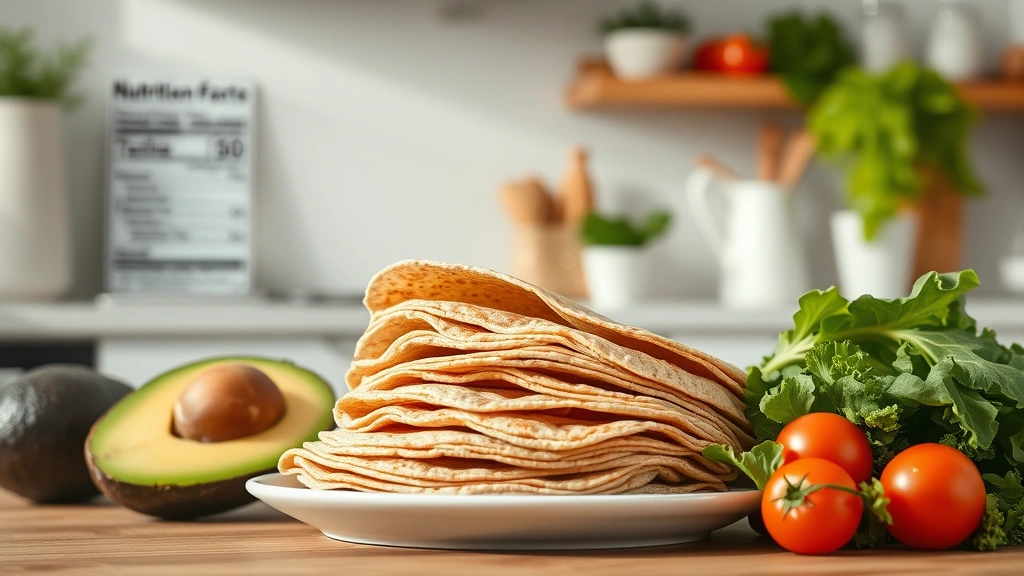
Tortillas represent one of the world’s oldest prepared foods, with origins tracing back thousands of years to Mesoamerican civilizations. The basic concept remains remarkably simple: masa (dough) flattened and cooked on a hot surface creates the foundation for countless dishes. However, modern tortilla production has evolved considerably, introducing numerous variations that significantly impact nutritional content.
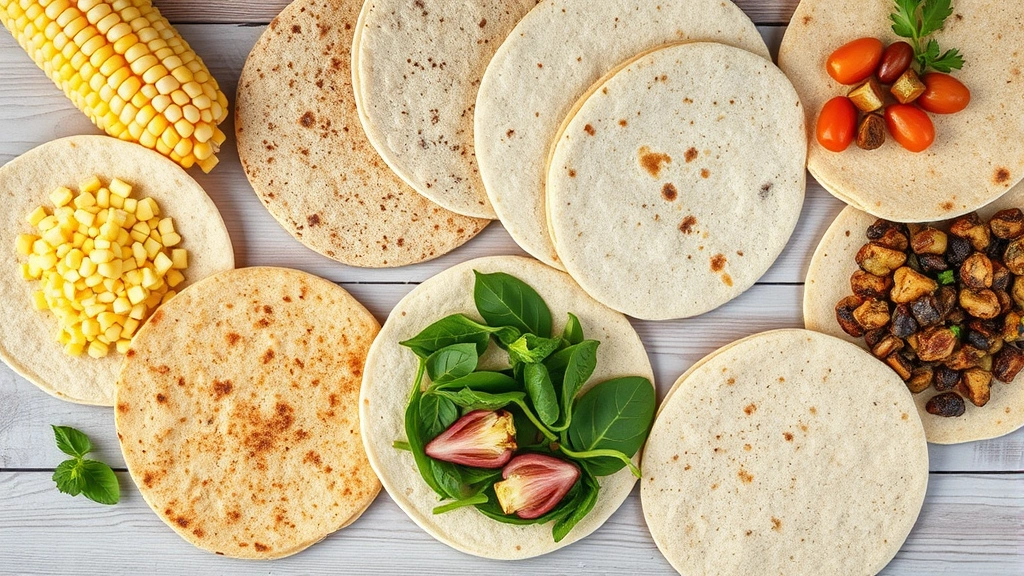
The primary distinction exists between corn and flour tortillas, each made from different base ingredients and processing methods. Corn tortillas begin with dried corn kernels that undergo nixtamalization—a process where corn is treated with lime (calcium hydroxide), making certain nutrients more bioavailable. Flour tortillas utilize wheat flour, typically enriched with added vitamins and minerals. Beyond these traditional options, manufacturers now produce tortillas from whole grains, legumes, and vegetables, each offering unique nutritional profiles.
Understanding these foundational differences matters because a single tortilla can range from approximately 50 to 180 calories depending on type and size. This variability means that blanket statements about tortilla nutrition often prove misleading. Dietitians increasingly recommend examining specific product labels rather than relying on assumptions about this versatile food category.
Nutritional Breakdown of Common Tortillas
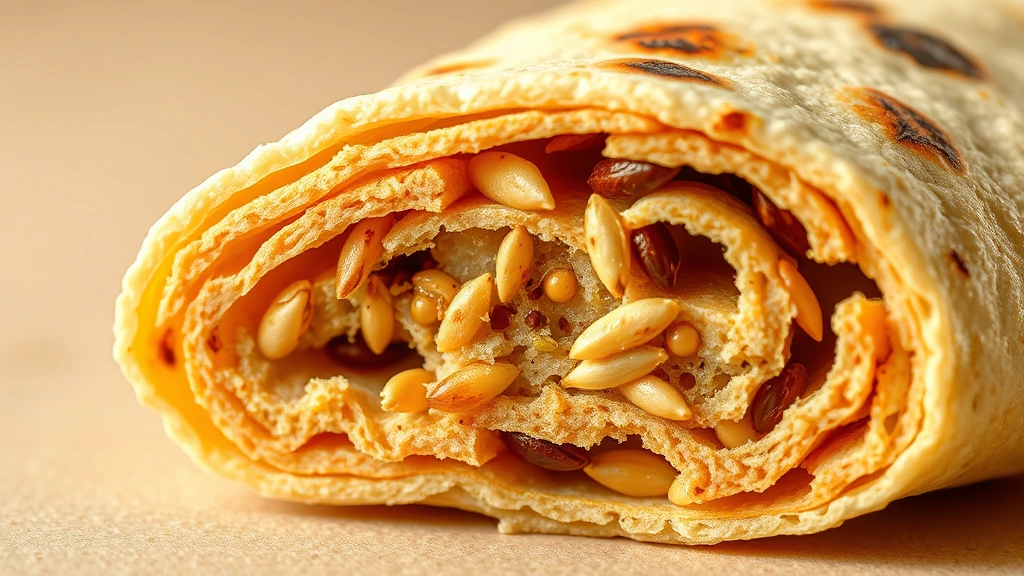
A standard corn tortilla (approximately 6 inches in diameter) typically contains 50-70 calories, 1-2 grams of protein, 11-13 grams of carbohydrates, and minimal fat content. The nixtamalization process provides calcium supplementation, making corn tortillas a meaningful source of this essential mineral. According to USDA labeling standards, most corn tortillas contain negligible dietary fiber in their refined form, though whole grain varieties improve this metric substantially.
Flour tortillas present a different nutritional picture. A 7-inch flour tortilla typically contains 90-150 calories, 3-4 grams of protein, 15-20 grams of carbohydrates, and 2-4 grams of fat. The higher caloric density reflects the added fat content, usually from shortening or vegetable oil, which contributes to the characteristic soft texture. Enriched flour varieties include added B vitamins and iron, partially offsetting the processing that removes the wheat kernel’s bran and germ.
Larger tortillas—often 10 inches or more—double or nearly triple these values. Restaurant-style flour tortillas frequently exceed 200 calories per piece. This size consideration proves critical when calculating actual dietary intake, as many people consume tortillas without considering portion size implications. When building a healthy nutrition plan, accurate portion awareness becomes essential.
Specialized tortilla varieties introduce additional nutritional considerations. Whole wheat tortillas offer increased fiber content—typically 3-4 grams per tortilla—along with greater mineral density. Spinach or vegetable-infused tortillas may provide minor micronutrient contributions, though the amounts often prove negligible compared to consuming vegetables separately. Legume-based tortillas from chickpeas or black beans deliver superior protein content, ranging from 5-8 grams per tortilla, making them particularly valuable for plant-based diets.
Corn vs. Flour Tortillas: The Detailed Comparison
The corn versus flour tortilla debate deserves nuanced analysis rather than simplistic declarations. Each type presents distinct advantages and disadvantages depending on individual nutritional priorities and health conditions.
Corn tortillas provide naturally lower calories and fat content, making them advantageous for individuals monitoring caloric intake. The nixtamalization process enhances calcium bioavailability, contributing meaningfully to daily mineral intake when consumed regularly. Corn tortillas are inherently gluten-free, benefiting those with celiac disease or gluten sensitivity. However, refined corn tortillas lack substantial fiber, and many commercial varieties contain added sugars and sodium.
Flour tortillas offer superior protein content and greater versatility in preparation. They maintain structural integrity better when wet, making them ideal for certain applications like burritos or enchiladas. The enrichment process adds B vitamins and iron, supporting energy metabolism. The drawback includes higher caloric and fat content, along with gluten presence in conventional varieties. For individuals with blood sugar management concerns, flour tortillas’ higher glycemic impact may present challenges.
Recent research from the Pew Research Center examining dietary patterns demonstrates that tortilla type selection significantly influences overall nutritional outcomes when consumed regularly. The choice between corn and flour should consider individual health status, dietary goals, and consumption frequency rather than adopting a universal recommendation.
Fiber Content and Digestive Health
Dietary fiber represents one of the most critical nutritional components often overlooked in tortilla analysis. Standard refined corn and flour tortillas contain minimal fiber—typically less than 1 gram per tortilla. This deficiency becomes significant when considering that adequate fiber intake supports digestive health, blood sugar regulation, and cardiovascular function.
The importance of dietary fiber for your health cannot be overstated, and tortilla selection provides an opportunity to meaningfully increase intake. Whole grain tortillas substantially improve this profile, delivering 3-4 grams of fiber per piece. Legume-based tortillas perform even better, offering comparable fiber content alongside superior protein. For individuals seeking to optimize digestive function, choosing whole grain or legume alternatives represents a simple dietary upgrade.
The fiber distinction matters particularly for individuals with diabetes or prediabetes. Higher-fiber tortillas moderate blood sugar response, preventing rapid glucose spikes that challenge metabolic regulation. Dietitians increasingly recommend whole grain options for clients managing blood sugar concerns, recognizing that this single substitution can measurably improve glycemic control over time.
Beyond digestive function, adequate fiber intake supports healthy cholesterol levels and promotes satiety—the sensation of fullness that helps prevent overeating. When tortillas form a significant portion of someone’s diet, upgrading to higher-fiber varieties creates cumulative nutritional benefits extending far beyond the tortilla itself.
Sodium and Additives in Commercial Tortillas
Commercial tortilla production introduces sodium content that often surprises health-conscious consumers. A single flour tortilla may contain 300-500 mg of sodium—representing 13-22% of the daily recommended limit. For individuals monitoring sodium intake due to hypertension or cardiovascular concerns, this concentration warrants attention. Even corn tortillas typically contain 150-300 mg of sodium per piece, primarily from added salt and preservatives.
Beyond sodium, commercial tortillas frequently include additives like dough conditioners, preservatives, and emulsifiers designed to extend shelf life and improve texture. Ingredients such as mono and diglycerides, sodium stearoyl lactylate, and calcium propionate serve functional purposes but contribute little nutritional value. Many consumers prefer avoiding these additives, driving demand for simpler formulations available through specialty retailers or made at home.
Reading tortilla labels carefully reveals significant variation in additive profiles. Some premium brands limit ingredients to flour, water, salt, and fat, while others include extensive additive lists. For individuals seeking to minimize processed food consumption, selecting tortillas with shorter ingredient lists represents a practical strategy. Homemade tortillas eliminate additives entirely, though this requires time investment many busy consumers cannot accommodate.
Sodium content considerations become particularly important when considering nutrition and mental health, as emerging research suggests excessive sodium intake may influence cognitive function and mood regulation. While tortillas alone don’t drive sodium excess, cumulative dietary sources warrant conscious attention.
Tortillas in Different Dietary Approaches
Tortillas fit into various dietary frameworks with different levels of compatibility, and understanding these applications helps individuals make choices aligned with their specific health approach.
Low-Carbohydrate and Ketogenic Diets: Standard tortillas present challenges for very low-carbohydrate approaches due to their carbohydrate concentration. A single flour tortilla contains 15-20 grams of carbohydrates, consuming much of a typical ketogenic daily carbohydrate allowance. However, specialized low-carb tortillas made from wheat gluten, psyllium husk, or other alternative flours provide viable alternatives, typically containing 2-5 grams of net carbohydrates per piece.
Mediterranean and Plant-Based Diets: Tortillas integrate seamlessly into these eating patterns. Whole grain varieties align perfectly with Mediterranean principles emphasizing whole foods and plant-based components. Legume-based tortillas particularly support plant-based diets by providing plant protein in convenient form. Pairing tortillas with nutrition facts about avocados and other plant foods creates nutritionally complete meals.
Diabetes Management: Individuals with diabetes benefit from whole grain and legume-based tortillas that moderate blood sugar response. Portion control remains essential, with most diabetes management guidelines recommending limiting tortillas to one or two per meal. Pairing tortillas with protein and fat sources further improves glycemic response.
Athletic Performance: Nutrition for athletes optimizing performance through diet often incorporates tortillas as convenient carbohydrate sources for pre- or post-workout meals. The easily digestible carbohydrates support energy availability, while whole grain varieties provide additional micronutrients. Athletes typically benefit from larger portions than sedentary individuals, making tortillas particularly practical for meeting elevated energy requirements.
Making Healthier Tortilla Choices
Practical strategies for optimizing tortilla nutrition empower individuals to enjoy these versatile foods while supporting health objectives.
Prioritize Whole Grain Options: Selecting whole wheat, whole corn, or multi-grain varieties substantially improves nutritional profiles. These options provide greater fiber, mineral density, and micronutrient content compared to refined alternatives. The slightly nuttier flavor profile appeals to many consumers once they adjust from refined varieties.
Explore Alternative Bases: Legume-based tortillas from chickpeas, black beans, or lentils deserve experimentation. These deliver superior protein and fiber while maintaining satisfying texture. Vegetable-based tortillas incorporating spinach, beets, or other vegetables add micronutrients and visual interest to meals.
Read Labels Carefully: Examining ingredient lists and nutrition facts panels reveals significant variation among brands. Compare sodium content, fiber amounts, and additive profiles across options. Look for products listing whole grains as primary ingredients and limiting additives.
Control Portion Sizes: Using smaller tortillas (6 inches) rather than oversized restaurant varieties naturally limits caloric and carbohydrate intake. Being mindful of portion size prevents unconscious overconsumption, particularly important given tortillas’ easy-to-eat nature.
Combine Thoughtfully: Pairing tortillas with nutrient-dense fillings—lean proteins, abundant vegetables, healthy fats—creates balanced meals that prevent blood sugar spikes and promote satiety. This approach transforms tortillas from a simple carbohydrate source into a component of nutritionally complete meals.
Make Your Own: Homemade tortillas require minimal ingredients and equipment while providing complete control over composition. This option suits individuals with time availability and specific dietary requirements driving preference for simplified ingredient lists.
Research from nutrition science databases confirms that intentional food choices including whole grain tortillas contribute meaningfully to overall dietary quality and health outcomes when consumed as part of balanced eating patterns.
FAQ
How many calories are in a typical tortilla?
Caloric content varies substantially by type and size. Corn tortillas (6 inches) contain approximately 50-70 calories, while flour tortillas (7 inches) range from 90-150 calories. Larger restaurant-style tortillas exceed 200 calories. Checking specific product labels provides accurate information for your chosen variety.
Are corn tortillas healthier than flour tortillas?
Neither type is universally “healthier”—the choice depends on individual health goals. Corn tortillas offer lower calories and natural gluten-free status, while flour tortillas provide superior protein content. Whole grain varieties of either type outperform refined versions nutritionally. Consider your specific dietary needs when choosing between them.
Do tortillas contain gluten?
Traditional flour tortillas contain gluten from wheat flour. Corn tortillas are naturally gluten-free, though cross-contamination may occur during manufacturing. Individuals with celiac disease or gluten sensitivity should verify labeling or choose certified gluten-free products.
Can tortillas fit into a weight loss diet?
Yes, tortillas can support weight loss when portion-controlled and paired with nutrient-dense fillings. Choosing smaller corn tortillas or whole grain varieties, limiting to one or two per meal, and combining with protein and vegetables creates satisfying, calorie-appropriate meals that support weight management.
What makes whole grain tortillas better nutritionally?
Whole grain tortillas retain the bran and germ, preserving fiber, B vitamins, minerals, and phytonutrients lost in refined varieties. This results in superior fiber content (3-4 grams versus less than 1 gram), better blood sugar response, and greater micronutrient density.
How do legume-based tortillas compare nutritionally?
Legume-based tortillas deliver exceptional protein content (5-8 grams) alongside substantial fiber, making them particularly valuable for plant-based diets and blood sugar management. They provide a complete amino acid profile when paired with complementary proteins, supporting muscle maintenance and satiety.
Should I be concerned about sodium in tortillas?
Sodium content warrants attention, particularly for individuals managing hypertension. A single flour tortilla may contain 300-500 mg of sodium. Comparing brands reveals variation, and choosing lower-sodium options or making homemade tortillas reduces intake. Consider tortillas as one component of overall sodium consumption.