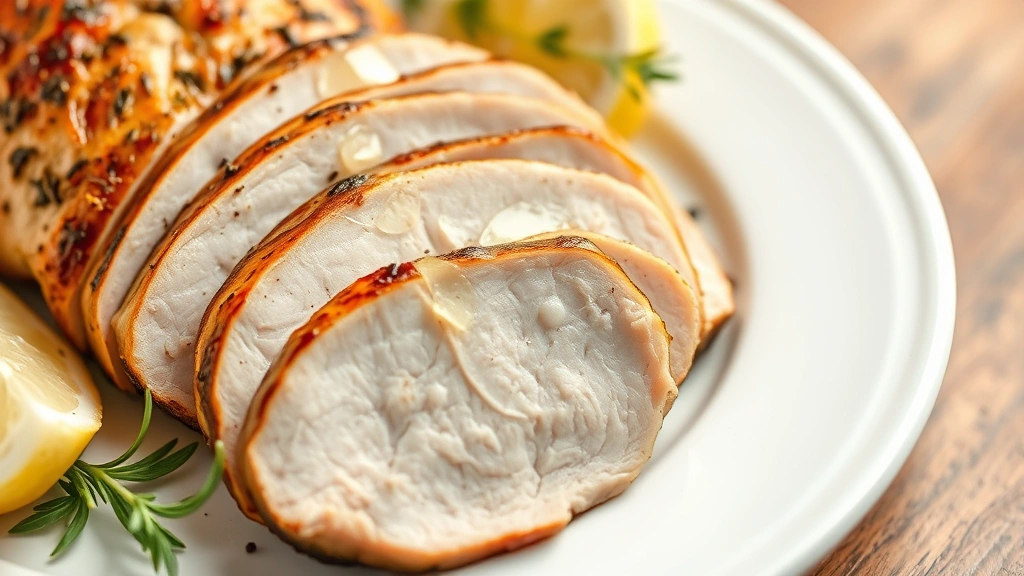
Turkey Breast: Is it the Healthiest Choice? Expert Tips on Turkey Breast Nutrition
Turkey breast has earned its reputation as a protein powerhouse in the nutrition world, but is it truly the healthiest choice for your diet? This lean poultry option has become a staple for fitness enthusiasts, health-conscious eaters, and anyone seeking sustainable nutrition. With its impressive amino acid profile and relatively low fat content, turkey breast offers compelling nutritional benefits that deserve closer examination. However, like all foods, it comes with nuances worth understanding.
The debate surrounding turkey breast extends beyond simple macronutrient counting. Modern nutritional science reveals that context matters—how you prepare it, what you pair it with, and how it fits into your overall healthy nutrition plan determines whether it truly serves your health goals. This comprehensive guide explores turkey breast nutrition from multiple angles, examining both the evidence-backed benefits and important considerations that often get overlooked.
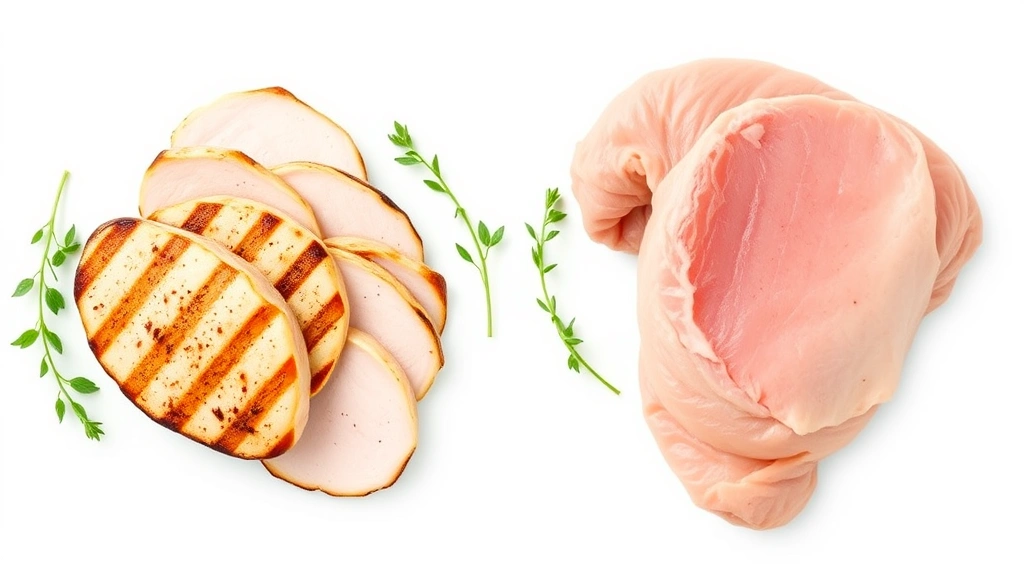
Complete Nutritional Profile of Turkey Breast
Understanding what’s actually in turkey breast requires looking at the raw numbers. A 3.5-ounce (100-gram) serving of skinless, cooked turkey breast contains approximately 165 calories, 29 grams of protein, and just 3.6 grams of fat. This macronutrient distribution explains why nutritionists frequently recommend turkey breast as a nutritious protein source. The calorie-to-protein ratio makes it exceptionally efficient for those managing weight while maintaining muscle mass.
Beyond the basic macros, turkey breast delivers significant micronutrients often overlooked in casual nutrition discussions. It provides substantial amounts of B vitamins, particularly niacin (B3) and B6, which play crucial roles in energy metabolism and nervous system function. The meat also contains selenium, an essential mineral with antioxidant properties, and phosphorus, vital for bone health. These micronutrients work synergistically to support overall metabolic function and cellular health.
Turkey breast contains approximately 75% water, which contributes to its satiating properties without adding calories. This high water content also makes it less energy-dense than fattier protein sources, allowing larger portion sizes for equivalent caloric intake. Additionally, turkey provides choline, a nutrient essential for brain health and development, making it particularly valuable for cognitive function across all life stages.

Protein Content and Complete Amino Acid Profile
The standout feature of turkey breast is its exceptional protein content relative to calories consumed. At approximately 29 grams of protein per 100 grams, turkey breast ranks among the highest-protein animal foods available. More importantly, it’s a complete protein, containing all nine essential amino acids in optimal ratios for human nutrition. This completeness distinguishes it from plant-based proteins, which often require careful combining to achieve amino acid adequacy.
The amino acid composition matters significantly for muscle protein synthesis, the biological process underlying muscle growth and repair. Turkey breast is particularly rich in leucine, an amino acid that directly triggers muscle protein synthesis pathways. For individuals engaged in nutrition for athletes optimizing performance, this leucine content proves especially valuable during resistance training phases.
Research from the International Society of Sports Nutrition indicates that consuming 20-40 grams of complete protein with adequate leucine content stimulates maximal muscle protein synthesis in most adults. A single serving of turkey breast meets this threshold, making it an efficient post-workout nutrition option. The protein also promotes satiety more effectively than carbohydrates or fats, making it valuable for appetite regulation and sustainable calorie management.
How Turkey Breast Compares to Other Protein Sources
When evaluated against other animal proteins, turkey breast holds its own remarkably well. Compared to chicken breast, turkey breast actually contains slightly more protein and similar fat content, though chicken is more widely available and often cheaper. Lean beef contains comparable protein but significantly more fat and calories, making turkey the superior choice for calorie-conscious consumers.
Fish presents an interesting comparison. While fish provides similar protein levels, it typically contains beneficial omega-3 fatty acids that turkey lacks. Eggs offer complete protein with added benefits like choline and lutein, but contain more fat and calories per gram of protein. Plant-based proteins like lentils and tofu provide protein but lack complete amino acid profiles and require larger portions to match turkey’s protein density.
The practical advantage of turkey breast lies in its versatility combined with nutritional efficiency. It absorbs marinades readily, maintains moisture during cooking, and works across diverse cuisines. Unlike some protein sources that require specific preparation techniques to remain palatable, turkey breast forgives various cooking methods while retaining nutritional value. This accessibility makes it a realistic choice for long-term dietary adherence.
Documented Health Benefits of Turkey Breast
Scientific research supports several health benefits associated with regular turkey breast consumption. The high protein content supports weight management through multiple mechanisms: increased satiety, higher thermic effect of food, and preservation of lean muscle mass during calorie restriction. A meta-analysis published in the American Journal of Clinical Nutrition found that protein-rich diets consistently outperform lower-protein alternatives for weight loss while maintaining muscle.
Turkey breast’s selenium content contributes to thyroid function and reproductive health. The mineral supports glutathione peroxidase, an antioxidant enzyme crucial for cellular protection. Additionally, the niacin (vitamin B3) in turkey aids DNA repair and energy production, while B6 supports immune function and hemoglobin synthesis. These micronutrients work together to support overall metabolic health and disease prevention.
The lean nature of turkey breast makes it heart-healthy compared to fattier protein sources. The American Heart Association recognizes lean poultry as a preferred protein choice for cardiovascular health. Turkey breast contains minimal saturated fat, typically less than 1 gram per 100-gram serving, which supports healthy cholesterol levels. When incorporated into a balanced diet, turkey breast contributes positively to cardiovascular risk markers.
For individuals managing blood sugar, turkey breast offers advantages over many alternatives. Its high protein and negligible carbohydrate content minimizes blood glucose spikes. Combined with appropriate nutrition facts about complementary foods like non-starchy vegetables, turkey breast supports stable energy levels throughout the day.
Optimal Preparation Methods for Maximum Nutrition
How you prepare turkey breast dramatically influences its nutritional value and health impact. Grilling, baking, and poaching preserve nutrients while avoiding added fats. These dry-heat cooking methods maintain the protein structure and B vitamin content while keeping saturated fat minimal. Conversely, deep frying or pan-frying in excessive oil negates turkey breast’s nutritional advantages by dramatically increasing caloric and fat content.
Skinless preparation is essential for turkey breast nutrition optimization. While turkey skin contains beneficial compounds, it also concentrates fat. A 3.5-ounce serving of turkey breast with skin contains approximately 10 grams of fat compared to 3.6 grams without skin—nearly triple the fat content. For maximum nutritional benefit, always remove skin before or after cooking.
Seasoning choices matter more than many realize. While salt and herbs add minimal calories and can enhance flavor without detriment, marinades containing added sugars or high-sodium sauces introduce unwanted ingredients. Simple marinades using olive oil, lemon juice, garlic, and herbs provide flavor while maintaining nutritional integrity. This approach aligns with principles of how to improve nutrient absorption through thoughtful food preparation.
Cooking temperature significantly impacts both safety and nutrition. Turkey breast reaches safe consumption at 165°F (74°C) internal temperature. Avoiding overcooking prevents excessive moisture loss and nutrient degradation while ensuring pathogenic bacteria elimination. Using a meat thermometer removes guesswork and prevents the protein toughening that results from excessive heat exposure.
Important Nutritional Concerns and Considerations
Despite its benefits, turkey breast isn’t without concerns worth addressing. Processed turkey products—deli meats, sausages, and pre-packaged preparations—often contain added sodium, preservatives, and fillers that undermine the nutritional profile of whole turkey breast. These processed versions can contain 500-1000mg of sodium per serving, contributing to hypertension risk. Always choose whole turkey breast over processed alternatives when possible.
Turkey breast contains purines, compounds that metabolize into uric acid. For individuals with gout or elevated uric acid levels, excessive turkey consumption may trigger flare-ups. While occasional consumption poses minimal risk for most people, those with gout history should moderate portions and discuss turkey breast with their healthcare provider.
The environmental impact of turkey production deserves consideration in comprehensive nutritional decision-making. Industrial turkey farming requires significant water and feed resources. For environmentally conscious consumers, choosing pasture-raised or heritage breed turkey reduces ecological impact, though at higher cost. These alternatives often provide superior nutrient profiles, including better omega-3 to omega-6 ratios.
Some individuals experience histamine sensitivity related to poultry consumption, particularly if the meat has been stored for extended periods. Histamine accumulates as proteins break down, potentially triggering reactions in sensitive individuals. Consuming fresh turkey breast and proper refrigeration minimize this concern, but those with documented histamine intolerance should consult healthcare providers before regular consumption.
Turkey Breast for Athletes and Active Individuals
Athletes have specific nutritional requirements that turkey breast addresses exceptionally well. The high-quality protein supports muscle recovery following intense training sessions. The complete amino acid profile, particularly the leucine content, directly stimulates muscle protein synthesis, the physiological mechanism underlying strength gains and muscle adaptation.
For endurance athletes, turkey breast provides sustained energy through protein’s stabilizing effect on blood glucose. Unlike simple carbohydrates that spike and crash, protein-rich meals maintain steady fuel availability during extended training phases. Combined with appropriate carbohydrate sources, turkey breast supports both immediate energy needs and long-term recovery processes.
The B vitamin content in turkey breast particularly benefits athletic performance. Niacin and B6 directly participate in energy metabolism, converting dietary macronutrients into usable cellular energy. For athletes training intensely, increased B vitamin demands necessitate adequate dietary sources. Turkey breast provides these nutrients in bioavailable forms that support optimal energy production.
Post-workout timing makes turkey breast an excellent recovery food. Consuming 20-40 grams of protein with carbohydrates within 2-3 hours after training optimizes muscle protein synthesis. Turkey breast sandwiches with whole grain bread, or turkey with sweet potatoes, create effective recovery meals that combine protein, carbohydrates, and micronutrients in scientifically-supported ratios.
Weight management for athletes often requires high protein intake while maintaining caloric control. Turkey breast’s protein density allows athletes to meet protein targets without excessive calorie consumption, supporting lean body composition development. This becomes particularly valuable during cutting phases when maintaining muscle while reducing fat presents significant nutritional challenges.
Frequently Asked Questions About Turkey Breast Nutrition
How much turkey breast should I eat daily?
Most nutrition guidelines recommend 5-7 ounces of protein daily for average adults, with athletes requiring 1.6-2.2 grams per kilogram of body weight. A 3.5-ounce serving of turkey breast provides approximately 29 grams of protein, meeting substantial portions of daily requirements. Individual needs vary based on activity level, age, and health status—consulting healthcare providers ensures personalized recommendations.
Is turkey breast better than chicken breast?
Both offer comparable nutritional profiles with minimal differences. Turkey breast contains slightly more protein and similar fat content to chicken. Chicken is more widely available and often less expensive. Choose based on personal preference, availability, and cost, as both represent excellent protein sources within a balanced diet.
Can turkey breast help with weight loss?
Yes, turkey breast supports weight loss through multiple mechanisms: high satiety, increased thermic effect of food, and protein-rich composition that preserves muscle during calorie restriction. Studies consistently demonstrate that higher protein intake improves weight loss outcomes compared to lower-protein alternatives. However, overall caloric intake and dietary pattern matter most—turkey breast works within a comprehensive nutritional strategy.
Does turkey breast contain harmful additives?
Whole, fresh turkey breast contains no additives. However, processed turkey products often contain sodium, preservatives, and fillers. Always check labels on pre-packaged turkey products and choose whole turkey breast whenever possible. Look for products without added nitrates or excessive sodium for maximum nutritional benefit.
Is turkey breast suitable for people with heart disease?
Yes, turkey breast is recommended by the American Heart Association as a heart-healthy protein choice. Its low saturated fat content and minimal sodium in whole turkey breast support cardiovascular health. However, preparation methods matter significantly—avoid fried preparations and excessive salt. Individuals with specific cardiac conditions should discuss turkey breast with their cardiologist.
How does turkey breast support nutrition and mental health?
Turkey breast contains amino acids, particularly tryptophan and tyrosine, that serve as precursors for neurotransmitters affecting mood and cognitive function. The B vitamins support nervous system health and energy production essential for mental function. Additionally, protein’s stabilizing effect on blood glucose prevents energy crashes that impair cognitive performance. Regular turkey breast consumption contributes to overall brain health when combined with comprehensive nutritional support.
Can I eat turkey breast every day?
Yes, turkey breast can be consumed daily as part of a varied diet. Its nutritional profile supports daily consumption without adverse effects for most people. However, dietary variety remains important—rotating between different protein sources ensures diverse micronutrient intake and prevents monotony. Aim for variety while incorporating turkey breast as a regular staple.
What’s the best way to store turkey breast?
Fresh turkey breast keeps refrigerated for 3-4 days at 40°F or below. For longer storage, freeze at 0°F or below for up to several months. Proper storage prevents bacterial growth and maintains nutritional quality. Thaw frozen turkey breast in the refrigerator rather than at room temperature to prevent pathogenic bacterial growth. Always handle raw poultry with clean utensils and surfaces.


